Sustainable Travel Kit
Recycled-fabric luggage, collapsible silicone bottles, solar chargers and reef-safe SPF — a packing list that respects every destination.
TL;DR
The top pick in Sustainable Travel Kit for 2026 is Ethique Body Wash Bar by Ethique (98/100 ethics). Other standouts: Dr. Bronner's 18-in-1 Pure-Castile Soap (Travel Size), The Circular Toiletry Wash Bag, Organic Fragrance-Free Lotion.

A zero-waste, plastic-free body cleanser bar that replaces three bottles of liquid soap and uses regenerative fair-trade ingredients.

The ultimate multi-tasker for minimalist hosts; one bottle can wash hands, body, hair, and even dishes.

A rugged, stylish wash bag made from recycled denim and organic cotton, designed for a circular economy by the world's leading sustainable denim brand.
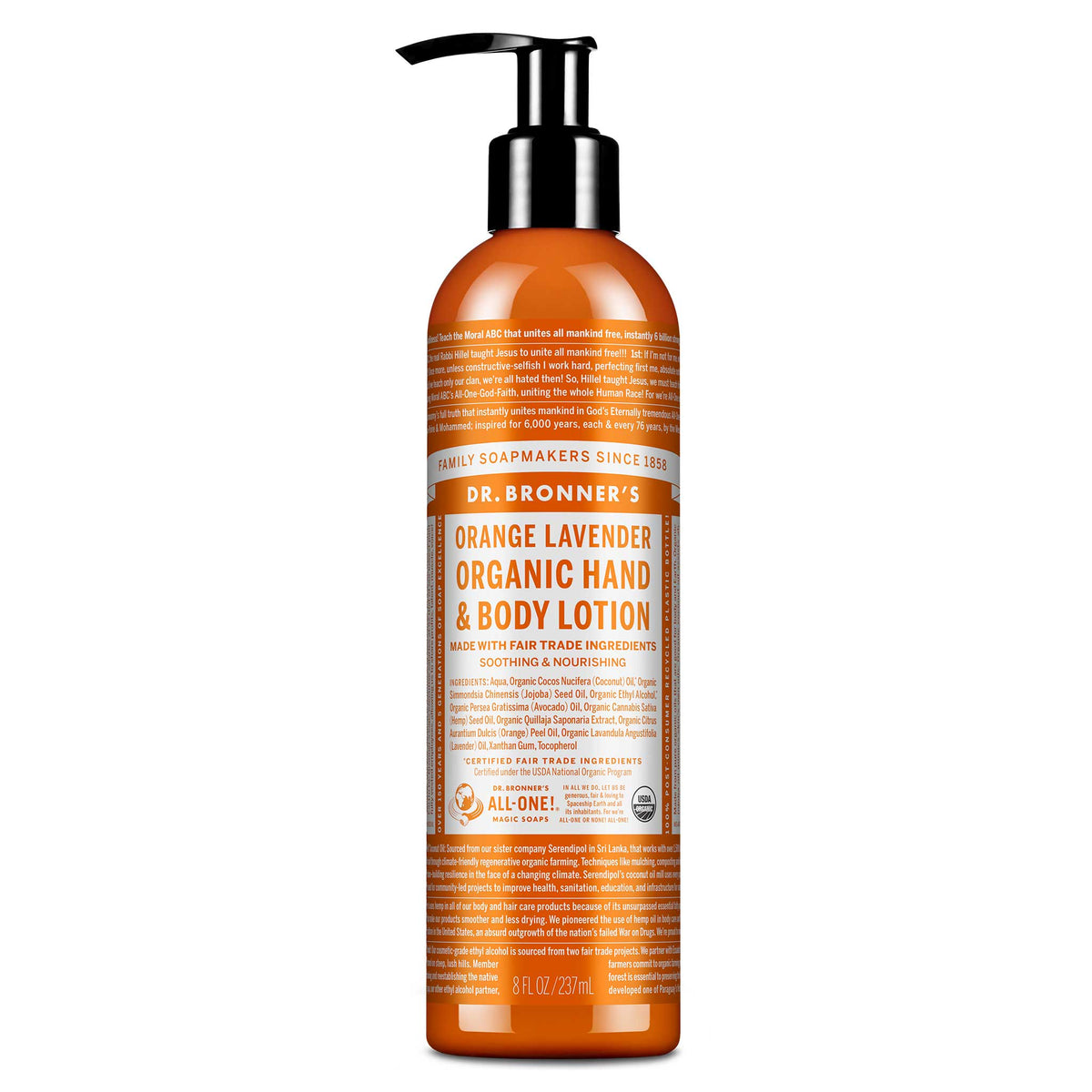
A highly ethical, multi-use lotion crafted with organic oils and fair trade ingredients, setting the industry standard for supply chain transparency and regenerative agriculture.
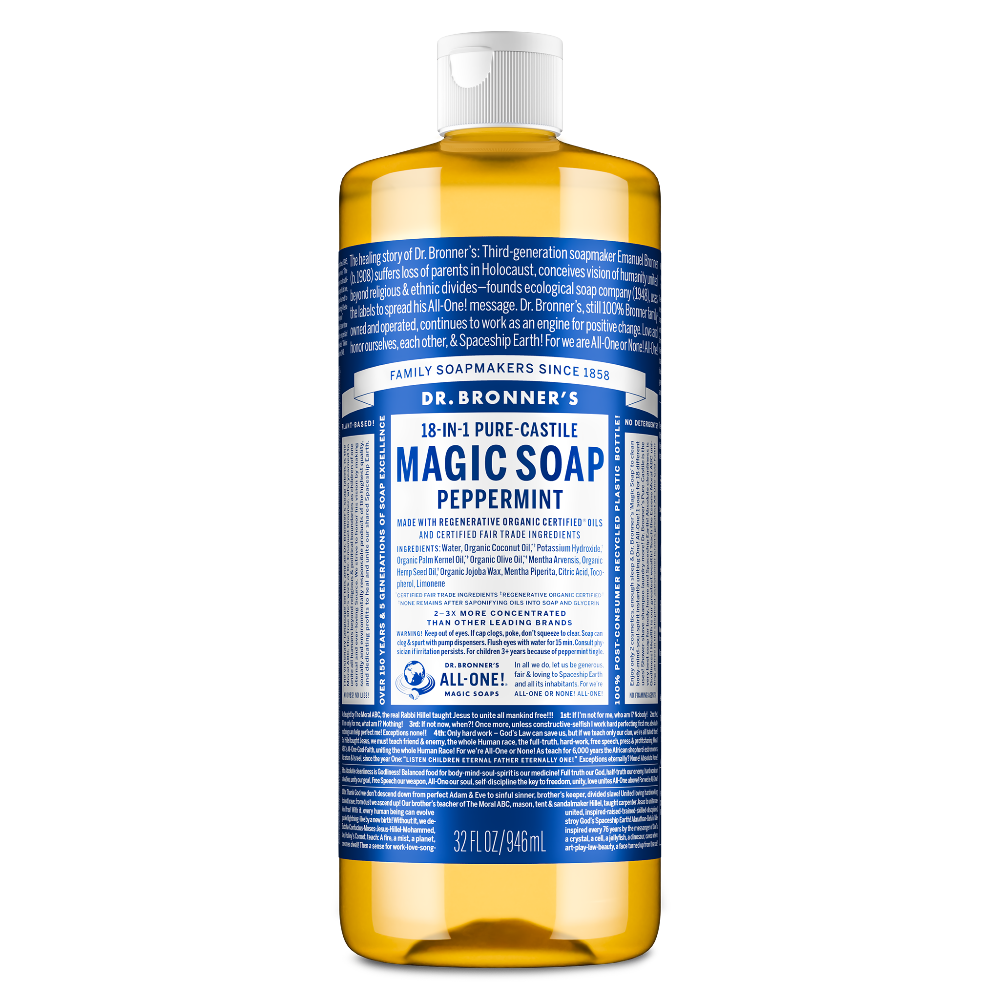
The gold standard of ethical cleaning. A highly concentrated, multi-surface liquid soap made from organic oils and fair trade ingredients in 100% PCR packaging.

The gold standard of ethical soaps, featuring regenerative organic palm oil and a legacy of fair-trade advocacy and radical transparency.

Revolutionary magnetic, leak-proof containers made from ocean-bound plastic. These capsules are designed to replace flimsy travel tubes for toiletries and vitamins.
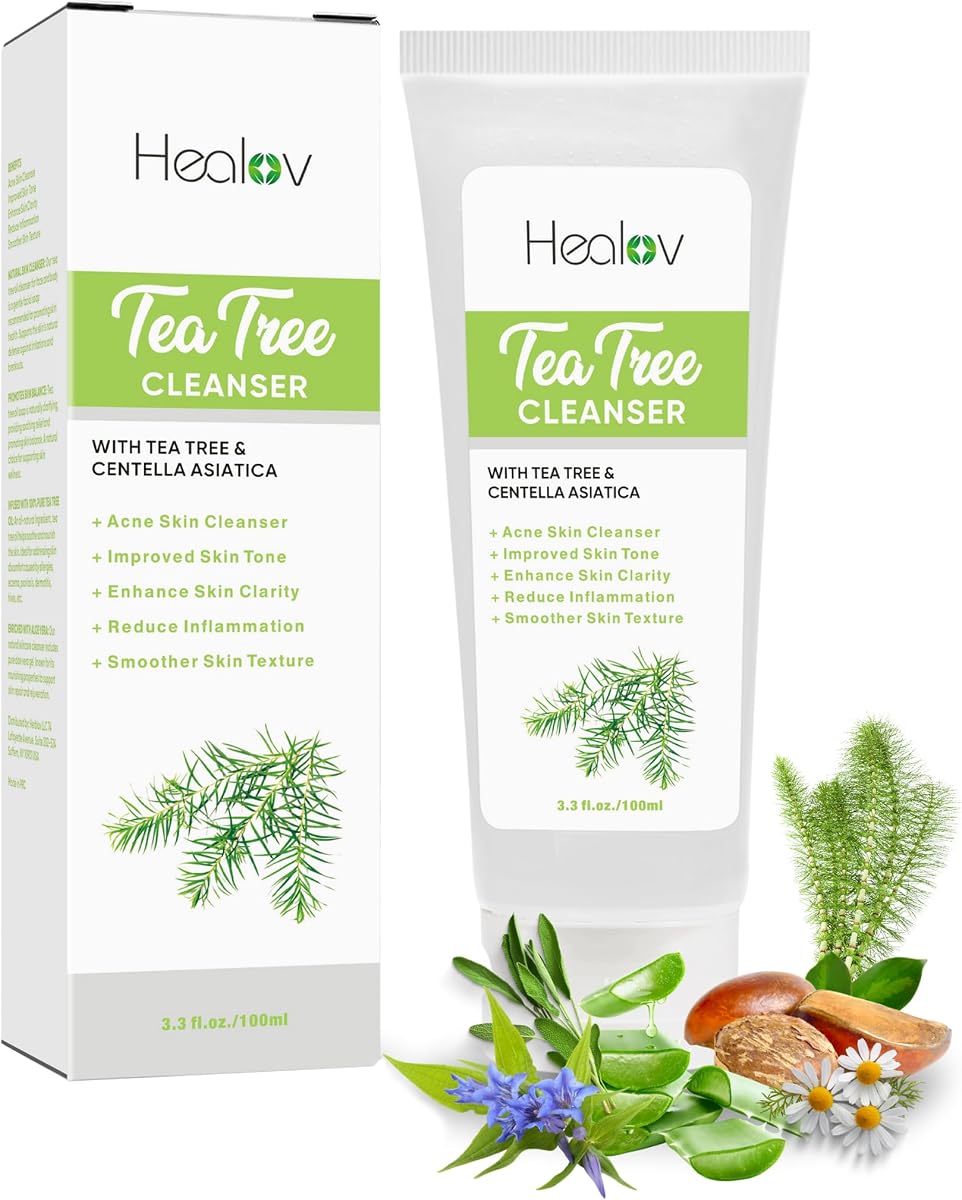
A gold-standard ethical cleanser featuring fair-trade tea tree oil and regenerative organic ingredients in 100% post-consumer recycled packaging.

A rugged, travel-ready backpack built by a certified B Corp known for their 'Gear for Good' mission and rigorous fair labor standards.

The gold standard for ethical adventure gear, made from 100% recycled body fabric, lining, and webbing.
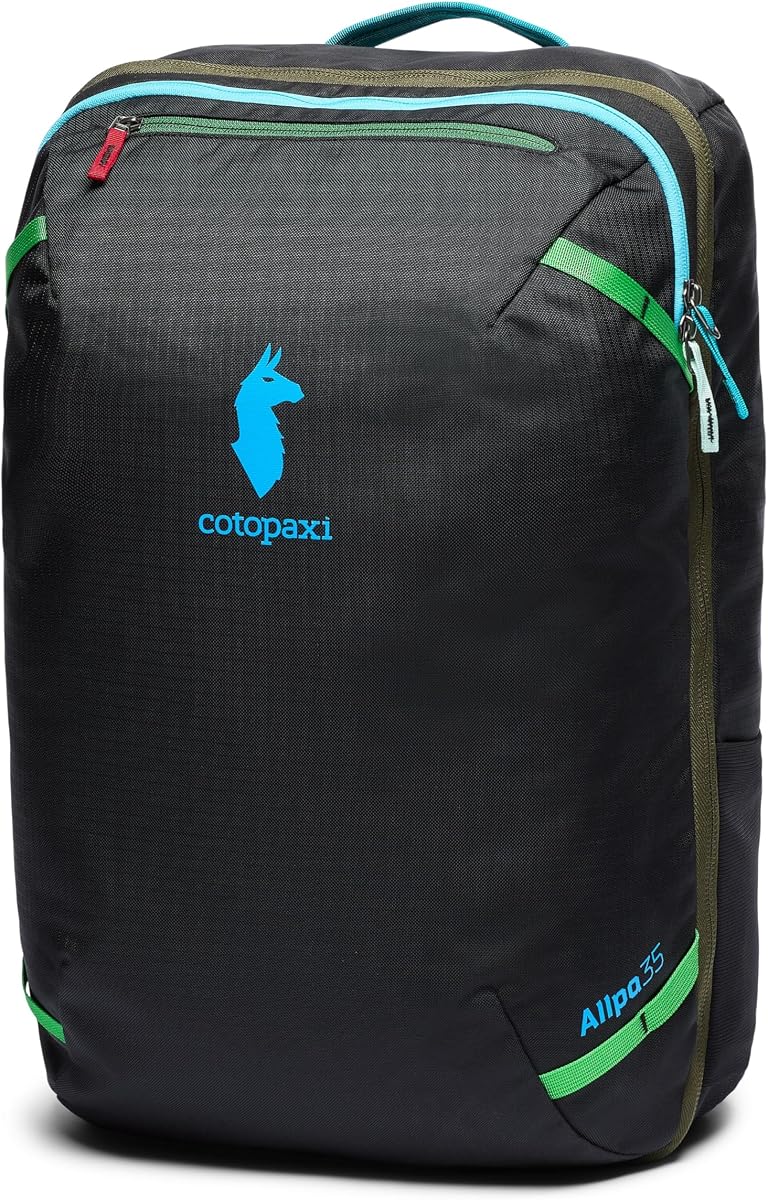
A one-of-a-kind travel pack made entirely from remnant fabric, ensuring no two bags are alike while keeping high-quality materials out of landfills.

A revolutionary carbon-neutral alternative to single-use cotton pads, designed to be used up to 1,750 times and fully compostable at the end of its life.
About this collection
What makes sunscreen reef-safe?+
Mineral filters (non-nano zinc oxide and titanium dioxide) instead of oxybenzone and octinoxate — the chemical filters banned in Hawaii, Palau and Aruba for bleaching coral.