Ethical Product Collections
Themed shortlists pulled from our database — every collection scores against the same ethics methodology, then we add an editorial point of view.
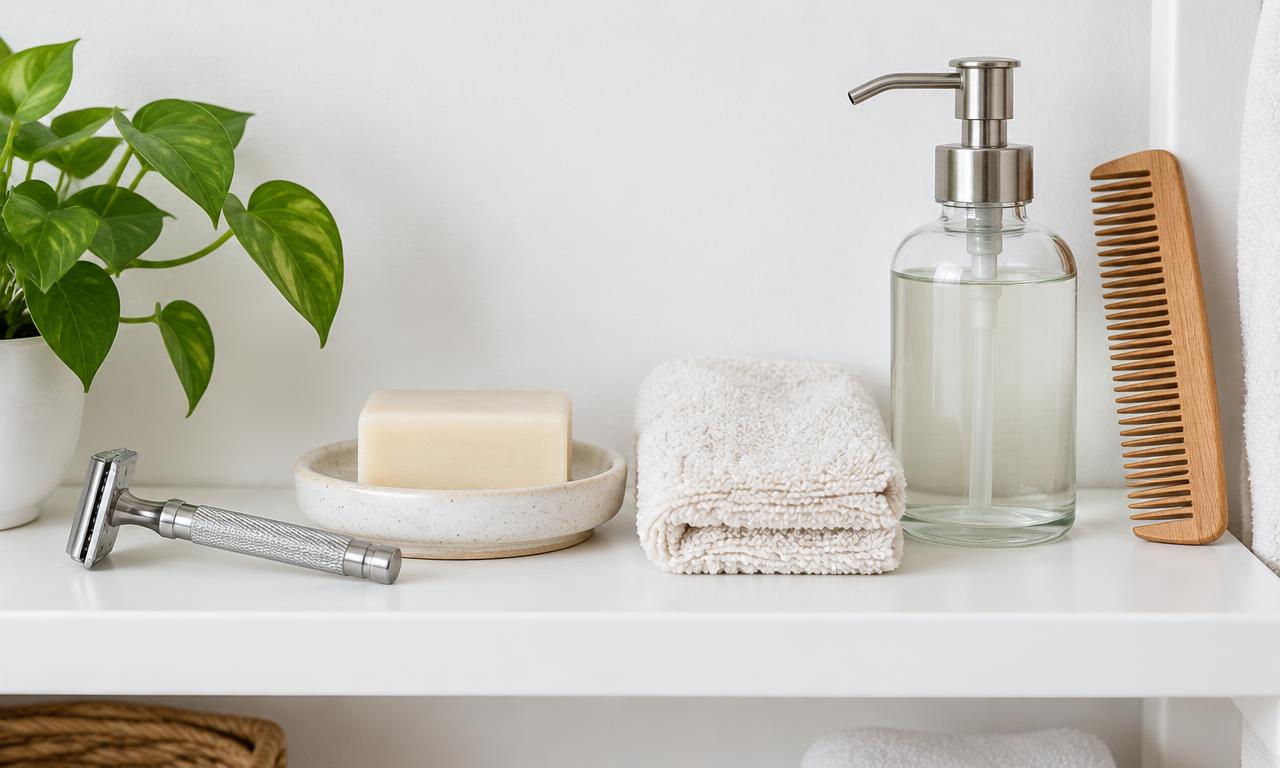
Zero-Waste Bathroom
Explore refills and lower-packaging formats
Open collection →Plastic-Free Kitchen
Compare reusable kitchen materials
Open collection →Ethical Workout Gear
Compare material and labour evidence
Open collection →Vegan Skincare Essentials
Check animal-derived ingredients and testing policies
Open collection →Fair Trade Coffee & Tea
Compare certification scope for coffee and tea
Open collection →B Corp Home Essentials
Check the company scope behind the label
Open collection →Sustainable Pet Care
Food, toys and beds that are kinder all round
Open collection →Low-Tox Baby & Kids
Organic cotton, untreated wood, plant-based plastics
Open collection →Ethical Office
Refillable, recycled and fairly made desk gear
Open collection →Sustainable Travel Kit
Travel light, travel low-impact
Open collection →Budget Ethical Gift Ideas
Thoughtful, ethical, affordable
Open collection →Fast-Fashion Alternatives
Slow-made staples to replace disposable fashion
Open collection →Same methodology, tighter filter
A collection is a saved filter — same 0–100 score, applied to a curated subset.
Catalogue-based
Listings reflect the available catalogue after its data refreshes. Confirm current certification status on the individual product.
No paid placement
Editorial picks are made after the score. Brands cannot buy their way into a collection.
Explore more curated lists
Turn a shortlist into a useful purchase
A themed collection is a starting point, not a shopping checklist. The best fit depends on what you already own, the job the product must do, and the evidence behind its claims. Avoid replacing a working item simply to match a theme.
Start with the need
Choose one item you actually need to replace or refill. Check dimensions, compatibility and ingredients before comparing scores.
Read the product evidence
Open the individual listing for numeric price, certifications and score notes. A collection title does not prove that every item meets every possible interpretation of the theme.
Check everyday use
Consider cleaning, refills, replacement parts and local disposal options. A reusable item only helps if you can keep using it.
| Collection theme | Useful checks | Common trade-off |
|---|---|---|
| Low-waste bathroom | Refill availability, formula suitability, durable packaging | A refill system may depend on a supplier that does not serve your area |
| Certified home essentials | Current certification and the exact product scope | A company certification may not cover product-specific materials |
| Budget picks | Current retailer price, shipping and cost per use | A lower upfront price can hide frequent replacements |
| Gifts | Recipient preferences, usefulness and repairability | Buying an unwanted ethical gift still consumes resources |
What our ethical product collections include—and what they do not
Collections bring together catalogue products around a practical theme, such as reducing bathroom packaging, buying home essentials or choosing a useful gift. They make a large catalogue easier to explore, but they are not a complete survey of every product on the market. A shortlist can only include products recorded in the catalogue, and its usefulness depends on how well those records describe the items. A local refill shop or a repair service may be a better option even when it does not appear here.
The collection filter and the ranking do different jobs. Filters decide which catalogue items are eligible for a theme; eligible products are then ordered by the recorded ethics score, with up to 18 shown. Category restrictions apply where configured. A certification filter accepts a match to any of its listed labels, while keyword filters search product text and tags for any configured term. The combination narrows the list, but a keyword match is not an independent check of the claim.
Read a collection title as a theme, not a guarantee
Words such as 'zero-waste', 'natural' and 'ethical' can suggest more than the underlying product information establishes. An item may appear in a low-waste collection because its description mentions a refill, a bar format or compostable packaging. That does not establish that every component is plastic-free, that a refill is sold near you or that your local waste service accepts the packaging. Open the individual listing and check which specific feature earned its place in the theme.
The same caution applies to certification-led collections. A brand-level label is not necessarily a product-level certificate, and matching one permitted label does not mean the product holds all the labels named in the collection. Budget themes also need a separate price check: some use approximate dollar-sign price tiers rather than a numerical price ceiling. Use a numerical 'under' hub for a catalogue price limit, and still confirm shipping, taxes and the current retailer total before buying.
A low-waste bathroom: replace the consumable, not the whole room
Start with something that is genuinely running out or no longer works. If a dispenser, razor handle or storage jar is still usable, look for a compatible refill or replacement part before buying a new system. For a solid shampoo or concentrated cleaner, compare the intended use, ingredients and instructions with your existing product. A smaller package is not automatically a smaller impact if it performs poorly for you, requires extra purchases or is discarded after a few uses.
Refill systems depend on repeated use. Check whether refills are consistently available, whether the container can be cleaned as instructed and whether the supplier serves your area. Consider the refill's own packaging and shipping rather than counting only the reusable outer bottle. For compostable items, identify whether home or industrial composting is required and whether your local facility accepts that product. 'Compostable' does not mean it belongs in ordinary plastic recycling or can safely be littered.
Budget and gift shortlists: usefulness before the score
For repeat purchases, compare unit cost on a consistent basis: per wash, per measured dose, per gram or per usable refill. Include any accessories required to use the item. A larger pack can have a lower unit price but still be wasteful if it expires before you finish it. For durable goods, look at repair options, spare parts and expected use; do not assume a higher price or an ethical label establishes a longer lifespan.
For gifts, the recipient's preferences are a practical constraint, not an afterthought. Check allergies, sizes, fragrance preferences and whether they already own the item. Avoid giving an unfamiliar supplement, personal-care formula or complicated refill system simply because it appears in a themed list. An agreed replacement, a second-hand item in good condition or no physical purchase may be more useful than an unwanted new product. The purpose of a collection is to help you make a choice, not to increase the number of things you buy.
When two products look equally suitable
Resolve the practical requirements first: size, compatibility, dietary needs, ingredients, availability and total price. Then compare the evidence for the attribute you care about most. A documented refill option may matter more for a household cleaner than a small difference in the composite score. For a textile, an identifiable material certificate and a repairable construction may be more informative than counting the number of logos on the listing.
Treat close scores as a prompt to read the notes, not as proof that one item is definitively better. Catalogue data can be incomplete or change after you view it. If a shortlist does not contain a suitable item, broaden the search rather than relaxing a non-negotiable requirement. The comparison table above highlights the checks that change the decision for each theme; the worked example below shows why using what you already own can be preferable to buying a matching set.
Catalogue coverage is limited; a shortlist is not a complete market survey. Prices and retailer availability can change after a collection is viewed.
Collections FAQ
How are collections curated?+
Collections use configured category, label, keyword and approximate price-tier filters, then sort matches by the stored ethics score. A keyword or label match is not independent verification of every claim implied by a collection title.
How often are collections refreshed?+
Collection listings use catalogue data, which may be cached. Changes appear after the data refreshes; the written guidance is maintained separately. Verify current product details and retailer prices before buying.
Can I request a collection?+
Yes — contact us via the press & contact page with the theme you'd like to see.