Ethical Dupes
12 ethical dupes for Natural Grass Pen
Equal or higher ethics score · Equal or lower price · Office & Stationery. Hand-picked from our independently scored catalog.

The picks
Sorted by ethics score. Each card shows the delta vs your original.
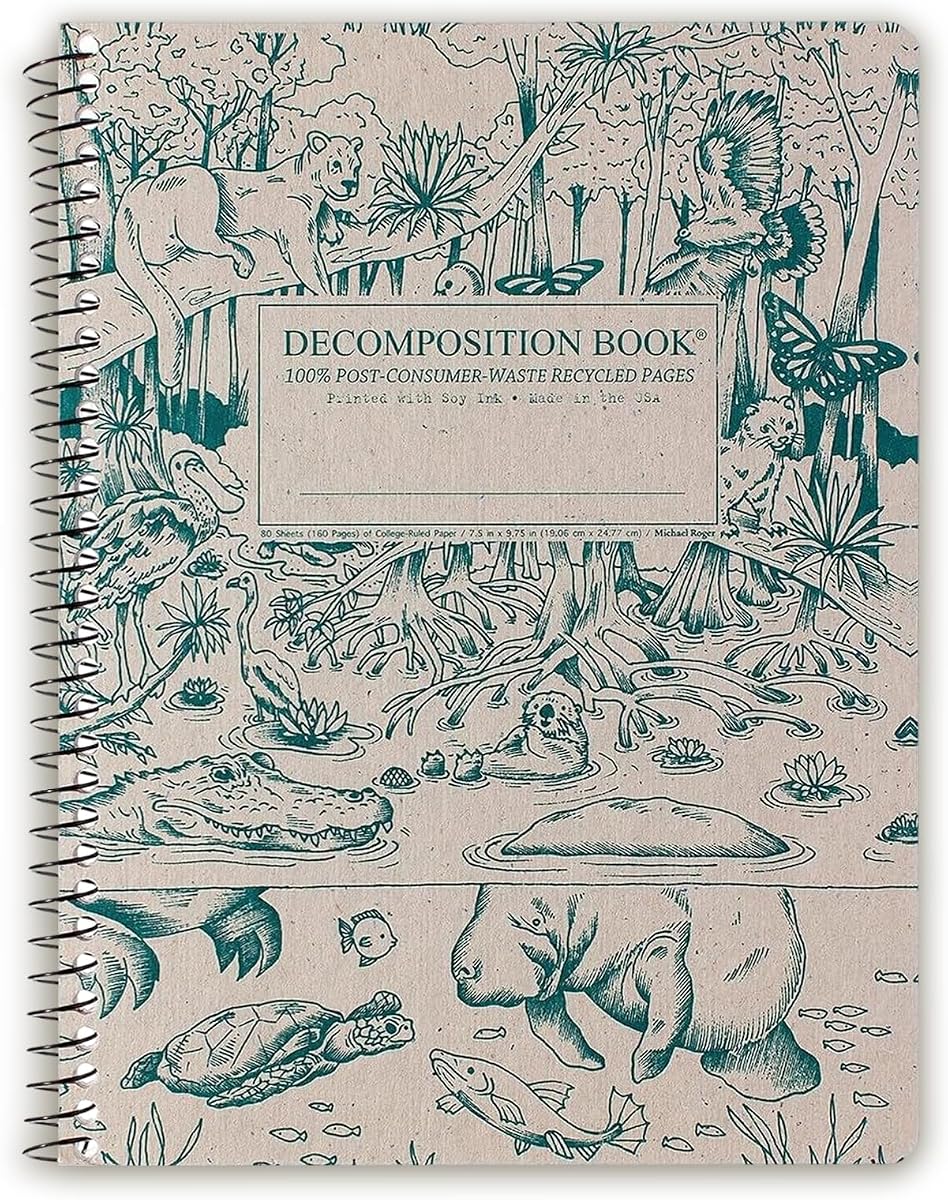
A quintessential eco-friendly classic, this notebook utilizes 100% post-consumer waste recycled paper and soy-based inks. It is a durable, sustainably manufactured alternative to standard composition books, perfect for students and professionals seeking to minimize their ecological footprint without sacrificing quality.

A quintessential eco-friendly classic, the Decomposition Notebook elevates the traditional composition book with 100% post-consumer waste recycled paper and bio-based soy inks. It is a top-tier choice for students and writers prioritizing circularity and reducing deforestation.
A staple for eco-conscious students and professionals, this notebook uses 100% post-consumer waste recycled paper and soy-based inks.
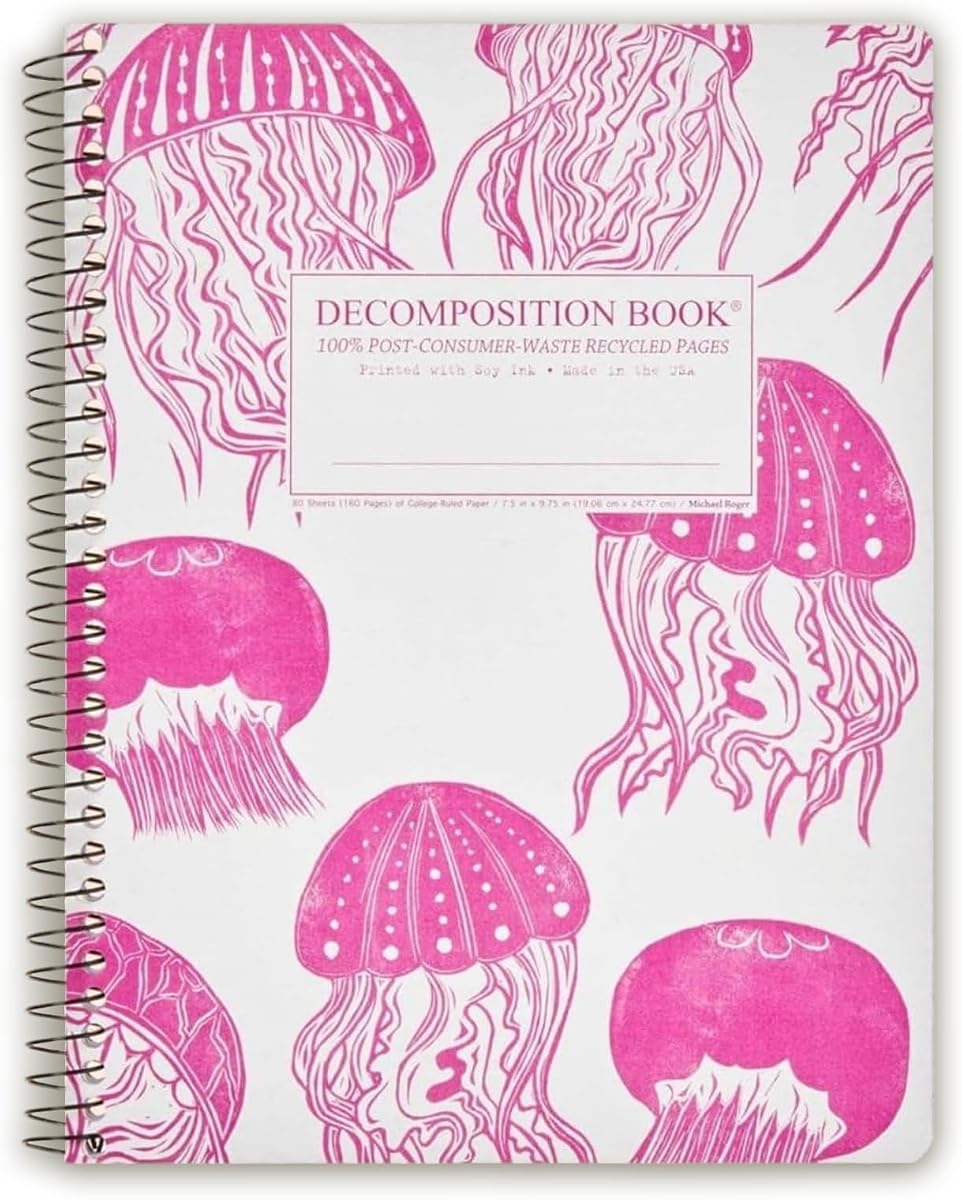
A quintessential eco-friendly upgrade to the classic composition book, made from 100% post-consumer waste recycled paper and printed with soy ink.

A unique alternative to cedar pencils, these are made from rolled recycled newspapers and feature HB #2 graphite.

A creative twist on the classic composition book, made from 100% post-consumer waste recycled paper and printed with soy ink.

A high-contrast, tactile sticky note set designed for accessibility and made from sustainable agricultural waste paper in British Columbia.

High-quality, refillable pens made from recycled ocean-bound plastic. Designed by a woman-owned B Corp focused on zero-waste office supplies.
A quintessential eco-friendly stationery staple, these notebooks leverage 100% post-consumer waste recycled paper and soy-based inks to provide a sustainable alternative to traditional composition books.
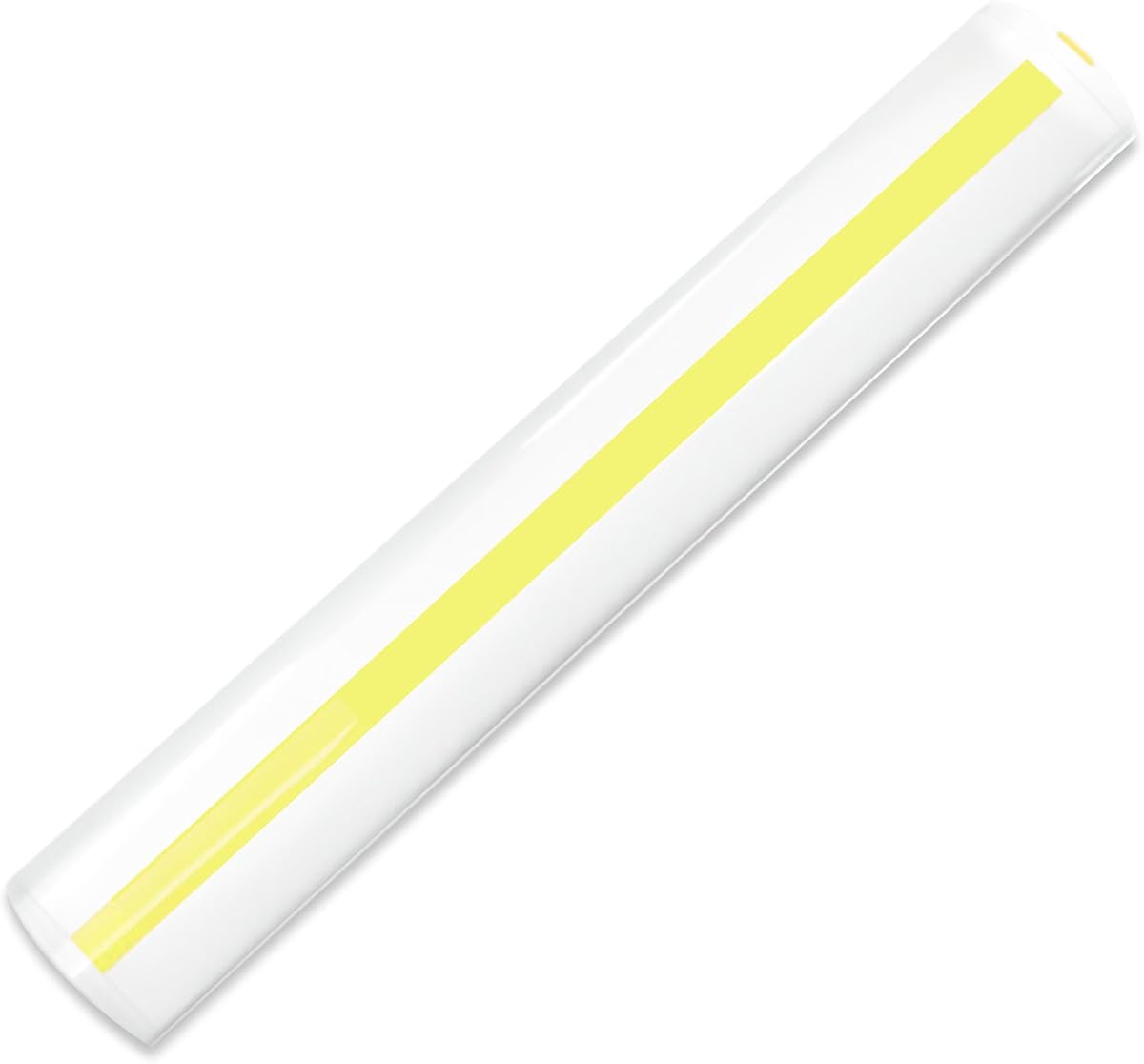
A 100% recycled plastic ruler with a built-in magnifying strip, designed for easy reading and handling by seniors.

A modular desk tidying system crafted from mycelium and cork, designed in Spain to eliminate office clutter using renewable biological resources.

Tree-free stationery and envelopes made from 100% post-industrial textile waste (recycled cotton) by a fair-trade facility in Costa Rica.