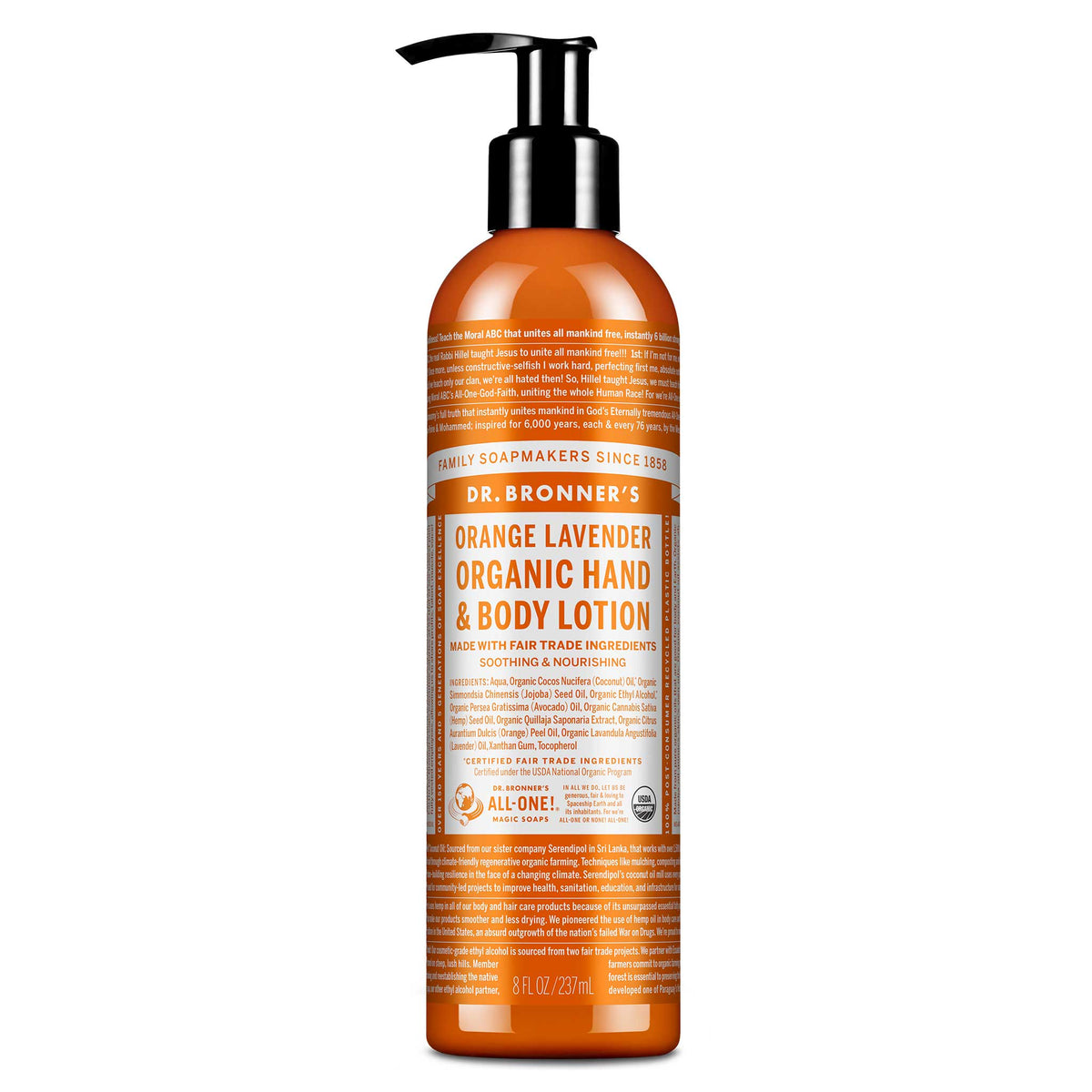
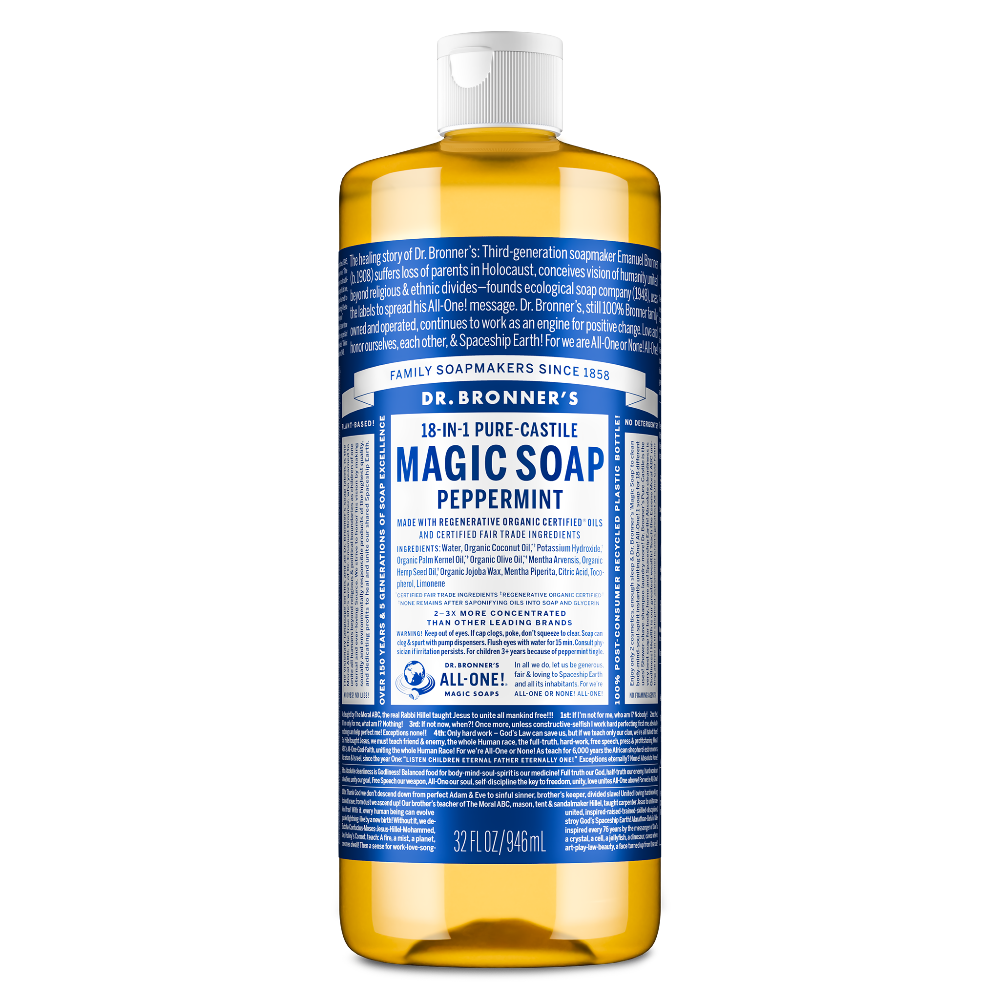
Fair Trade certification guarantees that producers — typically smallholder farmers and cooperatives in developing countries — receive a minimum price that covers sustainable production costs, plus a Fair Trade Premium that the community democratically invests in projects like schools, clinics, or infrastructure.
The standard also prohibits forced and child labor, requires safe working conditions, and restricts the most hazardous agrochemicals.
How the price mechanism works: for each certified commodity, Fairtrade sets a floor price indexed to the cost of sustainable production. If the world market price falls below that floor, buyers must still pay the floor. If the market price rises above it, buyers pay the market rate. The Premium is paid on top in either case, so certified producers are insulated from the worst of commodity price crashes.
Three certifiers you will actually see on packaging. Fairtrade International (the FAIRTRADE Mark) is the largest global system, used in more than 70 countries and built around smallholder cooperatives. Fair Trade USA split from Fairtrade International in 2011 and allows larger plantations and a wider product range, which broadens reach but loosens the cooperative requirement. Fair for Life certifies the full supply chain rather than a single commodity ingredient, so it appears on cosmetics and textiles as well as food. All three are credible — read the mark, not the marketing copy on the front of the pack.
Common certified categories include coffee, cocoa, tea, sugar, cotton, bananas, flowers, and increasingly gold and textiles. On a multi-ingredient product, check whether the mark covers the whole product or only one ingredient: a chocolate bar can carry the mark for its cocoa while the sugar and vanilla are conventional.
What Fair Trade does not cover. It is primarily a price-and-premium and labour-rights mechanism. It does not certify organic farming, deforestation-free production, animal welfare, or carbon footprint — pair it with USDA Organic, Rainforest Alliance or FSC when those dimensions matter to you. Critics also argue the premium is too small to transform producer incomes on its own; the evidence is mixed but generally positive at scale, and strongest where cooperatives are well governed.
How to shop it: look for the mark on the packaging rather than words like "ethically sourced" or "direct trade", which are unregulated. On EthiCompare, every product page lists the certifications we could verify, so you can filter to genuinely Fair Trade certified items instead of relying on brand claims.