The Best Ethical Furniture & Decor in 2026
We scored every furniture & decor product in our database on certifications, ingredient transparency, sourcing, packaging and brand ethics. Here are the top 10, ranked by composite ethics score.
- 1
 ExcellentFair TradeVegan4.9 (86)
Authentic Indian Khadi (hand-spun, hand-woven) cotton curtains. A premium, small-batch textile that supports the village industries of Karnataka, offering natural insulation and light blocking.
- 2
 ExcellentB CorpFair TradeUSDA OrganicGOTS Certified+1 more4.7 (14,500)
A luxury hybrid mattress hand-crafted in California using 100% organic certified materials and carbon-negative production methods.
- 3
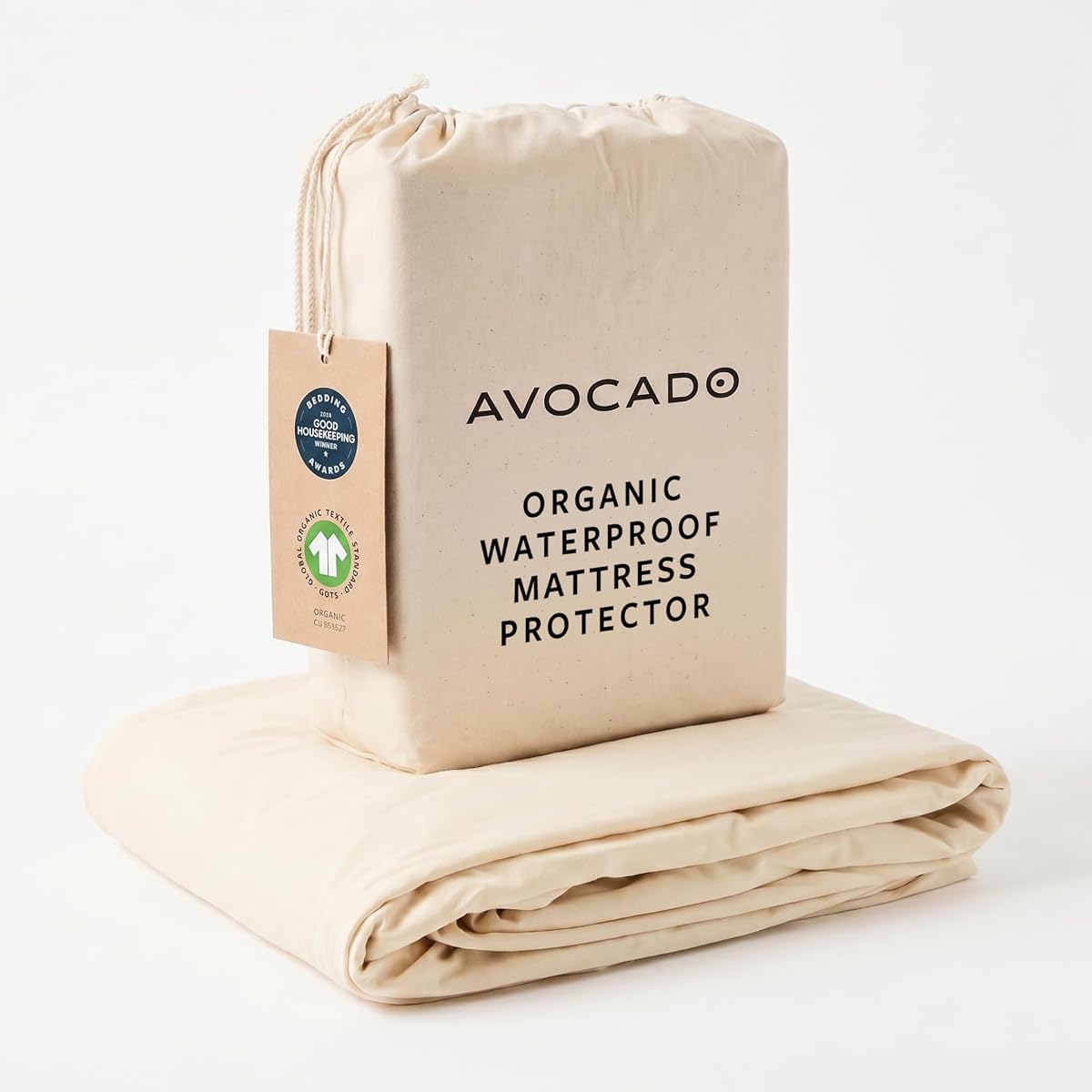 ExcellentB CorpGOTSGOLSClimate Neutral+2 more4.8 (18,500)
A flagship eco-luxury mattress handcrafted in California using 100% GOTS organic certified cotton and wool, and GOLS organic certified latex.
- 4
 ExcellentFSC CertifiedB Corp1% for the PlanetClimate Neutral+1 more4.9 (915)
A zero-VOC, solid wood bed frame handcrafted in California using FSC-certified maple and walnut with a focus on carbon-neutral manufacturing.
- 5
 Excellent1% for the PlanetB Corp4.9 (312)
A closed-loop recycled wool blanket from Australia, designed for rugged outdoor use and cozy off-grid living.
- 6
 ExcellentB CorpFSC Certified1% for the Planet4.9 (86)
A revolutionary piece of circular furniture made entirely from recycled bamboo chopsticks harvested from urban waste streams.
- 7
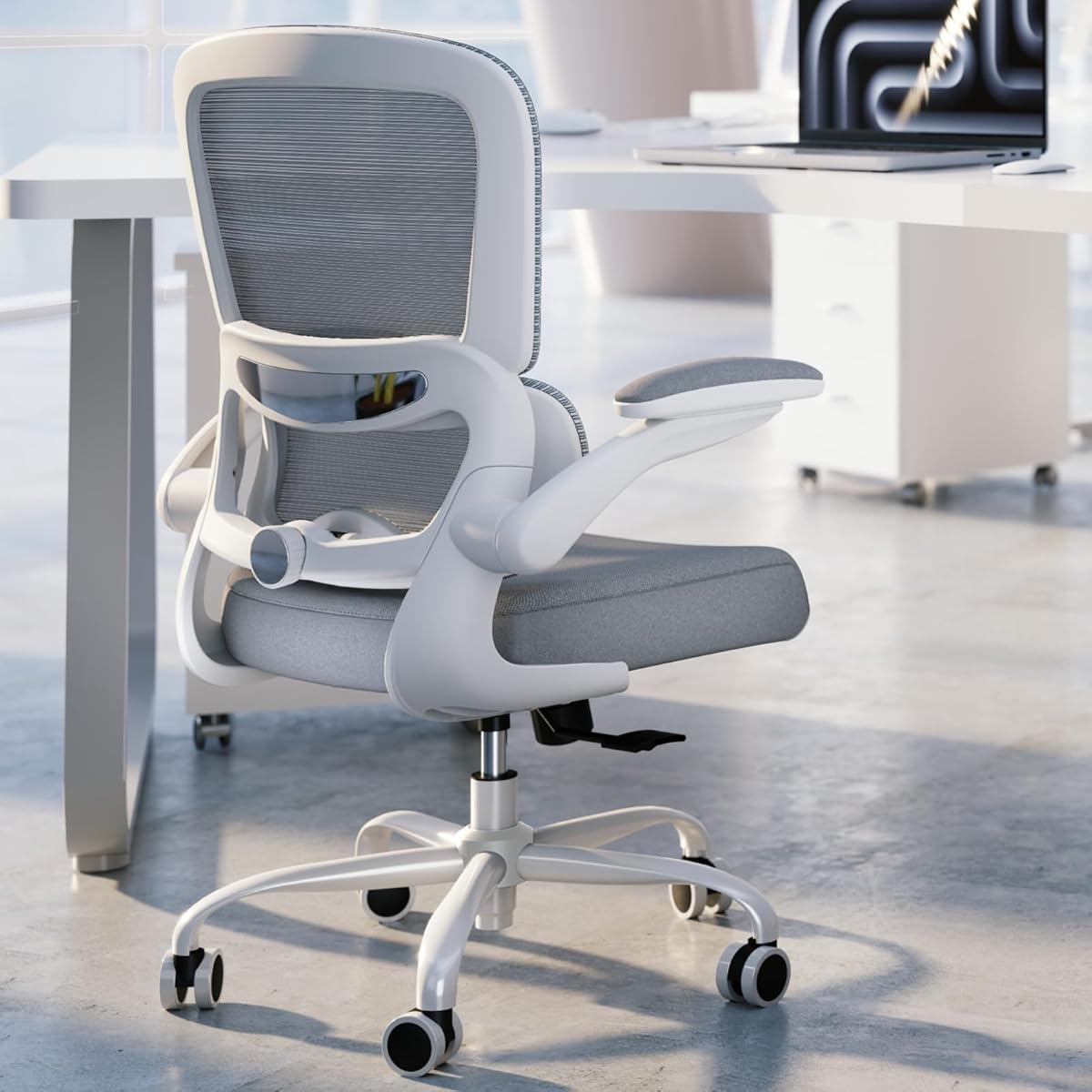 ExcellentB CorpGlobal Recycled Standard4.6 (42)
A revolutionary 3D-printed chair made from upcycled food waste and plant-based resins, manufactured on-demand in the USA to eliminate waste.
- 8
 ExcellentGOTSGOTS OrganicB CorpClimate Neutral+2 more4.7 (18,500)
A luxury, handcrafted pillow made from GOLS-certified organic latex and GOTS-certified organic cotton. This pillow is carbon negative and specifically designed to provide adjustable support for all sleeper types while adhering to the highest environmental standards.
- 9
 ExcellentB CorpGlobal Recycled Standard4.6 (85)
A revolutionary piece of furniture made entirely from recycled plastic waste. Pentatonic leads the circular economy movement with this modular, high-design seating solution.
- 10
 ExcellentB Corp1% for the Planet4.9 (340)
An innovative, circular economy furniture piece handcrafted from thousands of recycled bamboo chopsticks that would otherwise end up in landfills.
TL;DR
The best ethical furniture & decor in 2026 is Hand-Woven Khadi Cotton Blackout Curtains by Charaka, with an ethics score of 98/100 backed by Fair Trade, Vegan. Followed by The Organic Mattress, The Organic Mattress, The Platform Bed.
How we rank furniture & decor
Every product earns an ethics score from 0–100 based on third-party certifications (B Corp, Leaping Bunny, USDA Organic, Fair Trade, etc.), ingredient and material safety, supply-chain transparency, packaging sustainability, and brand-level practices. We do not accept payment for placement — rankings are derived entirely from the underlying data.
How to actually choose ethical furniture & decor — beyond this top 10
Picking a ethical furniture & decor product looks simple until you flip the pack over and stare at a paragraph of INCI names, three sustainability logos of unclear provenance, and a marketing story that gestures at recyclability without specifying which parts, in which country, under which scheme. What follows is our attempt to translate that fog into practical shorthand.
The ethical furniture & decor market has professionalised sharply over the last five years — a good thing when it means audited certifications and traceable supply chains, a bad thing when it means large conglomerates buying up indie brands whose ethical reputation predates their new ownership. Our brand-ownership map flags those cases directly on the product page. Where a ranking is close, the deciding factor is usually the parent company's broader record.
Green flags to look for
- Leaping Bunny + Vegan Society double-mark.
- COSMOS Organic or NATRUE for organic beauty.
- Refill or aluminium packaging over virgin plastic.
- Publicly disclosed full-ingredient list (INCI + concentrations if you're lucky).
Red flags to reject
- 'Natural' claims with no certification.
- Palm-derived surfactants (sodium palmate, glyceryl stearate) unless disclosed.
- Micas without a supplier-verified child-labour-free clause.
- Fragrance parfum blends with no allergen disclosure.
Certifications worth learning for furniture & decor
Marks that regularly hold up in this category, cross-checked against public audit trails.
EthiCompare scores every furniture & decor product across five pillars: (1) independently verified certifications, (2) ingredient- or material-level analysis against a running list of known animal-derived, palm-derived, and hazardous inputs, (3) supply-chain transparency and worker-welfare disclosures, (4) packaging and end-of-life design, and (5) parent-brand behaviour including animal-testing policy and lobbying history. Each pillar is scored 0-100 and combined into the composite ethics score you see on every card. We publicly document the methodology and never accept payment for placement.
Frequently asked about ethical furniture & decor
What is the best ethical furniture & decor in 2026?+
Hand-Woven Khadi Cotton Blackout Curtains by Charaka tops our ranking with an ethics score of 98/100.
How are these furniture & decor products ranked?+
Each product earns a 0–100 ethics score weighted across third-party certifications, ingredient and material safety, supply-chain transparency, packaging sustainability and brand-level ethics.
Are these products vegan and cruelty-free?+
Many carry Vegan and Leaping Bunny certifications. Each listing shows the verified certifications so you can filter by vegan, cruelty-free, organic or fair-trade specifically.