Non-GMO Project Verified
Independent verification that a product avoids genetically modified inputs.
What it is
The Non-GMO Project is a North American non-profit that verifies products against a strict standard for the avoidance of genetically modified organisms across ingredients, animal feed, processing aids and packaging.
How it's verified
Products undergo ongoing testing of high-risk inputs (corn, soy, canola, sugar beet, cotton) at qualified labs. The Non-GMO Project Standard sets action thresholds — typically 0.9% for human food. Certification is annual with traceability audits.
What to look for
The butterfly-on-grass Non-GMO Project Verified logo. Verify product status at nongmoproject.org.
Watch out for
'GMO-free' or 'no GMOs' without the Non-GMO Project logo is self-declared and unaudited. Some categories (wheat, oats) have no GMO version in commercial production — a label there is marketing.
What it doesn't cover
Non-GMO is not organic — it permits synthetic pesticides and conventional farming. The two certifications are complementary; many products carry both.
Products listed with Non-GMO
Up to nine catalogue matches, ordered by recorded ethics score. Stored labels are not independently re-verified certificates; confirm the current product or company scope with the certifier.

The gold standard for multi-purpose ethical cleaning, featuring organic oils and fair trade sourcing in a post-consumer recycled bottle.

The gold standard for ethical personal and pet care. Dr. Bronner’s Peppermint Pure-Castile Soap is biodegradable, fair trade, and highly concentrated for multi-purpose use.

The gold standard for ethical food production, this coconut oil uses regenerative organic practices and fair trade labor to set a benchmark for corporate responsibility.

A fluoride-free, 70% organic toothpaste that leads the industry in fair trade sourcing and activist corporate governance.

The gold standard in ethical soap, these travel-sized bottles are perfect for wellness pros on the go, featuring 100% PCR packaging and fair-trade ingredients.

The gold standard of ethical soaps, featuring regenerative organic palm oil and a legacy of fair-trade advocacy and radical transparency.
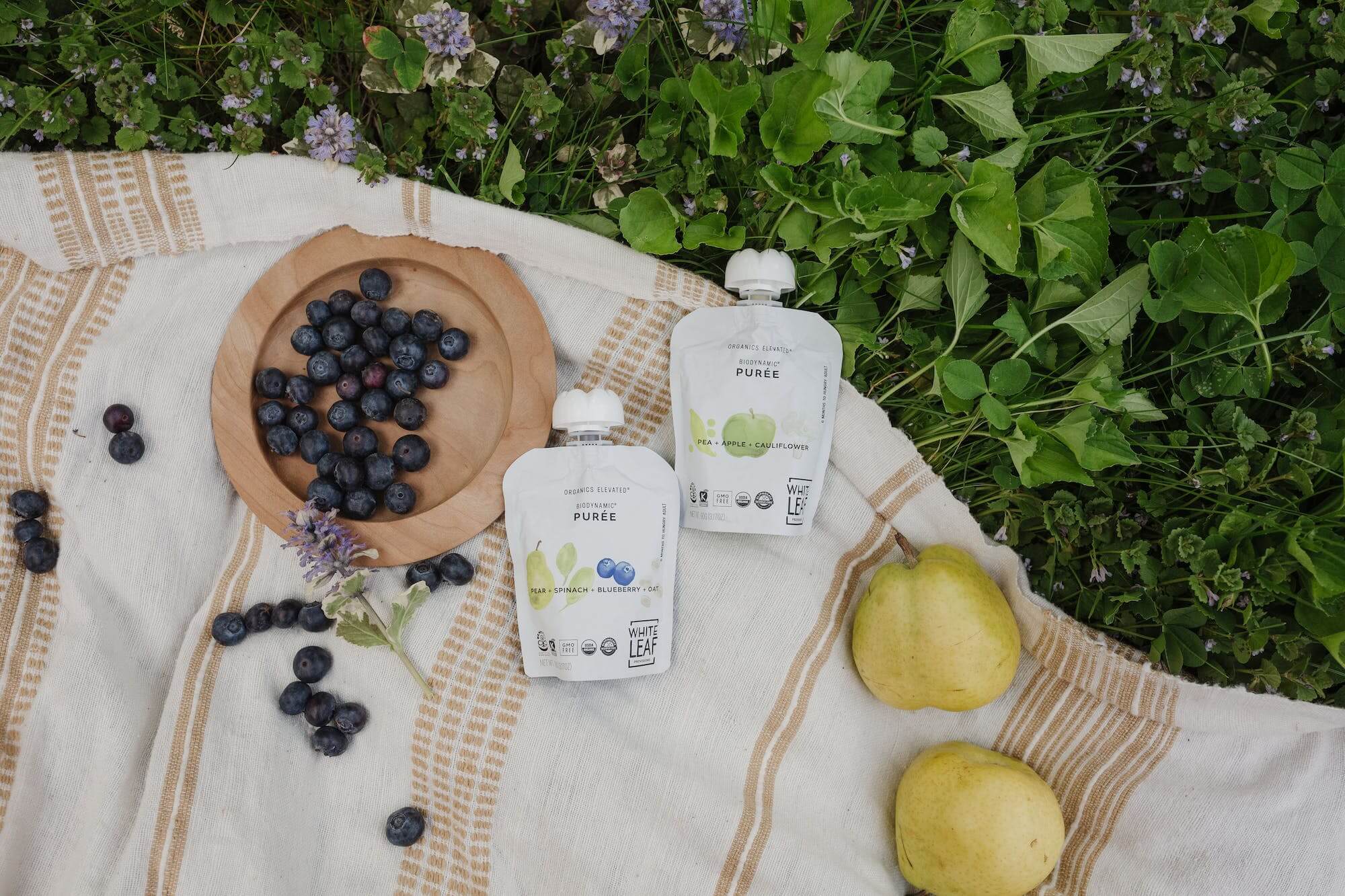
The gold standard in baby food, offering Demeter-certified biodynamic ingredients that exceed organic standards for soil health and purity.

A nutrient-dense heirloom grain sourced through fully transparent supply chains that support regenerative farming practices in the Peruvian Andes.

A 100% organic and handcrafted fertilizer enriched with soil microbes and mycorrhizae, formulated without synthetic chemicals or 'factory farm' byproducts.
Frequently asked
Are GMOs unsafe?+
The major scientific bodies (WHO, EFSA, NASEM) consider currently commercialised GMO crops as safe to eat as their conventional counterparts. Many shoppers avoid GMOs for ecological, supply-chain or pesticide-use reasons rather than direct safety concerns.