USDA Organic
US federal standard for food and farming grown without synthetic pesticides or GMOs.
What it is
USDA Organic is regulated by the National Organic Program under the US Department of Agriculture. Certified products contain ≥95% organic ingredients (for the 'Organic' seal) or ≥70% (for the 'Made With Organic' label). Synthetic pesticides, synthetic fertilisers, sewage sludge, GMOs and ionising radiation are prohibited.
How it's verified
Farms and handlers submit an Organic System Plan, undergo annual on-site inspection by USDA-accredited certifying agents, and keep detailed records. Soil must be managed without prohibited substances for three years before certification.
What to look for
The green-and-white USDA Organic seal. For imported foods, equivalent programs (EU Organic, JAS Japan) may apply.
Watch out for
'Natural', 'all-natural' and 'farm-fresh' are unregulated. 'Made with organic ingredients' is weaker than 'Organic'. Check which tier the product qualifies under.
What it doesn't cover
USDA Organic does not address fair labour, fair pricing, water use, packaging or carbon footprint. It also permits 'organic' synthetic pesticides on the National List (e.g. copper-based fungicides) which can have ecological impact.
Top USDA Organic-certified products
The highest-scoring products in our database that carry USDA Organic certification.

A gold-standard example of regenerative agriculture, these oats go beyond organic by actively restoring soil health and ensuring fair wages for farmers in a vertically integrated supply chain.

An ultra-ethical, multipurpose skin salve made with organic oils and fair-trade beeswax, setting the gold standard for corporate responsibility.

A truly organic, non-toxic dog shampoo that sets the gold standard for safety and environmental purity in pet grooming.

The gold standard for multi-purpose ethical cleaning, featuring organic oils and fair trade sourcing in a post-consumer recycled bottle.
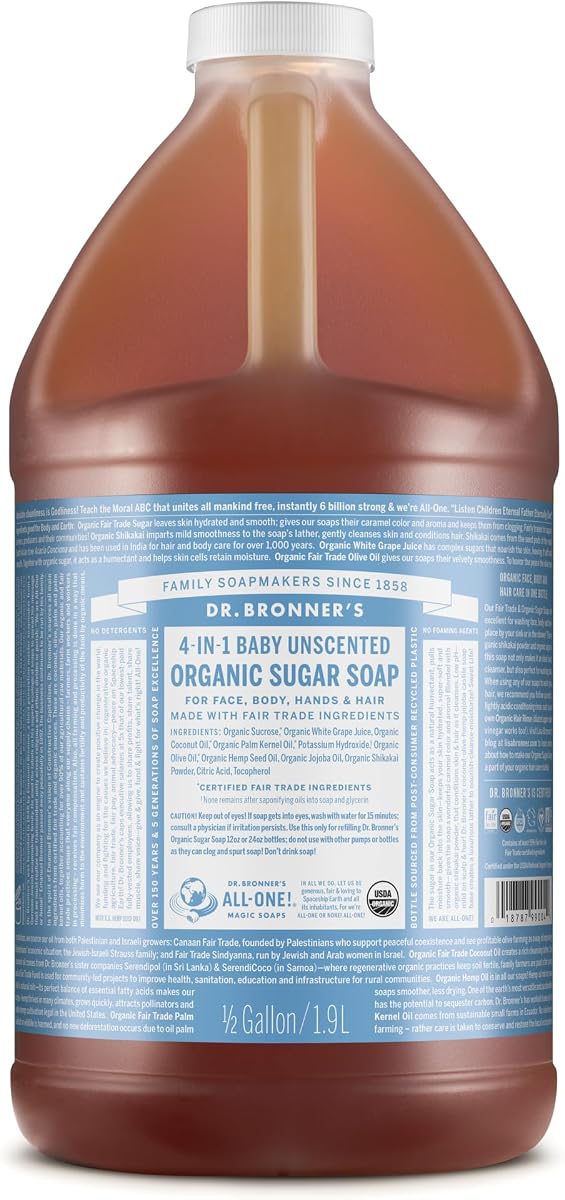
A multi-use, fair-trade organic soap that is gentle enough for pets yet effective at removing grime and odors.

The gold standard for multi-purpose ethical cleaning, this concentrated soap is built on fair trade principles and regenerative agriculture.

Quite literally the gold standard for ethical sourcing, this coconut oil supports regenerative agriculture and fair wages for thousands of farmers in Sri Lanka.

A truly organic, non-toxic grooming solution that sets the gold standard for pet safety and environmental responsibility.

The gold standard for ethical personal and pet care. Dr. Bronner’s Peppermint Pure-Castile Soap is biodegradable, fair trade, and highly concentrated for multi-purpose use.
Frequently asked
Is organic always pesticide-free?+
No. Organic farming permits certain naturally derived pesticides from the National List, including copper sulfate, pyrethrin and sulphur. Residue levels are typically much lower than conventional but not zero.