Ethical Alternatives to Coffee Crisp
Coffee Crisp is a popular Canadian chocolate bar manufactured by Nestlé. However, the brand faces significant ethical concerns due to its parent company’s involvement in environmental degradation and child labor in cocoa supply chains, and it lacks key ethical certifications.
Categories compared: Food & Nutrition
Why shoppers look for alternatives to Coffee Crisp
- Nestlé has been repeatedly linked to child labor and forced labor in its West African cocoa supply chains.
- Coffee Crisp holds no recognized ethical certifications (e.g., Fairtrade, Rainforest Alliance, or UTZ).
- Nestlé has no publicly stated policy against animal testing and does not rule out regulatory animal testing.
- Nestlé has faced criticism for water privatization and environmental degradation, including plastic pollution in oceans.
- The brand sells in mainland China, where labor and environmental standards differ from Canadian norms.
Top-scoring alternatives to Coffee Crisp

A gold-standard example of regenerative agriculture, these oats go beyond organic by actively restoring soil health and ensuring fair wages for farmers in a vertically integrated supply chain.

The gold standard for ethical food production, this coconut oil uses regenerative organic practices and fair trade labor to set a benchmark for corporate responsibility.
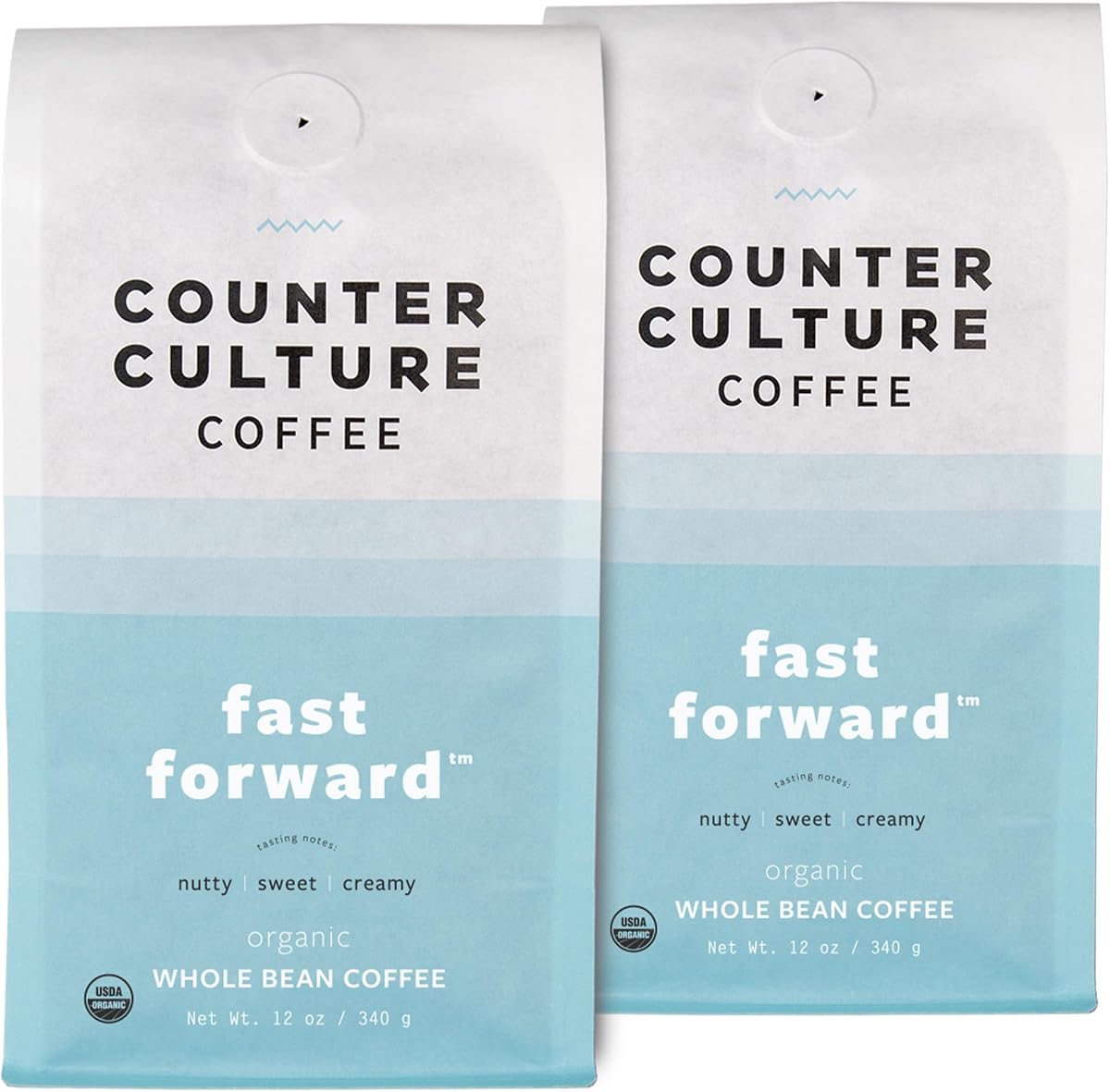
A 100% farmer-owned coffee cooperative that bypasses traditional middlemen to ensure maximum profits return to the growers.

The gold standard in baby food, offering Demeter-certified biodynamic ingredients that exceed organic standards for soil health and purity.

A gold standard in ethical confectionery, combining fair-pay labor practices with regenerative cocoa farming that restores biodiversity in the Ivory Coast and Ghana.

A gold-standard breakfast staple sourced from family-owned farms in Montana using regenerative practices that actively sequester carbon and restore soil health.

Arguably the most ethical coconut oil on the market, sourced from 'Serendipol' in Sri Lanka using regenerative practices that revitalize soil and support a fair-trade community.
A gold standard in ethical confectionery, using regenerative farming to combat climate change while ensuring living wages for cocoa farmers.

A 100% farmer-owned cooperative coffee brand that bypasses middlemen to ensure maximum profits return to the growers.
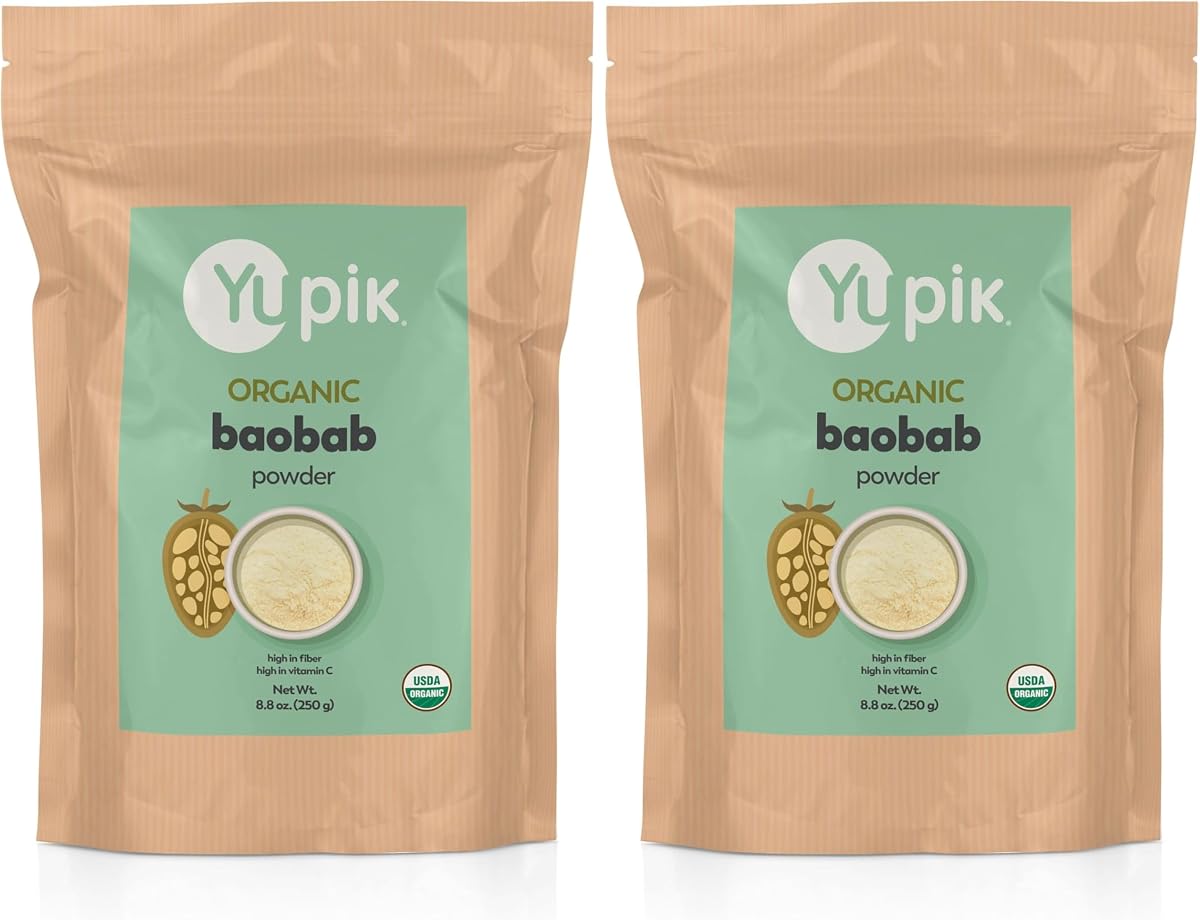
A nutrient-dense African superfood powder ethically harvested by women's cooperatives in Upper East Ghana, providing a massive vitamin C boost.

Exquisite heirloom Malagasy cocoa produced entirely at the source in Madagascar. This professional-grade bulk trunk supports direct-trade and lemur habitat conservation.

A gold standard in ethical food production, this virgin coconut oil is sourced from regenerative organic palms in Sri Lanka, ensuring soil health and fair wages.
What Coffee Crisp is rated on
Coffee Crisp (by Nestlé) receives poor marks across key ethical criteria. The parent company has been implicated in child labor and forced labor in cocoa farming, especially in Côte d’Ivoire and Ghana. The brand holds zero third-party certifications such as Fairtrade, Rainforest Alliance, or Organic. Nestlé’s animal testing policy is opaque; while the company claims to reduce testing where possible, it does not commit to avoiding it outright, including regulatory testing for ingredients. Environmentally, Nestlé is one of the top plastic polluters globally and has been criticized for water extraction practices in drought-prone regions.
How the alternatives were picked
We selected alternatives that compete directly with Coffee Crisp in the snack and chocolate bar category, available in Canada. Each alternative meets at least two of the following criteria: (1) certified fair trade or direct trade cocoa, (2) organic certification, (3) vegan and/or plant-based ingredients, (4) fully transparent supply chain with published labor and environmental reports, and (5) no parent company involved in controversial practices. We focused on brands that are independently owned or belong to cooperatives with strong ethical governance.
What to check on the label
When swapping out Coffee Crisp, look for these indicators on the packaging: Fairtrade Certified or Rainforest Alliance Certified seal on the cocoa. USDA Organic or Non-GMO Project Verified ensures fewer pesticides and synthetic inputs. A vegan label often correlates with cruelty-free practices. Also, check for B Corporation certification which covers social and environmental performance. Avoid brands that list vague sustainability claims without third-party verification. Look for direct statements about child labor prohibition and supply chain audits.
Our top alternative is Alter Eco (Quinoa Coffee Crisp? Not exactly, but their ‘Organic Dark Sea Salt’ or ‘Coffee Truffle’ bars), which is B Corp certified, organic, fair trade, and carbon neutral. Another strong pick is Camino (from La Siembra Co-op), a 100% fair trade and organic dark chocolate bar with coffee notes. For a local Canadian option, consider Chocolatree (based in BC), which uses organic, fair trade ingredients and is palm oil free. All are widely available in natural food stores and online.
Frequently asked about Coffee Crisp alternatives
Is Coffee Crisp vegan or dairy-free?+
No. Coffee Crisp contains milk ingredients and is not labeled vegan. Most ethical alternatives are plant-based or offer dark chocolate versions without dairy.
Does Nestlé use child labor in its coffee or cocoa supply chains?+
Yes. Multiple reports, including a 2020 investigation by the U.S. Department of Labor, have linked Nestlé to child labor in its cocoa supply chains in West Africa. The company has taken steps but has not eliminated the practice.
Are there any Coffee Crisp-style bars with coffee flavor that are ethical?+
Yes. Camino’s Espresso Chocolate Bar and Alter Eco’s Coffee Truffle bar offer similar coffee-chocolate profiles with fair trade and organic certifications.
Why does Coffee Crisp not have ethical certifications?+
Nestlé chooses not to pursue these certifications for Coffee Crisp, likely due to cost and complexity. The parent company instead uses its own in-house sustainability programs, which are less transparent and not independently audited.