Ethical Alternatives to who gives a crap
Who Gives A Crap is a certified B Corp that turns 50% of profits into sanitation projects and uses bamboo or recycled fibers. While it scores highly on ethics, some shoppers seek alternatives due to price, shipping limitations, or a desire for plastic-free packaging.
Categories compared: Home & Cleaning, Office & Stationery, Gifts & Seasonal
Why shoppers look for alternatives to who gives a crap
- Price point: Who Gives A Crap is often 15–30% more expensive per roll than mainstream brands, even after its profit-for-purpose model.
- Plastic-free claim: While its core products use paper wrapping, some subscription shipments include plastic shrink-wrap on bulk packs.
- Shipping footprint: Being an Australian company means higher carbon emissions for US/UK customers unless sourcing locally.
- Charity model: The 50% profit donation model may not align with shoppers who prefer direct donation or local sanitation charities of their choice.
- Roll size consistency: Some reviews note roll diameter varies between orders, affecting value-for-money perception.
Top-scoring alternatives to who gives a crap

The gold standard for multi-purpose ethical cleaning, featuring organic oils and fair trade sourcing in a post-consumer recycled bottle.

The gold standard of ethical cleaning; a multi-use, highly concentrated liquid soap made with organic oils and fair trade ingredients.

A zero-waste bathroom essential hand-crafted by women's cooperatives, perfect for exfoliating and extending the life of soap.

The gold standard in ethical soap, these travel-sized bottles are perfect for wellness pros on the go, featuring 100% PCR packaging and fair-trade ingredients.
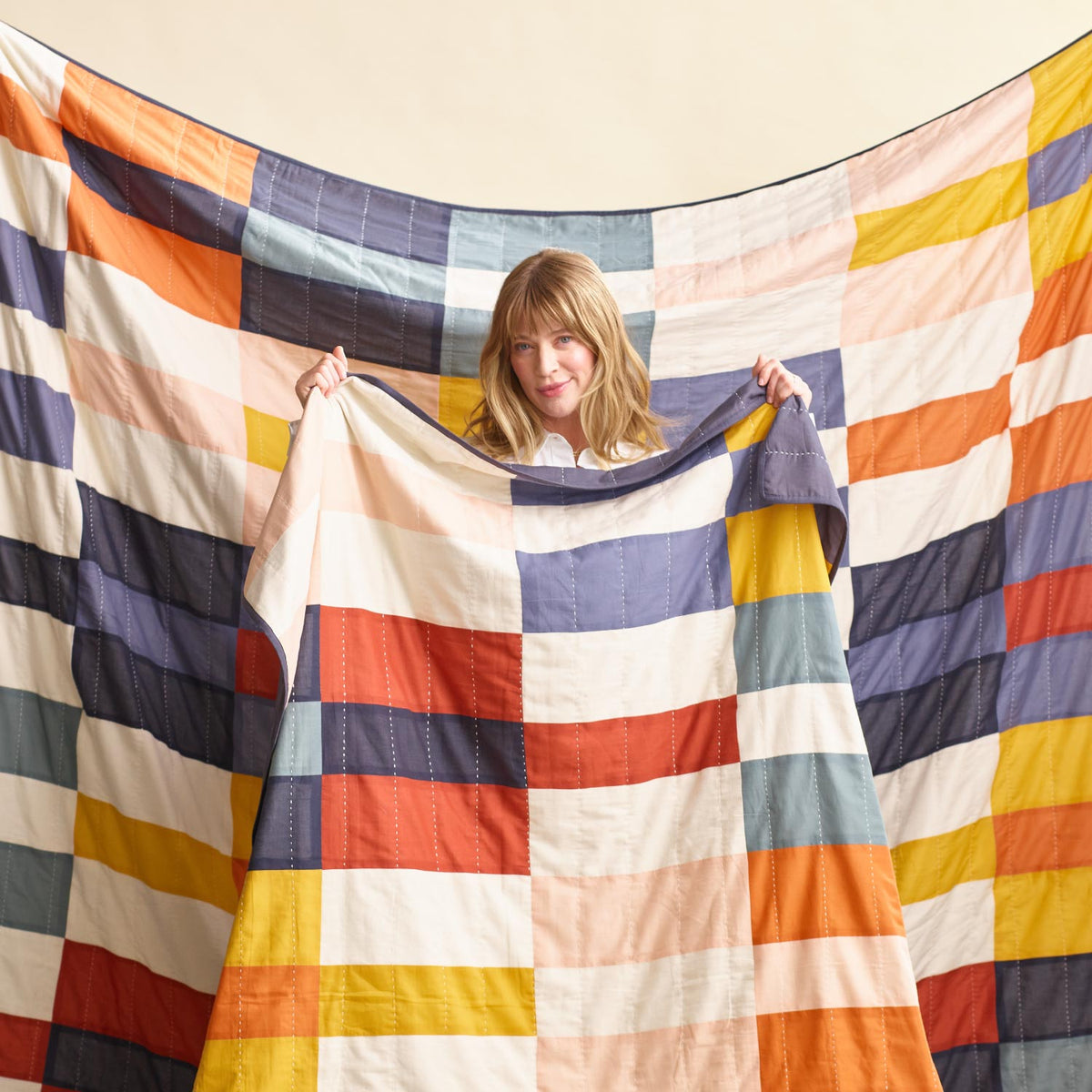
A stunning, artisan-made throw that supports women’s empowerment in India while utilizing 100% plant-based, organic fibers.

A popular, high-volume alternative to plastic pens, made from meadow grass and BPA-free plastic, featuring a safe, non-toxic ink formula.

A fully recyclable, zero-plastic alternative to traditional vinyl binders, designed for lifetime durability and ultimate circularity.

A luxurious, spa-weight robe made from 100% GOTS-certified organic cotton, produced under Fair Trade standards.

The ultimate paper-towel alternative, these OEKO-TEX certified cloths use just water to clean, removing 99% of bacteria and leaving a streak-free finish on all glass surfaces.

Exquisite hand-woven table linens designed in Brooklyn and artisan-made in Ethiopia. This Black-owned brand combines modern aesthetics with traditional Ethiopian weaving techniques.

Authentically hand-woven in Ghana, these baskets provide sustainable income for artisans while utilizing elephant grass—a renewable, natural resource. A versatile and nearly indestructible gift.

A premium selection of ethically sourced, regenerative organic dark chocolate bars that prioritize farmer equity and soil health over industrial shortcuts.
What who gives a crap is rated on
Who Gives A Crap (WGAC) holds a strong B Corp certification and is FSC-certified for its bamboo and recycled paper products. It is also Cruelty-Free and PETA Approved (Vegan), with a strict no-animal-testing policy across all items. The brand’s core differentiator is its 50% profit donation to sanitation nonprofits like Water.org and charity: water, funding toilets in developing regions. WGAC products include toilet paper, paper towels, tissues, and facial tissues, all made from 100% recycled fibers or rapidly renewable bamboo.
How the alternatives were picked
Our independent editors selected alternatives that match WGAC on at least three of these criteria: (1) third-party certification (e.g., B Corp, FSC, or cruelty-free), (2) use of recycled or bamboo materials, (3) plastic-free packaging, (4) charitable giving model, and (5) competitive pricing. We excluded brands with known greenwashing controversies or animal testing violations. Alternatives were sourced from the US, UK, and EU to reduce shipping emissions. Each listed brand must publish a sustainability report or have certifications verified by a reputable body.
What to check on the label
When comparing alternatives, look for FSC or Rainforest Alliance certification on packaging – this ensures bamboo or recycled fiber is sourced responsibly. B Corp status is ideal but not required; at minimum, check for a no-chlorine bleaching process (TCF or PCF) to avoid dioxin pollution. For charity models, verify how much of the profit actually reaches sanitation projects – WGAC sets a high bar at 50%, so look for similar transparency. Lastly, confirm the brand offers plastic-free shipping (compostable mailers or cardboard) if that’s a priority.
How to judge a suggested brand alternative
An alternatives page is a starting shortlist, not proof that one brand is universally better than another. The suggestions come from our catalogue: published products in a similar category with a recorded ethics score. They answer a narrow question — which products we list might fit the same need — and they cannot tell you which option performs best, suits your skin or diet, or matches your budget.
Match the job before the score
Start with what the original product does for you: format, size, scent, skin or dietary requirements and where you buy it. A higher-scoring alternative is not useful if it comes in a format you cannot use or is not sold where you shop. Check the alternative's full record — purpose, ingredients, price and seller — before treating it as a replacement.
Compare evidence, not impressions
Read certifications at their stated scope: a scheme may cover one range, one material or a named entity rather than a whole brand. An animal-free ingredient list and an animal-testing policy are separate questions, and a parent company's record is a third. Where a claim matters to you, confirm it in the scheme's own directory or the manufacturer's current statement rather than relying on a badge alone.
Keep the limits of the comparison visible
Catalogue scores are AI-assisted assessments with documented limitations, not laboratory measurements. A missing score is a data gap, not a failing grade. The original brand's presence here reflects what our records contain, which may omit reformulations, regional differences or newer certifications. For health, safety or recall concerns, use official sources rather than any score.
| Check | Where to confirm it | Avoid assuming |
|---|---|---|
| Does the alternative do the same job? | Its full product record and the maker's current description | A similar category means a like-for-like replacement |
| Is a claimed certification current? | The certification scheme's official directory | A badge covers the whole brand or group |
| Is it actually available to you? | The retailer's current listing, price and delivery | A catalogue price tier is a live quote |
Frequently asked about who gives a crap alternatives
Do any alternatives to Who Gives A Crap also donate 50% of profits to toilets?+
Most competing brands donate a smaller percentage (e.g., 10–20%) or a fixed per-roll amount. A few, like Bumboo (UK) and No 2 (US), donate around 5–10% to sanitation. No widely-available direct competitor matches the full 50% model.
Are alternative brands also B Corp certified?+
Yes. For example, 'Reel' (US) and 'The Cheeky Panda' (UK) are both B Corp certified, use bamboo, and are plastic-free. Neither donates to sanitation projects, but both meet WGAC’s environmental and cruelty-free standards.
Can I find alternatives with lower shipping carbon footprint for US customers?+
Yes. US-based brands like 'Cloud Paper' and 'Tushy' offer similar bamboo/recycled products with domestic production or warehousing, reducing shipping miles. Both are plastic-free and FSC-certified.
Do any alternatives avoid plastic entirely in their packaging?+
Yes. 'The Cheeky Panda' uses plastic-free cardboard boxes and paper wraps. 'Reel' ships in 100% plastic-free boxes with no tape or shrink wrap. Always check the brand’s shipping policy, as some use compostable-but-plastic lining.