How we picked
Our selection process for the 2026 budget nutrition guide focuses on transparency, certification density, and price-to-volume ratios.
- Verified Ethics: Every product must score above 95/100 on our internal ethical audit.
- Certification Stack: We prioritize products with at least three major certs (e.g., USDA Organic, ROC, Fair Trade).
- Price Ceiling: Every item or bundle must be retail-priced under $50.
- Nutrient Density: We favor foods that provide high satiety and caloric value per dollar spent.
- Accessibility: Items must be readily available via major circular or sustainable retailers.
At a glance
| Product | Key Benefit | Price Tier | Link |
|---|---|---|---|
| Dr. Bronner's Toasted Oats | ROC Grains | $ | View Product |
| Pachamama Honduras Coffee | Farmer-Owned | $$ | View Product |
| White Leaf Veggie Pouches | Biodynamic | $$$ | View Product |
| Dr. Bronner’s Coconut Oil | Multi-Purpose Fat | $$ | View Product |
1. Dr. Bronner's Regenerative Organic Toasted Whole Grain Oats

Dr. Bronner’s expanded beyond soap to revolutionize the pantry. These oats aren't just organic; they are Regenerative Organic Certified, meaning they help pull carbon out of the atmosphere and back into the soil. At an affordable price point, they are the ultimate budget staple for 2026.
- ✅ Highest possible regenerative certification (ROC).
- ✅ Toasted flavor profile reduces the need for added sweeteners.
- ✅ 1% for the Planet member, ensuring environmental reinvestment.
- ⚠️ Texture is firmer than standard rolled oats; may require longer soaking.
- ⚠️ Frequently out of stock due to high demand.
2. Pachamama Organic Ethically Sourced Coffee (Honduras)
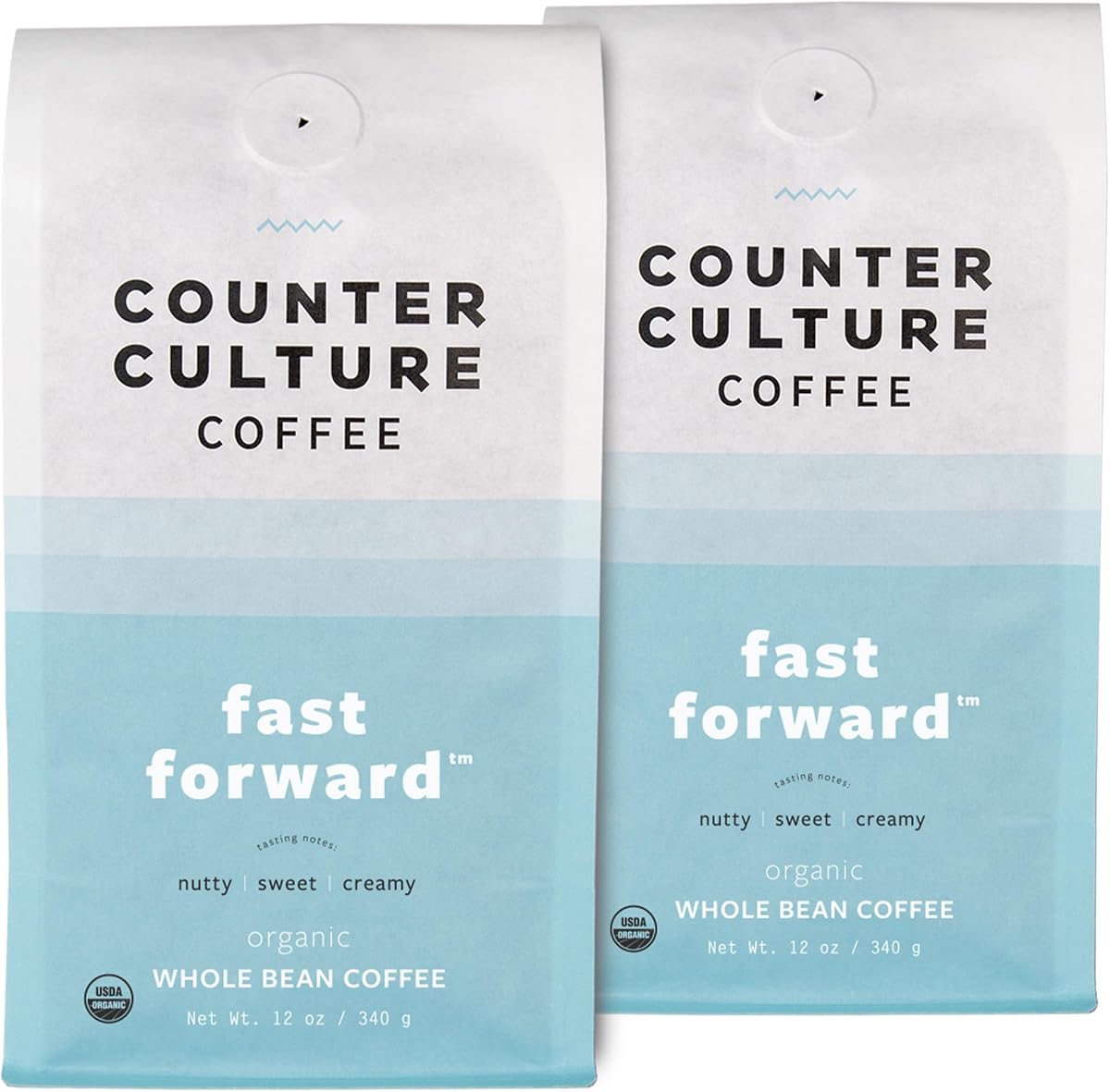
For under $50, you can secure multiple bags of the most ethical coffee on the market. Pachamama is unique because it is entirely owned by the farmers themselves. This Honduras Medium Roast offers a balanced, chocolatey profile that rivals luxury boutique brands at a fraction of the cost.
- ⚖️ Direct-to-consumer model means more profit stays with the farmers.
- 🌱 B Corp and Regenerative Organic certifications.
- ☕ Exceptional quality-to-price ratio for daily drinkers.
- ⚠️ Medium roast may be too mild for dark roast enthusiasts.
- 📦 Shipping costs can eat into savings if not bought in small bundles.
Budget Tip: The 'Base-Layer' Grocery Strategy
To maximize a $50 budget, prioritize 'base-layer' foods like coconut oil and oats. These items have a high caloric density and long shelf life, allowing you to spend the remainder of your budget on fresh, seasonal produce.
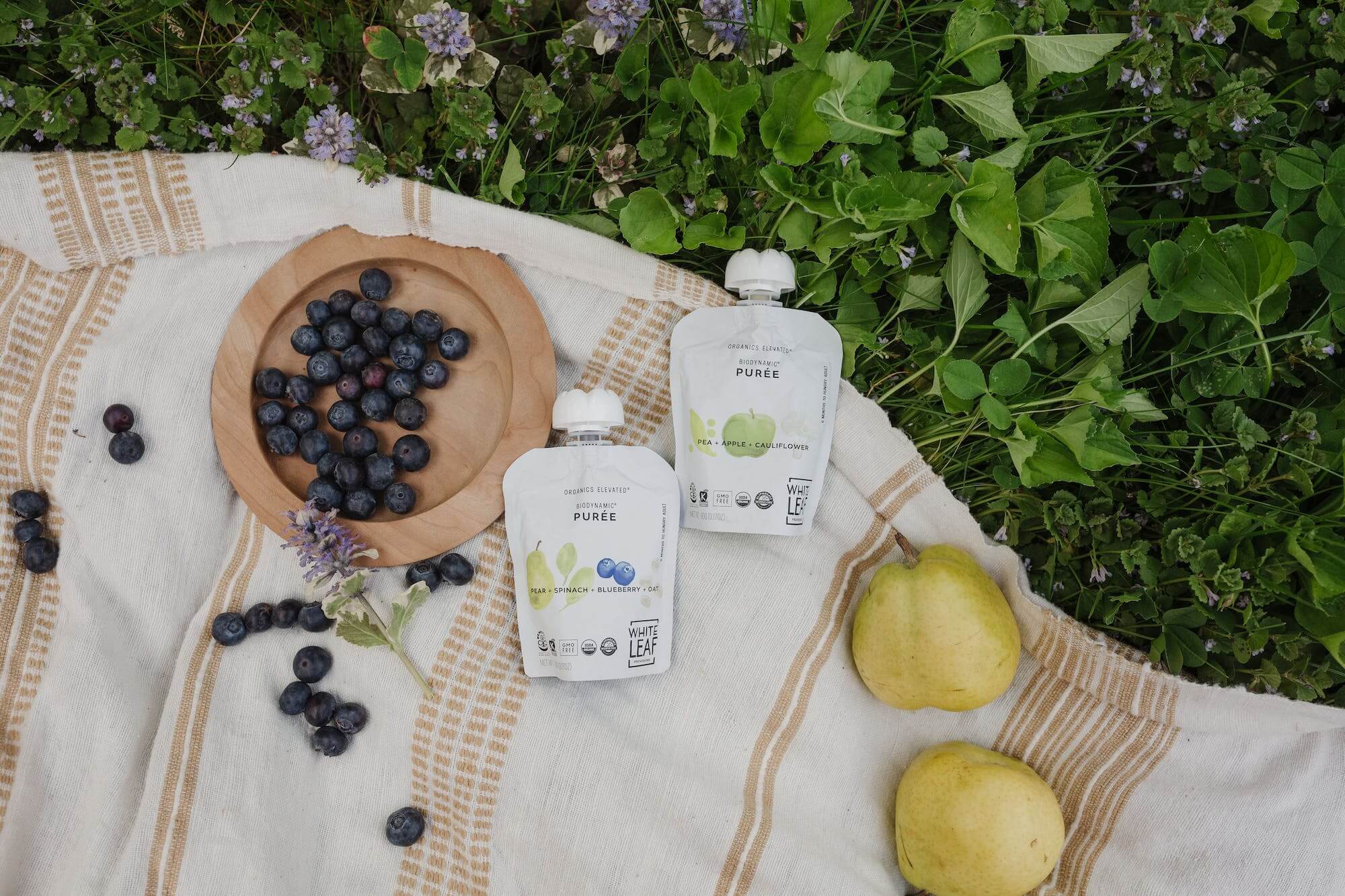
3. White Leaf Provisions Biodynamic Veggie & Grain Variety Pack
Clean eating for infants and toddlers is notoriously expensive, but this 24-pack variety bundle stays under the $50 mark while offering Demeter-certified biodynamic quality. It is glyphosate-residue free, providing peace of mind that standard organic labels sometimes miss.
- ♻️ Regenerative farming practices that go beyond organic standards.
- ✅ Rigorously tested for heavy metals and glyphosate.
- 📦 Convenient, travel-friendly packaging for busy parents.
- 💰 Higher price-per-ounce compared to home-pureed food.
- ♻️ Pouches are harder to recycle than glass jars.
4. Dr. Bronner’s Whole Kernel Virgin Coconut Oil

A staple of the minimalist, budget-conscious kitchen. Because it is 'whole kernel,' it retains more of the natural antioxidants. It serves as a cooking oil, a butter substitute, and even a topical moisturizer, making its $20-$30 price point incredibly high-value.
- 🔥 High smoke point suitable for various cooking methods.
- 🐇 Leaping Bunny certified (cruelty-free).
- 💰 Multi-purpose use reduces the need for separate beauty products.
- ⚠️ Strong coconut aroma may not suit all savory dishes.
- ⚠️ Glass jar is heavy for shipping and requires careful handling.
How to choose
- 💰 Analyze Price Per Serving: Don't look at the total price; look at the cost per meal or cup. Regenerative oats often cost less than 50 cents per serving.
- ⚖️ Check Ownership Models: Brands like Pachamama that are farmer-owned usually offer better quality for the price because they aren't paying for massive corporate overhead.
- 🌱 Look for 'Whole Kernel' or 'Whole Grain': These terms often indicate less processing, meaning you get more micronutrients for the same dollar amount.
- 📦 Buy the Bundle: Variety packs (like those from White Leaf) often reduce the individual unit price by 15-20% compared to single purchases.
FAQ
Yes. While USDA Organic focuses on what *isn't* in the food (like synthetic pesticides), Regenerative Organic Certified (ROC) focuses on what *is* being done for the land, specifically soil health, animal welfare, and social fairness for farmers.
By building your diet around staples like ROC oats, ethically sourced oils, and legumes, you can significantly lower your costs while maintaining high nutritional standards. The key is avoiding ultra-processed 'healthy' snacks.
When you buy from a cooperative, the farmers control the supply chain. This results in a higher-quality bean reaching you without the 300% markup typically added by luxury third-party roasters.
Biodynamic farming treats the farm as a living organism. For the consumer, this often results in higher nutrient density and a total absence of synthetic residues, which is critical for infant nutrition.
Final verdict
Sticking to a budget under $50 in 2026 doesn't mean sacrificing your ethics. By pivoting away from name-brand processed foods and toward Regenerative Organic staples, you can build a pantry that is both climate-positive and wallet-friendly. If you only pick two, go with Dr. Bronner’s Whole Kernel Coconut Oil for its versatility and Pachamama Coffee for its unmatched farmer-equity model. These aren't just groceries; they are investments in a more resilient food system that pays dividends in both health and sustainability.