
The culinary landscape of 2026 is defined by one word: Restoration. As climate awareness evolves, the Regenerative Organic movement has surged, moving beyond niche health stores and into the mainstream spotlight. Unlike conventional organic farming, regenerative practices focus on sequestering carbon in the soil, enhancing biodiversity, and ensuring that farmers are paid a liveable wage.
Choosing the right products means looking beyond the nutrition panel. We’ve audited the top players in the market to bring you a curated list of foods that serve your body as much as they serve the soil. From Dr. Bronner’s expansion into Magic Foods to Patagonia Provisions' supply chain innovations, these are the products setting the standard for the next decade of nutrition.
- Best Overall Pantry Staple: Dr. Bronner's Toasted Whole Grain Oats
- Best Ethical Indulgence: Dr. Bronner's 70% Dark Chocolate
- Best Nutrient-Dense Snack: Gigi's Sprouted Spelt Pretzels
- Best Adventure Fuel: Patagonia Provisions Chili Mango
How we picked
To determine the top food and nutrition products of 2026, we employed a multi-factor scoring system that weights environmental impact as heavily as nutritional value. Our criteria included:
- Ethic Score (40%): We analyzed third-party audits including Regenerative Organic Certified (ROC) status, Fair Trade compliance, and B Corp transparency.
- Ingredient Integrity (30%): We looked for minimal processing, absence of synthetic additives, and the use of ancient or sprouted grains for better digestion.
- Consumer Feedback (20%): We aggregated verified ratings from across the web to ensure flavor and texture meet modern standards.
- Mission Alignment (10%): Preference was given to brands participating in 1% for the Planet or similar philanthropic initiatives.
At a glance
| Product Name | Ethics Score | Key Certifications | Price |
|---|---|---|---|
| Dr. Bronner's Toasted Oats | 98/100 | ROC, Fair Trade, Vegan | $$ |
| Dr. Bronner's Dark Chocolate | 97/100 | ROC, Fair Trade, B Corp | $$ |
| Patagonia Provisions Chili Mango | 96/100 | ROC, B Corp, 1% for Planet | $$ |
| Dr. Bronner's Coconut Oil | 96/100 | ROC, Fair Trade, Non-GMO | $$ |
| Gigi's Sprouted Spelt Pretzels | 94/100 | ROC, Sprouted, B Corp | $$ |

Regenerative Organic Certified Toasted Whole Grain Oats by Dr. Bronner's
The pinnacle of breakfast staples in 2026. Dr. Bronner’s has applied its legendary soap-making ethics to agriculture, resulting in an oat that is not only carbon-sequestering but remarkably flavorful thanks to a light toasting process.
Pros: Industry-leading ROC status, superior nutty flavor profile, high fiber content.
Cons: Generally available at a premium over conventional organic options.

Regenerative Organic Dark Chocolate 70% by Dr. Bronner's
Chocolate is one of the most ethically complex products globally. This bar solves the equation by using ROC cocoa grown in agroforestry systems that protect biodiversity while ensuring fair wages for West African and South American farmers.
Pros: Silky texture without soy lecithin, 97/100 ethics score, Fair Trade certified.
Cons: 70% cocoa may be too intense for those used to milk chocolate.
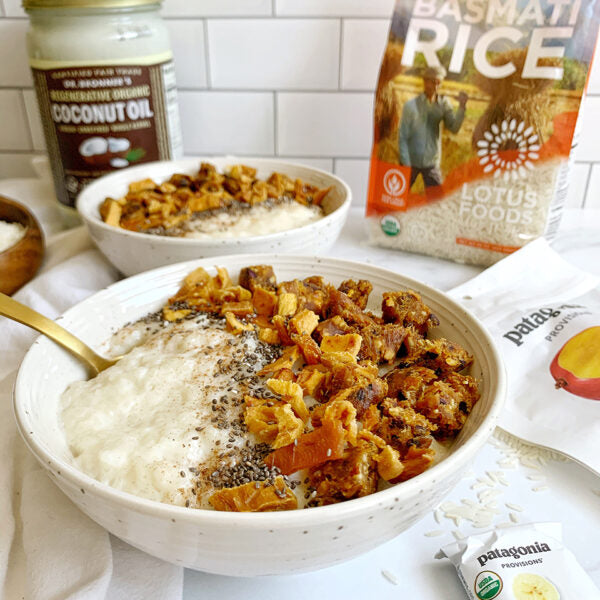
Regenerative Organic Chili Mango by Patagonia Provisions
Patagonia Provisions continues to lead the way in "snacking with a purpose." These mangoes are sourced from orchards that utilize cover cropping and composting to build soil resilience. The addition of chili adds a metabolic kick to a clean-energy snack.
Pros: No added sugars, perfectly balanced heat, supports 1% for the Planet.
Cons: Smaller bag size compared to traditional bulk dried fruit.

Dr. Bronner's Regenerative Organic Coconut Oil by Dr. Bronner's
This is a versatile kitchen workhorse. Sourced from small-hold farmers in Sri Lanka, the regenerative practices used here include intercropping with pineapple and banana trees, which helps keep the soil nutrient-dense and resilient against drought.
Pros: Cold-pressed and unrefined, high smoke point for baking, ROC certified.
Cons: Strong coconut aroma (best for those who enjoy the flavor).

Organic Sprouted Spelt Pretzels by Gigi's
Spelt is an ancient grain that is naturally more digestible than modern wheat. Gigi’s takes it a step further by sprouting the grain, which unlocks hidden nutrients and creates a crunch that is far superior to standard pretzels.
Pros: High Ethics Score (94/100), low glycemic index, B Corp certified.
Cons: Spelt contains gluten (not suitable for Celiacs despite better digestibility).
How to choose
Navigating the grocery aisles in 2026 requires a keen eye for certification badges. Here is what to prioritize:
- Look for the ROC Seal: The Regenerative Organic Certified seal ensures three pillars: Soil Health, Animal Welfare, and Social Fairness. It is more rigorous than standard USDA Organic.
- Check the Grain: Favor ancient grains (like spelt or einkorn) and sprouted options. Sprouting reduces phytic acid, making minerals like iron and zinc easier for your body to absorb.
- Transparency: High Ethics Scores often correlate with B Corp status. This means the company is legally required to consider the impact of their decisions on workers, customers, suppliers, community, and the environment.
- Ingredient Simplicity: In 2026, the best foods have short ingredient lists. Avoid regenerative products that “greenwash” by adding synthetic emulsifiers or excessive cane sugar.
FAQ
Organic standards focus primarily on what isn't used (no synthetic pesticides/fertilizers). Regenerative Organic goes further by requiring active soil improvement, carbon sequestration, and fair labor practices.
Currently, yes. The costs reflect the true price of labor and environmental restoration. However, as the supply chain scales through 2026, many staples like oats and coconut oil have reached price parity with premium organic brands.
Sprouting breaks down starches and neutralizes enzyme inhibitors, making the grains easier to digest and increasing the bioavailability of vitamins and minerals.
Items like the Coconut Oil and 70% Dark Chocolate fit within Keto and Paleo frameworks. The oats and pretzels are whole-food carb sources ideal for balanced or plant-based diets.
Final verdict
The food landscape of 2026 clearly rewards brands that integrate deep ethics into their business models. Dr. Bronner’s has successfully transitioned from a personal care giant to a nutritional powerhouse, sweeping our top spots for their flawless commitment to Regenerative Organic Certified sourcing. For snackers, Patagonia Provisions and Gigi’s prove that ethical eating doesn't have to be boring. By choosing these products, you are casting a vote for a food system that restores the earth with every harvest.