Is L'Oréal Paris ethical?
Mixed recordMixed — L'Oréal Paris scores 58/100. There are verified positives, but the transparency and certification record is thin.
L'Oréal Paris is a global mass-market cosmetics brand under L'Oréal S.A., with ethical strengths in sustainability targets and a certified cruelty-free status for specific product lines, though it sells in China where animal testing is legally mandated for imported cosmetics, creating an ongoing ethical tension.
| Check | Status | Evidence |
|---|---|---|
| Cruelty-free | verified | No animal testing except where required by law, e.g., mainland China for imported products. |
| Vegan options | unverified | Limited vegan products available but no brand-wide vegan certification. |
| Sells in mainland China | flagged | Selling through mainland Chinese retail has historically triggered post-market animal testing. |
| Third-party certified | unverified | We record 1 distinct certification across this brand's products. |
| Certifications | on file | Cruelty-Free |
Scored with our public methodology. Profile last updated 2026-09-19.
L'Oréal Paris at a glance
L'Oréal Paris offers 1 product on EthiCompare across Beauty & Personal Care, with an average ethics score of 58/10 and recurring certifications including Cruelty-Free.
Is L'Oréal Paris ethical and cruelty-free? Read the verdict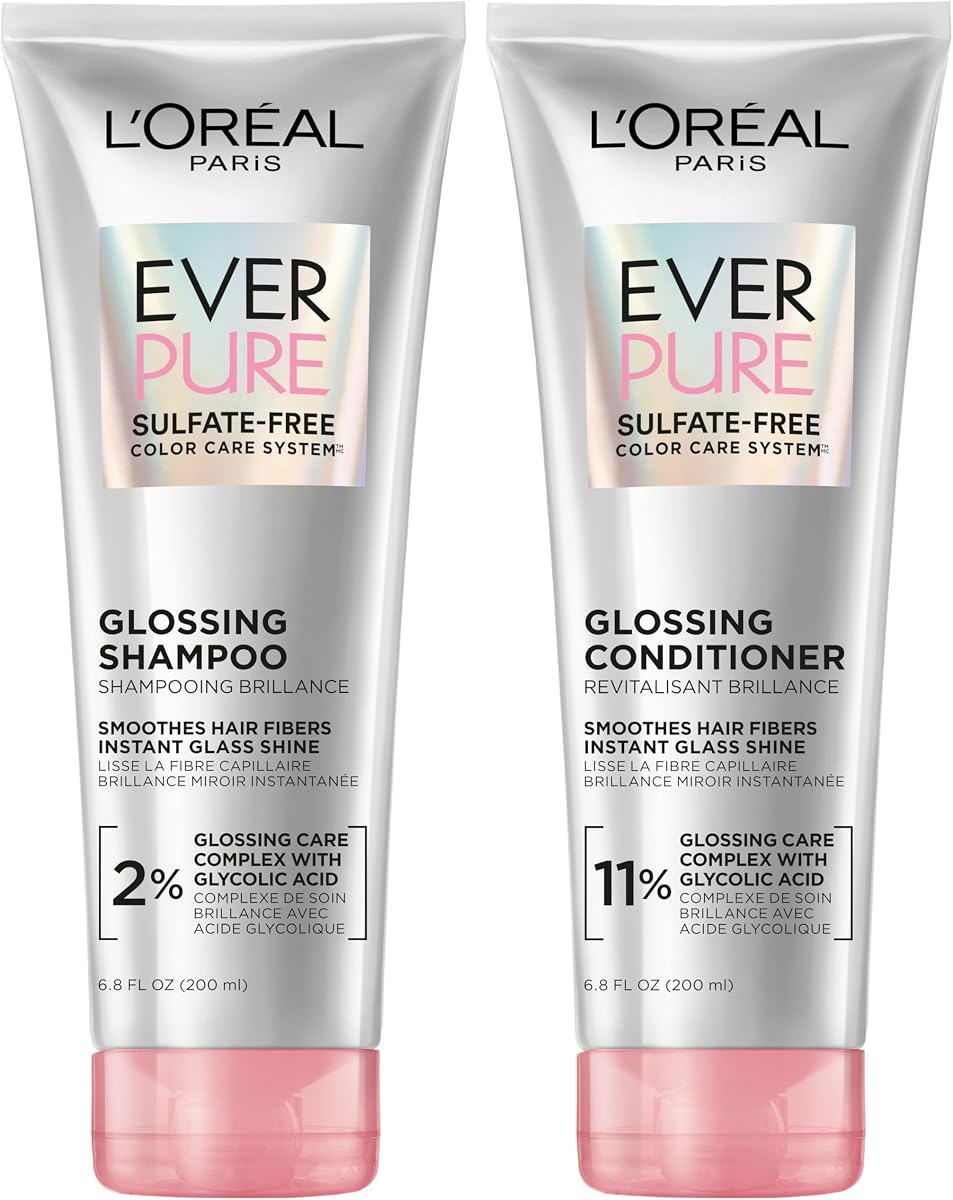
L'Oréal Paris ethics profile
Updated 9/19/2026Overview
L'Oréal Paris, founded in 1909 and headquartered in Clichy, France, is the flagship mass-market brand of L'Oréal S.A., the world's largest cosmetics company. The brand offers hair color, skincare, makeup, and haircare products, distributed in over 130 countries. With a long history of scientific innovation, L'Oréal Paris positions itself as a leader in inclusive beauty and sustainability. However, its ethical profile is nuanced: while it has made notable progress on environmental goals and some cruelty-free certifications, its parent company continues to sell in China, where post-market animal testing is mandatory for imported cosmetics, which conflicts with the Leaping Bunny certification held by some of its products in other regions. The brand's labor practices and sourcing commitments are improving but face ongoing scrutiny in complex global supply chains.
Certifications
L'Oréal Paris has obtained several key third-party certifications. Many of its products are Leaping Bunny certified by Cruelty Free International, indicating no new animal testing is conducted for those products outside of regulatory requirements. The parent company, L'Oréal S.A., has achieved Carbon Trust certification for reducing its carbon footprint and holds ISO 14001 certification for environmental management at multiple production sites. L'Oréal S.A. also participates in the UN Global Compact, aligning with human rights, labor, environment, and anti-corruption principles. However, the brand does not have a general vegan certification and is not fully certified as cruelty-free globally due to its China sales.
Animal Testing & Vegan Range
L'Oréal Paris states it has not conducted animal testing on its products since 1989, except where required by law—notably in mainland China, where imported cosmetics must undergo mandatory animal testing. The brand has faced criticism for this exception. In response, L'Oréal S.A. has invested in alternative non-animal testing methods and works with authorities to advance regulatory change. For consumers, the company provides a ‘Choose Cruelty-Free’ database on its website, listing products that are certified cruelty-free in regions outside China. L'Oréal Paris offers a limited vegan range, with some products labeled as vegan on packaging and online, but no comprehensive brand-wide vegan certification exists.
Sustainability Pledges
L'Oréal S.A.'s 'L'Oréal for the Future' program sets ambitious targets: by 2030, 100% of its plastic packaging will be either recycled, bio-based, or refillable; all industrial sites will be carbon-neutral; and water consumption will be reduced by 25% per finished product unit. L'Oréal Paris specifically has introduced eco-designed packaging, including recycled PET bottles and cardboard packaging from certified sustainable forestry. The brand has also committed to reducing its carbon footprint by 50% per product by 2030 compared to 2016 benchmarks. L'Oréal S.A. has invested over €150 million in green chemistry and environmental innovation funds.
Sourcing & Labor
L'Oréal S.A. publishes an annual Human Rights Report and has a Supplier Code of Conduct requiring compliance with labor laws, including prohibitions on child labor and forced labor. The company participates in the Responsible Mica Initiative to combat child labor in mica mining, primarily in India and Madagascar. L'Oréal Paris sources key natural ingredients like shea butter and argan oil from fair trade partnerships supporting women-led cooperatives in West Africa and Morocco. However, independent auditors have noted that labor rights risks remain in lower-tier supply chains, particularly for palm oil derivatives and fragrance ingredients. The brand lacks full supply-chain transparency for all components.
Controversies Context
No major controversies are currently on record specifically for L'Oréal Paris. Historically, the parent company faced criticism in the early 2000s over skin-lightening product marketing, but L'Oréal Paris has since removed such products from its line. The most persistent issue is the animal testing conflict with China, which has led to ongoing consumer debates. Some activists also point to the company's use of synthetic chemicals like parabens and microplastics, though the brand has pledged to phase out certain controversial ingredients by 2025.
Bottom Line
L'Oréal Paris is a brand with strong formal commitments to sustainability and animal welfare, reflected in certifications like Leaping Bunny and ambitious climate targets. However, the ethical consumer must weigh these positives against the brand's continued presence in China, which effectively compromises its no-animal-testing stance. For those prioritizing cruelty-free and vegan products above all, L'Oréal Paris may not be a clear choice globally. For those valuing corporate sustainability scale and recognized certifications, many L'Oréal Paris products offer a relatively ethical option within the mass-market segment. We recommend checking individual product certifications and the brand's own 'Choose Cruelty-Free' tool before purchase.
Certifications
Sustainability pledges
100% plastic packaging to be recycled, bio-based, or refillable by 2030, and 50% carbon reduction per product by 2030.
Animal testing policy
No animal testing except where required by law, e.g., mainland China for imported products.
Vegan range
Limited vegan products available but no brand-wide vegan certification.
Sold in mainland China
Yes — post-market animal testing may apply under local law.
Standards & certifications
Verified credentials appearing across L'Oréal Paris's product range.
Ethics breakdown
Average scores across our scoring pillars.
- Transparency60/10
- Environment55/10
- Sourcing50/10
- Labor45/10
- Animal Welfare40/10
Categories covered
Where L'Oréal Paris shows up across our directory.
- Beauty & Personal Care1
What reviewers highlight
Strengths mentioned most often across L'Oréal Paris's products.
- ✓Very affordable bond repair option
- ✓Sulfate-free and color-safe
- ✓Gentle enough for daily use
- ✓Pleasant, clean scent
Sustainability commitments
"Bottle with 20% PCR plastic, fully recyclable. Brand has limited third-party certifications; parent company accused of greenwashing by some NGOs."
Products from L'Oréal Paris
An affordable, sulfate-free bond repair shampoo for color-treated and damaged hair, but parent company faces animal testing controversies.
Common questions about L'Oréal Paris
Is L'Oréal Paris cruelty-free?+
Cruelty-free credentials appear on part of L'Oréal Paris's range in our data. Check the certification badges on each product page — coverage is rarely brand-wide.
How does L'Oréal Paris score overall?+
L'Oréal Paris averages 58/100 across the 1 products we have scored, using public certifications, sourcing disclosures and controversy records.
Who owns L'Oréal Paris?+
Parent-company ownership changes what your money supports. See our brand ownership map for the current group structure and any conflicting parent-company records.
What are the best alternatives to L'Oréal Paris?+
Our alternatives page ranks comparable products by ethics score with a side-by-side difference table, so you can see exactly which pillar improves.