The Better World Shopping Guide vs Braiding Sweetgrass
Compare two ethically certified books: a practical guide to conscious consumerism (B Corp, FSC) and an Indigenous wisdom classic (Climate Neutral, FSC). Which wins for your shelf?
New Society Publishers
The Better World Shopping Guide
94/100 ethics
$ · 2 certifications
View The Better World Shopping Guide →Ethics breakdown
| Dimension | The Better World Shopping Guide | Braiding Sweetgrass | Δ |
|---|---|---|---|
| Sourcing | 98 | 98 | 0 |
| Labor | 92 | 95 | -3 |
| Environment | 97 | 90 | +7 |
| Animal welfare | 90 | 100 | -10 |
| Transparency | 95 | 95 | 0 |
| Overall ethics | 94 | 94 | 0 |
Why it wins
Both products share an identical ethics score of 94/100 and the same budget-friendly price. The decision depends on whether you need a practical consumer guide (A) or a soulful nature book (B), making neither objectively superior.
Overview
Both products tie at an ethics score of 94/100 and share a budget-friendly price point. Product A is "New Society Publishers The Better World Shopping Guide" — a practical, research-driven handbook that rates thousands of brands on social and environmental impact. Product B is "Milkweed Editions Braiding Sweetgrass" — a lyrical blend of Indigenous knowledge, botany, and personal essays that reconnects readers with nature. Each is certified by the Forest Stewardship Council (FSC) for responsible paper sourcing, but they diverge in other certifications: Product A adds B Corp status (verified overall social/environmental performance), while Product B is Climate Neutral (offsetting its carbon footprint).Ethics diff
The difference lies in purpose and certification diversity. Product A's B Corp certification ensures the publisher meets rigorous standards of transparency and accountability across governance, workers, community, and environment — ideal for those who prioritize corporate ethics. Product B's Climate Neutral certification directly addresses carbon footprint, aligning with its nature-centric themes. Both achieve the same high ethical score, but Product A leans into organizational ethics, while Product B emphasizes ecological advocacy through both content and production.Everyday use
Product A is a utilitarian resource — you’ll dog-ear pages, consult it before shopping, and reference it repeatedly. Product B is a slow read best savored in quiet moments, offering meditative essays that shift how you see the natural world. For daily decision-making, Product A wins; for weekly inspiration, Product B prevails.Value
Both are priced affordably ($), but value differs: Product A pays dividends each time you use its brand ratings to make an ethical purchase. Product B offers emotional and intellectual returns that deepen over time through rereading and reflection. At the same price point, you’re choosing between immediate practical utility and enduring wisdom.Bottom line
For ethical shoppers seeking action-oriented tools to navigate consumer choices, Product A is the clear winner. For those craving a transformative, nature-connected reading experience that inspires ethical living from the inside out, Product B excels. Given the identical ethics score and price, this is a tie — pick the one that fits your need today.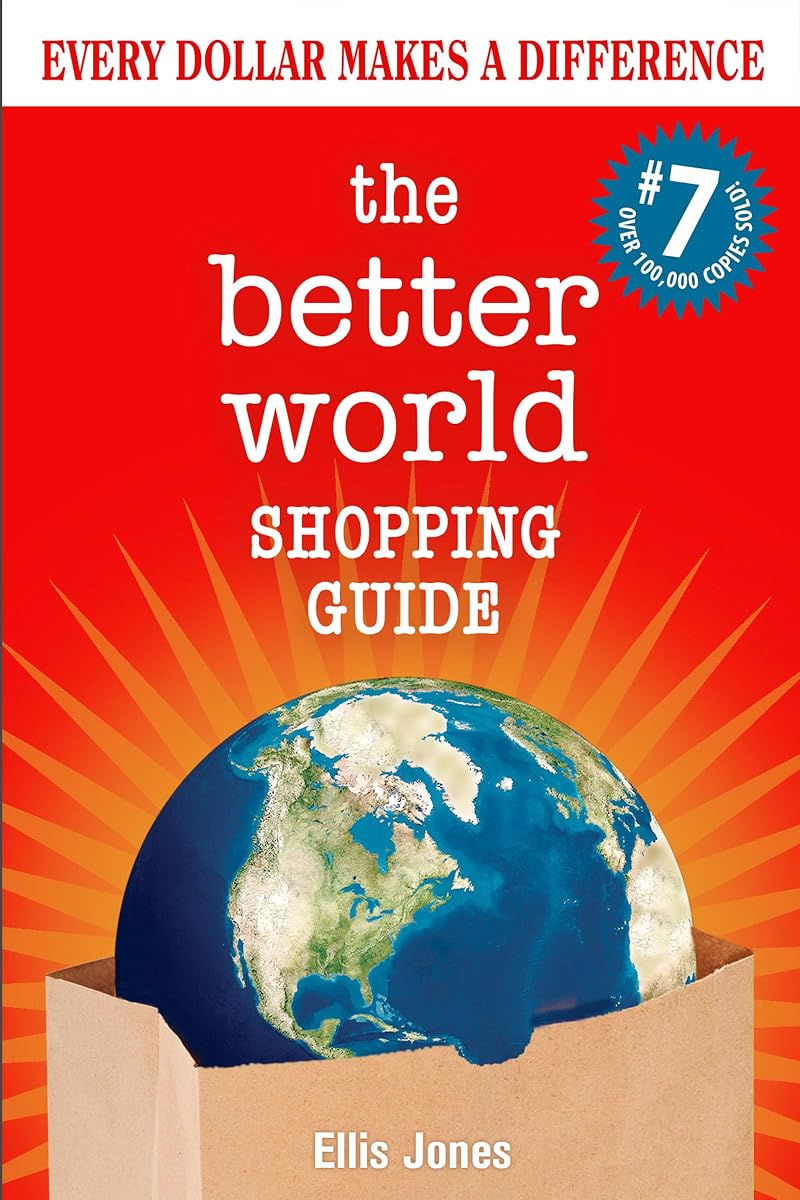
A quintessential guide for the conscious consumer, published by a dedicated B Corp using 100% post-consumer recycled paper and vegetable-based inks.

Robin Wall Kimmerer's essential text on Indigenous wisdom and plants, published by a non-profit press dedicated to transformative literature.
Not sold on either? Browse ethical alternatives
Each hub ranks the highest-scoring swaps in the same categories, on the same rubric.