The Kind News Magazine Annual Subscription vs Braiding Sweetgrass
Compare The Humane Society's Kind News subscription and Milkweed Editions' Braiding Sweetgrass. Both score 94/100 ethics but differ in certifications and use.
The Humane Society of the United States
The Kind News Magazine Annual Subscription
94/100 ethics
$ · 2 certifications
View The Kind News Magazine Annual Subscription →Ethics breakdown
| Dimension | The Kind News Magazine Annual Subscription | Braiding Sweetgrass | Δ |
|---|---|---|---|
| Sourcing | 95 | 98 | -3 |
| Labor | 90 | 95 | -5 |
| Environment | 92 | 90 | +2 |
| Animal welfare | 100 | 100 | 0 |
| Transparency | 95 | 95 | 0 |
| Overall ethics | 94 | 94 | 0 |
Why it wins
Both products achieve identical ethics scores of 94/100, same price point, and FSC Certification, with different but equally valid non-overlapping certifications (PETA Approved vs. Climate Neutral). Their distinct target audiences and use cases make a direct comparison unsuitable for declaring a single winner.
Overview
Product A is The Humane Society of the United States The Kind News Magazine Annual Subscription, a monthly publication designed for children (grades K-6) that promotes kindness to animals, environmental stewardship, and empathy. Product B is Milkweed Editions Braiding Sweetgrass, a book by Robin Wall Kimmerer that blends Indigenous wisdom, scientific knowledge, and botanical teachings. Both products hold an ethics score of 94/100 and are priced identically at a single dollar sign ($), indicating low cost relative to market alternatives.
Ethics diff
Both products share high ethical standards, but their certifications highlight different priorities. Product A (Kind News) is FSC Certified (ensuring sustainably sourced paper) and PETA Approved (verifying no animal testing or cruelty). This aligns with its mission of animal welfare education. Product B (Braiding Sweetgrass) is also FSC Certified and additionally Climate Neutral Certified, meaning the publisher offsets its full carbon footprint. While neither product is inherently more ethical—both score identically—the certifications reflect distinct focus areas: animal welfare vs. climate action.
Everyday use
Product A is a recurring subscription (monthly issues) aimed at children, making it ideal for families, classrooms, or libraries seeking ongoing ethical education. Each issue includes activity pages, stories, and humane tips. Product B is a standalone book (360+ pages) best suited for individual reading or book clubs. It offers a deep, reflective narrative that appeals to adults interested in environmental philosophy, botany, or Native American perspectives. The frequency and audience differ significantly: one is ephemeral and group-oriented, the other is permanent and personal.
Value
Both products are priced at $, suggesting excellent value for their ethical quality. For the same upfront cost, Kind News delivers year-long engagement with 10 issues per year, fostering ongoing learning. Braiding Sweetgrass provides a one-time, enriching experience that many readers revisit. Considering the subscription’s recurring content versus the book’s timeless nature, value depends on need: Kind News offers longer-term interactive value for children, while Braiding Sweetgrass provides compact, profound depth for adults.
Bottom line
Both products are equally ethical (94/100) and affordable. However, their use cases diverge: Kind News is best for fostering compassionate habits in young audiences through repeated content, while Braiding Sweetgrass is a transformative read for individual enlightenment. Choose based on whether you need a teaching tool or a personal journey.
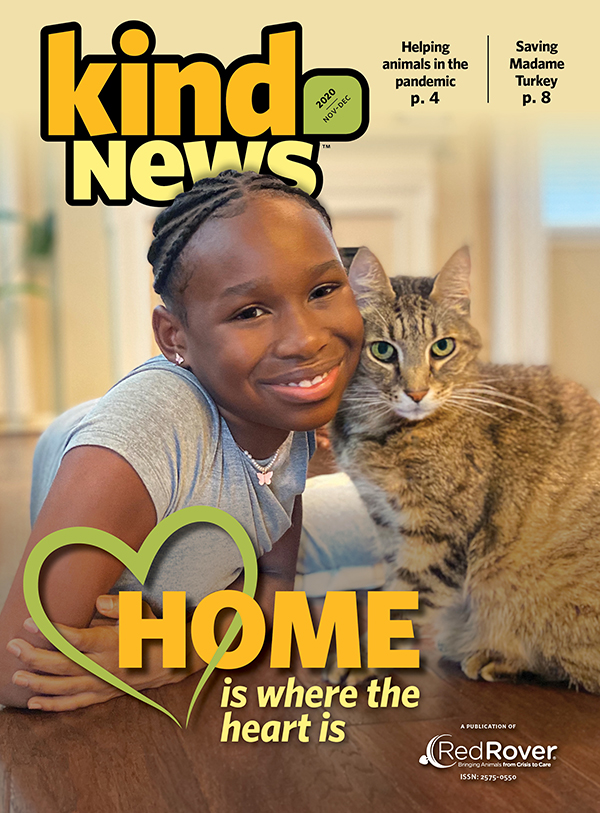
An educational publication designed to foster empathy, kindness, and respect for animals and the environment in children.

Robin Wall Kimmerer's essential text on Indigenous wisdom and plants, published by a non-profit press dedicated to transformative literature.
Not sold on either? Browse ethical alternatives
Each hub ranks the highest-scoring swaps in the same categories, on the same rubric.