Ethical Alternatives to 100 Grand
100 Grand is a chewy caramel-and-crisp chocolate bar owned by Ferrero under its Fannie May Confections subsidiary. The brand carries no third-party ethical certifications and provides limited public information on labor sourcing, animal testing, or vegan suitability.
Categories compared: Food & Nutrition
Why shoppers look for alternatives to 100 Grand
- 100 Grand lacks any Fair Trade, Rainforest Alliance, or organic certifications, making it difficult to verify ethical sourcing.
- Ferrero’s animal testing policy only covers finished products where legally required, with no specific policy for 100 Grand ingredients or supply chain.
- The brand does not offer a vegan option; ingredients include milk and butter, and no dedicated vegan versions exist.
- Labor sourcing transparency is absent; Ferrero has not published supplier audits or worker rights commitments specific to 100 Grand.
Top-scoring alternatives to 100 Grand

A gold-standard example of regenerative agriculture, these oats go beyond organic by actively restoring soil health and ensuring fair wages for farmers in a vertically integrated supply chain.

The gold standard for ethical food production, this coconut oil uses regenerative organic practices and fair trade labor to set a benchmark for corporate responsibility.
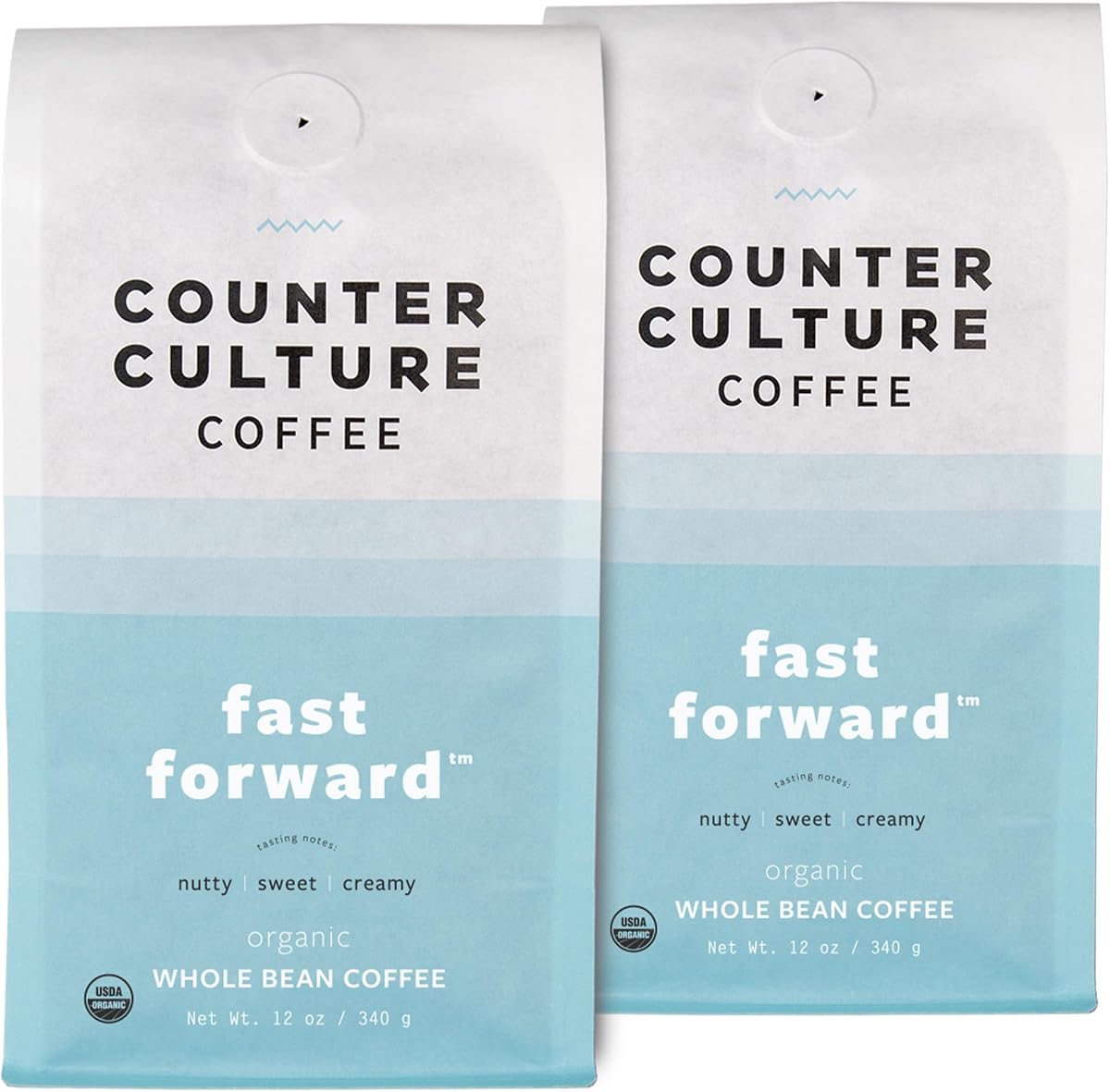
A 100% farmer-owned coffee cooperative that bypasses traditional middlemen to ensure maximum profits return to the growers.
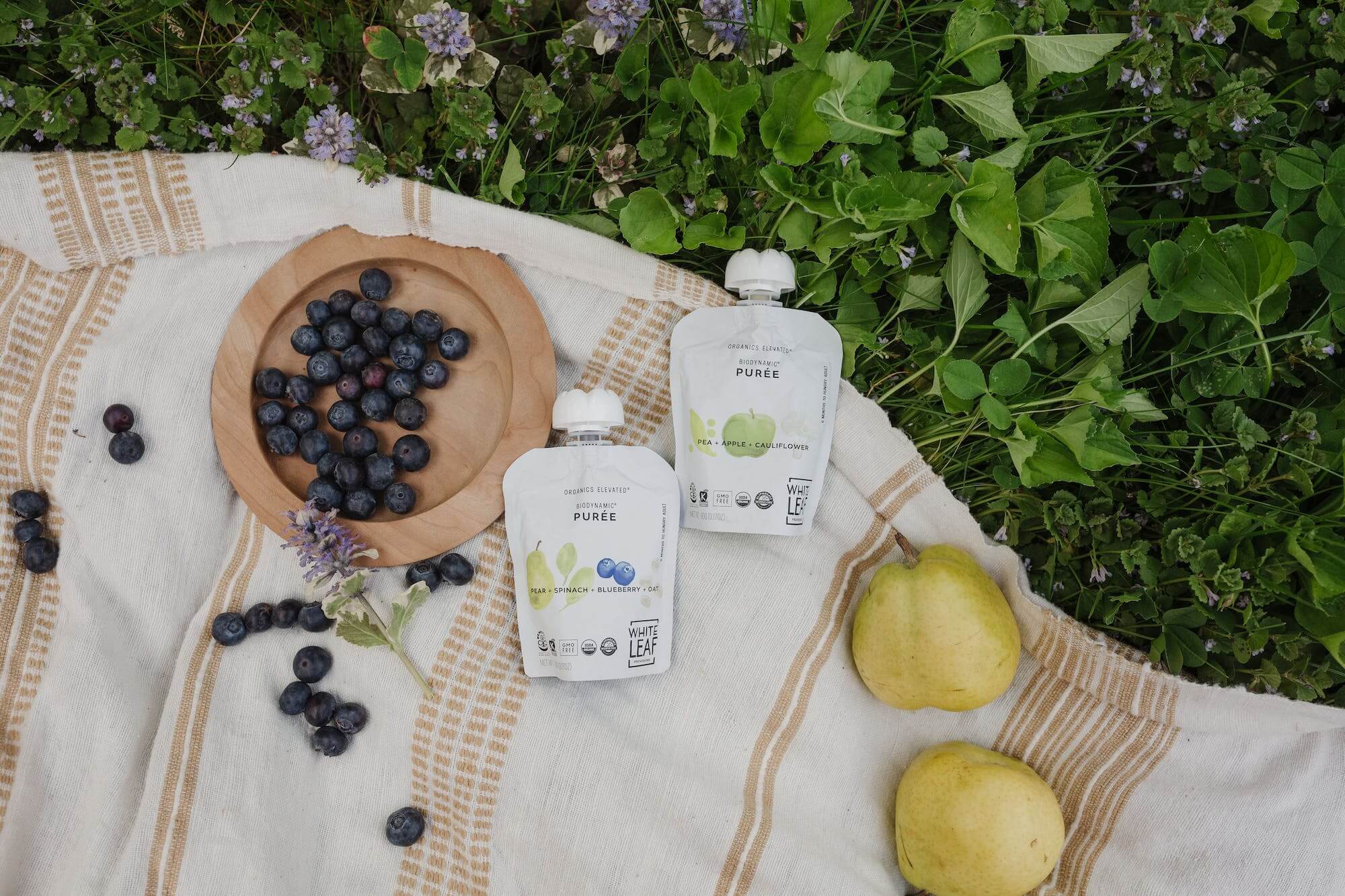
The gold standard in baby food, offering Demeter-certified biodynamic ingredients that exceed organic standards for soil health and purity.

A gold standard in ethical confectionery, combining fair-pay labor practices with regenerative cocoa farming that restores biodiversity in the Ivory Coast and Ghana.

A gold-standard breakfast staple sourced from family-owned farms in Montana using regenerative practices that actively sequester carbon and restore soil health.

Arguably the most ethical coconut oil on the market, sourced from 'Serendipol' in Sri Lanka using regenerative practices that revitalize soil and support a fair-trade community.
A gold standard in ethical confectionery, using regenerative farming to combat climate change while ensuring living wages for cocoa farmers.

A 100% farmer-owned cooperative coffee brand that bypasses middlemen to ensure maximum profits return to the growers.
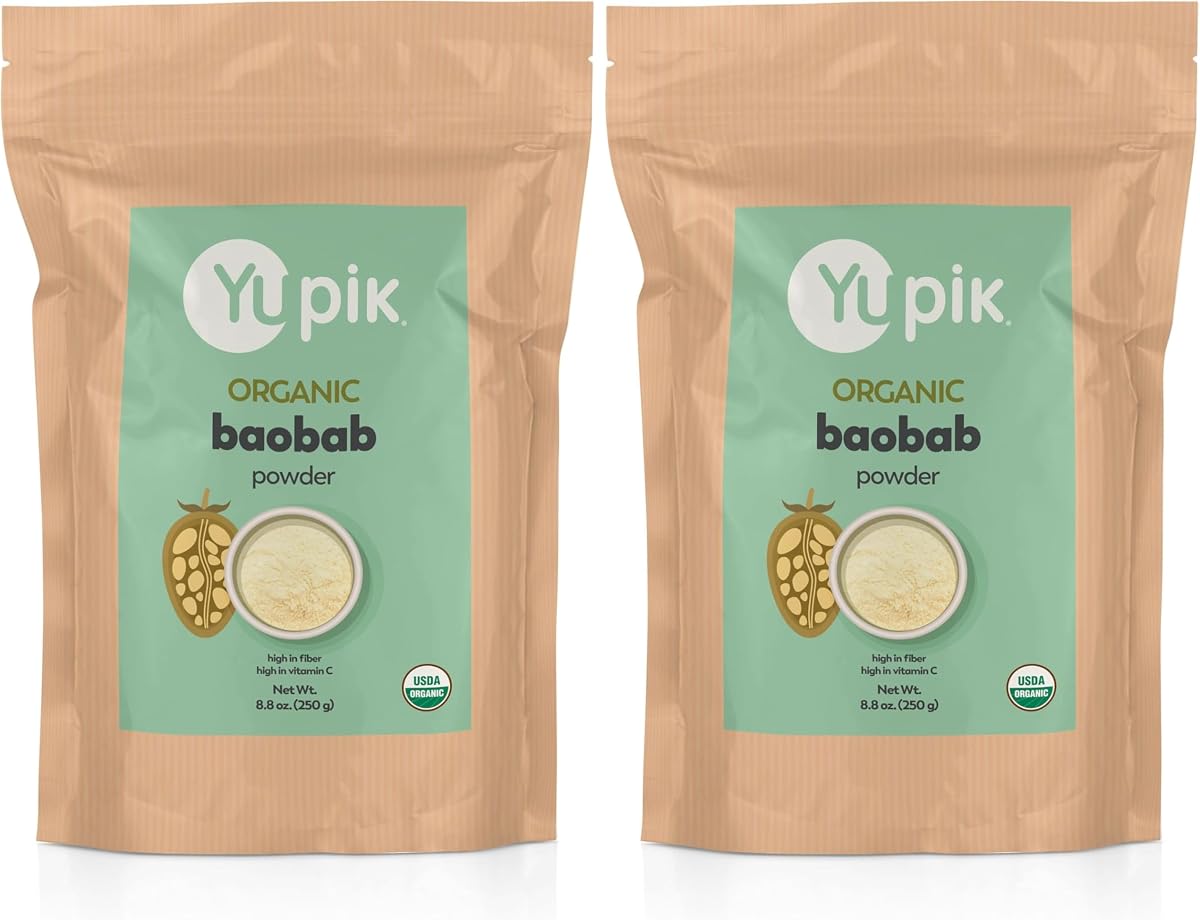
A nutrient-dense African superfood powder ethically harvested by women's cooperatives in Upper East Ghana, providing a massive vitamin C boost.

Exquisite heirloom Malagasy cocoa produced entirely at the source in Madagascar. This professional-grade bulk trunk supports direct-trade and lemur habitat conservation.

A gold standard in ethical food production, this virgin coconut oil is sourced from regenerative organic palms in Sri Lanka, ensuring soil health and fair wages.
What 100 Grand is rated on
100 Grand is not rated by any independent ethical certification body. The brand’s owner, Ferrero, states it does not conduct animal testing on finished products except where required by law, but no specific policy exists for 100 Grand. The product contains dairy and is not labeled vegan. There are no public reports of major labor or environmental controversies, but the lack of certifications or detailed sourcing policies makes it an opaque choice for shoppers seeking verified ethical standards.
How the alternatives were picked
Each alternative was selected based on publicly verifiable certifications and policies. Priority was given to brands that hold at least one of the following: Fair Trade Certified, Rainforest Alliance Certified, USDA Organic, or a clear animal-testing-free policy. All alternatives are widely available online or in U.S. grocery stores. We excluded brands that, like 100 Grand, lack third-party verification of ethical claims.
What to check on the label
When shopping for an ethical chocolate bar, look for a certification seal from Fair Trade USA, Rainforest Alliance, or B Corp. Check if the brand explicitly states “vegan” or “no animal testing” on its packaging or website. For labor sourcing, look for mentions of direct trade programs or supplier auditing. Avoid brands that only use vague terms like “natural” or “responsibly sourced” without third-party confirmation.
Recommended alternatives:
- Tony’s Chocolonely: Fair Trade and Slave Free certified, with full supply chain transparency. Offers vegan dark chocolate bars.
- Alter Eco: Organic, Fair Trade, and carbon-neutral certified. Several vegan options available.
- Hu Kitchen: Vegan, gluten-free, and uses Rainforest Alliance certified cacao. No animal testing policy publicly stated, but cacao sourcing is verified.
Frequently asked about 100 Grand alternatives
Does 100 Grand test on animals?+
Ferrero, the parent company, states it does not test finished products on animals except where required by law. However, 100 Grand itself has no specific animal testing policy, and ingredient suppliers are not covered by this statement.
Is 100 Grand vegan?+
No. 100 Grand contains milk and butter, and the brand does not produce a vegan version. Shoppers seeking vegan chocolate should choose certified vegan brands like Hu Kitchen or Alter Eco.
Does 100 Grand have any Fair Trade certification?+
No. 100 Grand carries no third-party ethical certifications, including Fair Trade, Rainforest Alliance, or organic. Ferrero’s cocoa sourcing programs are not independently verified for this product.
Why should I switch from 100 Grand to an alternative?+
If you prioritize verified ethical sourcing, animal-testing clarity, or vegan options, 100 Grand offers none of these. Alternatives like Tony’s Chocolonely provide full certification and transparency for only a slightly higher price.