Ethical Alternatives to 4m
4m is a socially conscious toy brand known for educational, eco-friendly products like the Solar Robot Kit, with FSC and Climate Neutral certifications. However, its limited vegan range and gaps in sourcing transparency may lead some shoppers to explore other ethical options in the same categories.
Categories compared: Toys & Games, Baby & Kids, Gifts & Seasonal
Why shoppers look for alternatives to 4m
- No formal animal testing policy, though animal testing is unlikely given product type — problematic for strictly vegan shoppers.
- Sells in mainland China, which raises potential concerns about supply chain oversight and labor practices beyond stated certifications.
- Limited vegan product range — not all items clearly avoid animal-derived materials or byproducts.
- Sourcing transparency is not fully disclosed, making it hard to verify raw material origins beyond general FSC certification.
Top-scoring alternatives to 4m

Handcrafted in Egypt using organic cotton, these rattles support fair trade practices and sustainable agriculture in the Nile Delta.

A gold-standard ethical toy, these dolls are made from 100% GOTS certified organic Egyptian cotton in a fair-trade facility that supports sustainable farming.

A masterpieces of sustainable wooden design, this fire station is crafted from PlanWood and reclaimed rubberwood, utilizing a zero-waste production process.

A zero-waste bathroom essential hand-crafted by women's cooperatives, perfect for exfoliating and extending the life of soap.

The gold standard in ethical soap, these travel-sized bottles are perfect for wellness pros on the go, featuring 100% PCR packaging and fair-trade ingredients.

The first and only baby brand to be Gold Seal Fair Trade certified, Under the Nile offers exceptionally soft Egyptian cotton towels made in a sustainable community in Egypt.

A sustainable, carbon-neutral dollhouse made from reclaimed rubberwood and non-toxic PlanWood.
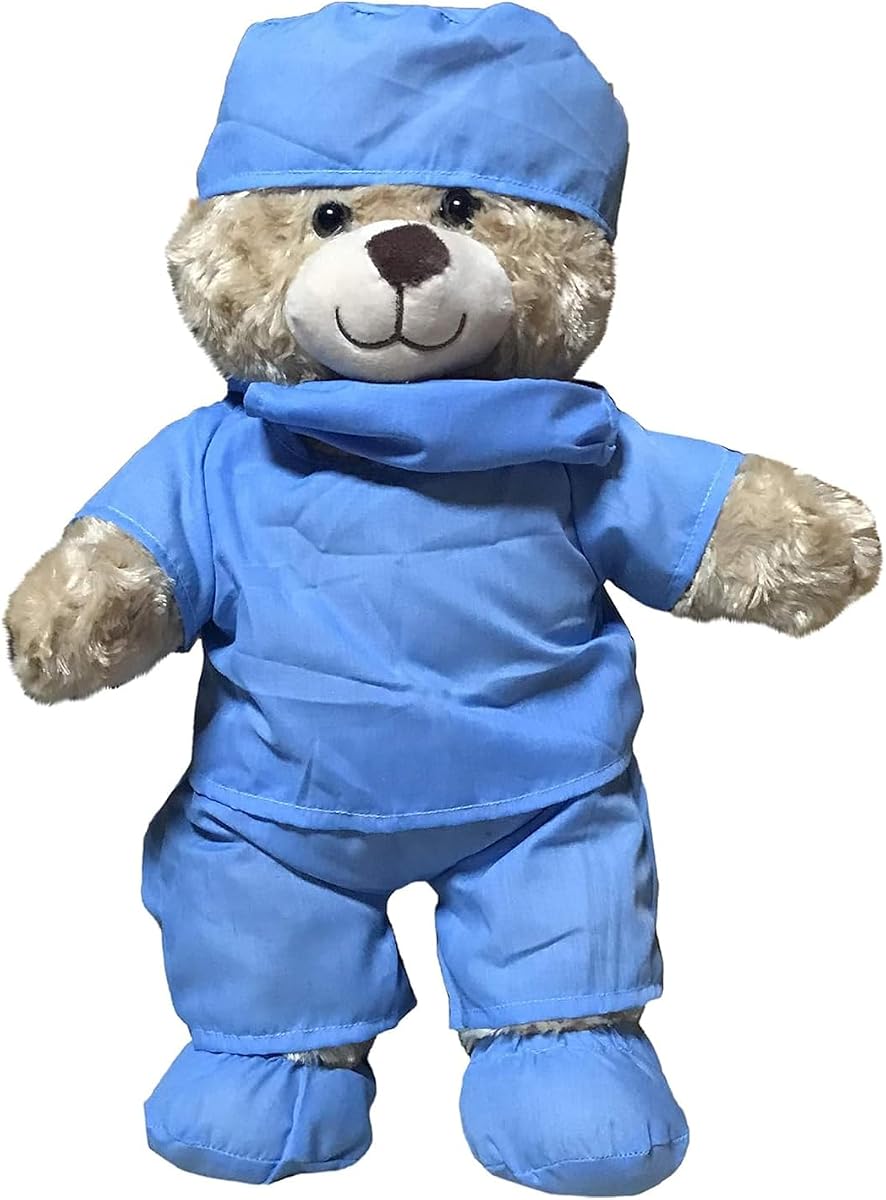
A Women-owned, BIPOC-led brand producing hand-stuffed organic cotton bears through a fair-trade welfare-to-work program.

A 100% natural rubber pacifier that is completely plant-based, plastic-free, and compostable, meeting the highest circularity standards.
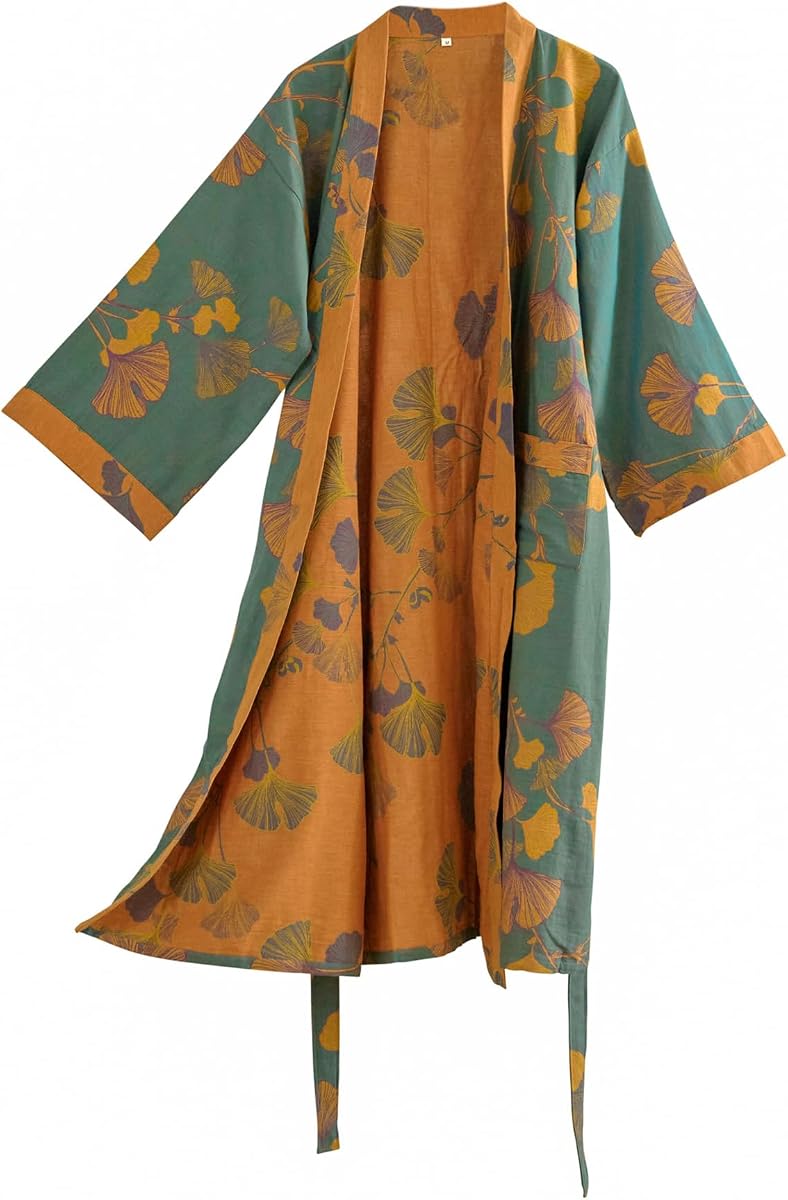
A luxurious, spa-weight robe made from 100% GOTS-certified organic cotton, produced under Fair Trade standards.

Exquisite hand-woven table linens designed in Brooklyn and artisan-made in Ethiopia. This Black-owned brand combines modern aesthetics with traditional Ethiopian weaving techniques.

Authentically hand-woven in Ghana, these baskets provide sustainable income for artisans while utilizing elephant grass—a renewable, natural resource. A versatile and nearly indestructible gift.
What 4m is rated on
4m receives high marks for its FSC Certified packaging and Climate Neutral certification, which covers its carbon footprint offset. The brand’s educational toys, such as the Solar Robot Kit, are well-regarded for STEAM learning and eco-conscious materials. However, our analysis found two areas of concern: no formal animal testing policy (though animal testing is unlikely given the product type) and limited vegan range. Additionally, the brand sells in mainland China, which adds complexity to verifying labor and environmental standards beyond certifications.
How the alternatives were picked
We selected alternative brands in the same categories — Toys & Games, Baby & Kids, and Gifts & Seasonal — that meet at least three of these criteria: explicit animal testing bans (Leaping Bunny or PETA-certified), full material sourcing transparency (including vegan materials), and production predominantly in regions with strong labor protections (EU, UK, US, Japan). We prioritized brands with publicly available supply chain maps or third-party audits.
What to check on the label
When evaluating a toy or gift brand, look for these labels and verifications: FSC or PEFC for wood/pulp sourcing, Climate Neutral or CarbonNeutral for emissions. For vegan assurance, seek Vegan Action or Vegan Society trademarks. Also check for CE marking (EU safety) and ASTM F963 (US toy safety). If a brand sells in China, see if they publish a Supplier Code of Conduct or Sedex/SMETA audit results. Finally, confirm animal testing policy via brand website or contact — avoid any brand that sells in markets requiring animal testing (e.g., under China’s cosmetics laws, but note toys are generally exempt).
How to judge a suggested brand alternative
An alternatives page is a starting shortlist, not proof that one brand is universally better than another. The suggestions come from our catalogue: published products in a similar category with a recorded ethics score. They answer a narrow question — which products we list might fit the same need — and they cannot tell you which option performs best, suits your skin or diet, or matches your budget.
Match the job before the score
Start with what the original product does for you: format, size, scent, skin or dietary requirements and where you buy it. A higher-scoring alternative is not useful if it comes in a format you cannot use or is not sold where you shop. Check the alternative's full record — purpose, ingredients, price and seller — before treating it as a replacement.
Compare evidence, not impressions
Read certifications at their stated scope: a scheme may cover one range, one material or a named entity rather than a whole brand. An animal-free ingredient list and an animal-testing policy are separate questions, and a parent company's record is a third. Where a claim matters to you, confirm it in the scheme's own directory or the manufacturer's current statement rather than relying on a badge alone.
Keep the limits of the comparison visible
Catalogue scores are AI-assisted assessments with documented limitations, not laboratory measurements. A missing score is a data gap, not a failing grade. The original brand's presence here reflects what our records contain, which may omit reformulations, regional differences or newer certifications. For health, safety or recall concerns, use official sources rather than any score.
| Check | Where to confirm it | Avoid assuming |
|---|---|---|
| Does the alternative do the same job? | Its full product record and the maker's current description | A similar category means a like-for-like replacement |
| Is a claimed certification current? | The certification scheme's official directory | A badge covers the whole brand or group |
| Is it actually available to you? | The retailer's current listing, price and delivery | A catalogue price tier is a live quote |
Frequently asked about 4m alternatives
Does 4m test on animals?+
4m has no formal animal testing policy, but given their product type (educational toys), animal testing is highly unlikely. For strict vegans, this lack of policy may be a concern compared to brands with explicit Leaping Bunny certification.
Are 4m toys vegan?+
Not all 4m products are clearly labeled as vegan. While many use plant-based or synthetic materials, their limited vegan range means shoppers should check individual product descriptions for animal-derived glues, dyes, or packaging.
Why does selling in mainland China matter for ethics?+
Selling in China can involve supply chains subject to less stringent labor and environmental enforcement. Without published audits or a supplier code of conduct, it’s harder to verify that ethical standards are maintained beyond primary certifications.
What certifications should I look for in a toy alternative?+
Prioritize FSC or PEFC for wood/paper, Climate Neutral or CarbonNeutral for carbon footprint, and Vegan Society or Leaping Bunny for animal-free production. Also look for OEKO-TEX Standard 100 for material safety and SMETA or BSCI for labor audits.