Ethical Alternatives to 5 Gum
5 Gum is a sugar-free chewing gum brand owned by Mars, Incorporated, a private confectionery giant. While Mars has made some sustainability commitments, 5 Gum itself carries no independent ethical certifications, and its supply chain practices — especially concerning palm oil, plastic packaging, and labor — remain points of concern for shoppers seeking verified ethical options.
Categories compared: Food & Nutrition, Health & Wellness
Why shoppers look for alternatives to 5 Gum
- 5 Gum lacks any third-party certifications (e.g., Fair Trade, Rainforest Alliance, or B Corp), making it hard to verify ethical claims.
- Mars has faced criticism for opaque palm oil sourcing and plastic waste, with 5 Gum's packaging not widely recyclable.
- Some consumers prefer gums that use chicle (natural tree sap) rather than synthetic plastic-based gum bases found in most mainstream brands.
- No animal testing on 5 Gum except when required by law, but there is no global cruelty-free certification (e.g., Leaping Bunny) for the brand.
Top-scoring alternatives to 5 Gum

The gold standard for ethical food production, this coconut oil uses regenerative organic practices and fair trade labor to set a benchmark for corporate responsibility.

A fluoride-free, 70% organic toothpaste that leads the industry in fair trade sourcing and activist corporate governance.
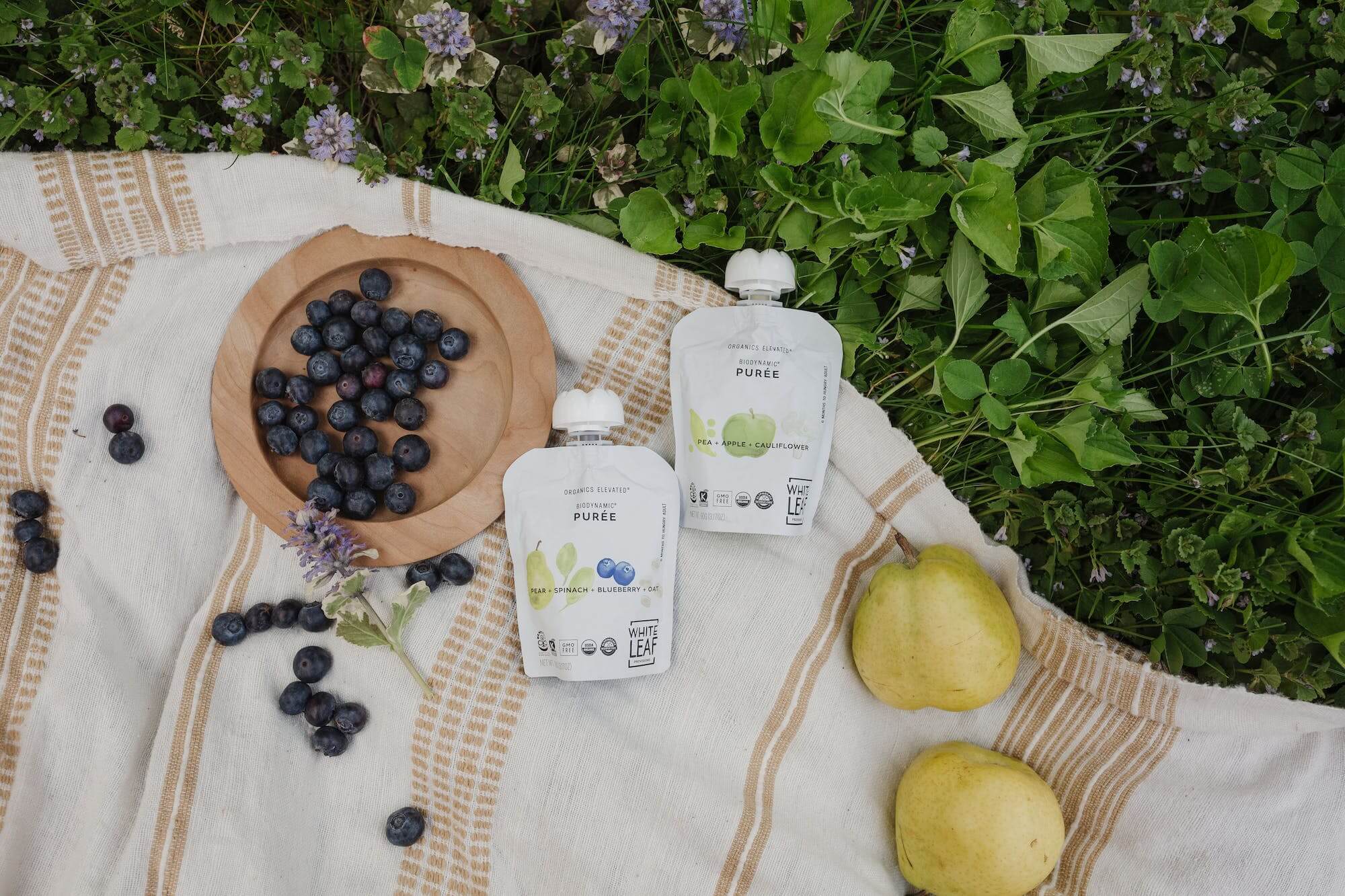
The gold standard in baby food, offering Demeter-certified biodynamic ingredients that exceed organic standards for soil health and purity.

A gold standard in ethical confectionery, combining fair-pay labor practices with regenerative cocoa farming that restores biodiversity in the Ivory Coast and Ghana.
A gold standard in ethical confectionery, using regenerative farming to combat climate change while ensuring living wages for cocoa farmers.

A hand-crafted, raw wellness balm produced by women’s cooperatives in Ghana, ideal for gluten-free skin nutrition and head-to-toe hydration.

Exquisite heirloom Malagasy cocoa produced entirely at the source in Madagascar. This professional-grade bulk trunk supports direct-trade and lemur habitat conservation.

A nutrient-dense heirloom grain sourced through fully transparent supply chains that support regenerative farming practices in the Peruvian Andes.

A gold-standard adaptogenic supplement produced through regenerative agriculture and fair trade partnerships with small family farmers in India.

A women-owned B Corp that prioritizes equitable purchasing and environmental stewardship through long-term farmer partnerships.

The gold standard in European baby food, Holle's Demeter-certified porridges offer chemical-free nutrition for infants. A top-rated staple for health-conscious parents in urban environments.

A premium, hypoallergenic lumbar support pillow made from 100% GOLS organic certified latex and GOTS organic cotton, ideal for posture correction during downsizing transitions.
What 5 Gum is rated on
On ethical shopping sites, 5 Gum is rated based on its parent company Mars' overall policies. Mars has a publicly stated commitment to sustainable palm oil and a policy against animal testing (unless required by law). However, 5 Gum itself carries zero independent certifications — no Fair Trade, no Rainforest Alliance, no B Corp, and no Leaping Bunny. Its plastic-based gum base, non-recyclable blister packaging, and lack of transparent labor audits lower its ethical score. The brand also does not disclose whether its sugar alcohols (e.g., sorbitol, xylitol) are sourced from non-GMO or sustainably farmed ingredients.
How the alternatives were picked
The alternatives below were selected based on three core criteria: verified certifications (such as Fair Trade, B Corp, or Rainforest Alliance), transparent supply chains (including palm oil sourcing), and packaging that is either recyclable or plastic-free. We also prioritized brands that use natural chicle bases or plant-based polymers instead of synthetic plastics, and those that ethically source sweeteners like xylitol from birch trees rather than corn (often GMO). Each alternative was cross-referenced with public ethical databases and certification registries.
What to check on the label
When switching from 5 Gum, look for these label features:
- Certification logos: Fair Trade, Rainforest Alliance, B Corp, or Leaping Bunny (for cruelty-free).
- Gum base: 'Chicle' or 'plant-based' instead of 'gum base' (often a synthetic plastic).
- Sweetener source: Non-GMO or organic xylitol (preferably from birch) or stevia.
- Packaging: Compostable, recyclable, or minimal plastic — avoid blister packs that are hard to recycle.
- Palm oil: Certified Roundtable on Sustainable Palm Oil (RSPO) or palm-free.
How to judge a suggested brand alternative
An alternatives page is a starting shortlist, not proof that one brand is universally better than another. The suggestions come from our catalogue: published products in a similar category with a recorded ethics score. They answer a narrow question — which products we list might fit the same need — and they cannot tell you which option performs best, suits your skin or diet, or matches your budget.
Match the job before the score
Start with what the original product does for you: format, size, scent, skin or dietary requirements and where you buy it. A higher-scoring alternative is not useful if it comes in a format you cannot use or is not sold where you shop. Check the alternative's full record — purpose, ingredients, price and seller — before treating it as a replacement.
Compare evidence, not impressions
Read certifications at their stated scope: a scheme may cover one range, one material or a named entity rather than a whole brand. An animal-free ingredient list and an animal-testing policy are separate questions, and a parent company's record is a third. Where a claim matters to you, confirm it in the scheme's own directory or the manufacturer's current statement rather than relying on a badge alone.
Keep the limits of the comparison visible
Catalogue scores are AI-assisted assessments with documented limitations, not laboratory measurements. A missing score is a data gap, not a failing grade. The original brand's presence here reflects what our records contain, which may omit reformulations, regional differences or newer certifications. For health, safety or recall concerns, use official sources rather than any score.
| Check | Where to confirm it | Avoid assuming |
|---|---|---|
| Does the alternative do the same job? | Its full product record and the maker's current description | A similar category means a like-for-like replacement |
| Is a claimed certification current? | The certification scheme's official directory | A badge covers the whole brand or group |
| Is it actually available to you? | The retailer's current listing, price and delivery | A catalogue price tier is a live quote |
Frequently asked about 5 Gum alternatives
Is 5 Gum vegan?+
5 Gum does not list animal-derived ingredients on its label, but it uses synthetic gum base and artificial flavors. Mars does not certify 5 Gum as vegan, so some vegans avoid it due to the potential for hidden animal-derived additives like glycerin (which may come from animal fat) or natural flavors that are not specified.
Does 5 Gum contain plastic?+
Yes, like most mainstream chewing gums, 5 Gum uses a synthetic gum base that often contains plastic polymers (e.g., polyethylene or polyvinyl acetate). This is why chewing gum can be sticky and does not biodegrade easily. Natural chicle-based gums are a common plastic-free alternative.
Why doesn't 5 Gum have ethical certifications?+
Mars, Inc. has not pursued third-party certifications for 5 Gum, likely because the brand is positioned as a mass-market product focus on taste and energy (via caffeine). Mars does have some broader sustainability programs, but they are not applied to all brands uniformly. Certifications cost money and require rigorous auditing that Mars has not chosen to implement for this gum line.
Are there any gum brands that are both ethical and sugar-free?+
Yes. Brands like Simply Gum (organic, chicle-based, compostable packaging), Project 7 (Fair Trade, recyclable, supports charitable causes), and Glee Gum (non-GMO, chicle-based, recyclable) all offer sugar-free options with verified ethical credentials. Always check the label for sweetener type and certification logos.