Ethical Alternatives to Barnum's
Barnum's, a Mondelēz International brand best known for its animal crackers, has a mixed ethical profile with no third-party certifications on file. Concerns persist over palm oil sustainability and the absence of a published animal-testing policy for non-cosmetic products. This page highlights ethical alternatives that offer greater transparency and verified sourcing.
Categories compared: Food & Nutrition, Baby & Kids, Gifts & Seasonal
Why shoppers look for alternatives to Barnum's
- No third-party certifications (e.g., Fair Trade, Rainforest Alliance, or B Corp) are on file for Barnum's.
- Palm oil sustainability remains an ongoing concern; the brand does not publicly commit to RSPO-certified or deforestation-free sourcing at the product level.
- Barnum's has no official animal-testing policy for its food products, leaving its stance on supplier testing unclear.
- The brand is owned by Mondelēz International, which has faced criticism for limited transparency on supply chain ethics and human rights.
Top-scoring alternatives to Barnum's

A gold-standard example of regenerative agriculture, these oats go beyond organic by actively restoring soil health and ensuring fair wages for farmers in a vertically integrated supply chain.

The gold standard for ethical food production, this coconut oil uses regenerative organic practices and fair trade labor to set a benchmark for corporate responsibility.

A premium gift set of dark chocolate bars that redefine ethical sourcing through regenerative organic farming and fair trade wages.
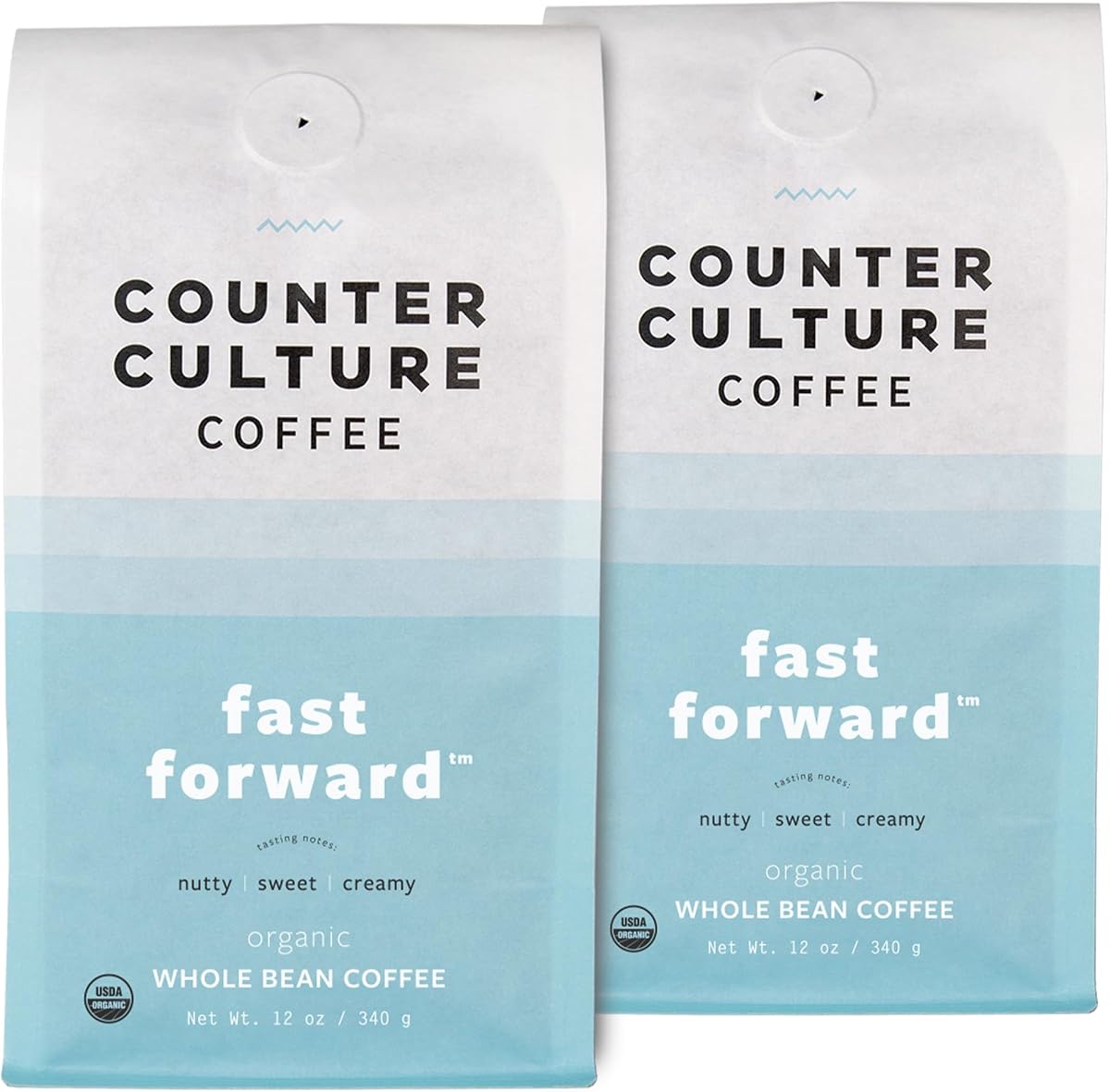
A 100% farmer-owned coffee cooperative that bypasses traditional middlemen to ensure maximum profits return to the growers.

An award-winning sensory play gym handcrafted in Malawi, pairing traditional wicker weaving with modern, 100% biodegradable corn-starch (PLA) hanging charms.

A zero-waste bathroom essential hand-crafted by women's cooperatives, perfect for exfoliating and extending the life of soap.

Handcrafted by women artisans in Ghana, these cold-processed soaps use wild-harvested shea butter. A zero-waste, high-impact gift for a major milestone.

The gold standard in ethical soap, these travel-sized bottles are perfect for wellness pros on the go, featuring 100% PCR packaging and fair-trade ingredients.
A gold-standard organic crib mattress that eliminates PFAS, flame retardants, and polyurethane foam, utilizing food-grade waterproofing.
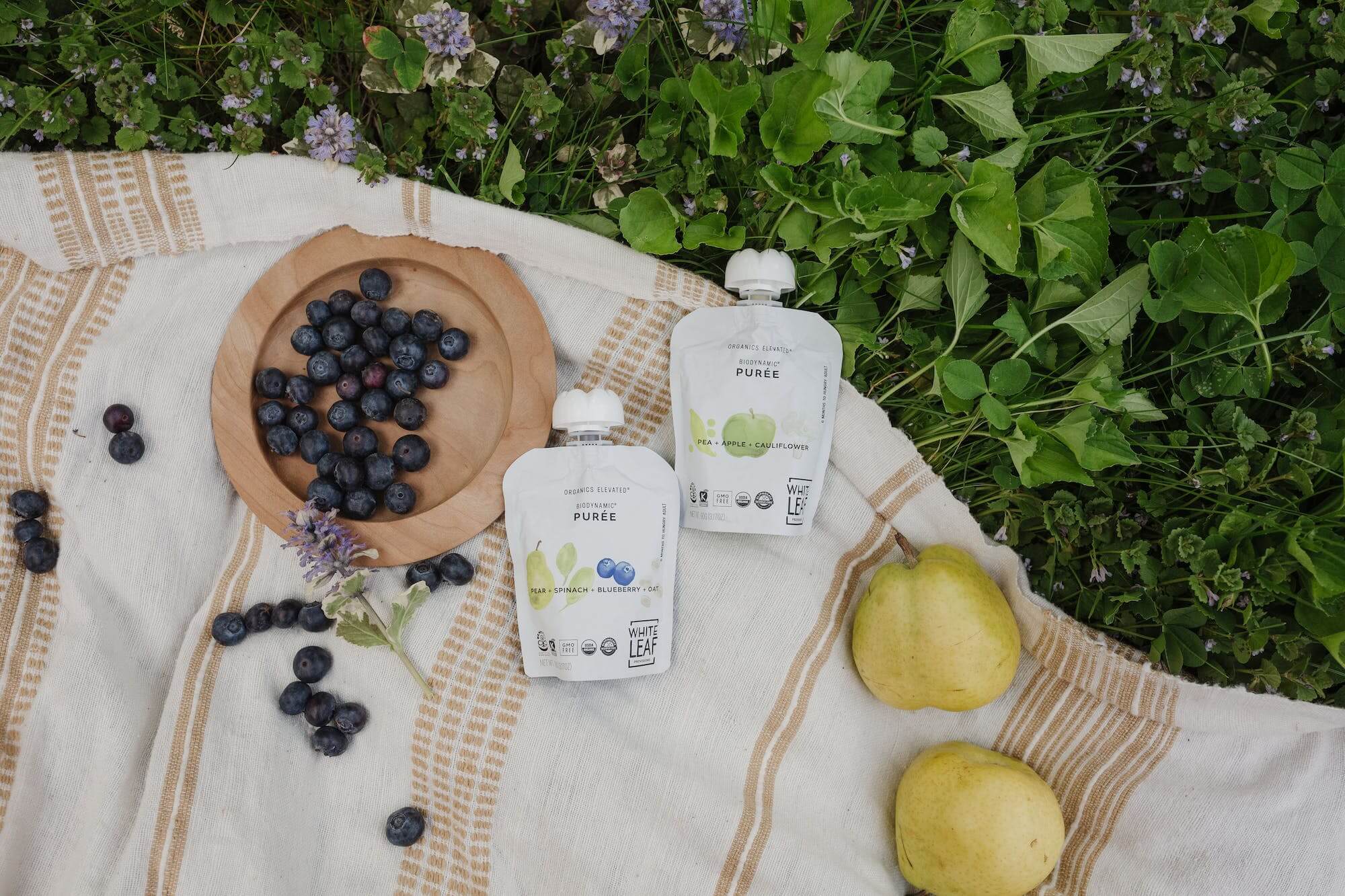
The gold standard in baby food, offering Demeter-certified biodynamic ingredients that exceed organic standards for soil health and purity.

A gold standard in ethical confectionery, combining fair-pay labor practices with regenerative cocoa farming that restores biodiversity in the Ivory Coast and Ghana.

A gold-standard breakfast staple sourced from family-owned farms in Montana using regenerative practices that actively sequester carbon and restore soil health.
What Barnum's is rated on
Barnum's animal crackers are evaluated on three key ethical dimensions: certifications, palm oil sourcing, and animal testing. As of the latest data, the brand holds no third-party certifications such as Fair Trade, Rainforest Alliance, or Non-GMO Project Verified. Its palm oil supply chain is not fully traceable to certified sustainable sources, and the parent company, Mondelēz, has been rated poorly by organizations like Palm Oil Scorecard. Additionally, Barnum's does not publicly state whether it requires its ingredient suppliers to avoid animal testing—a gap that matters to cruelty-free shoppers.
How the alternatives were picked
Each alternative listed here was selected because it meets at least two of the following criteria: it holds a recognized ethical certification (e.g., USDA Organic, Fair Trade, or Rainforest Alliance); it has a published, verifiable policy against animal testing across all product lines; and it uses palm oil that is either RSPO-certified, deforestation-free, or replaced with a more sustainable alternative like sunflower or coconut oil. Brands were also prioritized if they are independently owned or have a clear ethical mission statement that aligns with consumer expectations for transparency.
What to check on the label
When comparing animal crackers or similar snack products, look for these label claims and certifications:
- Palm oil certification: Look for RSPO Certified, Rainforest Alliance, or a statement like "100% sustainable palm oil."
- Animal testing policy: If the brand is a food company, check its website for a supplier animal testing policy. For food, the key question is whether raw ingredients (e.g., flavors, colors) tested on animals.
- Certifications: USDA Organic, Non-GMO Project Verified, Fair Trade Certified, and B Corp status are strong indicators of ethical production.
- Parent company: A small, independent brand may offer greater supply chain transparency than a large multinational. Always check the company's ownership structure.
Frequently asked about Barnum's alternatives
Does Barnum's have any Fair Trade or organic certification?+
No. As of the latest data, Barnum's holds no third-party certifications such as Fair Trade, USDA Organic, or Rainforest Alliance. This means its supply chain has not been independently verified for ethical or environmental standards.
Is Barnum's palm oil sustainable?+
Barnum's parent company, Mondelēz International, has been rated in the middle tier by the Palm Oil Scorecard. While Mondelēz has made some commitments, Barnum's product-level palm oil is not independently certified as RSPO or deforestation-free.
Does Barnum's test on animals?+
Barnum's has no official animal-testing policy for its food products. The brand does not disclose whether its ingredient suppliers test on animals, leaving this an unknown for cruelty-concerned shoppers.
What ethical certifications should I look for in an alternative to Barnum's?+
Look for USDA Organic (ensures no synthetic pesticides), Non-GMO Project Verified (avoids genetically modified ingredients), Fair Trade Certified (supports farmer equity), or Rainforest Alliance (focuses on biodiversity and sustainable farming).