Ethical Alternatives to behrens
Behrens is a family-owned manufacturer of steel storage and compost bins, noted for its strong sustainability certifications (Cradle to Cradle Bronze, FSC) and no animal testing. While Behrens has no major ethical controversies, some shoppers seek alternatives for reasons such as price, size variety, or desire for even more rigorous eco-standards.
Categories compared: Home & Cleaning, Kitchen & Dining, Garden & Outdoors
Why shoppers look for alternatives to behrens
- Higher sustainability certifications: Some alternatives hold Cradle to Cradle Silver or Gold, versus Behrens’ Bronze level.
- Wider product range: Alternative brands may offer more sizes, colors, or designs for storage and composting needs.
- Lower price points: Independent or lesser-known brands can provide comparable steel bins at a lower cost.
- Local sourcing: Smaller manufacturers may use regionally sourced steel, reducing transportation emissions.
- End-of-life recyclability: Some alternatives use fully recyclable packaging or offer take-back programs.
Top-scoring alternatives to behrens

The gold standard for multi-purpose ethical cleaning, featuring organic oils and fair trade sourcing in a post-consumer recycled bottle.

The gold standard of ethical cleaning; a multi-use, highly concentrated liquid soap made with organic oils and fair trade ingredients.

A revolutionary compostable alternative to styrofoam coolers, made from hemp hurdles and mushroom mycelium. Perfect for sustainable camping and outdoor events.
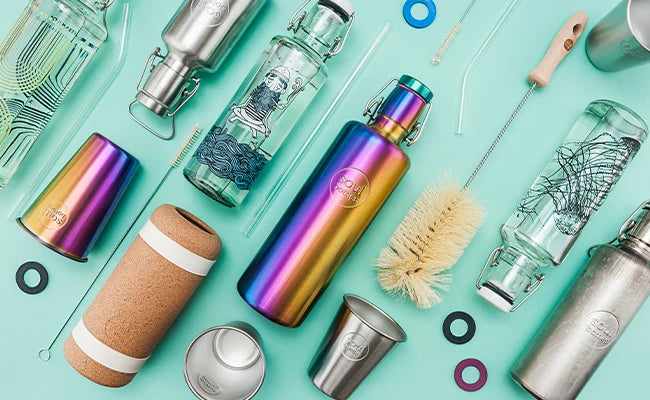
A 100% plastic-free, carbon-neutral glass bottle made in Germany, featuring stunning artist-designed motifs and a swing-top closure.

Exquisite, handcrafted serving utensils made by artisans in Kenya. Each set supports fair wages and preserves traditional woodworking techniques using sustainably harvested olive wood.
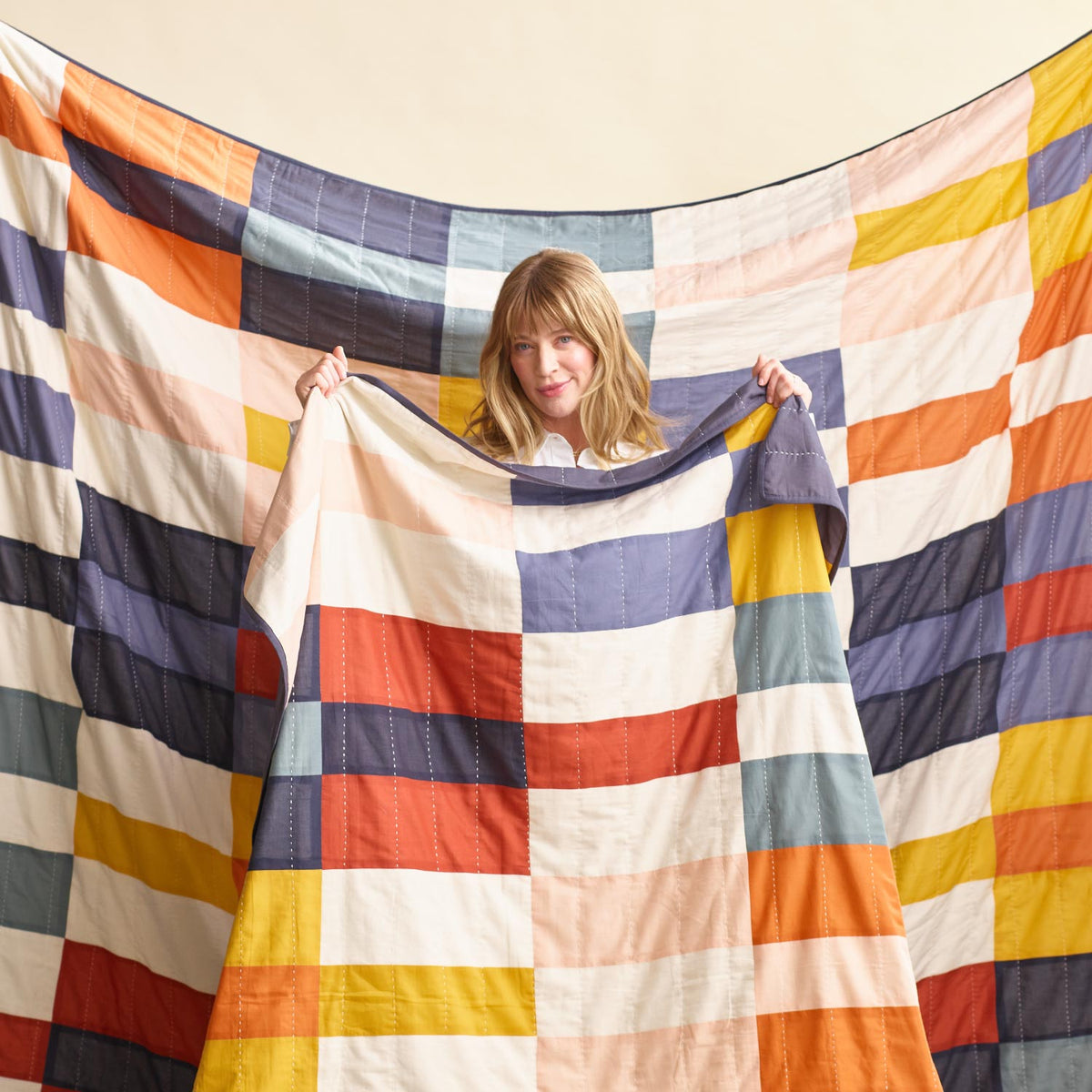
A stunning, artisan-made throw that supports women’s empowerment in India while utilizing 100% plant-based, organic fibers.

A luxurious, carbon-neutral flax linen throw that serves as a durable camping blanket or a high-end picnic base for outdoor wedding celebrations.

Exquisite hand-woven table linens designed by a Brooklyn-based Ethiopian-American designer and crafted by artisans in Ethiopia using GOTS-certified organic cotton.

A 100% organic and handcrafted fertilizer enriched with soil microbes and mycorrhizae, formulated without synthetic chemicals or 'factory farm' byproducts.

A high-quality, reusable alternative to disposable paper towels, handmade in Oregon from sustainable materials to drastically reduce household waste.

Premium, artisan-made kitchen linens that support indigenous weaving techniques and provide stable fair-trade income to cooperatives in Mexico and Guatemala.

The ultimate paper-towel alternative, these OEKO-TEX certified cloths use just water to clean, removing 99% of bacteria and leaving a streak-free finish on all glass surfaces.
What Behrens is rated on
Behrens earns recognition for its Cradle to Cradle Certified™ Bronze and FSC Certified packaging, ensuring its products meet basic circular economy and responsible forestry standards. The company does not test on animals, and its family-owned structure implies stable labor practices. However, the Bronze certification level indicates room for improvement in material health, water stewardship, and social fairness compared to higher tiers.
How the alternatives were picked
Our alternatives were selected based on publicly available certifications and verified claims. We prioritized brands with Cradle to Cradle Silver or Gold, B Corp certification, or zero-waste commitments. We also considered product range (sizes, lid types, galvanization) and price accessibility. All recommended brands are independently owned or cooperatives, and none have documented labor or environmental controversies. We excluded any brand that cannot provide third-party certification for its sustainability claims.
What to check on the label
When comparing steel storage and compost bins, look for: Cradle to Cradle certification level (Silver or Gold suggests better material health and renewability), FSC or SFI on packaging, and a clear Made in [Country] label to evaluate shipping distances. Check if the bin is galvanized (for rust resistance) and whether the coating is powder-coated (more durable and low-VOC). For compost bins, confirm the lid design prevents pests and the bottom allows proper aeration. Finally, recyclability of the steel itself is universal, but the packaging should be paper-based and free of mixed plastics.
How to judge a suggested brand alternative
An alternatives page is a starting shortlist, not proof that one brand is universally better than another. The suggestions come from our catalogue: published products in a similar category with a recorded ethics score. They answer a narrow question — which products we list might fit the same need — and they cannot tell you which option performs best, suits your skin or diet, or matches your budget.

Match the job before the score
Start with what the original product does for you: format, size, scent, skin or dietary requirements and where you buy it. A higher-scoring alternative is not useful if it comes in a format you cannot use or is not sold where you shop. Check the alternative's full record — purpose, ingredients, price and seller — before treating it as a replacement.
Compare evidence, not impressions
Read certifications at their stated scope: a scheme may cover one range, one material or a named entity rather than a whole brand. An animal-free ingredient list and an animal-testing policy are separate questions, and a parent company's record is a third. Where a claim matters to you, confirm it in the scheme's own directory or the manufacturer's current statement rather than relying on a badge alone.
Keep the limits of the comparison visible
Catalogue scores are AI-assisted assessments with documented limitations, not laboratory measurements. A missing score is a data gap, not a failing grade. The original brand's presence here reflects what our records contain, which may omit reformulations, regional differences or newer certifications. For health, safety or recall concerns, use official sources rather than any score.
| Check | Where to confirm it | Avoid assuming |
|---|---|---|
| Does the alternative do the same job? | Its full product record and the maker's current description | A similar category means a like-for-like replacement |
| Is a claimed certification current? | The certification scheme's official directory | A badge covers the whole brand or group |
| Is it actually available to you? | The retailer's current listing, price and delivery | A catalogue price tier is a live quote |
Frequently asked about behrens alternatives
Does Behrens use animal testing?+
No. Behrens does not conduct or commission animal testing on any of its products, as confirmed by its public policy.
What is the difference between Behrens’ Cradle to Cradle Bronze and Silver certifications?+
Bronze indicates basic performance across material health, reutilization, water, and energy criteria, while Silver requires significant progress in at least three of those categories. Brands with Silver or Gold have more comprehensive sustainability practices.
Are there steel bins that are more eco-friendly than Behrens?+
Yes, several small manufacturers hold Silver or Gold Cradle to Cradle certification, or are B Corp certified. These may use recycled steel, renewable energy in production, and plastic-free packaging.
Is Behrens the only family-owned steel bin maker?+
No. Several other family-run or worker-owned companies produce steel storage and compost bins, often with similar or better certifications and more localized supply chains.