Ethical Alternatives to Belvita
Belvita, owned by Mondelez International, markets itself as a convenient breakfast option, but it lacks independent ethical certifications and its parent company tests finished products on animals where required by law (e.g., in China). For shoppers seeking verified fair trade, vegan, or cruelty-free alternatives, several better-rated brands offer comparable products without the ethical trade-offs.
Categories compared: Food & Nutrition
Why shoppers look for alternatives to Belvita
- No independent certifications: Belvita carries no Fair Trade, Vegan, or Rainforest Alliance certifications, making it harder to verify ethical sourcing.
- Parent company animal testing: Mondelez conducts animal testing on finished products when required by local law (e.g., in China), which conflicts with cruelty-free values.
- Vague sustainability pledges: While Belvita highlights packaging and cocoa sourcing, its commitments lack robust third-party verification for labor or environmental standards.
- Sells in mainland China: Mondelez’s compliance with mandatory animal testing there means that some products sold globally may be linked to animal testing supply chains.
Top-scoring alternatives to Belvita

The gold standard for ethical food production, this coconut oil uses regenerative organic practices and fair trade labor to set a benchmark for corporate responsibility.
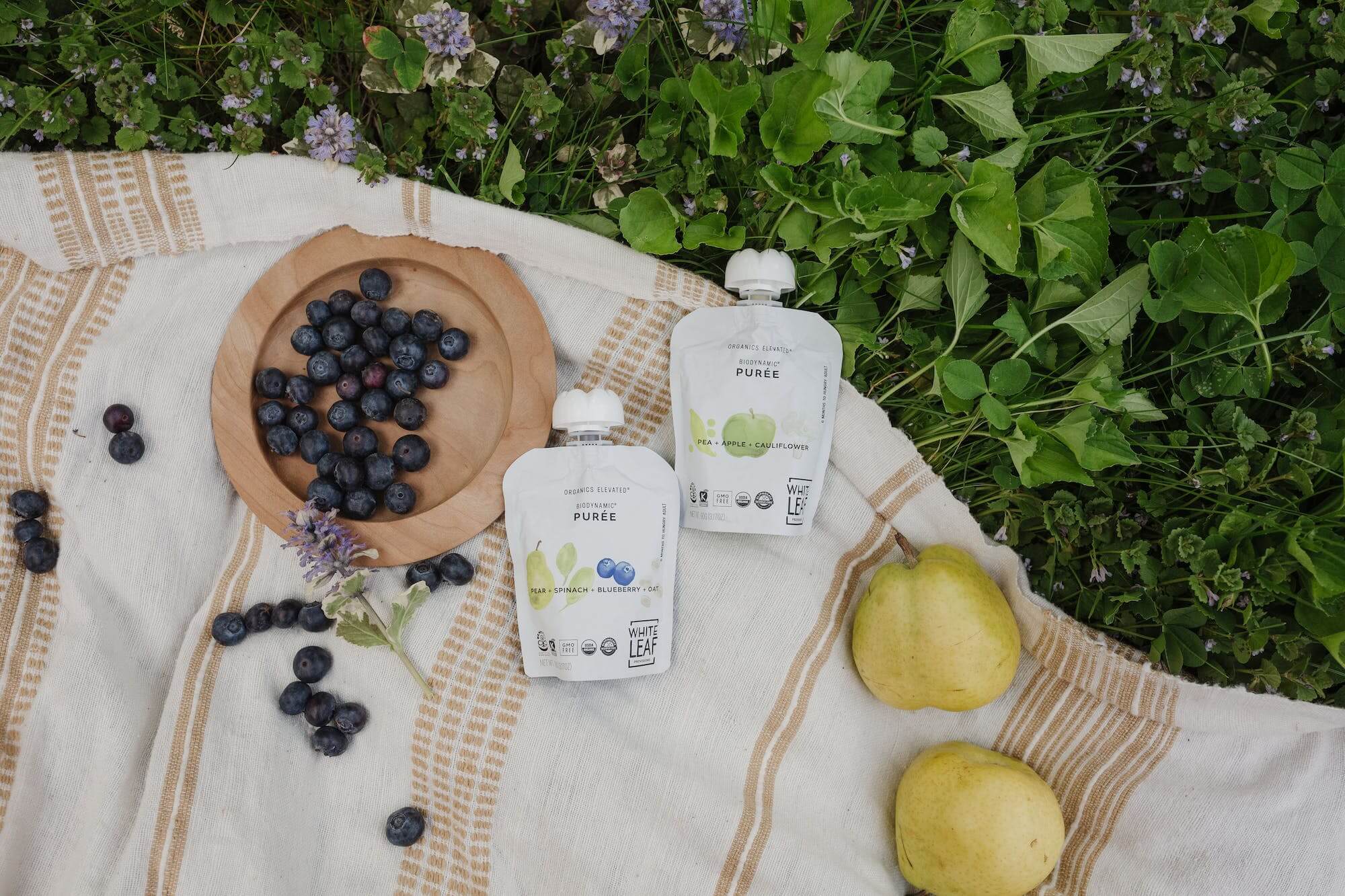
The gold standard in baby food, offering Demeter-certified biodynamic ingredients that exceed organic standards for soil health and purity.
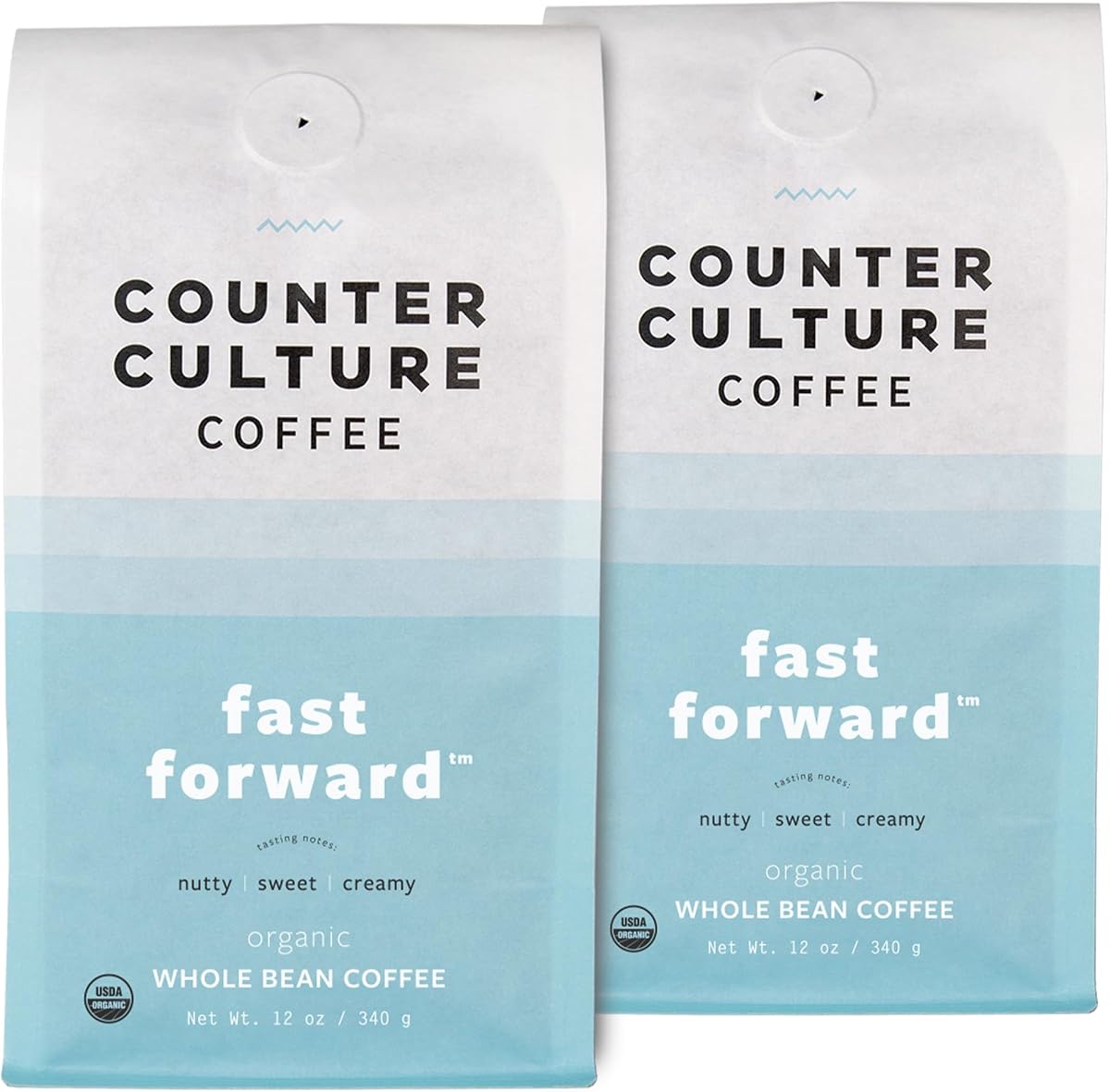
A 100% farmer-owned coffee cooperative that bypasses traditional middlemen to ensure maximum profits return to the growers.

A gold-standard example of regenerative agriculture, these oats go beyond organic by actively restoring soil health and ensuring fair wages for farmers in a vertically integrated supply chain.

Arguably the most ethical coconut oil on the market, sourced from 'Serendipol' in Sri Lanka using regenerative practices that revitalize soil and support a fair-trade community.

Exquisite heirloom Malagasy cocoa produced entirely at the source in Madagascar. This professional-grade bulk trunk supports direct-trade and lemur habitat conservation.

A 100% farmer-owned cooperative coffee brand that bypasses middlemen to ensure maximum profits return to the growers.

A gold standard in ethical confectionery, using regenerative farming to combat climate change while ensuring living wages for cocoa farmers.
A gold standard in ethical confectionery, combining fair-pay labor practices with regenerative cocoa farming that restores biodiversity in the Ivory Coast and Ghana.

A gold-standard breakfast staple sourced from family-owned farms in Montana using regenerative practices that actively sequester carbon and restore soil health.
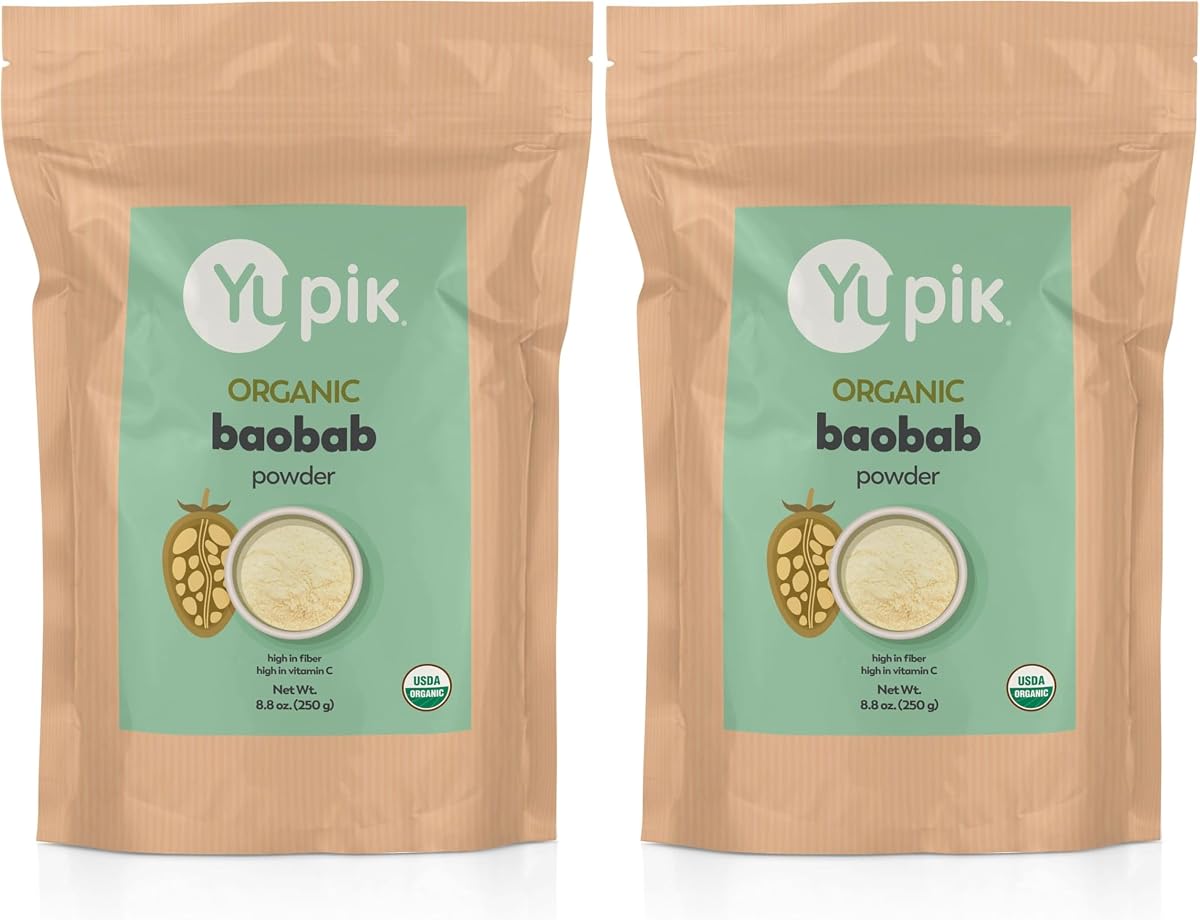
A nutrient-dense African superfood powder ethically harvested by women's cooperatives in Upper East Ghana, providing a massive vitamin C boost.

A French pioneer in organic fair-trade chocolate, Kaoka builds long-term partnerships with smallholder cooperatives to produce high-end, Kosher-certified dark chocolate.
What Belvita is rated on
Belvita breakfast biscuits are rated on several ethical dimensions, but the brand’s performance is largely unsupported by independent certifications. The parent company, Mondelez, does not test finished products on animals unless required by law—such as in China—but because it sells in mainland China, some products may still be linked to animal testing. On sustainability, Mondelez has public pledges for packaging and cocoa sourcing (e.g., Cocoa Life), but these are not backed by top-tier third-party certifications like Fair Trade or Rainforest Alliance. No Vegan, Organic, or B Corp certifications are on file for Belvita. Overall, the brand offers a mixed ethical profile that relies on corporate self-reporting rather than verified standards.
How the alternatives were picked
We selected alternatives based on three criteria: they must operate in the same Food & Nutrition category (breakfast biscuits or similar grab-and-go breakfast products), carry at least one independent certification (such as Fair Trade, Vegan, Organic, or Rainforest Alliance), and have a clear animal testing policy that is not dependent on local law exceptions. We also prioritized brands that disclose their supply chain audits and have verified commitments to labor and environmental standards. The alternatives below are available in similar retail channels and price ranges as Belvita.
What to check on the label
When seeking an ethical breakfast biscuit, look for these label markers: a certified Vegan logo (e.g., from The Vegan Society) if you avoid animal products; a Fair Trade or Rainforest Alliance seal for ethically sourced cocoa and sugar; and a statement like “never tested on animals” or a Leaping Bunny certification to confirm cruelty-free status. For environmental claims, check for organic certification (USDA Organic or EU Organic) and a B Corp logo, which indicates third-party verified social and environmental performance. Avoid brands that only use vague terms like “sustainably sourced” without a certifying body. Finally, confirm that the brand does not sell in mainland China or other markets where animal testing is legally required, as this often undermines a no-animal-testing policy.
Frequently asked about Belvita alternatives
Does Belvita have any independent ethical certifications?+
No. Belvita does not carry any independent certifications such as Fair Trade, Vegan, Organic, or Rainforest Alliance. Its ethical claims are based on Mondelez’s internal programs like Cocoa Life, which lack third-party verification.
Why does animal testing matter for Belvita if it’s a food product?+
Mondelez’s policy states it tests finished products on animals only where required by local law, such as in China. Since Belvita is sold in China, some products or ingredients may be linked to animal testing. For consumers seeking cruelty-free brands, this exception is a significant concern.
Are there any breakfast biscuits with both Fair Trade and Vegan certifications?+
Yes. Brands like Nairn’s (oat-based biscuits, some vegan) and Goodio (chocolate-coated bars) often carry organic and vegan certifications, though Fair Trade is more common in cocoa-heavy products. Always check the specific product label, as certifications vary by flavor.
How can I verify a brand’s animal testing policy for food products?+
Look for a Leaping Bunny or PETA’s “Beauty Without Bunnies” certification—these are not limited to cosmetics and apply to all consumer goods. Also, check the brand’s statement on selling in China; brands that explicitly avoid the Chinese market or use non-animal-testing compliant channels are more reliable.