Ethical Alternatives to Ben & Jerry's
Ben & Jerry's is a B Corp and Fair Trade certified brand with a strong social mission, but its ownership by Unilever raises questions about long-term independence and political speech. For shoppers seeking ice cream with a cleaner ownership structure or more transparent supply chains, several smaller brands offer comparable commitments.
Categories compared: Food & Nutrition, Gifts & Seasonal
Why shoppers look for alternatives to Ben & Jerry's
- Ownership structure: Ben & Jerry's is owned by Unilever, a multinational corporation; some shoppers prefer brands without parent-company influence over social or political stances.
- Brand independence: Ben & Jerry's independent board structure is currently being tested in court over political-speech disputes, creating uncertainty about future mission alignment.
- Certification limitations: While Ben & Jerry's holds B Corp, Fair Trade, and Caring Dairy certifications, its supply chain may still rely on large-scale dairy operations that smaller brands avoid.
- Ingredient sourcing: Some alternatives use organic or locally sourced dairy, or plant-based options, offering different ethical priorities like reduced carbon footprint or animal welfare.
Top-scoring alternatives to Ben & Jerry's

A gold-standard example of regenerative agriculture, these oats go beyond organic by actively restoring soil health and ensuring fair wages for farmers in a vertically integrated supply chain.

The gold standard for ethical food production, this coconut oil uses regenerative organic practices and fair trade labor to set a benchmark for corporate responsibility.

A premium gift set of dark chocolate bars that redefine ethical sourcing through regenerative organic farming and fair trade wages.
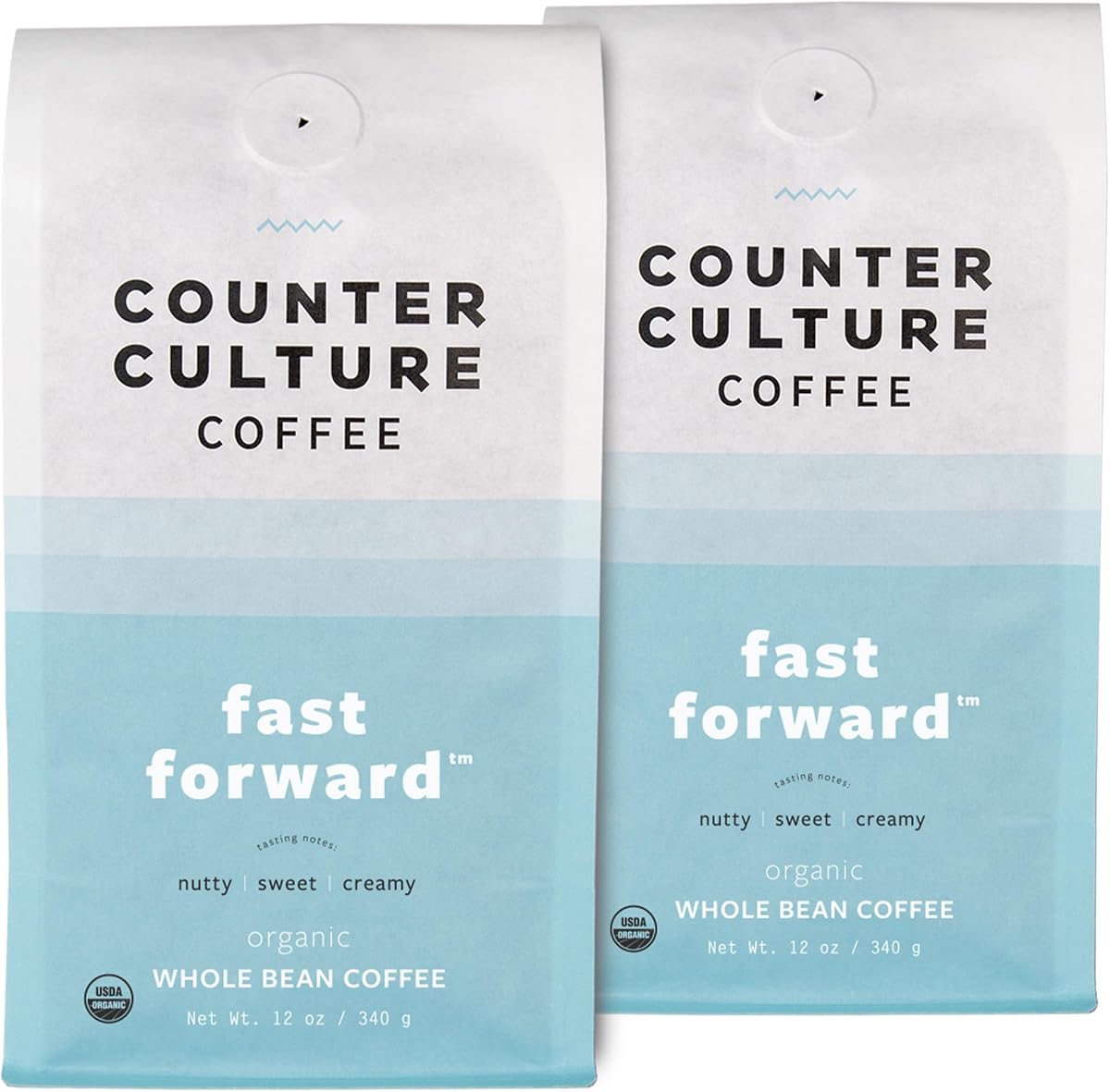
A 100% farmer-owned coffee cooperative that bypasses traditional middlemen to ensure maximum profits return to the growers.

A zero-waste bathroom essential hand-crafted by women's cooperatives, perfect for exfoliating and extending the life of soap.

Handcrafted by women artisans in Ghana, these cold-processed soaps use wild-harvested shea butter. A zero-waste, high-impact gift for a major milestone.

The gold standard in ethical soap, these travel-sized bottles are perfect for wellness pros on the go, featuring 100% PCR packaging and fair-trade ingredients.
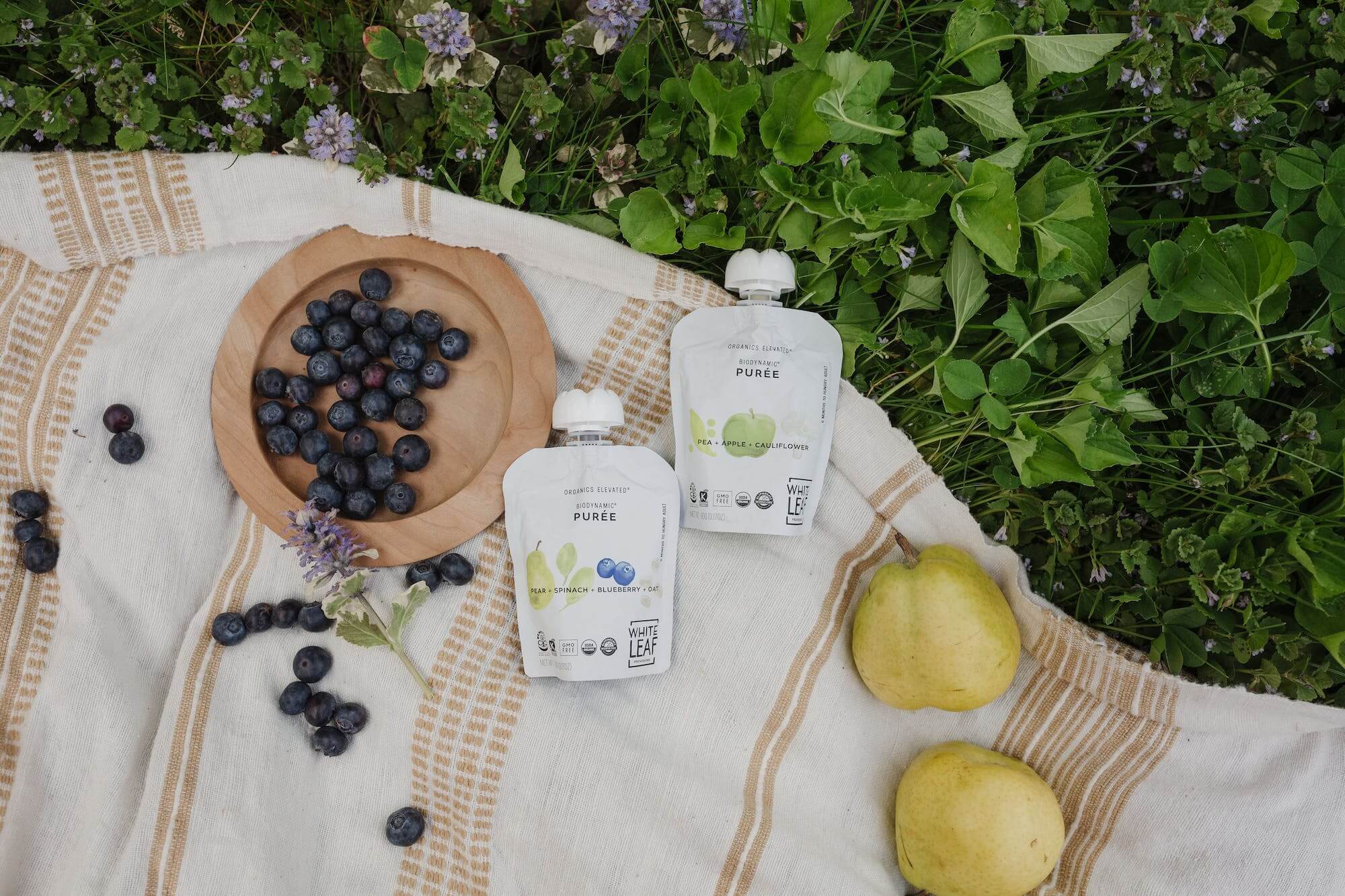
The gold standard in baby food, offering Demeter-certified biodynamic ingredients that exceed organic standards for soil health and purity.

A gold standard in ethical confectionery, combining fair-pay labor practices with regenerative cocoa farming that restores biodiversity in the Ivory Coast and Ghana.

A gold-standard breakfast staple sourced from family-owned farms in Montana using regenerative practices that actively sequester carbon and restore soil health.

Arguably the most ethical coconut oil on the market, sourced from 'Serendipol' in Sri Lanka using regenerative practices that revitalize soil and support a fair-trade community.
A gold standard in ethical confectionery, using regenerative farming to combat climate change while ensuring living wages for cocoa farmers.
What Ben & Jerry's is rated on
Ben & Jerry's is a certified B Corp (since 2012) and holds Fair Trade and Caring Dairy certifications. It does not test on animals and has a public social-mission stance protected by an independent board—a structure acquired by Unilever in 2000 and now subject to legal challenges over political speech. These credentials are genuine but come within a corporate ownership model that some ethically minded shoppers question.
How the alternatives were picked
We evaluate ice cream brands that compete in the same categories (Food & Nutrition, Gifts & Seasonal) based on their ownership independence, certification depth, and ingredient sourcing transparency. Brands in this list must have at least one third-party certification (e.g., B Corp, USDA Organic, Non-GMO Project, Fair Trade) and disclose their dairy sourcing or plant-based alternatives. We prioritized smaller, independent companies with no majority parent corporation, as well as those with explicit animal welfare or climate commitments beyond Ben & Jerry's baseline.
What to check on the label
When comparing alternatives, look for: ownership (is it independent or part of a large food conglomerate?); certifications such as B Corp, Fair Trade, or USDA Organic (Ben & Jerry's has these, but smaller brands may have more niche certifications like Regenerative Organic); dairy sourcing (pasture-raised, grass-fed, or local creameries vs. commodity supply chains); animal testing policy (confirm the brand does not test on animals—most ice cream brands don't, but some parent companies do); and ingredient transparency (are GMOs, artificial flavors, or palm oil disclosed?). For plant-based options, check if the brand uses oat, almond, or coconut bases and whether those ingredients are sustainably sourced. Finally, review the brand's social mission and whether it has independent board oversight similar to Ben & Jerry's—or if it avoids the corporate ownership issue entirely.
Frequently asked about Ben & Jerry's alternatives
Is Ben & Jerry's still a B Corp?+
Yes, Ben & Jerry's remains a certified B Corp as of 2025, but its ownership by Unilever has raised questions about whether the B Corp standards are fully upheld with a corporate parent. The independent board structure is being tested in court over political speech disputes.
What certifications do Ben & Jerry's alternatives typically have?+
Alternatives may hold USDA Organic, Non-GMO Project Verified, Fair Trade, Regenerative Organic Certified, or B Corp status. Some also emphasize grass-fed dairy or vegan certifications like Vegan Action.
Are there dairy-free alternatives with similar ethical commitments?+
Yes, brands like NadaMoo! (plant-based, B Corp) or Coconut Bliss (organic, small-batch) offer dairy-free ice cream with ethical certifications and independent ownership, often with lower carbon footprints.
Does Unilever's ownership affect Ben & Jerry's animal welfare policies?+
Ben & Jerry's Caring Dairy certification requires standards for cows, but Unilever as a whole has a broader animal testing policy that Ben & Jerry's products are exempt from. Some shoppers prefer brands with no corporate parent that might change policies unilaterally.