Ethical Alternatives to Betty Crocker
Betty Crocker, a subsidiary of General Mills, is a leading brand of convenience baking mixes, frostings, and meal helpers. While General Mills has some broad sustainability goals, the brand itself lacks independent third-party ethical certifications and does not label its products as vegan, limiting its appeal for conscientious shoppers.
Categories compared: Food & Nutrition
Why shoppers look for alternatives to Betty Crocker
- No third-party ethical certifications (e.g., Fair Trade, Non-GMO Project, USDA Organic) on any Betty Crocker products.
- Products are not labeled vegan, despite many being plant-based, making it harder for vegan shoppers to confirm suitability.
- General Mills sells in mainland China, where food products are not subject to mandatory animal testing, but the company’s policy lacks full transparency on ingredient-level testing overseas.
- Parent company has faced criticism for use of artificial colors and preservatives in some mixes and frostings.
Top-scoring alternatives to Betty Crocker

A gold-standard example of regenerative agriculture, these oats go beyond organic by actively restoring soil health and ensuring fair wages for farmers in a vertically integrated supply chain.

The gold standard for ethical food production, this coconut oil uses regenerative organic practices and fair trade labor to set a benchmark for corporate responsibility.
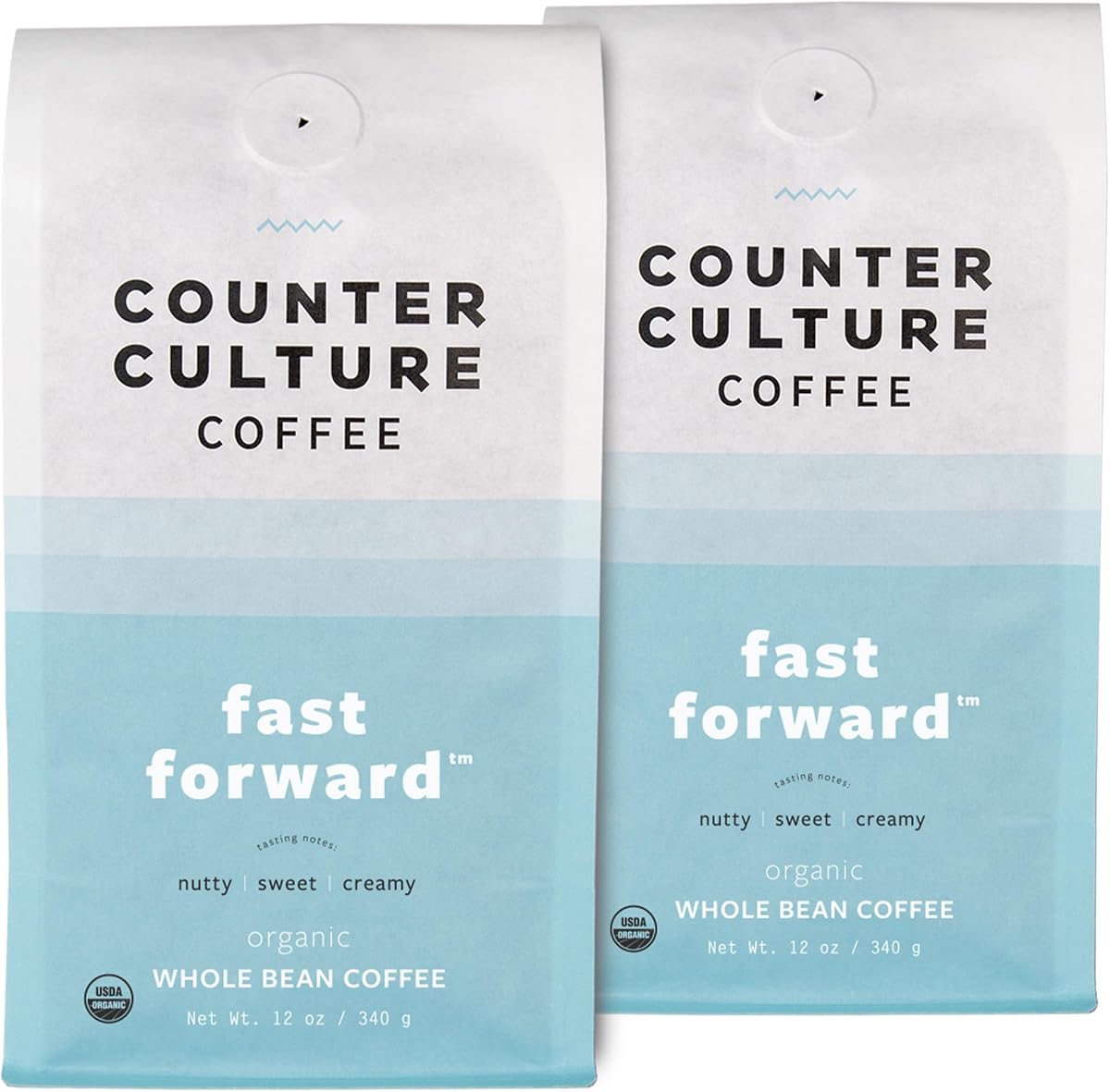
A 100% farmer-owned coffee cooperative that bypasses traditional middlemen to ensure maximum profits return to the growers.
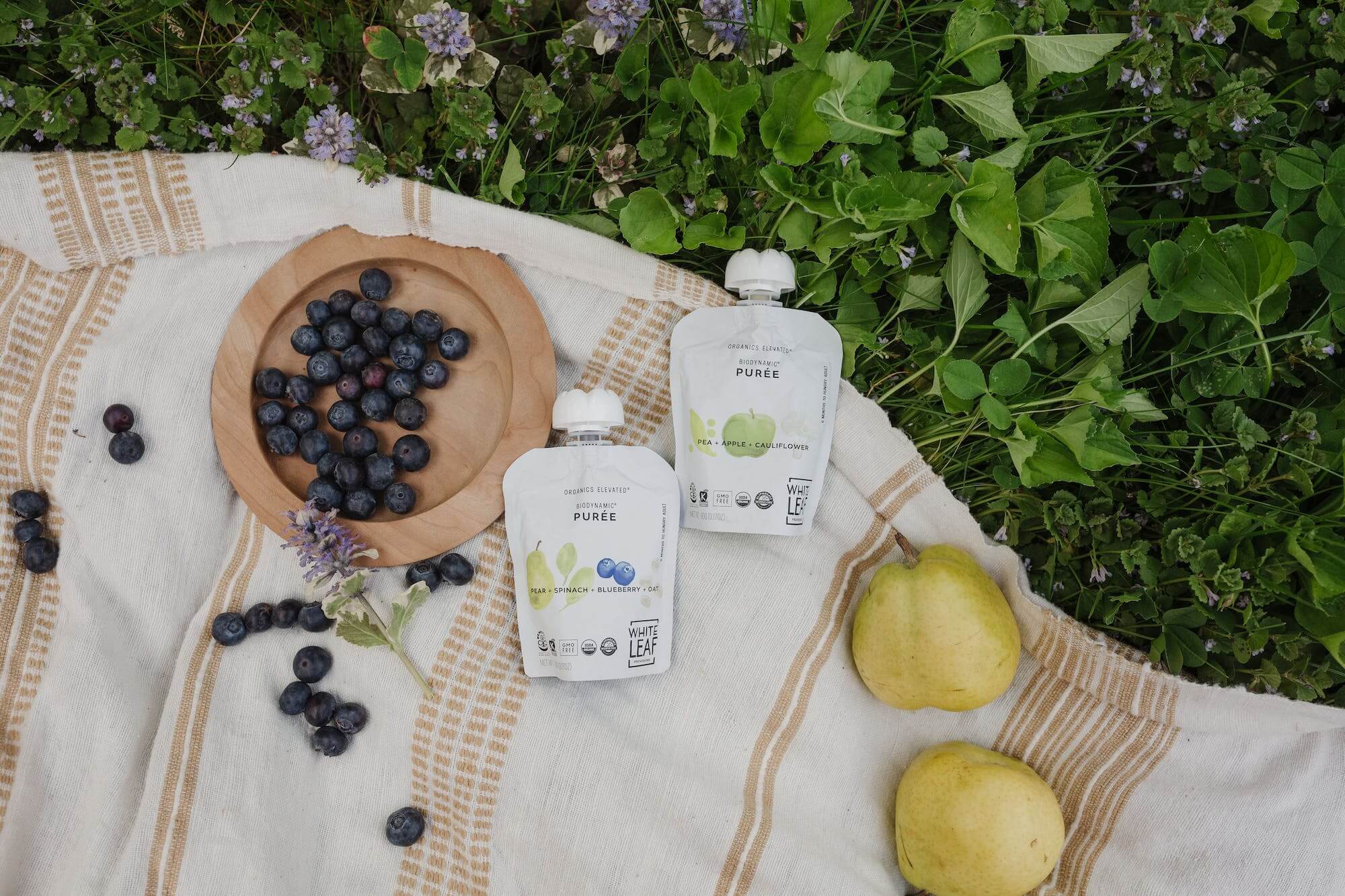
The gold standard in baby food, offering Demeter-certified biodynamic ingredients that exceed organic standards for soil health and purity.

A gold standard in ethical confectionery, combining fair-pay labor practices with regenerative cocoa farming that restores biodiversity in the Ivory Coast and Ghana.

A gold-standard breakfast staple sourced from family-owned farms in Montana using regenerative practices that actively sequester carbon and restore soil health.

Arguably the most ethical coconut oil on the market, sourced from 'Serendipol' in Sri Lanka using regenerative practices that revitalize soil and support a fair-trade community.
A gold standard in ethical confectionery, using regenerative farming to combat climate change while ensuring living wages for cocoa farmers.

A 100% farmer-owned cooperative coffee brand that bypasses middlemen to ensure maximum profits return to the growers.
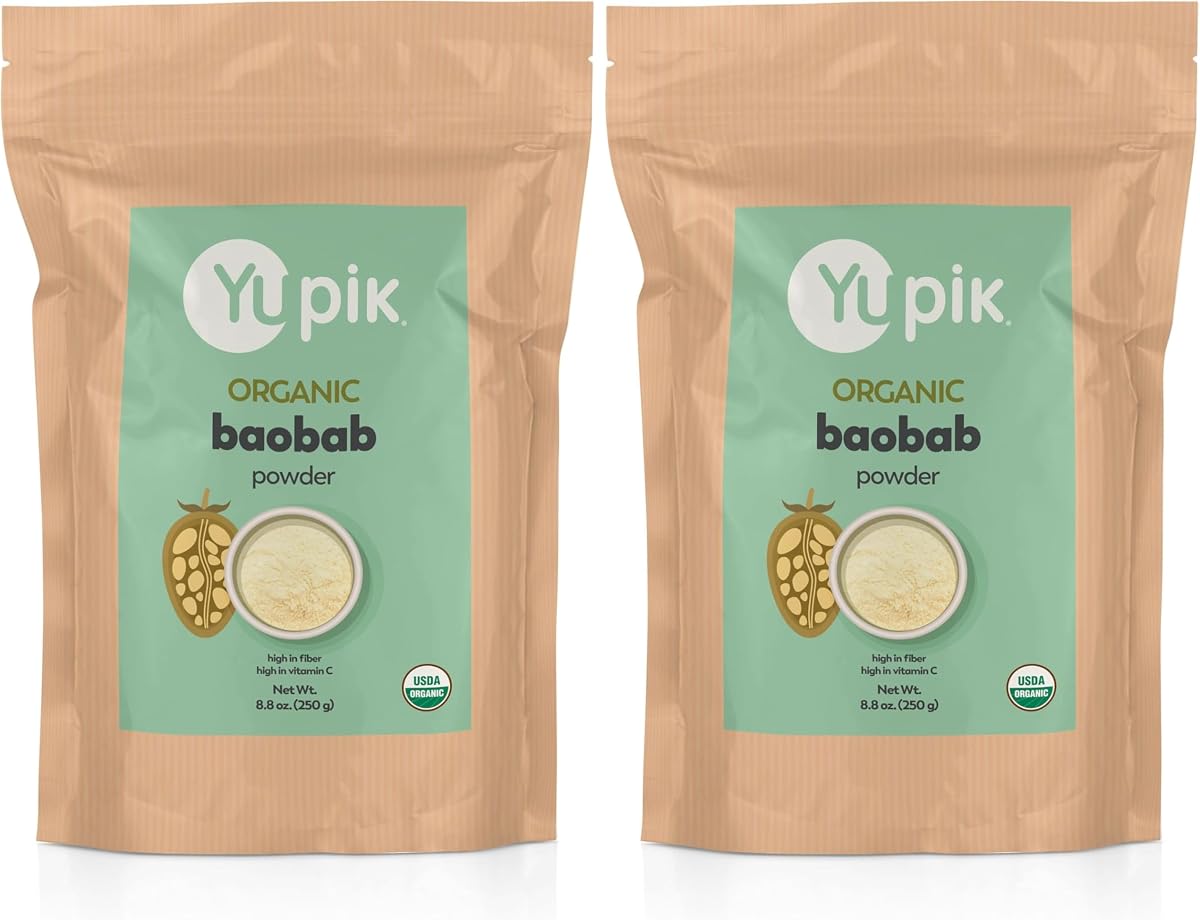
A nutrient-dense African superfood powder ethically harvested by women's cooperatives in Upper East Ghana, providing a massive vitamin C boost.

Exquisite heirloom Malagasy cocoa produced entirely at the source in Madagascar. This professional-grade bulk trunk supports direct-trade and lemur habitat conservation.

A gold standard in ethical food production, this virgin coconut oil is sourced from regenerative organic palms in Sri Lanka, ensuring soil health and fair wages.
What Betty Crocker is rated on
On our site, Betty Crocker is evaluated across several key ethical metrics. The brand currently holds no third-party certifications such as Fair Trade, Non-GMO Project Verified, USDA Organic, or Vegan Action. It does not use a vegan label on any of its baking mixes or frostings. General Mills, the parent company, states it does not conduct animal testing on finished food products unless required by law, and since food sold in China does not require cosmetic-style animal testing, this is not a primary concern for this category. However, the lack of certifications and vegan labeling means strict ethical shoppers often look elsewhere.
How the alternatives were picked
We selected alternatives based on three criteria: third-party certifications (e.g., Non-GMO Project, Organic, Vegan), transparent ingredient sourcing, and clear labeling policies. All alternatives below are independently verified by at least one certifier and do not sell in markets with ethically questionable ingredient testing practices. We focused on brands that offer convenience mix and frosting equivalents to Betty Crocker’s core product lines.
What to check on the label
When swapping to an ethical alternative, check for these specifics: 1) Certification seals — look for USDA Organic, Non-GMO Project, or Vegan Action logos. 2) Vegan label — many brands now explicitly state “vegan” on the front. 3) Parent company policies — avoid brands owned by conglomerates with poor track records on transparency. 4) Ingredient list — watch for artificial dyes (e.g., Red 40, Yellow 5) and preservatives if you prefer clean label products. Recommended alternatives include Bob’s Red Mill (organic/non-GMO labelled baking mixes), Simple Mills (paleo-vegan-friendly mixes), and Miss Jones Baking Co. (organic frostings with vegan options).
Frequently asked about Betty Crocker alternatives
Does Betty Crocker test on animals?+
General Mills does not conduct animal testing on finished food products unless required by law. Since Betty Crocker primarily sells food, not cosmetics, and its products in China are food items (not subject to cosmetic animal testing mandates), animal testing is not a documented issue for this brand. However, the company’s policy lacks full transparency on ingredient-level testing overseas.
Are Betty Crocker products vegan?+
Many Betty Crocker mixes and frostings are accidentally vegan, but the brand does not label any products as vegan. This means consumers must meticulously read ingredients to avoid milk, eggs, or honey. For strict vegans, alternatives with explicit vegan certification are easier to shop.
What third-party certifications does Betty Crocker have?+
Betty Crocker currently holds no independent third-party certifications such as USDA Organic, Non-GMO Project Verified, Fair Trade, or Vegan Action. This is a key reason ethical shoppers seek alternatives.
Why does Betty Crocker sell in China?+
Betty Crocker products are sold in mainland China through General Mills’ distribution channels. For food products, China does not require animal testing (unlike cosmetics), so this does not raise an animal welfare issue. However, some consumers prefer brands that avoid selling in markets with weak ingredient transparency standards.