Ethical Alternatives to Bic
Bic is a global brand known for disposable pens, lighters, and razors. While it offers some FSC-certified paper products and does not test finished items on animals, it lacks comprehensive ethical certifications and continues to rely heavily on single-use plastics.
Categories compared: Office & Stationery, Beauty & Personal Care
Why shoppers look for alternatives to Bic
- Bic's disposable products contribute significantly to plastic waste, with billions of pens and lighters ending up in landfills annually.
- The brand sells in mainland China, where it cannot guarantee that third-party ingredient suppliers avoid animal testing for regulatory compliance.
- Bic holds no major ethical certifications (e.g., B Corp, Fair Trade, or Leaping Bunny) for its overall operations.
- Limited transparency on supply chain labor practices and environmental impact beyond select FSC-certified paper products.
Top-scoring alternatives to Bic
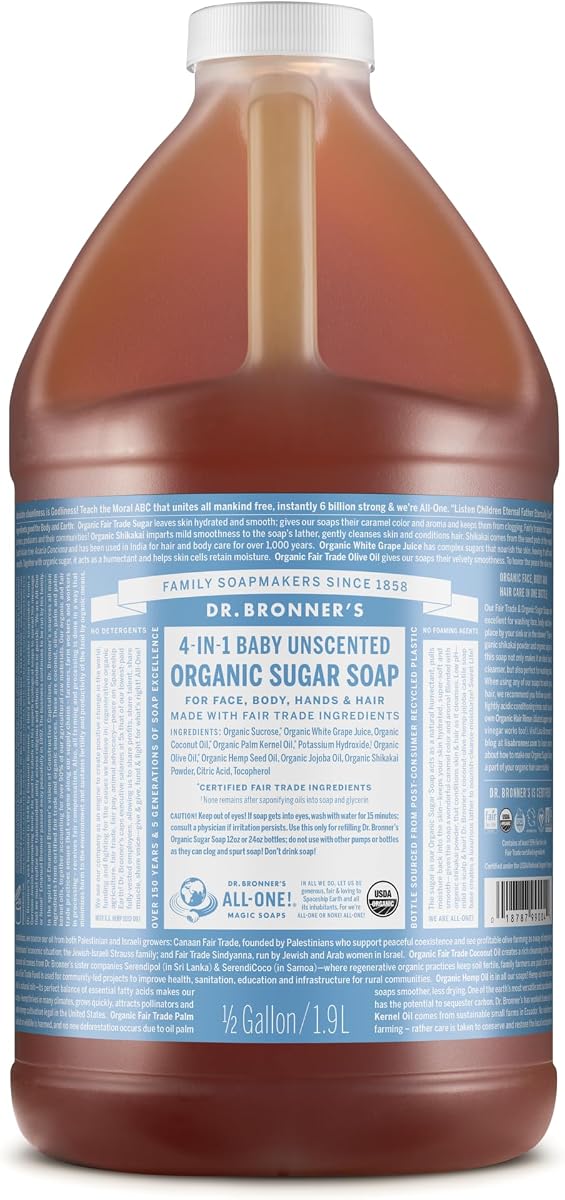
A multi-use, fair-trade organic soap that is gentle enough for pets yet effective at removing grime and odors.

The gold standard for ethical personal and pet care. Dr. Bronner’s Peppermint Pure-Castile Soap is biodegradable, fair trade, and highly concentrated for multi-purpose use.

A legendary multi-use soap that is widely recommended by groomers for pets due to its organic, fair-trade ingredients and complete lack of synthetic detergents.

The ultimate multi-tasker for minimalist hosts; one bottle can wash hands, body, hair, and even dishes.
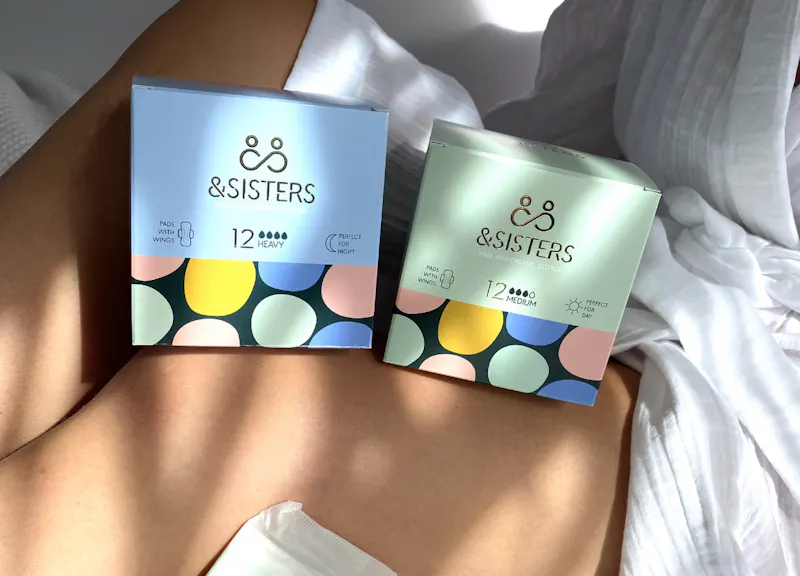
A UK-based, women-owned B Corp offering the highest ethical standard in menstrual care. This bulk 'Sisterhood' bundle features GOTS organic cotton tampons and pads with RSPO-segregated inputs, ensuring zero deforestation.

The gold standard of ethical soaps, featuring regenerative organic palm oil and a legacy of fair-trade advocacy and radical transparency.
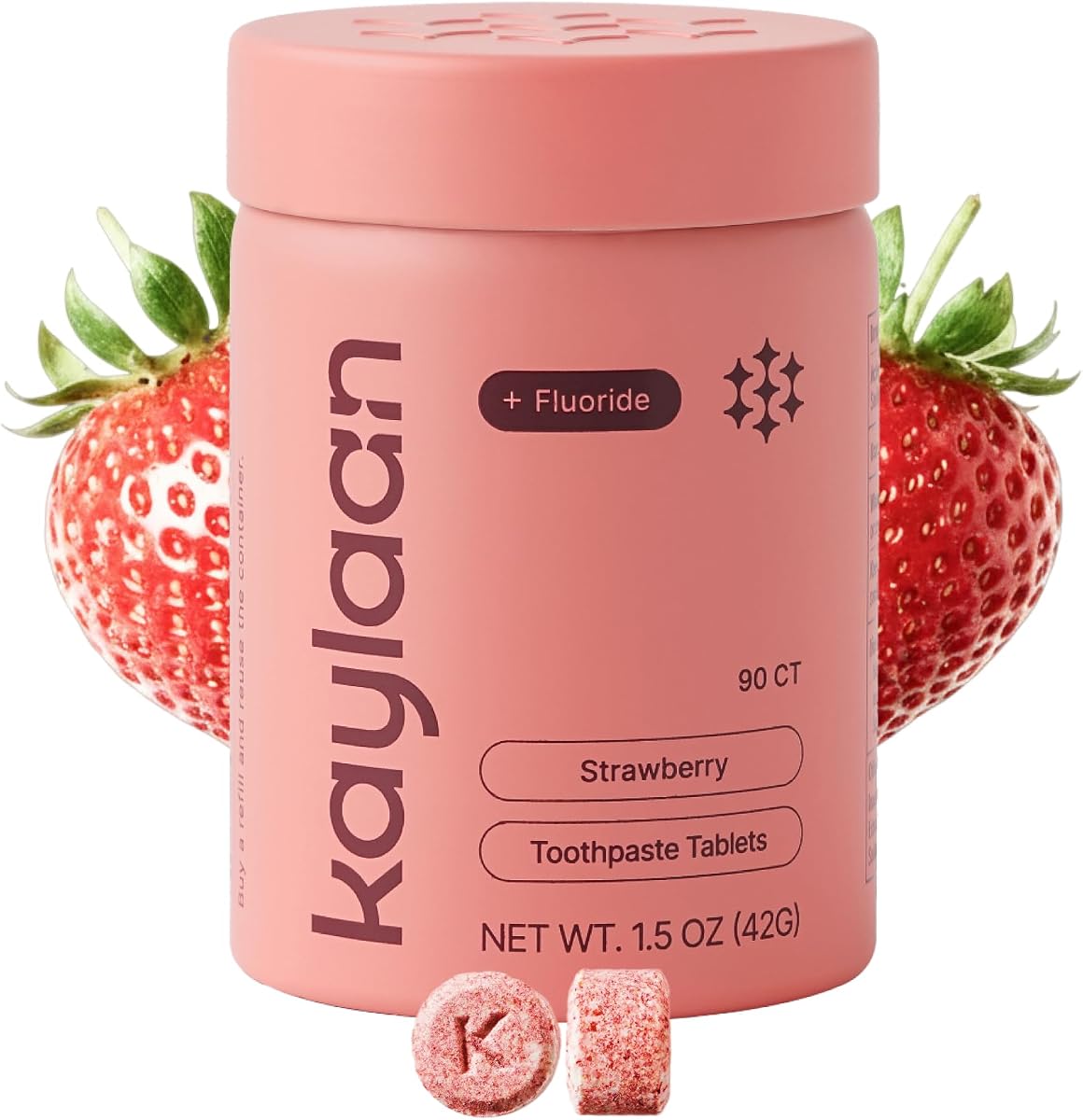
A zero-waste oral care system consisting of fluoride-free tablets in a refillable glass jar, featuring ingredients sourced from ethical Eastern European partners.

A high-potency, carbon-extracted rosehip oil designed specifically for sensitive skin, backed by rigorous B Corp standards and organic agricultural sourcing.
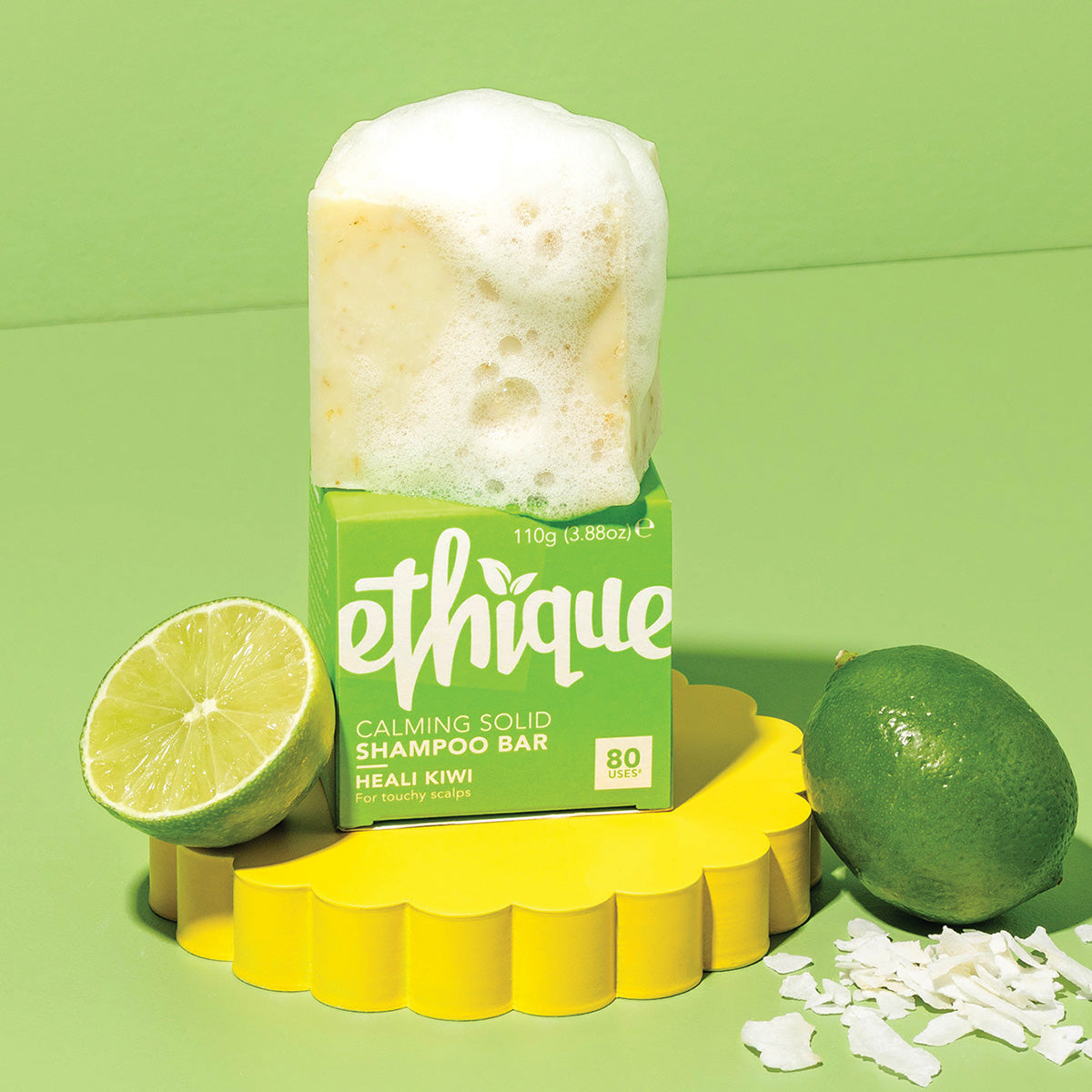
A plastic-free, highly concentrated shampoo bar that replaces three plastic bottles, featuring fair-trade ingredients and carbon-neutral shipping.

A popular, high-volume alternative to plastic pens, made from meadow grass and BPA-free plastic, featuring a safe, non-toxic ink formula.

A moisturizing, sulfate-free bubble bath featuring handcrafted fair-trade shea butter and calming lavender oil.

A fully recyclable, zero-plastic alternative to traditional vinyl binders, designed for lifetime durability and ultimate circularity.
What Bic is rated on
Bic is rated primarily on its environmental impact and animal testing policy. The company uses FSC-certified paper for certain notebooks and office paper, which is a positive step. However, its core product lines—disposable pens, lighters, and razors—are made from virgin plastics and are not easily recyclable. Bic states it does not test finished products on animals, but because it sells in mainland China, it cannot rule out that some ingredient suppliers may conduct post-market tests required by local regulations. Bic has not achieved any third-party certification for cruelty-free status, fair labor, or overall sustainability.
How the alternatives were picked
The alternatives in this guide were selected based on three criteria: (1) they avoid selling in markets that require animal testing, (2) they use recycled, biodegradable, or refillable materials to reduce plastic waste, and (3) they hold recognized ethical certifications such as B Corp, Leaping Bunny, or Cradle to Cradle. For stationery, we focused on brands using plant-based inks and refillable pens. For personal care, we prioritized razors with stainless steel handles and replaceable blades, and lighters made from recycled metal or that are refillable. None of the alternatives rely on single-use plastic disposability as a core design feature.
What to check on the label
When shopping for ethical alternatives, look for the following on product labels or brand websites: Certifications – Leaping Bunny or PETA’s Beauty Without Bunnies logo for cruelty-free assurance; FSC or recycled content logos for paper and packaging; B Corp certification for overall social and environmental responsibility. Materials – Avoid terms like “disposable” or “single-use” and look for “stainless steel,” “recycled plastic,” or “biodegradable plant-based.” Refillable design – Prefer products that offer refill cartridges or replaceable blades over entirely new units. Country of sale – Check if the brand sells in China; if so, ask about their ingredient testing policy.
How to judge a suggested brand alternative
An alternatives page is a starting shortlist, not proof that one brand is universally better than another. The suggestions come from our catalogue: published products in a similar category with a recorded ethics score. They answer a narrow question — which products we list might fit the same need — and they cannot tell you which option performs best, suits your skin or diet, or matches your budget.
Match the job before the score
Start with what the original product does for you: format, size, scent, skin or dietary requirements and where you buy it. A higher-scoring alternative is not useful if it comes in a format you cannot use or is not sold where you shop. Check the alternative's full record — purpose, ingredients, price and seller — before treating it as a replacement.
Compare evidence, not impressions
Read certifications at their stated scope: a scheme may cover one range, one material or a named entity rather than a whole brand. An animal-free ingredient list and an animal-testing policy are separate questions, and a parent company's record is a third. Where a claim matters to you, confirm it in the scheme's own directory or the manufacturer's current statement rather than relying on a badge alone.
Keep the limits of the comparison visible
Catalogue scores are AI-assisted assessments with documented limitations, not laboratory measurements. A missing score is a data gap, not a failing grade. The original brand's presence here reflects what our records contain, which may omit reformulations, regional differences or newer certifications. For health, safety or recall concerns, use official sources rather than any score.
| Check | Where to confirm it | Avoid assuming |
|---|---|---|
| Does the alternative do the same job? | Its full product record and the maker's current description | A similar category means a like-for-like replacement |
| Is a claimed certification current? | The certification scheme's official directory | A badge covers the whole brand or group |
| Is it actually available to you? | The retailer's current listing, price and delivery | A catalogue price tier is a live quote |
Frequently asked about Bic alternatives
Does Bic test on animals?+
Bic states it does not test finished products on animals, but because it sells in mainland China, it cannot guarantee that third-party ingredient suppliers avoid post-market animal testing required by Chinese regulations. Bic does not carry a Leaping Bunny or PETA cruelty-free certification.
Are Bic pens recyclable?+
Most Bic pens are made from mixed plastics that are difficult to recycle through standard curbside programs. The company offers a small number of pens made with 74% recycled plastic, but the majority are virgin plastic and not recyclable in typical municipal systems.
What ethical certifications does Bic have?+
Bic holds FSC certification for some of its paper products (e.g., notebooks, office paper). It does not have B Corp, Fair Trade, Cradle to Cradle, or Leaping Bunny certifications for its overall operations or other product categories.
What are the best eco-friendly alternatives to Bic lighters?+
Look for refillable metal lighters from brands like Clipper (some models) or reusable electric arc lighters. Avoid disposable plastic lighters entirely. Check that the brand does not sell in China to ensure no animal testing issues.