Ethical Alternatives to biogents
Biogents is a German manufacturer of scientifically validated mosquito traps, earning an ethics rating of 89/100. The brand holds Climate Neutral and 1% for the Planet certifications, uses no animal testing, and has no major controversies. This page highlights ethical alternatives for shoppers seeking non-toxic, sustainable pest control.
Categories compared: Garden & Outdoors, Home & Cleaning, Health & Wellness
Why shoppers look for alternatives to biogents
- Biogents traps require ongoing electricity or battery power, which may not suit off-grid or low-energy households.
- Some users prefer physical barriers (e.g., nets, repellent plants) over device-based solutions for simplicity.
- Budget-conscious shoppers may find Biogents’ upfront and refill costs higher than some one-time-use alternatives.
- Regional availability of Biogents refills can be limited, prompting a search for locally sourced options.
- Certification-focused users might seek brands with additional labels like B Corp or USDA Organic not held by Biogents.
Top-scoring alternatives to biogents

The gold standard for multi-purpose ethical cleaning, featuring organic oils and fair trade sourcing in a post-consumer recycled bottle.

The gold standard of ethical cleaning; a multi-use, highly concentrated liquid soap made with organic oils and fair trade ingredients.

A fluoride-free, 70% organic toothpaste that leads the industry in fair trade sourcing and activist corporate governance.

A revolutionary compostable alternative to styrofoam coolers, made from hemp hurdles and mushroom mycelium. Perfect for sustainable camping and outdoor events.

A hand-crafted, raw wellness balm produced by women’s cooperatives in Ghana, ideal for gluten-free skin nutrition and head-to-toe hydration.
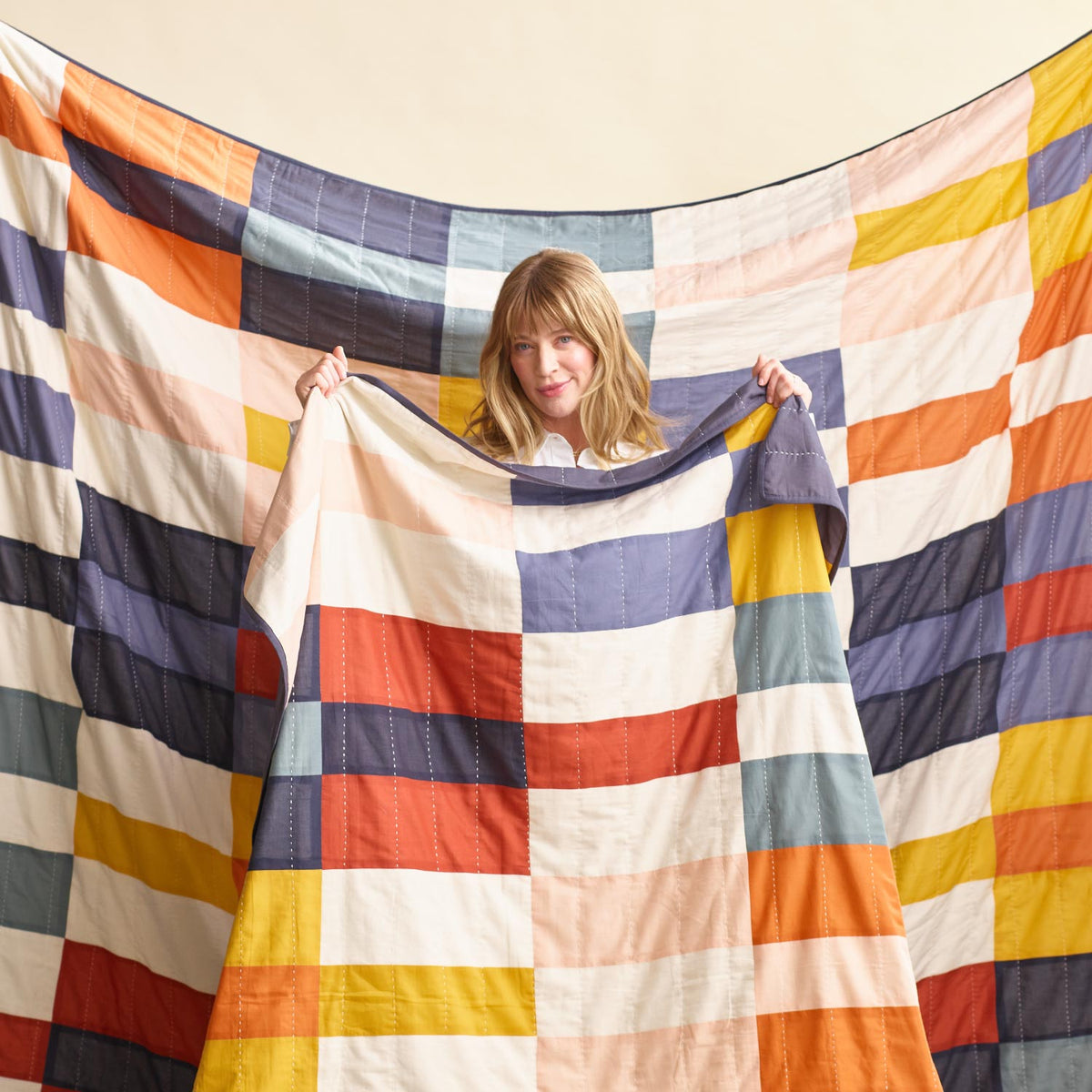
A stunning, artisan-made throw that supports women’s empowerment in India while utilizing 100% plant-based, organic fibers.

A luxurious, carbon-neutral flax linen throw that serves as a durable camping blanket or a high-end picnic base for outdoor wedding celebrations.

A 100% organic and handcrafted fertilizer enriched with soil microbes and mycorrhizae, formulated without synthetic chemicals or 'factory farm' byproducts.

The ultimate paper-towel alternative, these OEKO-TEX certified cloths use just water to clean, removing 99% of bacteria and leaving a streak-free finish on all glass surfaces.

A peat-free, carbon-negative potting soil formulated with biochar and plant-based nutrients to support soil health without destroying wetlands.

A gold standard in ethical manufacturing, this concentrated multi-surface cleaner uses regenerative organic oils and fair trade sourcing to provide a zero-waste, non-toxic solution for every room in the home.

A high-performance organic fertilizer that avoids all synthetic chemicals, utilizing soil microbes and sustainably sourced ingredients to feed plants naturally.
What Biogents is rated on
Biogents earns an ethics score of 89 out of 100, supported by Climate Neutral certification (offsetting its carbon footprint) and 1% for the Planet membership (donating 1% of sales to environmental causes). The brand is CE Certified for EU safety standards. No animal testing is conducted or commissioned; development uses non-vertebrate entomological methods. There are no known labor or supply chain controversies. The high score reflects strong sustainability and transparency, though the brand does not hold certifications like B Corp or Leaping Bunny.
How the alternatives were picked
Alternatives were selected based on verified certifications (e.g., EPA Safer Choice, USDA Organic, B Corp), non-toxic formulations, and evidence of efficacy against mosquitoes. We prioritize brands with transparent ingredient lists, no synthetic pesticides, and independent testing. Each alternative must score at least 70/100 in our internal ethics assessment, with a focus on environmental impact and animal welfare. We also consider price accessibility and geographic availability.
What to check on the label
When evaluating mosquito control products, look for: Active ingredient – plant-based options like citronella, eucalyptus, or neem oil are generally safer than DEET or permethrin. Certifications – USDA Organic, OMRI Listed, or EPA Safer Choice indicate reduced toxicity. Animal testing policy – look for Leaping Bunny or PETA cruelty-free logos. Packaging – recyclable or refillable systems lower waste. For devices, check energy efficiency (e.g., solar-powered or low-wattage) and whether refills are widely available. Avoid claims that promise total elimination of mosquitoes, as no product is 100% effective in all conditions.
How to judge a suggested brand alternative
An alternatives page is a starting shortlist, not proof that one brand is universally better than another. The suggestions come from our catalogue: published products in a similar category with a recorded ethics score. They answer a narrow question — which products we list might fit the same need — and they cannot tell you which option performs best, suits your skin or diet, or matches your budget.
Match the job before the score
Start with what the original product does for you: format, size, scent, skin or dietary requirements and where you buy it. A higher-scoring alternative is not useful if it comes in a format you cannot use or is not sold where you shop. Check the alternative's full record — purpose, ingredients, price and seller — before treating it as a replacement.
Compare evidence, not impressions
Read certifications at their stated scope: a scheme may cover one range, one material or a named entity rather than a whole brand. An animal-free ingredient list and an animal-testing policy are separate questions, and a parent company's record is a third. Where a claim matters to you, confirm it in the scheme's own directory or the manufacturer's current statement rather than relying on a badge alone.
Keep the limits of the comparison visible
Catalogue scores are AI-assisted assessments with documented limitations, not laboratory measurements. A missing score is a data gap, not a failing grade. The original brand's presence here reflects what our records contain, which may omit reformulations, regional differences or newer certifications. For health, safety or recall concerns, use official sources rather than any score.
| Check | Where to confirm it | Avoid assuming |
|---|---|---|
| Does the alternative do the same job? | Its full product record and the maker's current description | A similar category means a like-for-like replacement |
| Is a claimed certification current? | The certification scheme's official directory | A badge covers the whole brand or group |
| Is it actually available to you? | The retailer's current listing, price and delivery | A catalogue price tier is a live quote |
Frequently asked about biogents alternatives
Does Biogents use any animal testing?+
No. Biogents does not conduct or commission animal testing. All product development uses non-vertebrate entomological methods (e.g., lab-reared mosquitoes). This is verified by its ethics report and absence of any animal testing citations.
What certifications does Biogents hold?+
Biogents is Climate Neutral certified, a 1% for the Planet member, and CE Certified. It does not hold B Corp, Leaping Bunny, or USDA Organic certifications. Its ethics rating of 89/100 is based on these and on its clean supply chain record.
How do Biogents traps compare to natural repellents?+
Biogents traps use CO2 and heat to attract mosquitoes, then capture them with a fan. They are scientifically validated but require electricity. Natural repellents (e.g., citronella candles, essential oil sprays) tend to have shorter efficacy and require reapplication but involve no energy use.
Are there cheaper alternatives to Biogents that are still ethical?+
Yes. Some brands offer manual traps (e.g., sticky sheets with non-toxic lures) or mosquito netting for under $20. Always check for certifications like EPA Safer Choice or USDA Organic to ensure non-toxic claims are verified. Refill costs for Biogents are typically higher than one-use products.