Ethical Alternatives to Bob's Red Mill
Bob's Red Mill is a well-regarded family-owned brand known for whole grains, flours, and baking mixes, with strong ethical credentials as a certified B Corp. However, some shoppers may seek alternatives due to its presence in mainland China, price points, or desire for even more localized sourcing. This page highlights ethical alternatives that share core commitments to transparency, sustainability, and quality.
Categories compared: Food & Nutrition, Health & Wellness
Why shoppers look for alternatives to Bob's Red Mill
- Bob's Red Mill sells products in mainland China, which may conflict with some shoppers' values regarding supply chain distance or geopolitical concerns.
- Price point: Bob's Red Mill products can be higher cost compared to bulk or store-brand alternatives, prompting budget-conscious ethical shoppers to look elsewhere.
- Local sourcing preference: While Bob's Red Mill is based in Oregon, some consumers prefer brands that source grains exclusively from within their region or country.
- Product specialization: For shoppers needing specific dietary certifications (e.g., organic-only line), Bob's Red Mill offers select USDA Organic items, but not across its full range.
Top-scoring alternatives to Bob's Red Mill

The gold standard for ethical food production, this coconut oil uses regenerative organic practices and fair trade labor to set a benchmark for corporate responsibility.

A fluoride-free, 70% organic toothpaste that leads the industry in fair trade sourcing and activist corporate governance.
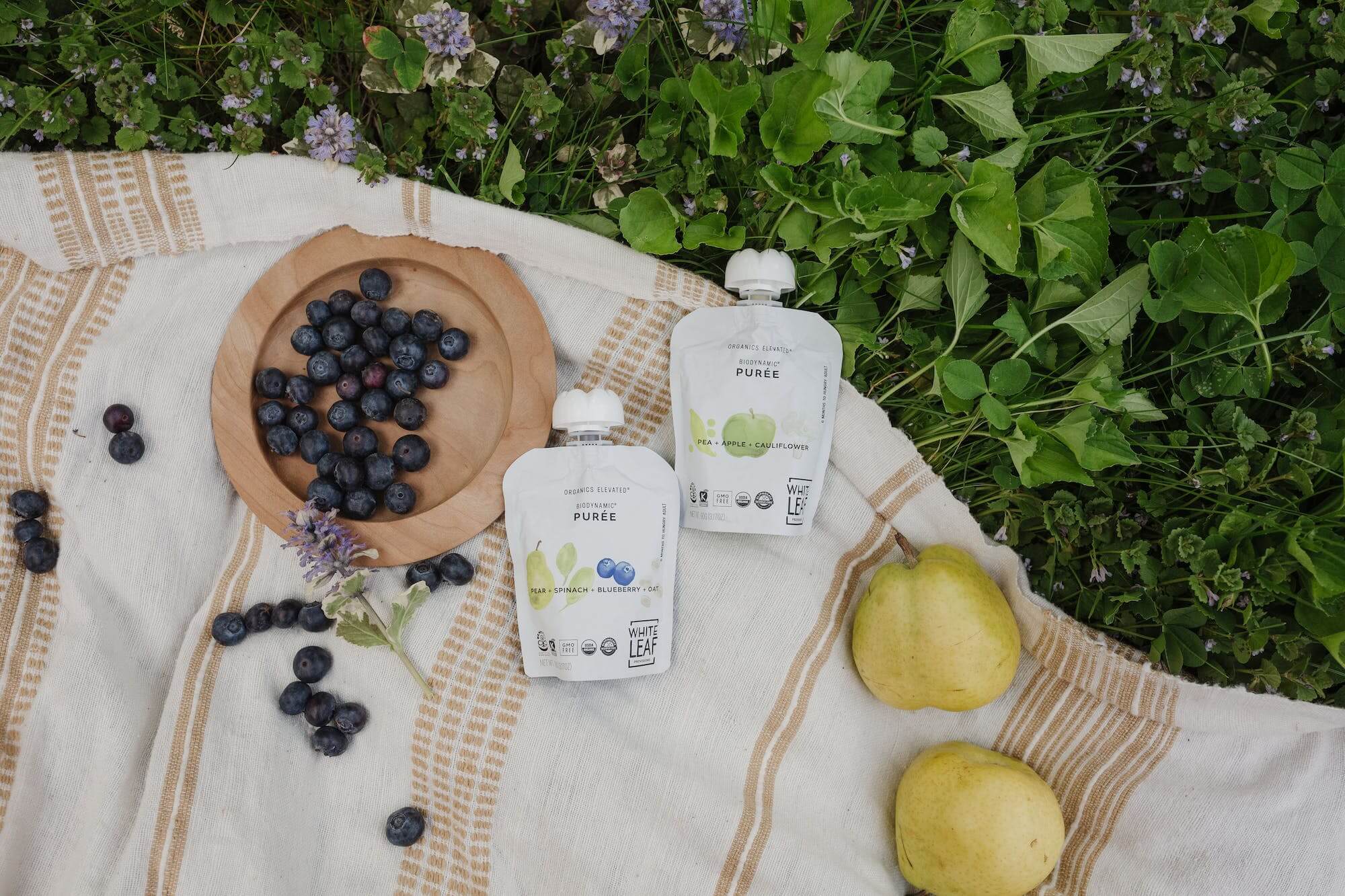
The gold standard in baby food, offering Demeter-certified biodynamic ingredients that exceed organic standards for soil health and purity.

A gold standard in ethical confectionery, combining fair-pay labor practices with regenerative cocoa farming that restores biodiversity in the Ivory Coast and Ghana.
A gold standard in ethical confectionery, using regenerative farming to combat climate change while ensuring living wages for cocoa farmers.

A hand-crafted, raw wellness balm produced by women’s cooperatives in Ghana, ideal for gluten-free skin nutrition and head-to-toe hydration.

Exquisite heirloom Malagasy cocoa produced entirely at the source in Madagascar. This professional-grade bulk trunk supports direct-trade and lemur habitat conservation.

A nutrient-dense heirloom grain sourced through fully transparent supply chains that support regenerative farming practices in the Peruvian Andes.

A gold-standard adaptogenic supplement produced through regenerative agriculture and fair trade partnerships with small family farmers in India.

A women-owned B Corp that prioritizes equitable purchasing and environmental stewardship through long-term farmer partnerships.

The gold standard in European baby food, Holle's Demeter-certified porridges offer chemical-free nutrition for infants. A top-rated staple for health-conscious parents in urban environments.

A premium, hypoallergenic lumbar support pillow made from 100% GOLS organic certified latex and GOTS organic cotton, ideal for posture correction during downsizing transitions.
What Bob's Red Mill is rated on
Bob's Red Mill holds a Certified B Corporation status, reflecting strong performance in governance, workers, community, and environment. It is also Non-GMO Project Verified for many products, offers select USDA Organic items, and is certified gluten-free by GFCO. The brand does not conduct animal testing. However, its broader product line—including conventional grains—may not all carry organic certification, and its supply chain extends to mainland China, which some ethical shoppers prefer to avoid.
How the alternatives were picked
The alternatives listed here were chosen based on publicly available certifications and disclosures. Each brand is either a certified B Corp, USDA Organic, Non-GMO Project Verified, or has a strong documented commitment to ethical sourcing without selling in mainland China. We prioritized brands that offer whole grains, flours, and baking mixes comparable to Bob's Red Mill's core categories (Food & Nutrition, Health & Wellness). All alternatives have clear allergen management and avoid animal testing.
What to check on the label
When evaluating alternatives, look for these key certifications and claims: USDA Organic or Non-GMO Project Verified for ingredient integrity; GFCO or Certified Gluten-Free if needed; B Corp or Fair Trade for verified ethical operations. Also check country of origin and whether the company sells in mainland China—many independent ethical brands avoid that market. Price per pound and packaging recyclability (e.g., paper vs. plastic) are additional factors.
How to judge a suggested brand alternative
An alternatives page is a starting shortlist, not proof that one brand is universally better than another. The suggestions come from our catalogue: published products in a similar category with a recorded ethics score. They answer a narrow question — which products we list might fit the same need — and they cannot tell you which option performs best, suits your skin or diet, or matches your budget.

Match the job before the score
Start with what the original product does for you: format, size, scent, skin or dietary requirements and where you buy it. A higher-scoring alternative is not useful if it comes in a format you cannot use or is not sold where you shop. Check the alternative's full record — purpose, ingredients, price and seller — before treating it as a replacement.
Compare evidence, not impressions
Read certifications at their stated scope: a scheme may cover one range, one material or a named entity rather than a whole brand. An animal-free ingredient list and an animal-testing policy are separate questions, and a parent company's record is a third. Where a claim matters to you, confirm it in the scheme's own directory or the manufacturer's current statement rather than relying on a badge alone.
Keep the limits of the comparison visible
Catalogue scores are AI-assisted assessments with documented limitations, not laboratory measurements. A missing score is a data gap, not a failing grade. The original brand's presence here reflects what our records contain, which may omit reformulations, regional differences or newer certifications. For health, safety or recall concerns, use official sources rather than any score.
| Check | Where to confirm it | Avoid assuming |
|---|---|---|
| Does the alternative do the same job? | Its full product record and the maker's current description | A similar category means a like-for-like replacement |
| Is a claimed certification current? | The certification scheme's official directory | A badge covers the whole brand or group |
| Is it actually available to you? | The retailer's current listing, price and delivery | A catalogue price tier is a live quote |
Frequently asked about Bob's Red Mill alternatives
Does Bob's Red Mill test on animals?+
No. Bob's Red Mill does not conduct or commission animal testing on any of its products or ingredients.
Are all Bob's Red Mill products organic?+
No. Only select Bob's Red Mill products carry USDA Organic certification. Many are Non-GMO Project Verified but not organic.
Why avoid brands that sell in mainland China?+
Some ethically conscious shoppers choose to avoid brands with distribution in China due to concerns about supply chain transparency, labor standards, or political alignment. It is a personal value-based decision.
What are the main ethical alternatives to Bob's Red Mill for whole grains?+
Brands like Arrowhead Mills, Lundberg Family Farms, and One Degree Organic Foods offer similar whole grain and flour products with strong organic and Non-GMO credentials, and most do not sell in China.