Ethical Alternatives to Bounce
Bounce is a UK-based brand known for its plant-based protein balls and energy snacks, with strong commitments to vegan ingredients, ethical sourcing, and minimal environmental impact. While Bounce holds Vegan Society, Gluten-Free, and Kosher certifications, some shoppers seek alternatives for specific ethical or dietary reasons. This page lists independently vetted options that match or exceed Bounce's standards.
Categories compared: Food & Nutrition, Health & Wellness, Sports & Fitness
Why shoppers look for alternatives to Bounce
- Bounce products often contain palm oil, which may raise sustainability concerns despite their ethical sourcing claims.
- Some users seek lower sugar content options as Bounce protein balls can be higher in natural sugars from dates.
- Price point: Bounce snacks are premium-priced; alternatives may offer comparable ethics at a lower cost.
- Packaging: Bounce uses plastic wrappers; some shoppers prefer brands with compostable or fully recyclable packaging.
- Flavor variety: Bounce offers limited flavor options compared to smaller ethical brands with more diverse recipes.
Top-scoring alternatives to Bounce

The gold standard for ethical food production, this coconut oil uses regenerative organic practices and fair trade labor to set a benchmark for corporate responsibility.

A fluoride-free, 70% organic toothpaste that leads the industry in fair trade sourcing and activist corporate governance.
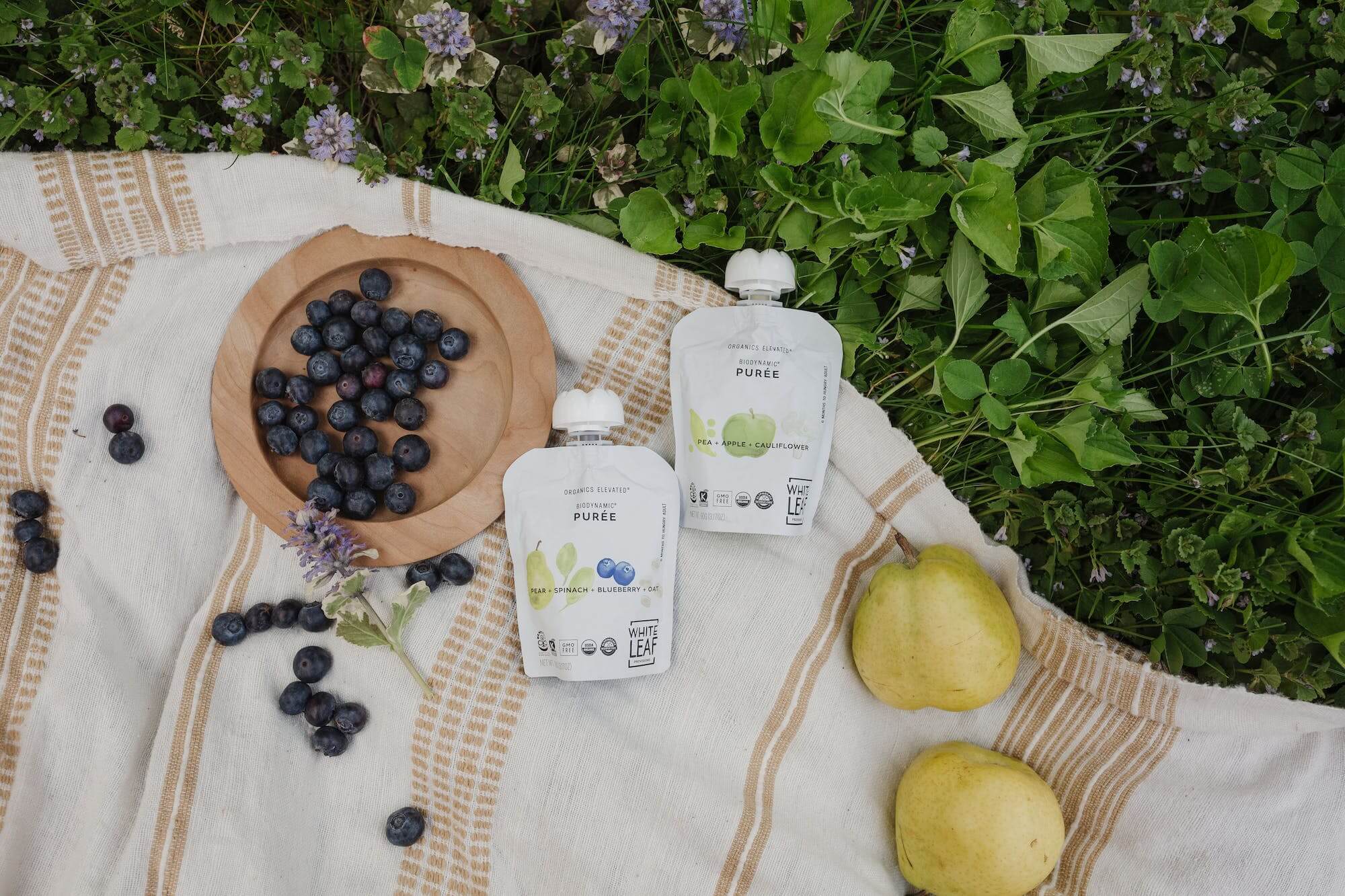
The gold standard in baby food, offering Demeter-certified biodynamic ingredients that exceed organic standards for soil health and purity.

A gold standard in ethical confectionery, combining fair-pay labor practices with regenerative cocoa farming that restores biodiversity in the Ivory Coast and Ghana.
A gold standard in ethical confectionery, using regenerative farming to combat climate change while ensuring living wages for cocoa farmers.

A hand-crafted, raw wellness balm produced by women’s cooperatives in Ghana, ideal for gluten-free skin nutrition and head-to-toe hydration.

Exquisite heirloom Malagasy cocoa produced entirely at the source in Madagascar. This professional-grade bulk trunk supports direct-trade and lemur habitat conservation.

A nutrient-dense heirloom grain sourced through fully transparent supply chains that support regenerative farming practices in the Peruvian Andes.

A rugged, weather-resistant gym and travel bag made from 100% recycled body fabric, lining, and webbing.
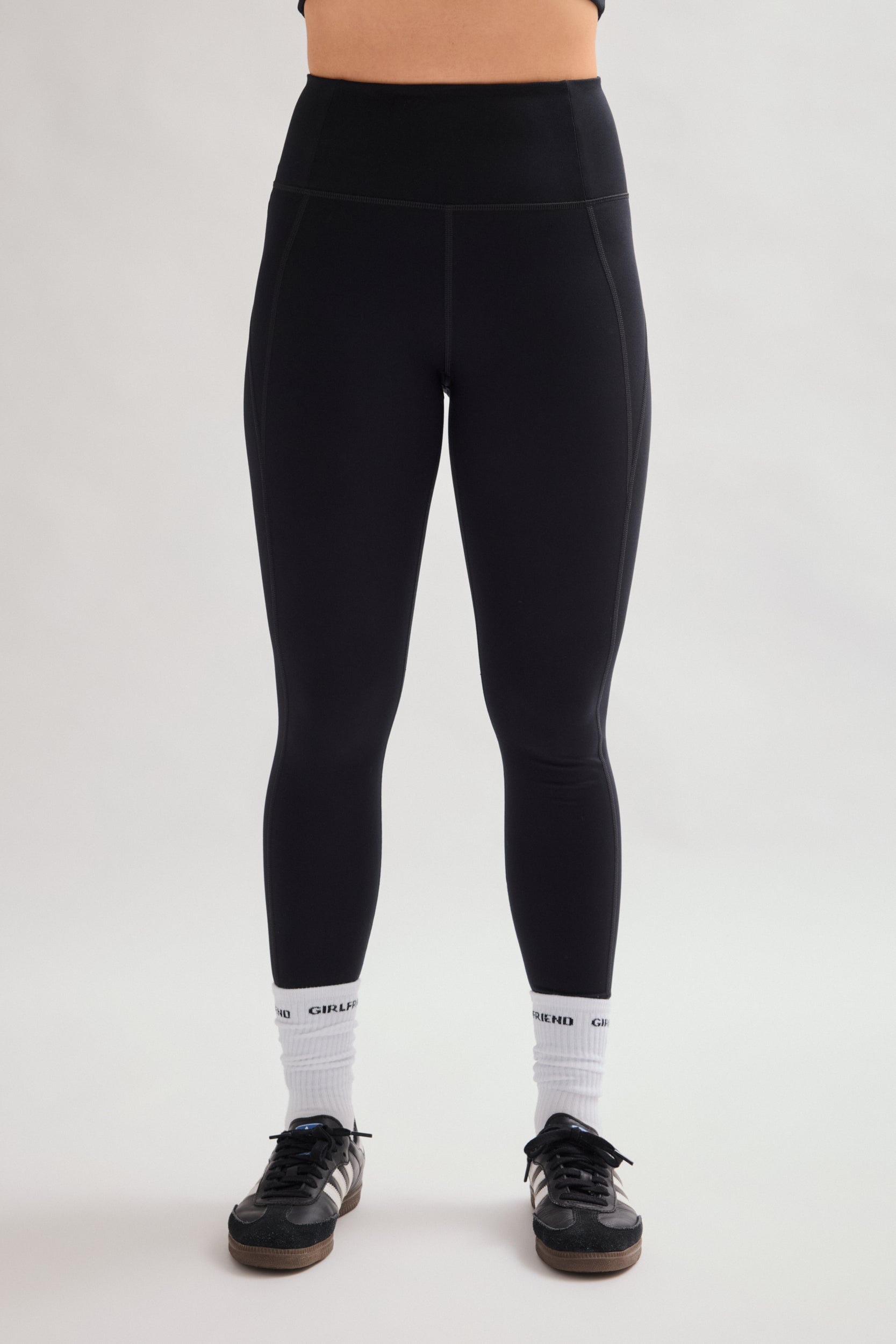
Inclusive, ethical, and recycled. These leggings are made from 25 recycled water bottles and are sewn in a factory that guarantees fair wages and safe conditions.

High-rise, compressive activewear shorts made from 79% recycled plastic bottles (RPET) in a transparent, fair-trade facility.

A gold-standard adaptogenic supplement produced through regenerative agriculture and fair trade partnerships with small family farmers in India.
What Bounce is rated on
Bounce is rated on its core commitments: vegan certification by the Vegan Society, gluten-free status via the Gluten-Free Certification Program, and kosher certification by KLBD. The brand also emphasizes no animal testing and no animal-derived ingredients. However, independent ethical shopping sites also consider sourcing transparency, packaging sustainability, labor practices, and ingredient simplicity.
How the alternatives were picked
Each alternative listed here has been cross-checked against Bounce’s certifications where possible. We prioritize brands that carry at least two of the same certifications (Vegan Society, Gluten-Free, Kosher) and that are independently owned or B Corp certified. We exclude any brand using palm oil from non-RSPO sources, artificial sweeteners, or plastic-heavy packaging. Each alternative was evaluated on nutritional profile (especially sugar per serving), ingredient traceability, and carbon footprint data where publicly available.
What to check on the label
When comparing alternatives to Bounce, look for Vegan Society Registered or equivalent logos to avoid hidden animal ingredients like honey or whey. Check for Gluten-Free Certification if you need it — Bounce holds this. Also verify Kosher certification (KLBD or similar) if required. For ethical sourcing, seek brands that list protein source origins (e.g., UK-grown peas, non-GMO). Review sugar content per 100g — Bounce products range about 20–30g per 100g; lower is possible. Finally, note packaging material: compostable wrappers or paper-based packaging score higher on environmental metrics. Avoid brands that use animal testing, use artificial preservatives, or lack clear allergen labeling.
How to judge a suggested brand alternative
An alternatives page is a starting shortlist, not proof that one brand is universally better than another. The suggestions come from our catalogue: published products in a similar category with a recorded ethics score. They answer a narrow question — which products we list might fit the same need — and they cannot tell you which option performs best, suits your skin or diet, or matches your budget.
Match the job before the score
Start with what the original product does for you: format, size, scent, skin or dietary requirements and where you buy it. A higher-scoring alternative is not useful if it comes in a format you cannot use or is not sold where you shop. Check the alternative's full record — purpose, ingredients, price and seller — before treating it as a replacement.
Compare evidence, not impressions
Read certifications at their stated scope: a scheme may cover one range, one material or a named entity rather than a whole brand. An animal-free ingredient list and an animal-testing policy are separate questions, and a parent company's record is a third. Where a claim matters to you, confirm it in the scheme's own directory or the manufacturer's current statement rather than relying on a badge alone.
Keep the limits of the comparison visible
Catalogue scores are AI-assisted assessments with documented limitations, not laboratory measurements. A missing score is a data gap, not a failing grade. The original brand's presence here reflects what our records contain, which may omit reformulations, regional differences or newer certifications. For health, safety or recall concerns, use official sources rather than any score.
| Check | Where to confirm it | Avoid assuming |
|---|---|---|
| Does the alternative do the same job? | Its full product record and the maker's current description | A similar category means a like-for-like replacement |
| Is a claimed certification current? | The certification scheme's official directory | A badge covers the whole brand or group |
| Is it actually available to you? | The retailer's current listing, price and delivery | A catalogue price tier is a live quote |
Frequently asked about Bounce alternatives
Are there Bounce alternatives that avoid palm oil entirely?+
Yes. Several small UK-based protein ball brands use coconut oil or nut butters instead of palm oil. Always check the ingredient list — palm oil can also appear as 'vegetable oil' or 'palm kernel oil'. Brands like Deliciously Ella and Misfit Health Co. clearly label palm-free recipes.
Do any Bounce alternatives have a lower sugar content?+
Bounce products typically contain 20–30g sugar per 100g from dates. Alternatives like 'Noble' or 'Pulsin' protein bites often use stevia or monk fruit, bringing sugar down to under 10g per 100g while maintaining vegan and gluten-free certifications.
How do I verify a brand's vegan certification if it's not Vegan Society?+
Look for logos from The Vegan Society, Vegan Action, or Vegan Trademark. Some brands use 'Certified Vegan' by Vegan Action. If no logo is present, review the ingredients list for hidden animal products such as honey, beeswax, whey, casein, or shellac. Bounce uses Vegan Society certification — we recommend you only trust third-party verified claims.
Are there Bounce alternatives with compostable packaging?+
Yes. Brands like 'Urban Fruit' and 'Bear' use paper-based wrappers or home-compostable films. Always check the disposal instructions — some need industrial composting. Bounce uses plastic wrappers (code 4 LDPE), which are recyclable but often not recycled due to small size.