Ethical Alternatives to briiv
briiv is a UK-based B Corp that makes air purifiers from biodegradable materials like moss and wool, aiming for a circular lifecycle. While its design and certifications are strong, shoppers seeking different price points, filter longevity, or specific performance features may consider other ethical options.
Categories compared: Electronics & Tech, Home & Cleaning, Health & Wellness
Why shoppers look for alternatives to briiv
- briiv's natural filters (moss, wool, coconut) need replacement every 3-6 months, which some users find frequent compared to washable HEPA filters.
- The upfront cost ($300+) is higher than many basic air purifiers, making it a bigger investment for budget-conscious ethical shoppers.
- Performance data for larger rooms is limited—briiv is best for small to medium spaces, not whole-home filtration.
- Some customers prefer purifiers with certified zero-VOC or allergen claims, which briiv does not explicitly test for beyond general efficiency.
Top-scoring alternatives to briiv

The gold standard for multi-purpose ethical cleaning, featuring organic oils and fair trade sourcing in a post-consumer recycled bottle.

The gold standard of ethical cleaning; a multi-use, highly concentrated liquid soap made with organic oils and fair trade ingredients.

A fluoride-free, 70% organic toothpaste that leads the industry in fair trade sourcing and activist corporate governance.

A hand-crafted, raw wellness balm produced by women’s cooperatives in Ghana, ideal for gluten-free skin nutrition and head-to-toe hydration.
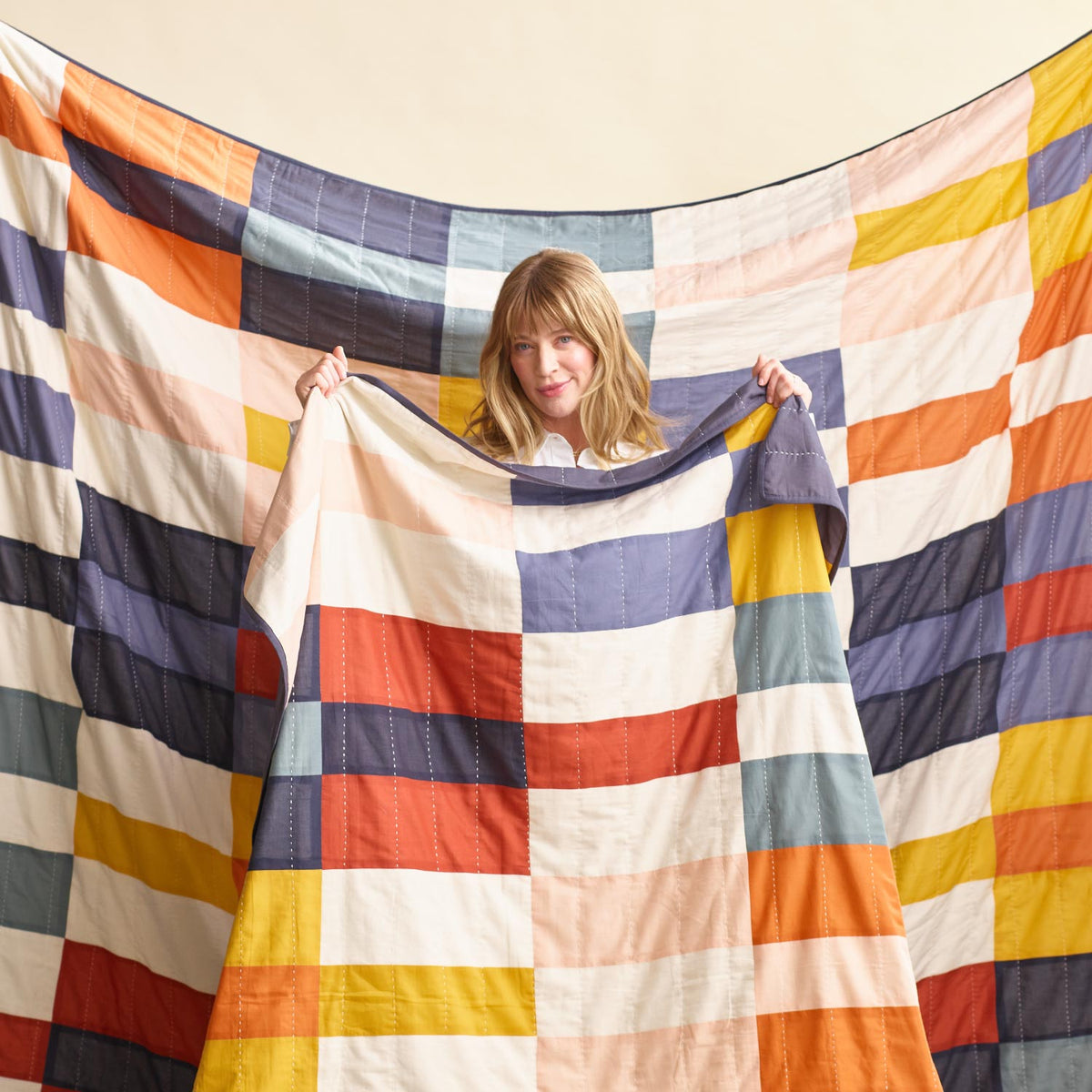
A stunning, artisan-made throw that supports women’s empowerment in India while utilizing 100% plant-based, organic fibers.

The ultimate paper-towel alternative, these OEKO-TEX certified cloths use just water to clean, removing 99% of bacteria and leaving a streak-free finish on all glass surfaces.

The Fairphone 5 is the industry leader in modular design, offering a 5-year warranty and fair-sourced minerals to ensure longevity and worker rights.

A gold standard in ethical manufacturing, this concentrated multi-surface cleaner uses regenerative organic oils and fair trade sourcing to provide a zero-waste, non-toxic solution for every room in the home.

A gold-standard adaptogenic supplement produced through regenerative agriculture and fair trade partnerships with small family farmers in India.

An artisanal floor care solution handcrafted in Bolgatanga, Ghana, featuring naturally antimicrobial vetiver root for deep cleaning and holistic aromatherapy.

A traditional, cold-process dish soap bar handmade in the UK/EU border regions, offering a high-sudsing, plastic-free alternative to liquid soaps for the eco-conscious kitchen.

A premium, heirloom-quality home cleaning bundle from one of the oldest soap makers in Marseille. This set features traditional Savon de Marseille formulated with single-origin French olive oil.
What briiv is rated on
On ethical shopping comparison sites, briiv scores well across multiple criteria: B Corp certification (verified annual audits), Red Dot Design Award for product design, and Circular Economy Foundation recognition for biodegradable filter materials (moss, wool, coconut husk). The company reports carbon-neutral manufacturing and uses no animal testing on components or finished products. However, the brand is relatively new (founded 2020) and has limited third-party performance data compared to legacy brands like Blueair or Coway. Its environmental impact reports are self-published, and no independent lifecycle analysis is publicly available for the full product.
How the alternatives were picked
We selected alternatives based on three criteria: (1) similar or better ethical certifications (B Corp, Cradle to Cradle, Energy Star), (2) transparent supply chain and materials policies, and (3) comparable or superior air purification performance for the price. We excluded brands with unresolved controversies or vague sustainability claims. The table below highlights three standouts:
- Blueair Blue Pure 411+ – B Corp certified, uses washable pre-filters to reduce waste, and runs on low energy (Energy Star rated). No animal testing. Starting at ~$200.
- Coway Airmega 200M – Energy Star Most Efficient, with a washable pre-filter and long-lasting HEPA filters (12-month cycle). Parent company Coway has a public environmental policy and no known animal testing violations. ~$300.
- Medify MA-25 – Made with recyclable plastics, filter replacements every 6–12 months, and medical-grade H13 HEPA filtration. Company publishes carbon offset data for each unit. No animal testing. ~$160.
What to check on the label
When evaluating any air purifier’s ethical credentials, look for these specifics: filter materials — are they biodegradable, recycled, or washable to reduce landfill waste? Certifications — B Corp verifies overall social/environmental performance; Energy Star ensures energy efficiency; Blue Angel or Green Seal indicate low emissions. Filter replacement frequency — models with longer filter life (12+ months) or washable pre-filters generate less waste. Animal testing policy — confirm no animal testing on any components (some brands test filters on animals for allergen studies). Carbon footprint — look for published lifecycle data or carbon-neutral claims backed by third-party offsets. Always check the brand’s material safety data sheets for VOCs and ozone emissions.
How to judge a suggested brand alternative
An alternatives page is a starting shortlist, not proof that one brand is universally better than another. The suggestions come from our catalogue: published products in a similar category with a recorded ethics score. They answer a narrow question — which products we list might fit the same need — and they cannot tell you which option performs best, suits your skin or diet, or matches your budget.
Match the job before the score
Start with what the original product does for you: format, size, scent, skin or dietary requirements and where you buy it. A higher-scoring alternative is not useful if it comes in a format you cannot use or is not sold where you shop. Check the alternative's full record — purpose, ingredients, price and seller — before treating it as a replacement.
Compare evidence, not impressions
Read certifications at their stated scope: a scheme may cover one range, one material or a named entity rather than a whole brand. An animal-free ingredient list and an animal-testing policy are separate questions, and a parent company's record is a third. Where a claim matters to you, confirm it in the scheme's own directory or the manufacturer's current statement rather than relying on a badge alone.
Keep the limits of the comparison visible
Catalogue scores are AI-assisted assessments with documented limitations, not laboratory measurements. A missing score is a data gap, not a failing grade. The original brand's presence here reflects what our records contain, which may omit reformulations, regional differences or newer certifications. For health, safety or recall concerns, use official sources rather than any score.
| Check | Where to confirm it | Avoid assuming |
|---|---|---|
| Does the alternative do the same job? | Its full product record and the maker's current description | A similar category means a like-for-like replacement |
| Is a claimed certification current? | The certification scheme's official directory | A badge covers the whole brand or group |
| Is it actually available to you? | The retailer's current listing, price and delivery | A catalogue price tier is a live quote |
Frequently asked about briiv alternatives
Does briiv test on animals?+
No. According to the brand's policy on file, no animal testing is conducted on any components or finished products. This applies to their air purifiers and filters.
How long do briiv filters last compared to alternatives?+
briiv filters (moss and coconut carbon) need replacement every 3–6 months. Alternatives like the Blueair Blue Pure 411+ have washable pre-filters lasting 6–12 months, and Coway Airmega filters last 12 months, reducing replacement frequency.
Are there any B Corp air purifiers cheaper than briiv?+
Yes. The Blueair Blue Pure 411+ is B Corp certified and typically costs around $200–$250, compared to briiv's $300+ price point. Both offer similar small-room coverage.
What is the most recyclable air purifier option?+
briiv uses biodegradable filter materials (moss, wool, coconut), but the electronic housing is standard plastic. The Blueair 411+ uses >50% recycled plastics in its casing. For minimal landfill impact, models with washable pre-filters and recyclable HEPA filters (like Coway Airmega) may be preferable.