Ethical Alternatives to Callebaut
Callebaut is a leading B2B chocolate manufacturer with strong sustainability certifications like Rainforest Alliance and Fairtrade, and organic and non-GMO options. However, the brand lacks a public animal-testing policy and offers a limited vegan range, prompting some ethical shoppers to seek alternatives.
Categories compared: Food & Nutrition
Why shoppers look for alternatives to Callebaut
- No public animal-testing policy available, raising concerns for cruelty-free shoppers.
- Limited vegan chocolate range, making it difficult for plant-based buyers to find suitable products.
- While certifications like Fairtrade and Rainforest Alliance exist, some shoppers prefer smaller brands with fully transparent supply chains.
- No major controversies, but the lack of a clear animal-testing stance may conflict with strict ethical standards.
- Products are sold in mainland China, where animal-testing laws may require testing for imported goods, though Callebaut does not clarify its compliance.
Top-scoring alternatives to Callebaut

A gold-standard example of regenerative agriculture, these oats go beyond organic by actively restoring soil health and ensuring fair wages for farmers in a vertically integrated supply chain.

The gold standard for ethical food production, this coconut oil uses regenerative organic practices and fair trade labor to set a benchmark for corporate responsibility.
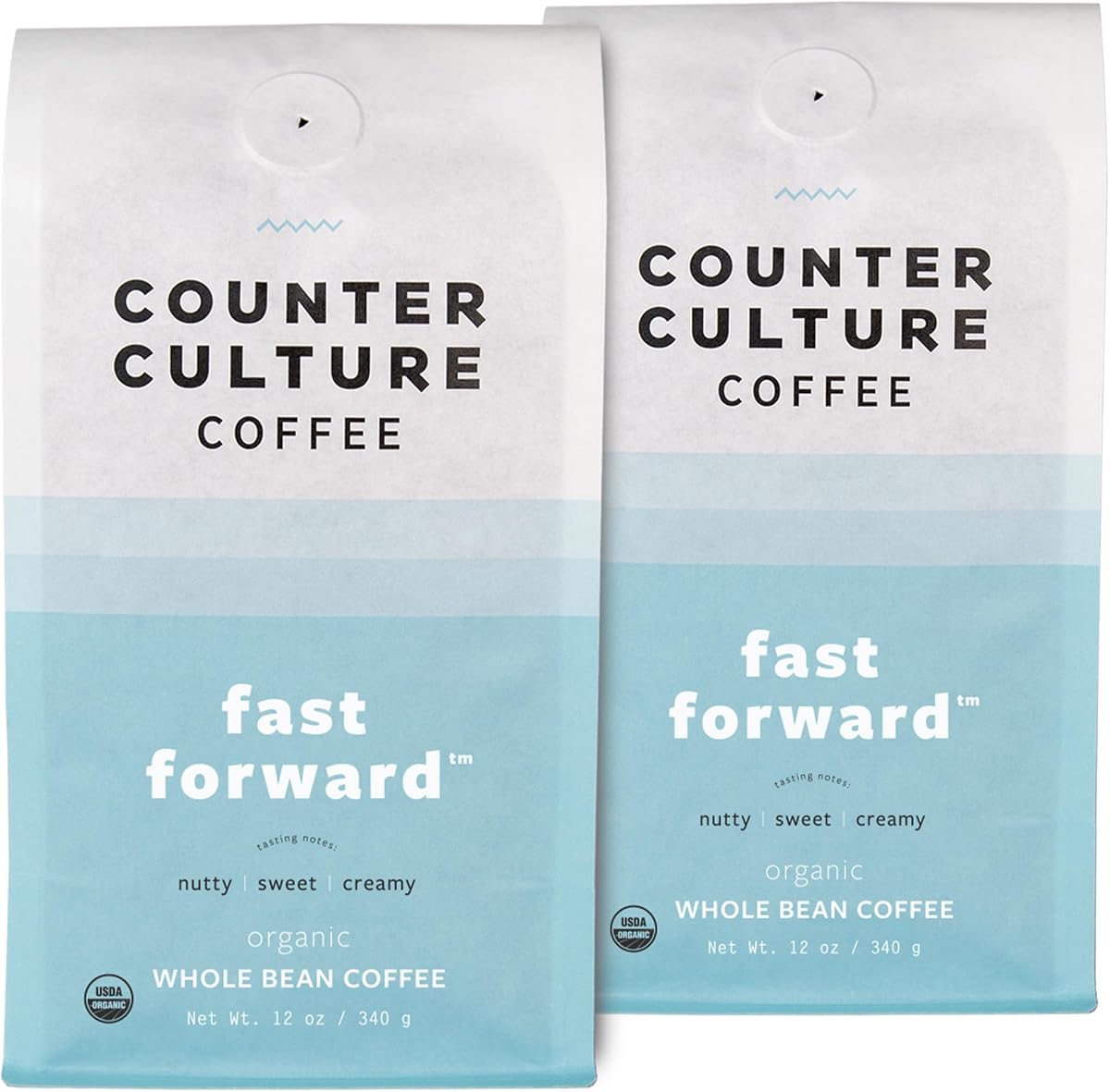
A 100% farmer-owned coffee cooperative that bypasses traditional middlemen to ensure maximum profits return to the growers.

The gold standard in baby food, offering Demeter-certified biodynamic ingredients that exceed organic standards for soil health and purity.

A gold standard in ethical confectionery, combining fair-pay labor practices with regenerative cocoa farming that restores biodiversity in the Ivory Coast and Ghana.

A gold-standard breakfast staple sourced from family-owned farms in Montana using regenerative practices that actively sequester carbon and restore soil health.

Arguably the most ethical coconut oil on the market, sourced from 'Serendipol' in Sri Lanka using regenerative practices that revitalize soil and support a fair-trade community.
A gold standard in ethical confectionery, using regenerative farming to combat climate change while ensuring living wages for cocoa farmers.

A 100% farmer-owned cooperative coffee brand that bypasses middlemen to ensure maximum profits return to the growers.
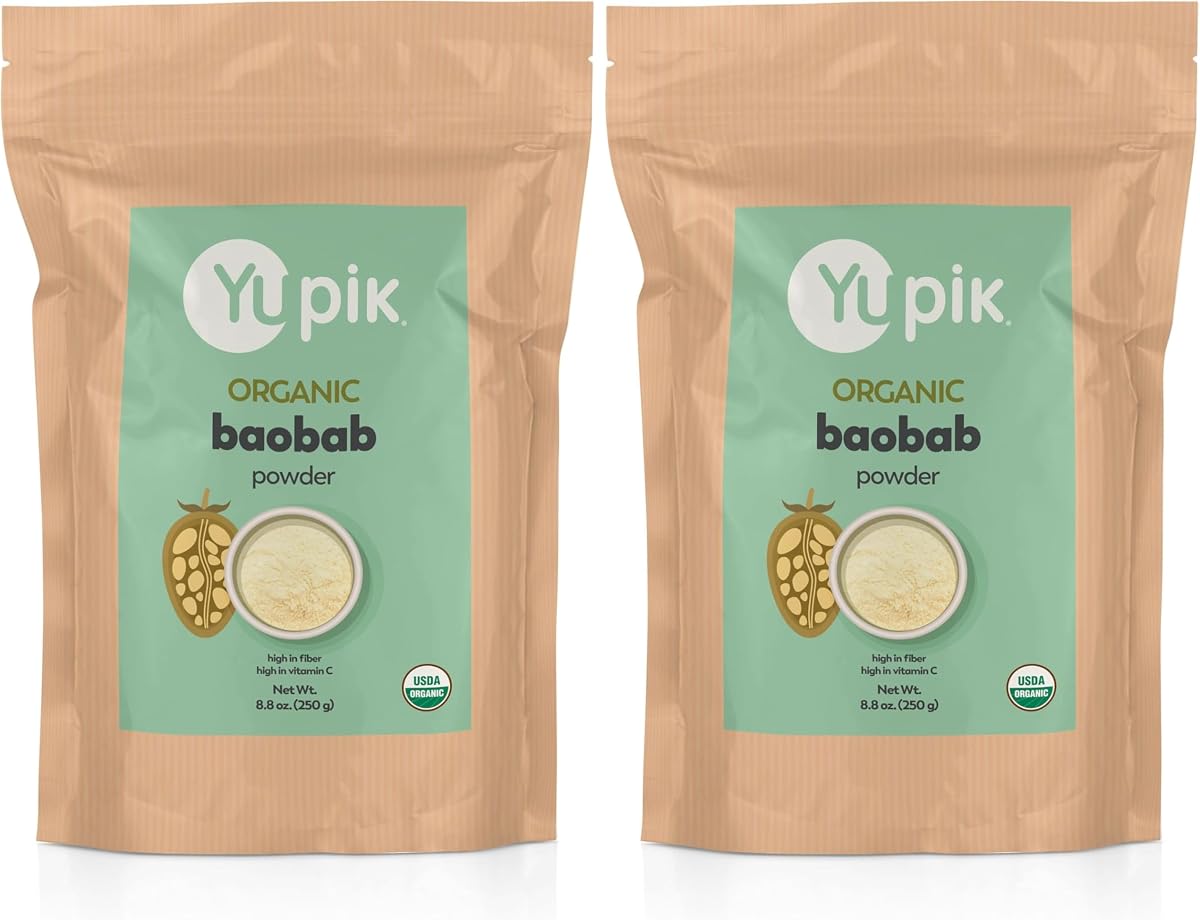
A nutrient-dense African superfood powder ethically harvested by women's cooperatives in Upper East Ghana, providing a massive vitamin C boost.

Exquisite heirloom Malagasy cocoa produced entirely at the source in Madagascar. This professional-grade bulk trunk supports direct-trade and lemur habitat conservation.

A gold standard in ethical food production, this virgin coconut oil is sourced from regenerative organic palms in Sri Lanka, ensuring soil health and fair wages.
What Callebaut is rated on
Callebaut, owned by Barry Callebaut, is a major B2B chocolate supplier with several sustainability certifications: Rainforest Alliance, Fairtrade (Fairtrade International, Fairtrade America), Organic (EU Organic, USDA Organic), Non-GMO Project Verified, and Kosher (Orthodox Union). The brand has no major controversies on record and offers a limited vegan range. However, it does not have a public animal-testing policy, which is a key consideration for cruelty-free shoppers.
How the alternatives were picked
We evaluated alternatives based on three criteria: clear, public animal-testing policies (preferably certified cruelty-free by organizations like Leaping Bunny or PETA); transparent supply chain and labor practices (e.g., direct trade or Fair Trade); and a robust range of vegan and/or organic options. We prioritized brands that are independently verified and not owned by large conglomerates to ensure accountability. Recommendations are based solely on public records and certifications.
What to check on the label
When selecting an ethical chocolate alternative, look for: a cruelty-free certification (e.g., Leaping Bunny or PETA Beauty Without Bunnies) that explicitly covers chocolate and food products; Fair Trade or Rainforest Alliance certification for ethical sourcing; a vegan label if you avoid animal ingredients; and organic certification if you want to avoid synthetic pesticides. Also check for explicit statements about animal testing on the company’s website or FAQs, as some brands provide more transparent policies than others.
Frequently asked about Callebaut alternatives
Does Callebaut test on animals?+
Callebaut does not have a public animal-testing policy, so it is impossible to confirm whether it conducts or commissions animal testing. Brands with a clear 'no animal testing' statement or certification (e.g., Leaping Bunny) are safer choices for cruelty-free shoppers.
Are Callebaut chocolates vegan-friendly?+
Callebaut offers a limited vegan range, but most of its products contain dairy. Alternatives that produce a wider variety of vegan chocolate include brands like Vego or Booja-Booja, which are fully vegan and have transparent policies.
Why is animal testing a concern for chocolate?+
Most chocolate is not tested on animals, but some brands that sell in markets like China may be subject to mandatory animal testing for imported foods. Without a clear policy, customers cannot be sure. Independent brands often avoid such requirements by focusing on local or online sales.
What certifications does Callebaut have?+
Callebaut holds Rainforest Alliance, Fairtrade (Fairtrade International, Fairtrade America), Organic (EU and USDA), Non-GMO Project Verified, and Kosher certifications. These address environmental and social standards but not animal testing.