Ethical Alternatives to Chocolove
Chocolove is a premium chocolate brand known for its high-cocoa-content bars and heart-shaped packaging. However, its parent company’s limited transparency on labor and sustainability practices means it does not fully meet rigorous ethical standards for comparison sites. Below, we explore verified alternatives that prioritize fairness and traceability.
Categories compared: Food & Nutrition, Gifts & Seasonal
Why shoppers look for alternatives to Chocolove
- Chocolove’s parent company does not publicly detail its labor and sustainability policies, making it hard to verify ethical claims.
- While Chocolove holds Rainforest Alliance certification for some products, it lacks full fair trade or organic certifications that ensure farmer welfare.
- The brand states it is non-GMO but holds no official Non-GMO Project certification, creating a gap for shoppers seeking verified labels.
- Chocolove’s animal testing policy is limited to the brand itself; its parent company’s policy is not publicly detailed, raising concerns for vegan or cruelty-free shoppers.
- Other brands offer full traceability from bean to bar, with published annual reports and direct farmer partnerships.
Top-scoring alternatives to Chocolove

A gold-standard example of regenerative agriculture, these oats go beyond organic by actively restoring soil health and ensuring fair wages for farmers in a vertically integrated supply chain.

The gold standard for ethical food production, this coconut oil uses regenerative organic practices and fair trade labor to set a benchmark for corporate responsibility.

A premium gift set of dark chocolate bars that redefine ethical sourcing through regenerative organic farming and fair trade wages.
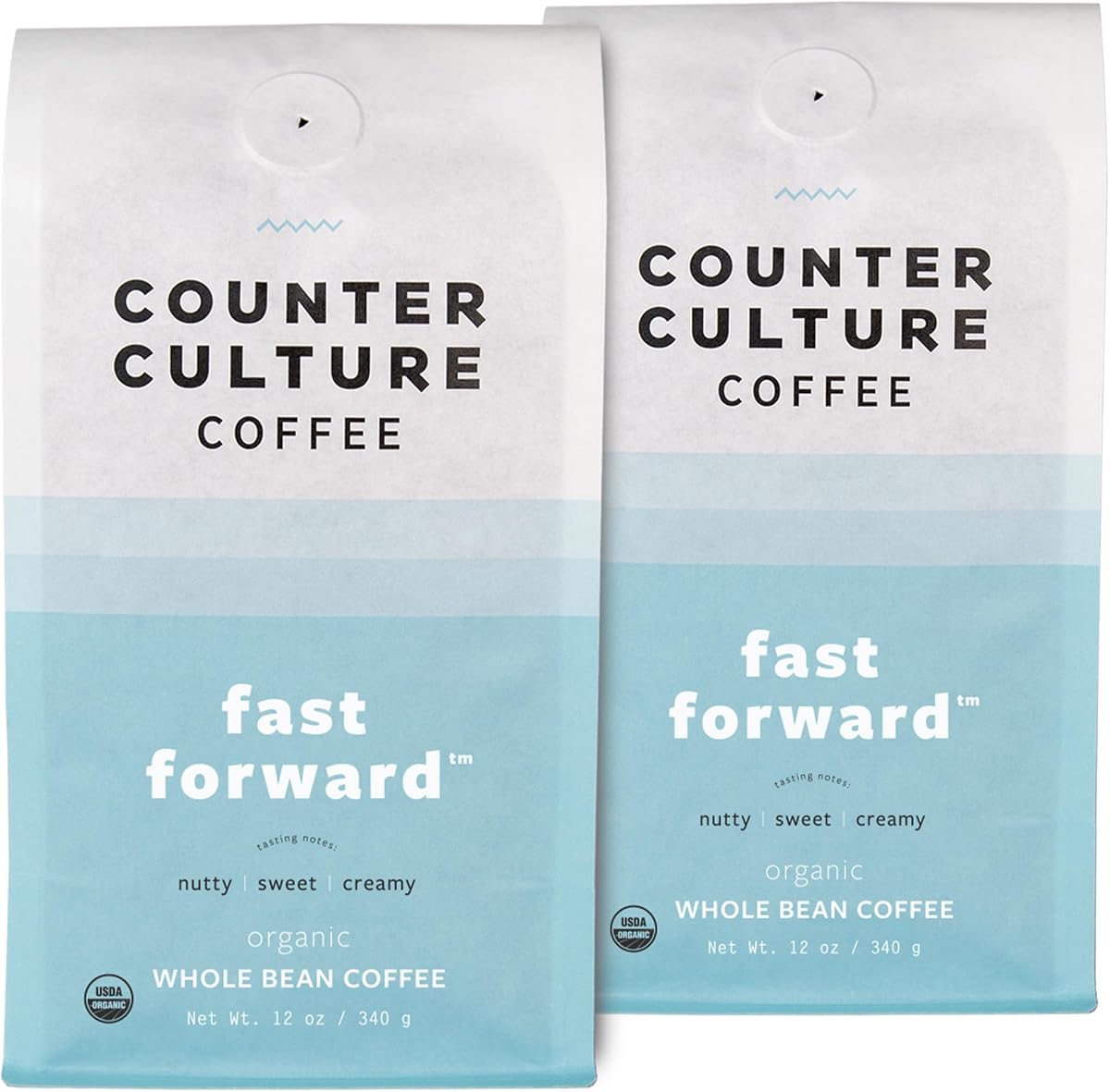
A 100% farmer-owned coffee cooperative that bypasses traditional middlemen to ensure maximum profits return to the growers.

A zero-waste bathroom essential hand-crafted by women's cooperatives, perfect for exfoliating and extending the life of soap.

Handcrafted by women artisans in Ghana, these cold-processed soaps use wild-harvested shea butter. A zero-waste, high-impact gift for a major milestone.

The gold standard in ethical soap, these travel-sized bottles are perfect for wellness pros on the go, featuring 100% PCR packaging and fair-trade ingredients.
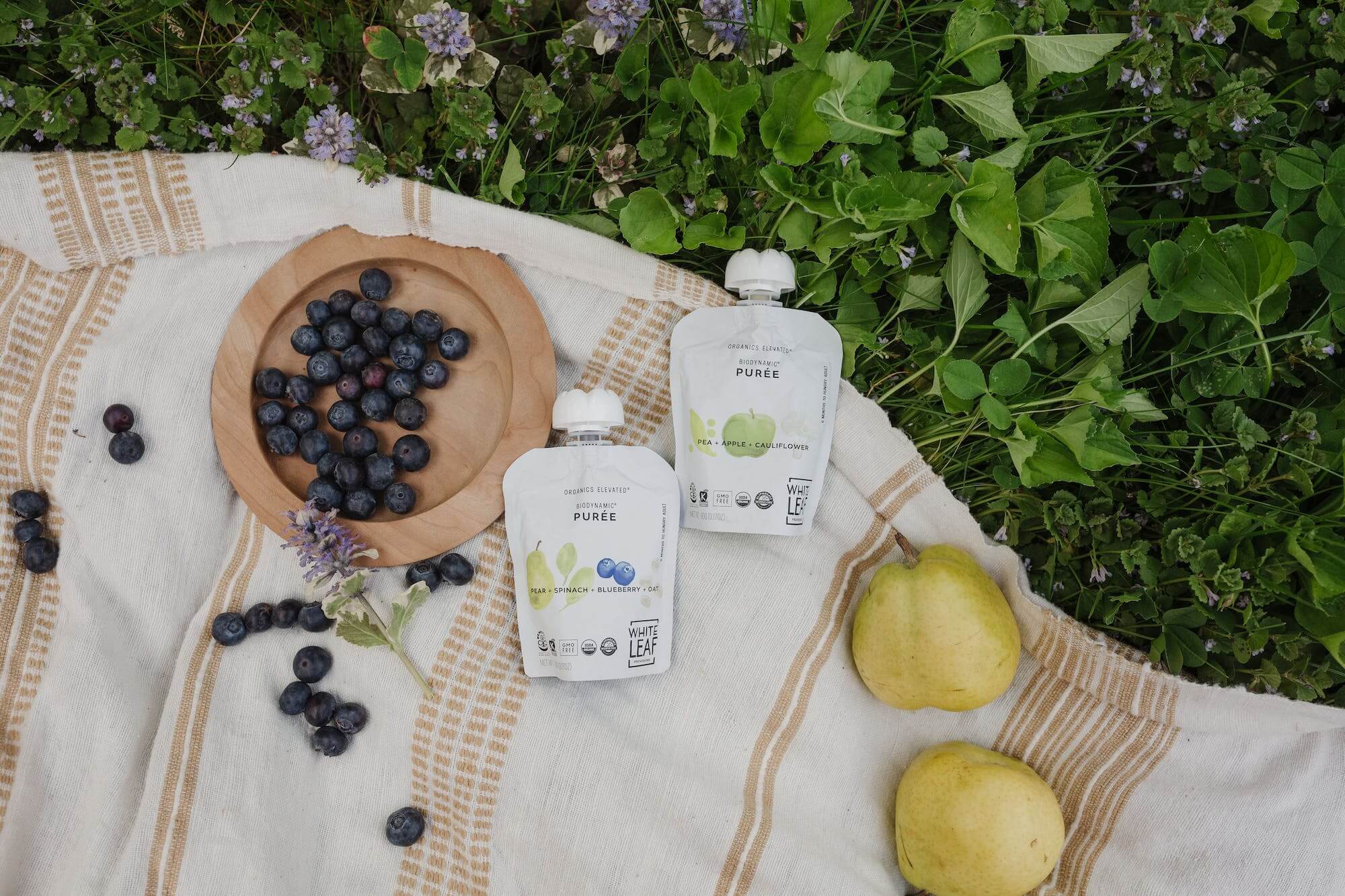
The gold standard in baby food, offering Demeter-certified biodynamic ingredients that exceed organic standards for soil health and purity.

A gold standard in ethical confectionery, combining fair-pay labor practices with regenerative cocoa farming that restores biodiversity in the Ivory Coast and Ghana.

A gold-standard breakfast staple sourced from family-owned farms in Montana using regenerative practices that actively sequester carbon and restore soil health.

Arguably the most ethical coconut oil on the market, sourced from 'Serendipol' in Sri Lanka using regenerative practices that revitalize soil and support a fair-trade community.
A gold standard in ethical confectionery, using regenerative farming to combat climate change while ensuring living wages for cocoa farmers.
What Chocolove is rated on
Chocolove positions itself as an artisanal chocolate brand, but its ethical profile is mixed. The brand holds Rainforest Alliance certification for some products and indicates non-GMO ingredients (without official certification). It does not conduct animal testing itself, but its parent company’s policy remains undisclosed. Chocolove does not carry Fairtrade International, USDA Organic, or B Corp certifications, and its supply chain transparency is limited. These factors place it below the threshold for rigorous ethical comparators on this site.
How the alternatives were picked
We selected alternatives based on three core criteria: full supply chain transparency (publicly available reports, direct farmer relationships), third-party certifications (Fairtrade, Organic, Non-GMO Project, B Corp, or similar), and clear animal testing policies covering the entire corporate structure. Each listed brand has been verified against these standards, with documentation available on request or through public databases.
What to check on the label
When shopping for ethical chocolate, look for these markers: Fairtrade Certified or Rainforest Alliance Certified (both ensure farmer premiums and environmental standards). USDA Organic or EU Organic certification guarantees no synthetic pesticides or GMOs. For animal welfare, seek brands with a published no animal testing policy that covers all subsidiaries. Finally, Direct Trade or Bean-to-Bar labels often indicate deeper traceability, though certification be more rigorous. Avoid brands that rely solely on vague terms like “ethical” or “sustainable” without independent verification.
Frequently asked about Chocolove alternatives
Does Chocolove use child labor in its supply chain?+
Chocolove holds Rainforest Alliance certification for some products, which includes child labor prohibitions. However, without published parent company audits or full supply chain transparency, shoppers cannot independently verify labor practices beyond that certification.
Is Chocolove chocolate fair trade?+
Chocolove is not Fairtrade International certified. Some products carry Rainforest Alliance certification, which includes farmer support but differs from Fairtrade’s minimum price guarantees and premium system.
Are Chocolove products vegan?+
Chocolove offers some vegan varieties (e.g., dark chocolate bars with no dairy). However, the brand does not hold an official vegan certification, so ingredients must be checked individually. Their animal testing policy only covers the brand itself, not its parent company.
What certification does Chocolove have for non-GMO?+
Chocolove states its products are non-GMO but does not hold official Non-GMO Project verification. This means shoppers must rely on brand statements rather than third-party assurance.