Ethical Alternatives to Coach
Coach, a heritage American luxury brand owned by Tapestry Inc., has made public sustainability commitments but lacks third-party certifications and transparency on labor practices. While it does not test on animals itself, it may rely on third-party testing required by law for sales in China. This page explores verified ethical alternatives for conscious shoppers.
Categories compared: Fashion & Apparel, Jewelry & Accessories, Travel & Luggage
Why shoppers look for alternatives to Coach
- Coach carries no major third-party certifications (e.g., B Corp, Fair Trade, GOTS) to verify its ethical claims.
- Public records show limited transparency on specific labor conditions and wages across its supply chain.
- Coach sells in mainland China, where it may rely on third-party animal testing required by law, conflicting with cruelty-free standards.
- The brand’s parent company, Tapestry Inc., has faced scrutiny for lack of independent auditing on environmental and social metrics.
Top-scoring alternatives to Coach

A premium, biodegradable beanie made from seed-to-garment organic cotton under strict fair trade conditions.

A rugged, stylish wash bag made from recycled denim and organic cotton, designed for a circular economy by the world's leading sustainable denim brand.

A rugged, carbon-neutral backpack made from Fairtrade-certified organic cotton canvas, designed to eliminate plastic waste from the accessories industry.

An exquisite, one-of-a-kind quilted jacket handmade by a women's cooperative in West Bengal, utilizing 100% upcycled silk and cotton vintage saris.
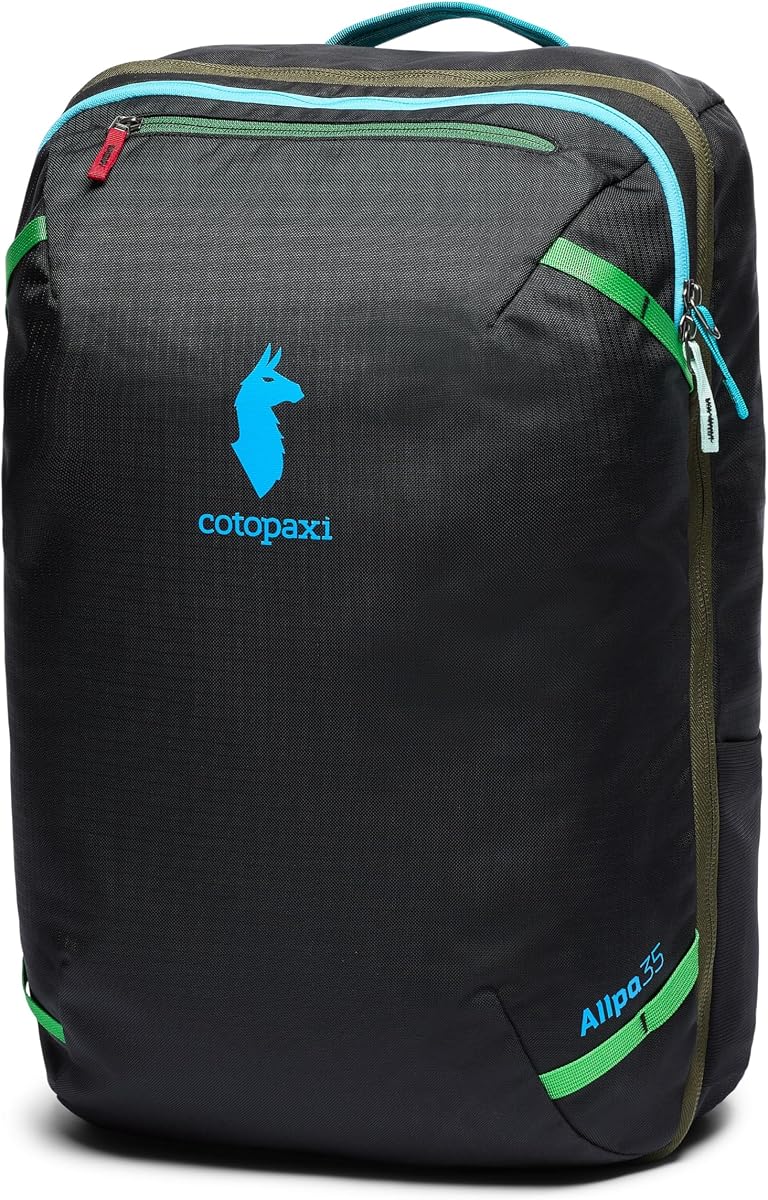
A one-of-a-kind travel pack made entirely from remnant fabric, ensuring no two bags are alike while keeping high-quality materials out of landfills.

A fully compostable and vegan watch strap made from apple waste and bio-polymers, offering a sustainable alternative to animal leather and silicone.
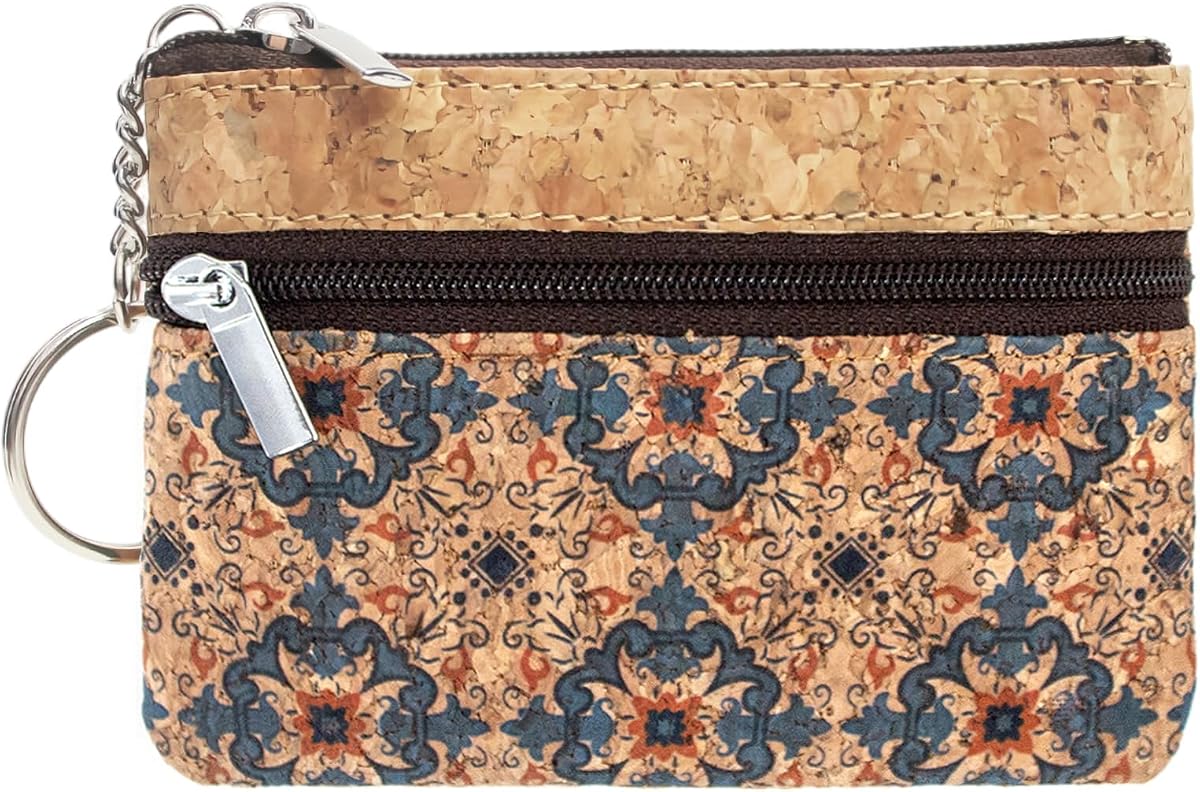
A handcrafted, water-resistant coin pouch made from sustainably harvested Portuguese cork—a farm-to-fashion staple.

A carbon-neutral, TSA-friendly travel staple made from recycled materials and Tencel, designed in Biarritz for maximum versatility.

A colorful, highly sustainable backpack made from 100% remnant fabric, ensuring no two bags are exactly alike while keeping waste out of landfills.
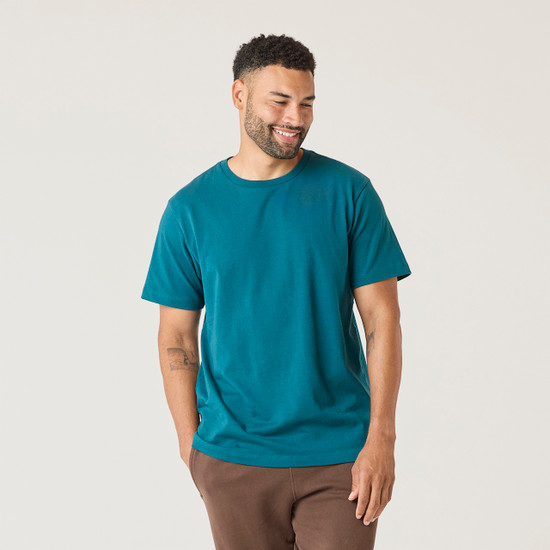
A gold-standard ethical staple. This tee is crafted from GOTS-certified organic cotton through a transparent supply chain that supports small-scale farmers in Peru.

A premium, ethically sourced Pima cotton t-shirt that supports fair wages and education in Peru. Highly durable and fully biodegradable.

A rugged, travel-ready backpack built by a certified B Corp known for their 'Gear for Good' mission and rigorous fair labor standards.
What Coach is rated on
Coach is rated on its public-facing sustainability reports and commitments, but independent verification is absent. The brand has no certifications from recognized bodies such as B Corporation, Fair Trade Certified, or the Global Organic Textile Standard (GOTS). Its animal testing policy states that Coach does not conduct animal testing itself but may rely on third-party testing where required by law, notably for sales in mainland China. This creates uncertainty for shoppers seeking cruelty-free guarantees. Additionally, Coach’s supply chain transparency is limited—no public disclosure of factory names, worker wages, or audit results is available, making it difficult to assess labor ethics.
How the alternatives were picked
Alternatives to Coach were selected based on independent third-party certifications, verified supply chain transparency, and clear animal testing policies. Each brand has at least one of the following: B Corporation certification, Fair Trade certification, or a Leaping Bunny cruelty-free approval. We also prioritized brands that publish detailed supplier lists and wage data, and that avoid all third-party animal testing, including in markets like China. Brands that use organic or recycled materials with GOTS or OEKO-TEX certification were also favored.
What to check on the label
When comparing replacements for Coach, check for: (1) a Leaping Bunny or PETA cruelty-free logo, indicating no third-party animal testing; (2) a B Corp or Fair Trade label on product tags; (3) a material content label specifying recycled or organic fibers with a certification number (e.g., GOTS, OEKO-TEX); (4) a QR code or website link on the tag that leads to a factory list or audit report. Avoid brands that sell in mainland China without a clear statement on mandatory animal testing exemptions in their policies.
How to judge a suggested brand alternative
An alternatives page is a starting shortlist, not proof that one brand is universally better than another. The suggestions come from our catalogue: published products in a similar category with a recorded ethics score. They answer a narrow question — which products we list might fit the same need — and they cannot tell you which option performs best, suits your skin or diet, or matches your budget.
Match the job before the score
Start with what the original product does for you: format, size, scent, skin or dietary requirements and where you buy it. A higher-scoring alternative is not useful if it comes in a format you cannot use or is not sold where you shop. Check the alternative's full record — purpose, ingredients, price and seller — before treating it as a replacement.
Compare evidence, not impressions
Read certifications at their stated scope: a scheme may cover one range, one material or a named entity rather than a whole brand. An animal-free ingredient list and an animal-testing policy are separate questions, and a parent company's record is a third. Where a claim matters to you, confirm it in the scheme's own directory or the manufacturer's current statement rather than relying on a badge alone.
Keep the limits of the comparison visible
Catalogue scores are AI-assisted assessments with documented limitations, not laboratory measurements. A missing score is a data gap, not a failing grade. The original brand's presence here reflects what our records contain, which may omit reformulations, regional differences or newer certifications. For health, safety or recall concerns, use official sources rather than any score.
| Check | Where to confirm it | Avoid assuming |
|---|---|---|
| Does the alternative do the same job? | Its full product record and the maker's current description | A similar category means a like-for-like replacement |
| Is a claimed certification current? | The certification scheme's official directory | A badge covers the whole brand or group |
| Is it actually available to you? | The retailer's current listing, price and delivery | A catalogue price tier is a live quote |
Frequently asked about Coach alternatives
Does Coach test on animals?+
Coach states it does not test on animals itself, but it may rely on third-party testing where required by law, such as for sales in China. This means its products are not fully cruelty-free in all markets.
What certifications does Coach have?+
Coach has no major third-party certifications (e.g., B Corp, Fair Trade, GOTS, Leaping Bunny) on file. The brand relies on its own sustainability claims without independent verification.
Are there any Coach products made with organic or recycled materials?+
Coach has introduced some collections using recycled materials, but the brand does not include certification logos (e.g., GOTS or OEKO-TEX) on labels, making verification difficult.
Why should I choose an alternative over Coach?+
Alternatives offer verified ethical practices through third-party certifications, full supply chain transparency, and guaranteed cruelty-free policies, including in China. This ensures your purchase aligns with documented standards, not just marketing claims.