Ethical Alternatives to Crispy Crunch
Crispy Crunch produces plant‑based, allergen‑friendly snacks with Non‑GMO Project Verification and a stated no‑animal‑testing policy, but it lacks third‑party certifications for sustainability or labor practices. Shoppers seeking more transparent ethical sourcing may consider comparable alternatives that carry broader certifications.
Categories compared: Food & Nutrition
Why shoppers look for alternatives to Crispy Crunch
- No third‑party sustainability certifications such as B Corp, Fair Trade, or Rainforest Alliance, making environmental claims unverifiable.
- No disclosed labor or supply‑chain audits, so working conditions and worker wages lack external verification.
- Limited public information on packaging recyclability or sourcing of ingredients (e.g., palm oil, cocoa, or spices).
- Absence of a formal animal‑testing policy certification (e.g., Leaping Bunny or PETA), despite a stated no‑animal‑testing approach.
- No organic certification, which some shoppers prefer for pesticide‑free and biodiversity‑friendly production.
Top-scoring alternatives to Crispy Crunch

A gold-standard example of regenerative agriculture, these oats go beyond organic by actively restoring soil health and ensuring fair wages for farmers in a vertically integrated supply chain.

The gold standard for ethical food production, this coconut oil uses regenerative organic practices and fair trade labor to set a benchmark for corporate responsibility.
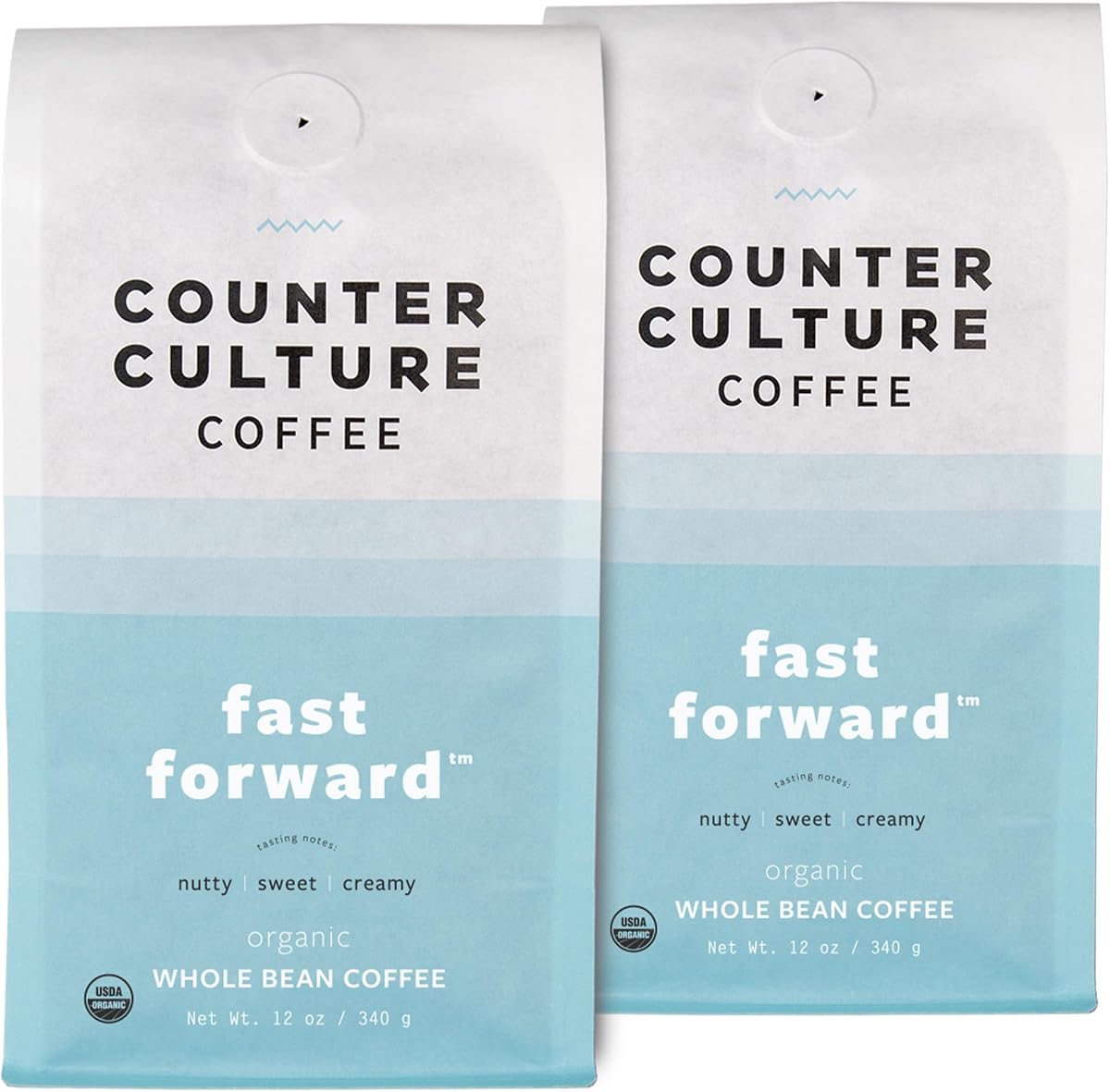
A 100% farmer-owned coffee cooperative that bypasses traditional middlemen to ensure maximum profits return to the growers.
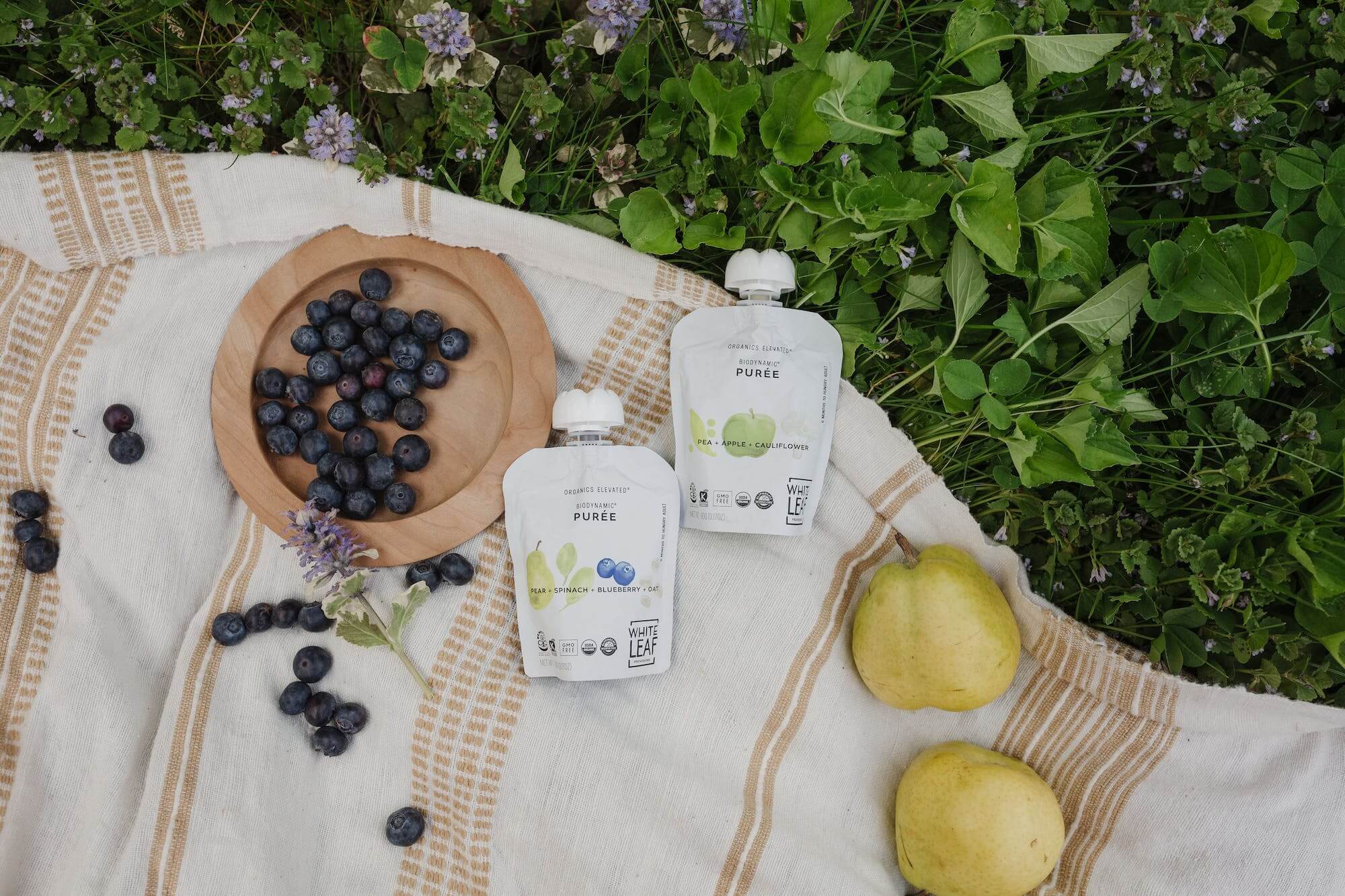
The gold standard in baby food, offering Demeter-certified biodynamic ingredients that exceed organic standards for soil health and purity.

A gold standard in ethical confectionery, combining fair-pay labor practices with regenerative cocoa farming that restores biodiversity in the Ivory Coast and Ghana.

A gold-standard breakfast staple sourced from family-owned farms in Montana using regenerative practices that actively sequester carbon and restore soil health.

Arguably the most ethical coconut oil on the market, sourced from 'Serendipol' in Sri Lanka using regenerative practices that revitalize soil and support a fair-trade community.
A gold standard in ethical confectionery, using regenerative farming to combat climate change while ensuring living wages for cocoa farmers.

A 100% farmer-owned cooperative coffee brand that bypasses middlemen to ensure maximum profits return to the growers.
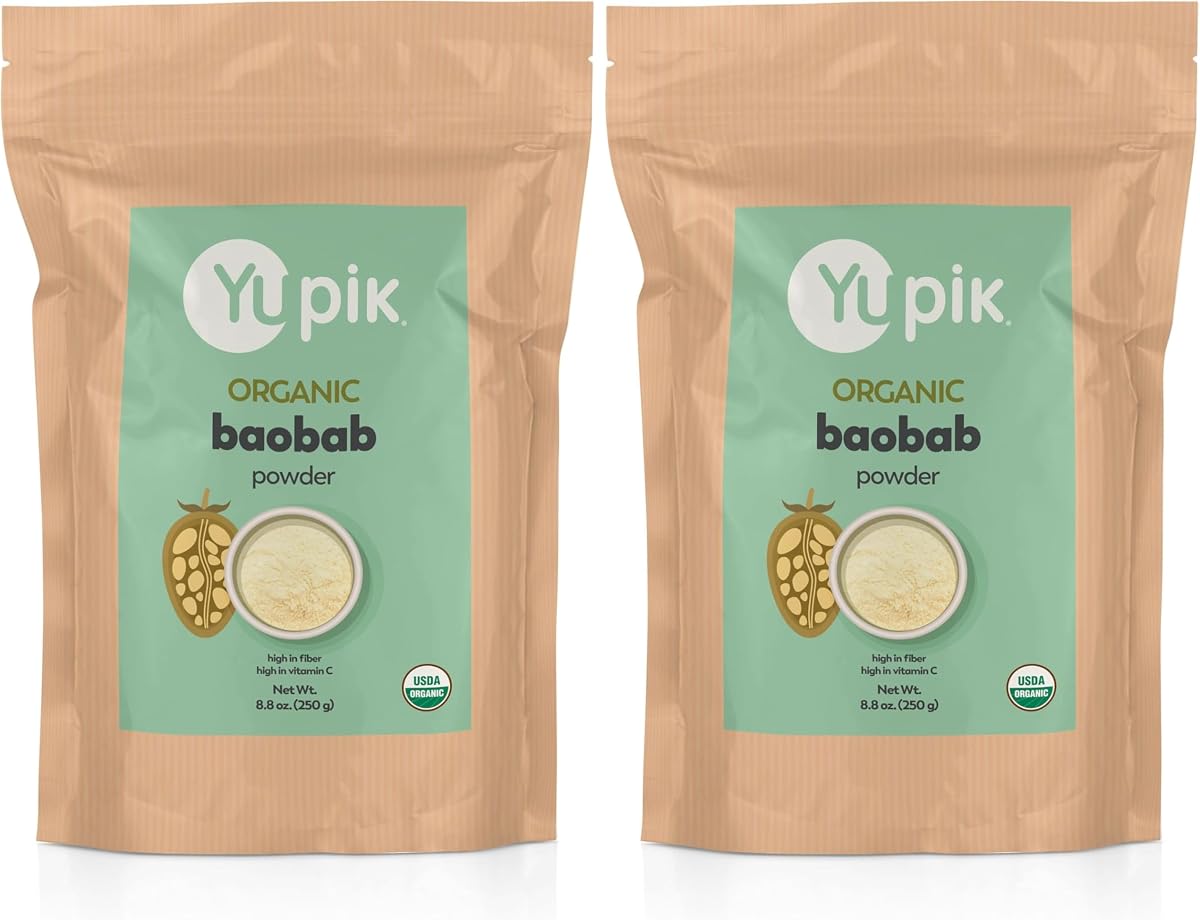
A nutrient-dense African superfood powder ethically harvested by women's cooperatives in Upper East Ghana, providing a massive vitamin C boost.

Exquisite heirloom Malagasy cocoa produced entirely at the source in Madagascar. This professional-grade bulk trunk supports direct-trade and lemur habitat conservation.

A gold standard in ethical food production, this virgin coconut oil is sourced from regenerative organic palms in Sri Lanka, ensuring soil health and fair wages.
What Crispy Crunch is rated on
Crispy Crunch holds Non‑GMO Project Verified status and reports no animal testing of its products. However, on other key ethical benchmarks—sustainability (e.g., carbon footprint, water use), labor practices (e.g., living wages, worker safety), and supply‑chain transparency—the brand provides minimal public documentation and has not pursued third‑party certifications like B Corp, Fair Trade, or Rainforest Alliance. Its packaging is not known to carry recyclability or compostability certifications. For shoppers who prioritize verified accountability across environmental and social factors, Crispy Crunch may fall short.
How the alternatives were picked
Our alternative brands meet at least two of these criteria: they are independently certified by at least one recognized ethical label (B Corp, Fair Trade, USDA Organic, Leaping Bunny, or Rainforest Alliance); they publish detailed sourcing, labor, or sustainability reports; and they offer comparable plant‑based, allergen‑friendly snack options (granola bars, chips, or bites). We favor brands with multi‑certification profiles (e.g., organic + fair trade) to give shoppers a verified ethical upgrade.
What to check on the label
When comparing alternatives, look for specific seals: USDA Organic ensures no synthetic pesticides or GMOs; Fair Trade Certified guarantees minimum pricing and community investments; B Corp indicates verified governance, environment, and labor standards; and Leaping Bunny (or PETA’s Beauty Without Bunnies) confirms no animal testing across the supply chain. Also check the ingredient list for certified sustainable palm oil (RSPO) and packaging marked as recyclable or compostable. A brand that lists a parent company’s social‑responsibility page is a positive sign, but prefer those with independent audits.
Frequently asked about Crispy Crunch alternatives
Is Crispy Crunch entirely free of animal products?+
Yes, Crispy Crunch markets all its snacks as plant‑based, but it does not hold a third‑party vegan certification (e.g., Certified Vegan logo). You can confirm by checking the ingredient list for dairy, eggs, honey, or other animal derivatives.
Does Crispy Crunch use organic ingredients?+
No. Crispy Crunch is Non‑GMO Project Verified but not USDA Organic certified. Some ingredients may be grown without synthetic pesticides, but the brand does not guarantee organic sourcing.
How does Crispy Crunch compare on price to ethical alternatives?+
Crispy Crunch is typically mid‑priced. Certified organic or fair‑trade alternatives often cost 10–30% more due to higher production standards. However, bulk buying or subscription options from brands like Kind (B Corp) or Enjoy Life (Non‑GMO + gluten‑free) can narrow the gap.
Can I recycle Crispy Crunch packaging?+
Crispy Crunch does not provide explicit recycling instructions on its packaging or website. Most snack wrappers are multi‑layer plastic films that are not curbside recyclable. Check with TerraCycle or local specialty recycling programs for similar‑style packaging.