Ethical Alternatives to Dolce & Gabbana Beauty
Dolce & Gabbana Beauty is a luxury fragrance and cosmetics line produced by the Italian fashion house Dolce & Gabbana S.r.l. The brand lacks major ethical certifications, complies with mandatory animal testing for sales in mainland China, and offers limited public sustainability pledges.
Categories compared: Beauty & Personal Care
Why shoppers look for alternatives to Dolce & Gabbana Beauty
- Dolce & Gabbana Beauty relies on animal testing to sell in mainland China, where imported cosmetics must be tested on animals for regulatory approval.
- The brand holds no widely recognized certifications (e.g., Leaping Bunny, Cruelty Free International, B Corp, or vegan/eco-labels) to verify ethical or environmental claims.
- Sustainability commitments are minimal: there are no published carbon footprint targets, packaging reduction plans, or ingredient sourcing transparency reports.
Top-scoring alternatives to Dolce & Gabbana Beauty
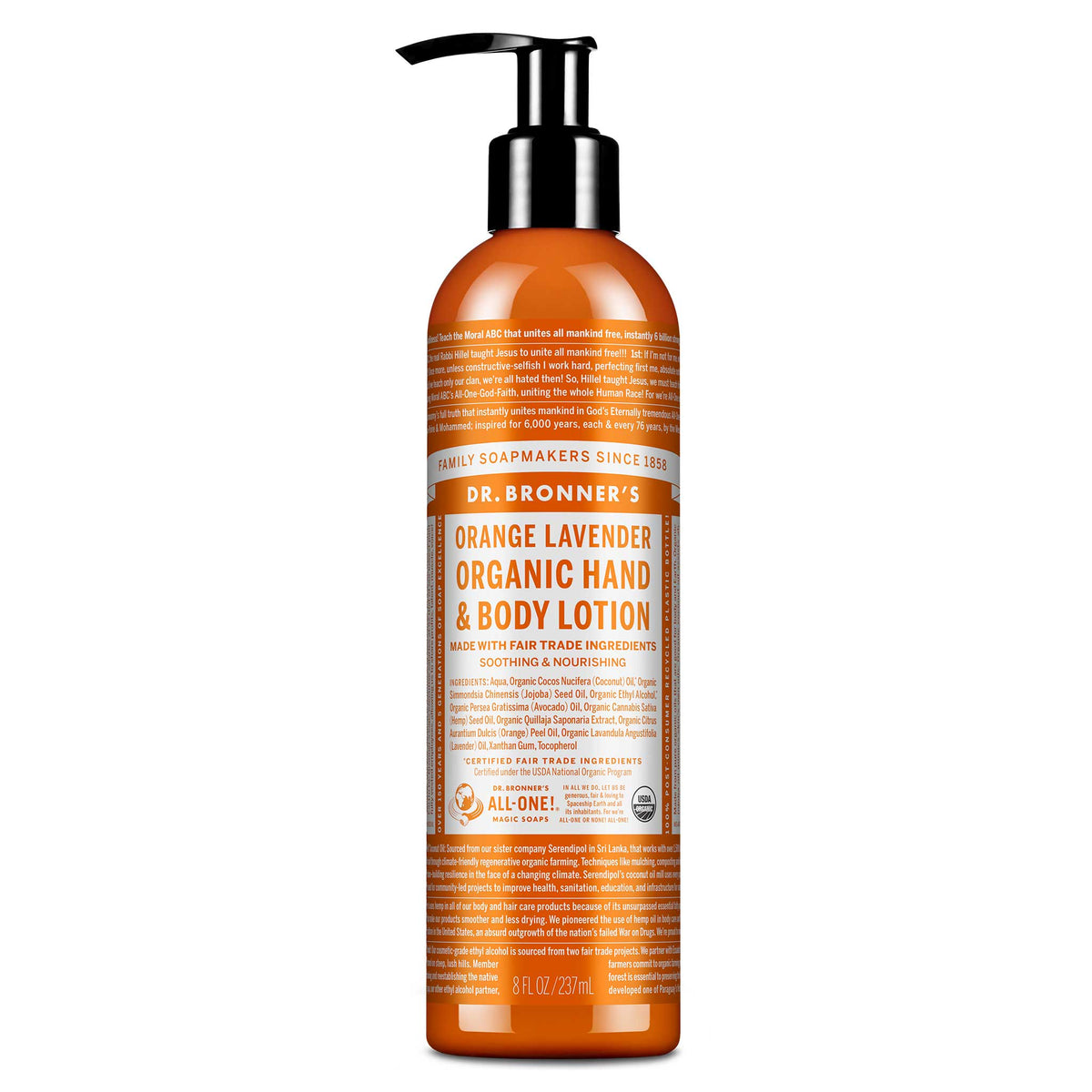
A highly ethical, multi-use lotion crafted with organic oils and fair trade ingredients, setting the industry standard for supply chain transparency and regenerative agriculture.
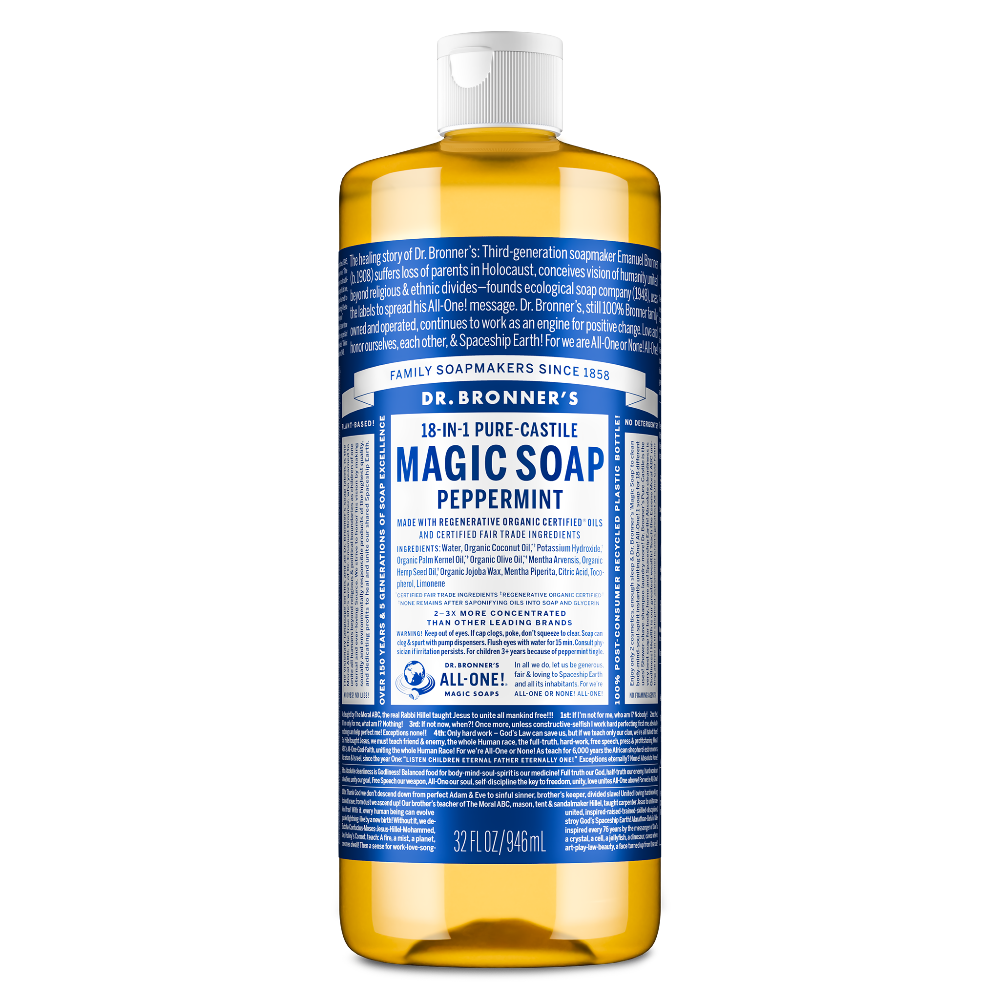
The gold standard of ethical cleaning. A highly concentrated, multi-surface liquid soap made from organic oils and fair trade ingredients in 100% PCR packaging.

The gold standard of ethical soaps, featuring regenerative organic palm oil and a legacy of fair-trade advocacy and radical transparency.

A zero-waste, plastic-free solid shampoo bar that replaces three plastic bottles, featuring fair-trade ingredients and a focus on water conservation.

A mass-market accessible body wash that funds community empowerment projects in Togo, West Africa, using fair-trade unrefined shea butter.
A zero-waste, plastic-free body cleanser bar that replaces three bottles of liquid soap and uses regenerative fair-trade ingredients.
A zero-waste, plastic-free shampoo bar equivalent to three bottles of liquid shampoo, utilizing fair-trade cocoa butter and peppermint oil.

The ultimate multi-tasker for minimalist hosts; one bottle can wash hands, body, hair, and even dishes.

A zero-waste, plastic-free solution for hair and body, specifically curated for the minimalist traveler looking to bypass liquid restrictions.
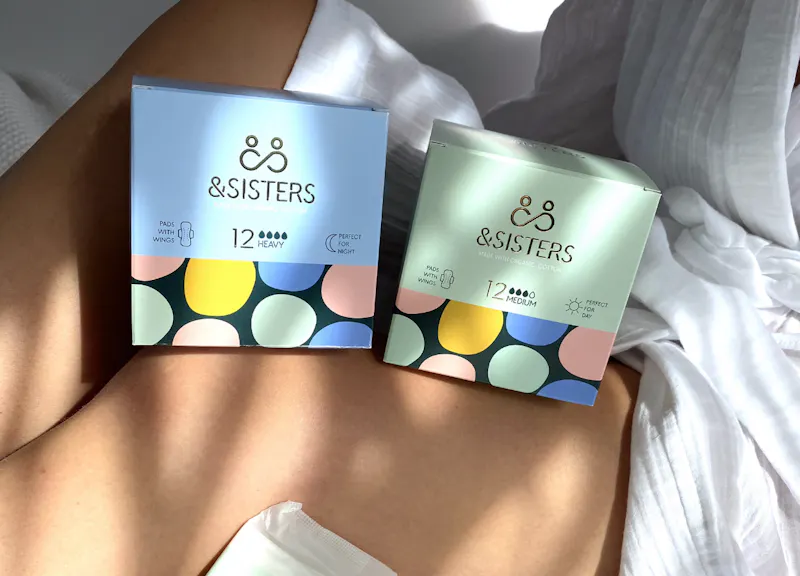
A UK-based, women-owned B Corp offering the highest ethical standard in menstrual care. This bulk 'Sisterhood' bundle features GOTS organic cotton tampons and pads with RSPO-segregated inputs, ensuring zero deforestation.

A high-potency, carbon-extracted rosehip oil designed specifically for sensitive skin, backed by rigorous B Corp standards and organic agricultural sourcing.
A plastic-free, highly concentrated shampoo bar that replaces three plastic bottles, featuring fair-trade ingredients and carbon-neutral shipping.
What Dolce & Gabbana Beauty is rated on
Dolce & Gabbana Beauty receives a low ethical rating on independent comparison sites due to three key factors. First, it lacks any third-party cruelty-free certification (such as Leaping Bunny or Cruelty Free International) and explicitly complies with mandatory animal testing required for cosmetics sold in mainland China. Second, the brand has no disclosed environmental certifications — no B Corp status, no EcoCert, and no published sustainability roadmap. Third, while no major labor controversies are on record, the absence of supply chain transparency means shoppers cannot verify fair trade or ethical sourcing claims. The brand also offers no vegan or organic certification for its products.
How the alternatives were picked
The alternatives listed below were selected based on three criteria: 1) verified cruelty-free status (either certified as not testing on animals or never selling in markets requiring animal testing), 2) one or more recognized certifications (Leaping Bunny, Cruelty Free International, B Corp, Vegan, or EcoCert), and 3) a comparable product category (luxury or premium fragrances and cosmetics). Brands that openly sell in mainland China without avoiding mandatory testing were excluded. We prioritized brands that also disclose ingredient sourcing, packaging materials, and any social or environmental initiatives.
What to check on the label
When shopping for an ethical alternative to Dolce & Gabbana Beauty, look for these labels and claims on packaging or the brand’s website: 1) A cruelty-free logo from Leaping Bunny, PETA Beauty Without Bunnies, or Cruelty Free International — this means the brand does not test on animals anywhere in the supply chain. 2) A vegan certification (e.g., Vegan Society or PETA-Approved Vegan) if you avoid animal-derived ingredients like beeswax, lanolin, or carmine. 3) B Corp certification for a company committed to overall social and environmental performance. 4) EcoCert or COSMOS certification for organic and natural ingredient standards. 5) Clear statements like “not tested on animals” or “no animal testing” with a reference to a specific certification body — vague claims without third-party verification are less reliable.
Frequently asked about Dolce & Gabbana Beauty alternatives
Does Dolce & Gabbana Beauty test on animals?+
Yes, the brand complies with mandatory animal testing for imported cosmetics sold in mainland China, where animal testing is legally required for certain product categories. It does not hold any certification that guarantees no animal testing globally.
Are there any Dolce & Gabbana Beauty products that are cruelty-free?+
No publicly available information or certification confirms that any Dolce & Gabbana Beauty products are fully cruelty-free. The brand’s participation in the Chinese market means their products are subject to post-market animal testing requirements.
What certifications does Dolce & Gabbana Beauty have?+
The brand holds no major ethical or environmental certifications as of the latest public records. There are no cruelty-free, vegan, organic, or B Corp certifications on file.
Are there luxury fragrance brands that avoid animal testing?+
Yes. Brands like Lush, Pacifica, and The Body Shop are widely certified cruelty-free and offer premium fragrances and cosmetics. Some luxury houses, such as Byredo and Diptyque, do not sell in mainland China and have independent cruelty-free status, although certification varies.