Ethical Alternatives to Earthling
Earthling is a high-integrity media organization with top-tier ethical ratings, carbon-neutral operations, and certifications including 1% for the Planet, Climate Neutral Certified, and FSC Certified. For shoppers seeking similar or complementary values in adjacent categories—such as gifts, seasonal items, or other media brands—this guide outlines verified alternatives.
Categories compared: Books & Media, Gifts & Seasonal
Why shoppers look for alternatives to Earthling
- Earthling focuses primarily on media and advocacy; shoppers may want tangible products (gifts, stationery, decor) that align with the same ethical standards.
- Earthling’s certifications (1% for the Planet, Climate Neutral, FSC) are rigorous but not universal; some alternatives may offer additional or different third-party labels (e.g., B Corp, Plastic Neutral).
- Pricing can be higher for certified sustainable goods; buyers seeking more accessible price points without sacrificing core ethics may look elsewhere.
- Earthling’s catalog is curated and limited; alternatives in fashion, home, or office supplies may provide broader product ranges with comparable certifications.
Top-scoring alternatives to Earthling

A zero-waste bathroom essential hand-crafted by women's cooperatives, perfect for exfoliating and extending the life of soap.

The gold standard in ethical soap, these travel-sized bottles are perfect for wellness pros on the go, featuring 100% PCR packaging and fair-trade ingredients.
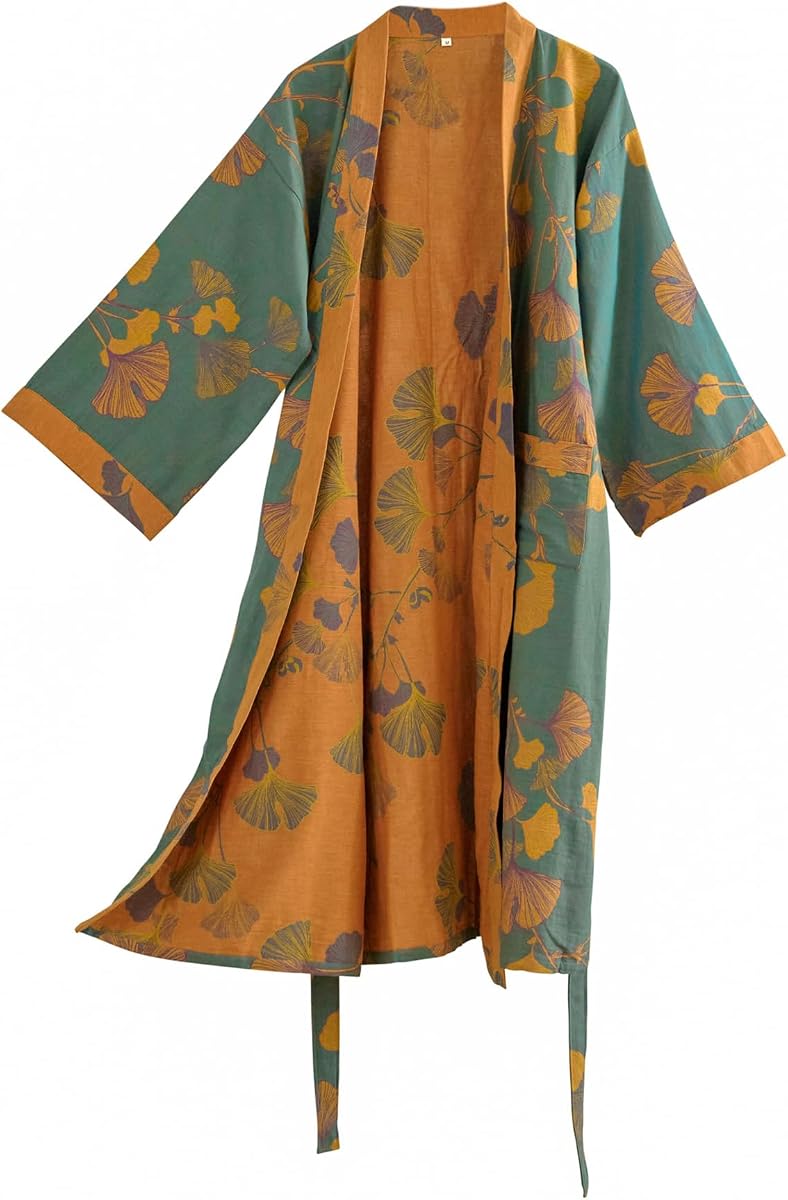
A luxurious, spa-weight robe made from 100% GOTS-certified organic cotton, produced under Fair Trade standards.

Exquisite hand-woven table linens designed in Brooklyn and artisan-made in Ethiopia. This Black-owned brand combines modern aesthetics with traditional Ethiopian weaving techniques.

Authentically hand-woven in Ghana, these baskets provide sustainable income for artisans while utilizing elephant grass—a renewable, natural resource. A versatile and nearly indestructible gift.

A premium selection of ethically sourced, regenerative organic dark chocolate bars that prioritize farmer equity and soil health over industrial shortcuts.

An essential text on Indigenous wisdom and plant science, published by a non-profit B Corp dedicated to transformative literature.

A hand-woven, sustainable masterpiece that supports female artisans in Ghana while providing a durable, multi-purpose storage solution for any home.

A premium, GOTS-certified organic cotton tablecloth that combines rigorous environmental standards with a Fair Trade labor model.

A giftable set of premium chocolate bars from a brand on a mission to end modern slavery in the cocoa industry.

High-quality organic cotton socks where every pair purchased triggers a donation to Trees for the Future to plant ten trees.
A seminal work published by a non-profit indie press dedicated to the relationship between the natural world and human culture.
What Earthling is rated on
Earthling earns its high-integrity reputation through verified third-party certifications and transparent operations. It is Climate Neutral Certified, meaning its entire carbon footprint—from production to shipping—is measured and offset. As a 1% for the Planet member, it donates at least 1% of annual sales to environmental nonprofits. Its flagship magazine and advocacy materials carry FSC Certification, ensuring paper and wood products come from responsibly managed forests. The brand also maintains a strict no animal testing policy on all products and ingredients. These audits are publicly verifiable via certification databases.
How the alternatives were picked
We selected alternatives that share at least two of Earthling’s core certifications (Climate Neutral, 1% for the Planet, FSC) and have no history of animal testing. Where possible, we prioritized brands with additional recognized labels such as B Corporation or Plastic Neutral certification. Each alternative operates in categories complementary to Earthling—such as Books & Media (e.g., other independent environmental publishers), Gifts & Seasonal (e.g., curated sustainable gift boxes or holiday decor with FSC packaging), and Office & Stationery (e.g., notebooks, planners). We excluded brands that fail to publish clear third-party audit reports or have unresolved ethical controversies.
What to check on the label
When evaluating potential alternatives, look for these specific markers:
- Climate Neutral Certified logo or a published carbon offset plan with third-party verification.
- 1% for the Planet membership status (check the official directory for active partners).
- FSC Certified or Rainforest Alliance Certified for wood/paper components.
- Animal testing policy clearly stated as “We do not test on animals” and preferably backed by Leaping Bunny or PETA certification.
- Transparency reports showing supply chain audits, especially for packaging and sourcing.
How to judge a suggested brand alternative
An alternatives page is a starting shortlist, not proof that one brand is universally better than another. The suggestions come from our catalogue: published products in a similar category with a recorded ethics score. They answer a narrow question — which products we list might fit the same need — and they cannot tell you which option performs best, suits your skin or diet, or matches your budget.

Match the job before the score
Start with what the original product does for you: format, size, scent, skin or dietary requirements and where you buy it. A higher-scoring alternative is not useful if it comes in a format you cannot use or is not sold where you shop. Check the alternative's full record — purpose, ingredients, price and seller — before treating it as a replacement.
Compare evidence, not impressions
Read certifications at their stated scope: a scheme may cover one range, one material or a named entity rather than a whole brand. An animal-free ingredient list and an animal-testing policy are separate questions, and a parent company's record is a third. Where a claim matters to you, confirm it in the scheme's own directory or the manufacturer's current statement rather than relying on a badge alone.
Keep the limits of the comparison visible
Catalogue scores are AI-assisted assessments with documented limitations, not laboratory measurements. A missing score is a data gap, not a failing grade. The original brand's presence here reflects what our records contain, which may omit reformulations, regional differences or newer certifications. For health, safety or recall concerns, use official sources rather than any score.
| Check | Where to confirm it | Avoid assuming |
|---|---|---|
| Does the alternative do the same job? | Its full product record and the maker's current description | A similar category means a like-for-like replacement |
| Is a claimed certification current? | The certification scheme's official directory | A badge covers the whole brand or group |
| Is it actually available to you? | The retailer's current listing, price and delivery | A catalogue price tier is a live quote |
Frequently asked about Earthling alternatives
Does Earthling test on animals?+
No. Earthling’s policy states it does not conduct or commission animal testing on any products or ingredients. This applies to both its magazine and any co-branded merchandise.
Are Earthling’s carbon claims independently verified?+
Yes. Earthling is Climate Neutral Certified, meaning its carbon footprint is audited by an independent third party under the Climate Neutral standard. This covers scope 1, 2, and 3 emissions.
What kinds of gifts or seasonal items does Earthling sell?+
Earthling’s primary offering is media (magazine subscriptions, books, advocacy materials). It occasionally offers limited-edition seasonal gifts—such as FSC-certified cards or sustainable tote bags—but does not maintain a broad gift catalog.
How can I verify an alternative brand’s 1% for the Planet membership?+
Visit the 1% for the Planet official website and search the member directory by brand name. Active members will appear with a verification badge and donation documentation.