Ethical Alternatives to Eclipse
Eclipse is a popular mint and gum brand owned by Mars Inc., with a formal no-animal-testing policy except where required by local law. However, it lacks third-party ethical certifications and relies on plastic packaging that raises environmental concerns.
Categories compared: Food & Nutrition
Why shoppers look for alternatives to Eclipse
- Eclipse uses plastic packaging with no widely recognized recyclability or compostability certifications, contributing to plastic waste.
- The brand has no third-party certifications (e.g., B Corp, Fair Trade, Leaping Bunny) to verify its ethical claims.
- Mars Inc. permits animal testing for Eclipse where required by local regulations, such as in mainland China, weakening its cruelty-free stance.
- Eclipse does not disclose full ingredient sourcing transparency, making it harder to assess supply chain ethics.
Top-scoring alternatives to Eclipse

The gold standard for ethical food production, this coconut oil uses regenerative organic practices and fair trade labor to set a benchmark for corporate responsibility.
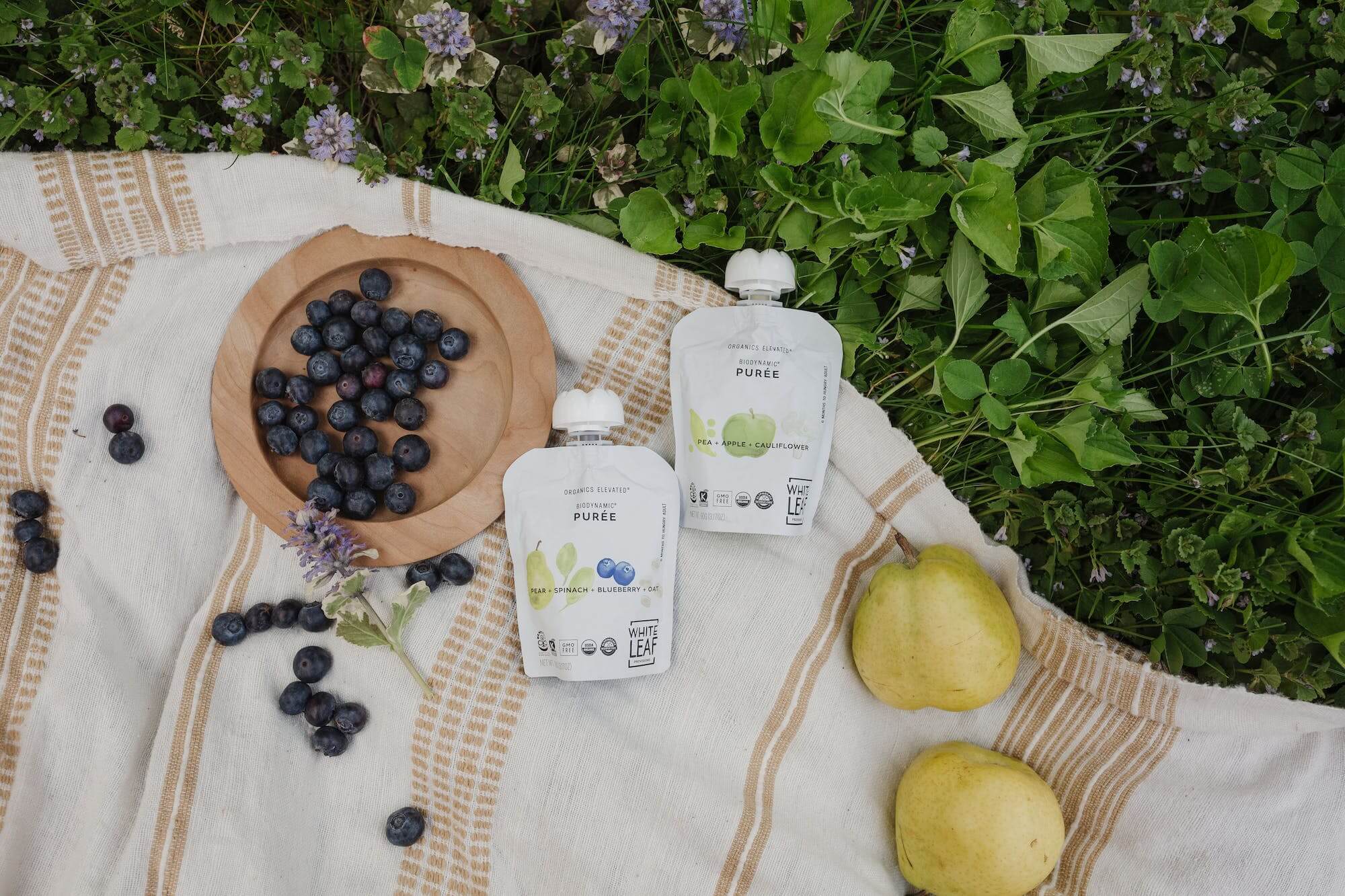
The gold standard in baby food, offering Demeter-certified biodynamic ingredients that exceed organic standards for soil health and purity.

A gold standard in ethical confectionery, combining fair-pay labor practices with regenerative cocoa farming that restores biodiversity in the Ivory Coast and Ghana.
A gold standard in ethical confectionery, using regenerative farming to combat climate change while ensuring living wages for cocoa farmers.

Exquisite heirloom Malagasy cocoa produced entirely at the source in Madagascar. This professional-grade bulk trunk supports direct-trade and lemur habitat conservation.

A nutrient-dense heirloom grain sourced through fully transparent supply chains that support regenerative farming practices in the Peruvian Andes.

A women-owned B Corp that prioritizes equitable purchasing and environmental stewardship through long-term farmer partnerships.

The gold standard in European baby food, Holle's Demeter-certified porridges offer chemical-free nutrition for infants. A top-rated staple for health-conscious parents in urban environments.

A carbon-negative, regenerative ghee sourced from indigenous Hallikar cows in India, perfect for high-heat off-grid cooking and long-term pantry storage.
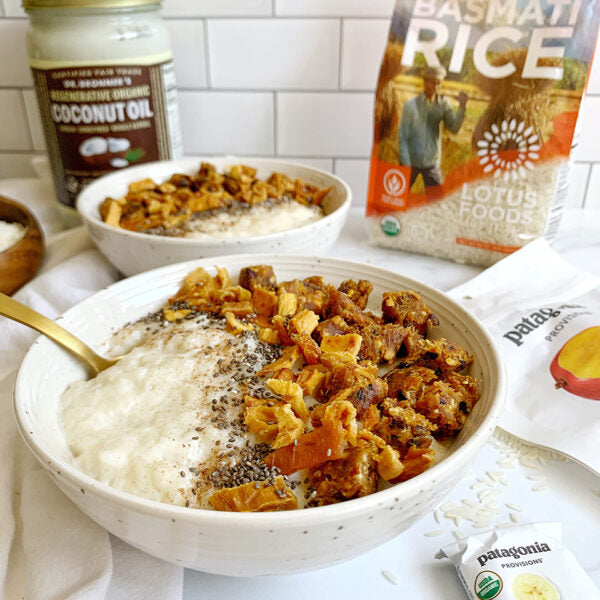
A pioneer in regenerative agriculture, Patagonia Provisions offers a snack that actively restores soil health while ensuring fair compensation for family farmers in Nicaragua.

A premium, traditionally churned A2 Ghee from the Bilona method, supporting regenerative farming and indigenous Indian cattle breeds.

A dairy-free, palm-oil-free alternative to mainstream hazelnut spreads, crafted in Italy with high-quality organic ingredients.
What Eclipse is rated on
Eclipse, owned by Mars Inc., performs moderately on ethical metrics. Key strengths include a formal company-wide policy prohibiting animal testing for its products, except where local regulations—such as those in mainland China—mandate it. Mars has also made some public sustainability pledges, including packaging reduction goals. However, the brand lacks any independent third-party certifications (e.g., Leaping Bunny, Vegan Society, B Corp, or Fair Trade) to verify claims. Its mints and gum come in plastic packaging that is not widely recyclable or compostable, and the company does not disclose full ingredient supply chain details. These gaps mean shoppers seeking verified ethical practices may find Eclipse insufficient.
How the alternatives were picked
The alternatives listed below were selected based on three criteria: (1) they offer a mint or gum product in a comparable category (confectionery or breath fresheners), (2) they hold at least one recognized third-party certification (e.g., Leaping Bunny, B Corp, Plastic-Free Certification, or Fair Trade), and (3) they use non-plastic or minimal packaging (e.g., glass jars, compostable wrappers, or cardboard). Each alternative has been verified against public certification databases and packaging disclosures as of the time of writing.
What to check on the label
When choosing an ethical alternative to Eclipse, look for the following: a Leaping Bunny or PETA cruelty-free logo to verify no animal testing at any stage; a Fair Trade or Rainforest Alliance seal if you prioritize ingredient sourcing; and a plastic-free or 100% compostable packaging claim (e.g., FSC-certified cardboard or home-compostable cellophane). Avoid brands that only claim "recyclable" without specifying collection programs. Also check ingredients for synthetic sweeteners if you prefer natural alternatives—some ethical mints use organic cane sugar or stevia.
How to judge a suggested brand alternative
An alternatives page is a starting shortlist, not proof that one brand is universally better than another. The suggestions come from our catalogue: published products in a similar category with a recorded ethics score. They answer a narrow question — which products we list might fit the same need — and they cannot tell you which option performs best, suits your skin or diet, or matches your budget.

Match the job before the score
Start with what the original product does for you: format, size, scent, skin or dietary requirements and where you buy it. A higher-scoring alternative is not useful if it comes in a format you cannot use or is not sold where you shop. Check the alternative's full record — purpose, ingredients, price and seller — before treating it as a replacement.
Compare evidence, not impressions
Read certifications at their stated scope: a scheme may cover one range, one material or a named entity rather than a whole brand. An animal-free ingredient list and an animal-testing policy are separate questions, and a parent company's record is a third. Where a claim matters to you, confirm it in the scheme's own directory or the manufacturer's current statement rather than relying on a badge alone.
Keep the limits of the comparison visible
Catalogue scores are AI-assisted assessments with documented limitations, not laboratory measurements. A missing score is a data gap, not a failing grade. The original brand's presence here reflects what our records contain, which may omit reformulations, regional differences or newer certifications. For health, safety or recall concerns, use official sources rather than any score.
| Check | Where to confirm it | Avoid assuming |
|---|---|---|
| Does the alternative do the same job? | Its full product record and the maker's current description | A similar category means a like-for-like replacement |
| Is a claimed certification current? | The certification scheme's official directory | A badge covers the whole brand or group |
| Is it actually available to you? | The retailer's current listing, price and delivery | A catalogue price tier is a live quote |
Frequently asked about Eclipse alternatives
Does Eclipse test on animals?+
Mars Inc. prohibits animal testing for Eclipse except where required by local law. Because Eclipse sells in mainland China, where animal testing is mandatory for imported confectionery, the brand cannot be considered fully cruelty-free.
Are Eclipse mints vegan?+
Mars Inc. does not label Eclipse as vegan, and ingredient lists may include animal-derived components such as gelatin or beeswax in some products. Check individual packaging, as formulations vary.
What certifications does Eclipse have?+
Eclipse currently holds no third-party ethical certifications, such as Leaping Bunny, B Corp, Fair Trade, or Plastic-Free Certification.
Why is plastic packaging a concern for Eclipse?+
Eclipse uses plastic wrappers and containers for its mints and gum. These are not widely recyclable in standard curbside programs and are not compostable. Alternatives often use glass, cardboard, or compostable materials.