Ethical Alternatives to eco-butterflies
Eco-butterflies is a specialized ethical textile brand offering high-quality organic cotton knitting yarns with top-tier GOTS, Fair Trade, and PETA-Approved Vegan certifications. While the brand itself scores nearly perfectly on ethics, some shoppers may seek alternatives due to limited product range, price point, or specific needs like color variety or sourcing geography.
Categories compared: Fashion & Apparel, Arts & Crafts, Gifts & Seasonal
Why shoppers look for alternatives to eco-butterflies
- eco-butterflies focuses exclusively on knitting yarns, offering limited variety for those needing other textile products like fabric or ready-made garments.
- The brand's high ethical certifications often come with a premium price, which may not fit all budgets — alternatives can offer similar standards at lower cost.
- Some shoppers seek locally produced or artisanal yarns with comparable organic or Fair Trade certifications but shorter supply chains.
- eco-butterflies' color palette may be limited compared to conventional or smaller indie dyers, reducing creative options for crafters.
- Availability can be restricted to online direct sales, lacking the in-store try-before-you-buy experience some prefer for texture and weight.
Top-scoring alternatives to eco-butterflies

A zero-waste bathroom essential hand-crafted by women's cooperatives, perfect for exfoliating and extending the life of soap.

The gold standard in ethical soap, these travel-sized bottles are perfect for wellness pros on the go, featuring 100% PCR packaging and fair-trade ingredients.

An exquisite, one-of-a-kind quilted jacket handmade by a women's cooperative in West Bengal, utilizing 100% upcycled silk and cotton vintage saris.
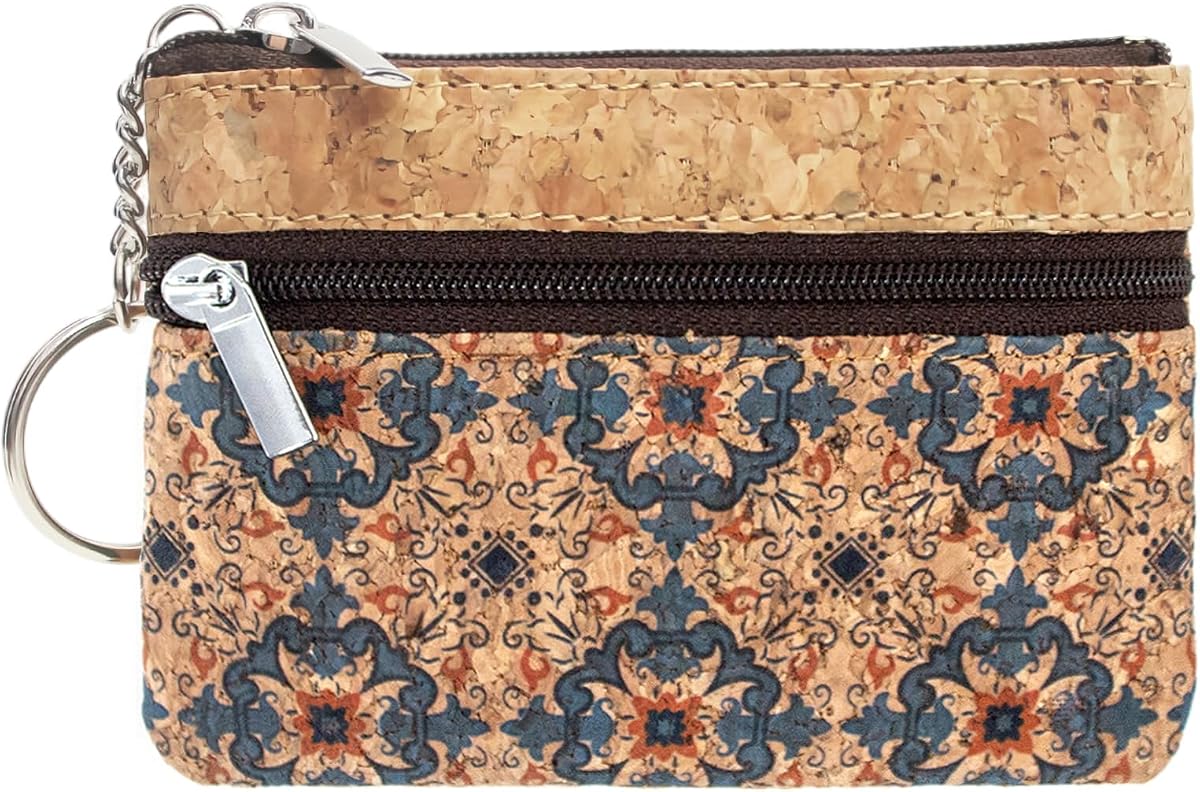
A handcrafted, water-resistant coin pouch made from sustainably harvested Portuguese cork—a farm-to-fashion staple.

A carbon-neutral, TSA-friendly travel staple made from recycled materials and Tencel, designed in Biarritz for maximum versatility.
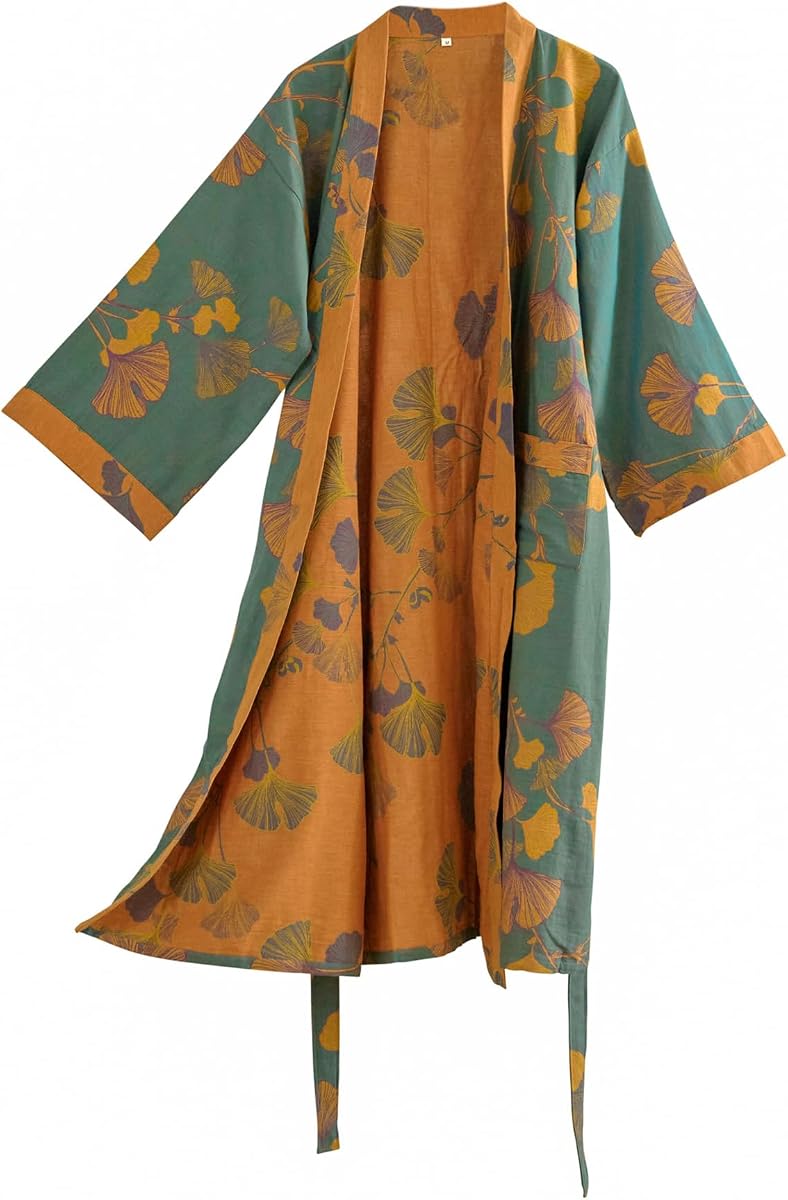
A luxurious, spa-weight robe made from 100% GOTS-certified organic cotton, produced under Fair Trade standards.

Exquisite hand-woven table linens designed in Brooklyn and artisan-made in Ethiopia. This Black-owned brand combines modern aesthetics with traditional Ethiopian weaving techniques.

Authentically hand-woven in Ghana, these baskets provide sustainable income for artisans while utilizing elephant grass—a renewable, natural resource. A versatile and nearly indestructible gift.

A premium selection of ethically sourced, regenerative organic dark chocolate bars that prioritize farmer equity and soil health over industrial shortcuts.
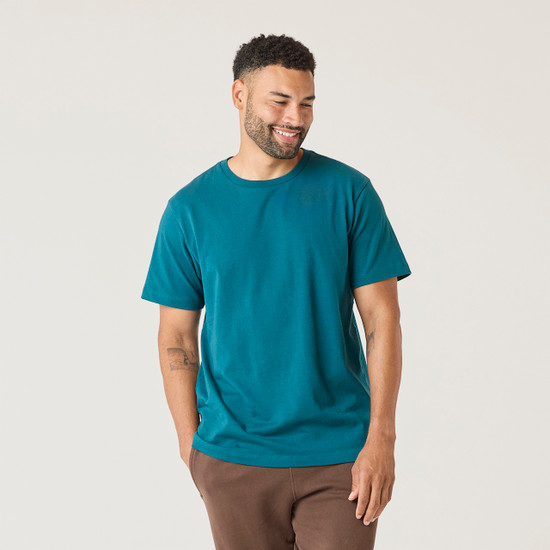
A gold-standard ethical staple. This tee is crafted from GOTS-certified organic cotton through a transparent supply chain that supports small-scale farmers in Peru.

A premium, ethically sourced Pima cotton t-shirt that supports fair wages and education in Peru. Highly durable and fully biodegradable.

A hand-woven, sustainable masterpiece that supports female artisans in Ghana while providing a durable, multi-purpose storage solution for any home.
What eco-butterflies is rated on
eco-butterflies earns a near-perfect ethical rating due to its GOTS certification (ensuring organic fiber from harvesting to labeling), Fair Trade certification (guaranteeing fair wages and safe conditions for farmers and workers), and PETA-Approved Vegan certification (confirming no animal-derived materials or testing). The brand publishes full supply chain documentation and maintains a strict no-animal-testing policy across all stages. Its high standards in environmental sustainability and social responsibility make it a benchmark for the category.
How the alternatives were picked
Alternatives to eco-butterflies were selected based on three criteria: comparable third-party certifications (GOTS, Fair Trade, or equivalent organic/vegan labels), transparency in supply chain reporting (public audit links or annual sustainability reports), and a product range that addresses the gaps eco-butterflies leaves — such as broader colorways, lower price points, or additional textile categories (e.g., woven fabrics, ready-made clothing). Each alternative was vetted against publicly available certification databases and independent ethical rating platforms. We prioritized brands that offer full traceability from fiber source to finished product, matching eco-butterflies’ rigor in social and environmental accountability.
What to check on the label
When reviewing potential alternatives, look for GOTS certified labels to ensure organic cotton integrity — this covers chemical use, water processing, and labor rights. A Fair Trade or Fair for Life mark confirms premiums paid to producers. PETA-Approved Vegan or Vegan Action logos verify no animal inputs or tests. Additionally, check for OEKO-TEX Standard 100 to confirm no harmful residues. If a brand claims transparency, look for a link to a public supply chain map or a B Corp certification, which audits overall social and environmental performance. Avoid brands that list only vague terms like 'natural' or 'eco-friendly' without third-party verification — these can indicate greenwashing.
How to judge a suggested brand alternative
An alternatives page is a starting shortlist, not proof that one brand is universally better than another. The suggestions come from our catalogue: published products in a similar category with a recorded ethics score. They answer a narrow question — which products we list might fit the same need — and they cannot tell you which option performs best, suits your skin or diet, or matches your budget.

Match the job before the score
Start with what the original product does for you: format, size, scent, skin or dietary requirements and where you buy it. A higher-scoring alternative is not useful if it comes in a format you cannot use or is not sold where you shop. Check the alternative's full record — purpose, ingredients, price and seller — before treating it as a replacement.
Compare evidence, not impressions
Read certifications at their stated scope: a scheme may cover one range, one material or a named entity rather than a whole brand. An animal-free ingredient list and an animal-testing policy are separate questions, and a parent company's record is a third. Where a claim matters to you, confirm it in the scheme's own directory or the manufacturer's current statement rather than relying on a badge alone.
Keep the limits of the comparison visible
Catalogue scores are AI-assisted assessments with documented limitations, not laboratory measurements. A missing score is a data gap, not a failing grade. The original brand's presence here reflects what our records contain, which may omit reformulations, regional differences or newer certifications. For health, safety or recall concerns, use official sources rather than any score.
| Check | Where to confirm it | Avoid assuming |
|---|---|---|
| Does the alternative do the same job? | Its full product record and the maker's current description | A similar category means a like-for-like replacement |
| Is a claimed certification current? | The certification scheme's official directory | A badge covers the whole brand or group |
| Is it actually available to you? | The retailer's current listing, price and delivery | A catalogue price tier is a live quote |
Frequently asked about eco-butterflies alternatives
Does eco-butterflies test on animals?+
No. eco-butterflies operates a strict no animal testing policy across all production stages and ingredients, and holds PETA-Approved Vegan certification confirming this.
Are there cheaper alternatives that still have GOTS and Fair Trade?+
Yes. Several small-scale organic cotton yarn brands and cooperatives offer GOTS and Fair Trade certification at lower price points, often by shorter supply chains or cooperative ownership. Always verify the certification numbers on the label before purchase.
What is the best way to verify a brand's organic cotton claim?+
Look for the GOTS logo with a license number. You can cross-check this number on the GOTS public database (www.global-standard.org) to ensure the certification is current and covers the specific product.
Can I find eco-butterflies alternatives that offer more color choices?+
Yes. Some independent dyers and co-ops source GOTS-certified organic cotton yarn and offer a wider range of colors, though they may not carry Fair Trade certification. Check their supply chain statements for transparency on labor and environmental practices.