Ethical Alternatives to eco-kids
Eco-kids is a family-owned brand known for its non-toxic, plant-based art supplies with strong ethical credentials including B Corp status, USDA Organic, and Leaping Bunny certifications. However, shoppers may seek alternatives due to price, availability, or specific ingredient preferences. This guide highlights brands that meet similar ethical standards without compromising on safety or performance.
Categories compared: Baby & Kids, Toys & Games, Arts & Crafts
Why shoppers look for alternatives to eco-kids
- Higher price point: eco-kids products often cost more than comparable alternatives, making them less accessible for budget-conscious families.
- Limited product range: eco-kids focuses primarily on art supplies; shoppers needing broader options (e.g., craft kits, play dough, or natural crayons) may find alternatives with more variety.
- Availability issues: eco-kids is sold mainly online and in select specialty stores, while some alternatives are more widely stocked in mainstream retailers.
- Scent or texture preferences: Some users report that eco-kids' plant-based formulas have a distinct natural odor or less vibrant pigments compared to conventional brands.
Top-scoring alternatives to eco-kids

Handcrafted in Egypt using organic cotton, these rattles support fair trade practices and sustainable agriculture in the Nile Delta.

A gold-standard ethical toy, these dolls are made from 100% GOTS certified organic Egyptian cotton in a fair-trade facility that supports sustainable farming.

A masterpieces of sustainable wooden design, this fire station is crafted from PlanWood and reclaimed rubberwood, utilizing a zero-waste production process.

The first and only baby brand to be Gold Seal Fair Trade certified, Under the Nile offers exceptionally soft Egyptian cotton towels made in a sustainable community in Egypt.

A sustainable, carbon-neutral dollhouse made from reclaimed rubberwood and non-toxic PlanWood.
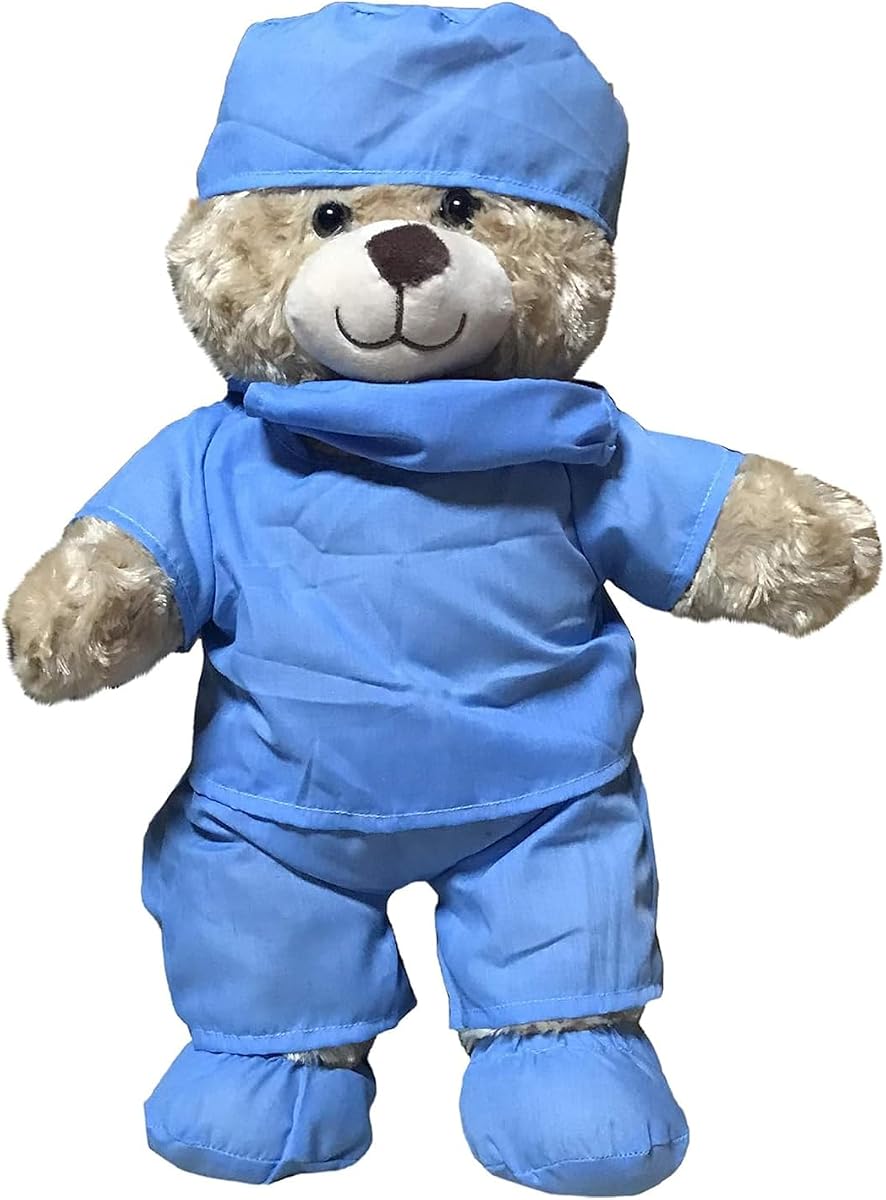
A Women-owned, BIPOC-led brand producing hand-stuffed organic cotton bears through a fair-trade welfare-to-work program.

A 100% natural rubber pacifier that is completely plant-based, plastic-free, and compostable, meeting the highest circularity standards.

A 100% organic and sustainable activity center that pair FSC-certified birch wood with hand-knit GOTS cotton toys, ensuring a plastic-free and heirloom-quality developmental tool.

Hand-knit heirloom dolls that provide 10 meals to children in need for every doll sold, crafted by artisans in Peru under fair trade conditions.
Handcrafted by artisans in Peru, these heirloom-quality dolls provide 10 meals to children in need for every doll sold, utilizing GOTS-certified organic cotton.
Hand-stitched in Egypt from 100% Sekem organic cotton, these dolls support rural farming communities and ensure zero chemical exposure for infants.

Expertly crafted from sustainable rubberwood and 'PlanWood,' this dollhouse represents the pinnacle of sustainable toy manufacturing using zero-waste principles.
What eco-kids is rated on
Eco-kids earns high marks across several ethical categories: it is B Corp certified, USDA Organic, Non-GMO Project Verified, vegan, and cruelty-free (PETA and Leaping Bunny approved). As a women-owned business with no known controversies, it scores near the top for ethical production. Independent watchdogs commend its use of plant-based, non-toxic ingredients and plastic-free packaging. However, its premium pricing and niche focus on art supplies limit its reach for families seeking complete creative material sets.
How the alternatives were picked
We selected alternatives that match eco-kids’ core commitments: non-toxic, plant-based formulas, cruelty-free and vegan certifications, and transparent ingredient sourcing. Each alternative must either hold comparable third-party certifications (e.g., USDA Organic, Leaping Bunny) or demonstrate a clear ethical policy through ownership diversity (e.g., women- or minority-owned) and environmental stewardship. Price, availability, and product breadth were also considered to ensure genuine choice for shoppers.
What to check on the label
When comparing alternatives, look for these key indicators: cruelty-free logos (Leaping Bunny or PETA Certified), USDA Organic or Non-GMO Project Verified seals, and a vegan claim (often stated on the front or back label). Avoid brands with vague “natural” claims—demand specific ingredient lists free from phthalates, parabens, and synthetic fragrances. Also verify B Corp certification or a women-owned badge (e.g., WBENC) if you prioritize corporate ethics. Lastly, check packaging for recyclable or plastic-free options, as many eco-kits use compostable materials that not all alternatives replicate.
How to judge a suggested brand alternative
An alternatives page is a starting shortlist, not proof that one brand is universally better than another. The suggestions come from our catalogue: published products in a similar category with a recorded ethics score. They answer a narrow question — which products we list might fit the same need — and they cannot tell you which option performs best, suits your skin or diet, or matches your budget.
Match the job before the score
Start with what the original product does for you: format, size, scent, skin or dietary requirements and where you buy it. A higher-scoring alternative is not useful if it comes in a format you cannot use or is not sold where you shop. Check the alternative's full record — purpose, ingredients, price and seller — before treating it as a replacement.
Compare evidence, not impressions
Read certifications at their stated scope: a scheme may cover one range, one material or a named entity rather than a whole brand. An animal-free ingredient list and an animal-testing policy are separate questions, and a parent company's record is a third. Where a claim matters to you, confirm it in the scheme's own directory or the manufacturer's current statement rather than relying on a badge alone.
Keep the limits of the comparison visible
Catalogue scores are AI-assisted assessments with documented limitations, not laboratory measurements. A missing score is a data gap, not a failing grade. The original brand's presence here reflects what our records contain, which may omit reformulations, regional differences or newer certifications. For health, safety or recall concerns, use official sources rather than any score.
| Check | Where to confirm it | Avoid assuming |
|---|---|---|
| Does the alternative do the same job? | Its full product record and the maker's current description | A similar category means a like-for-like replacement |
| Is a claimed certification current? | The certification scheme's official directory | A badge covers the whole brand or group |
| Is it actually available to you? | The retailer's current listing, price and delivery | A catalogue price tier is a live quote |
Frequently asked about eco-kids alternatives
Are all eco-kids alternatives also B Corp certified?+
No, not all alternatives have B Corp status. While that certification indicates high social and environmental standards, some smaller brands choose other accreditations like USDA Organic or Leaping Bunny. Focus on the specific certifications that matter most to you.
Do any alternatives offer better pricing than eco-kids?+
Yes, several brands like Crayola’s natural line or Honeysticks offer non-toxic, vegan crayons and paints at lower price points. Always compare per-unit costs and check for sales at stores like Target or Amazon.
Can I find eco-kids alternatives with a wider range of art supplies?+
Absolutely. Brands like Colorations (from Discount School Supply) and OOLY offer larger assortments of markers, pencils, and craft kits that are also non-toxic and cruelty-free, though they may not be organic-certified.
How do I verify a brand’s cruelty-free claim if it’s not Leaping Bunny?+
Look for the ‘PETA Approved’ logo or check the brand’s website for a clear animal testing policy. Reputable brands will state that neither they nor their suppliers test on animals. You can also cross-reference with the Leaping Bunny database.