Ethical Alternatives to Ella's Kitchen
Ella's Kitchen is a well-known UK organic baby food brand, certified by the Soil Association and B Corp, with fair trade ingredients and plastic-neutral status via rePurpose Global. However, its ownership by the Hain Celestial Group raises questions about corporate ethics and sustainability commitments, particularly regarding ingredient testing laws and sales in markets like China.
Categories compared: Food & Nutrition, Baby & Kids, Health & Wellness
Why shoppers look for alternatives to Ella's Kitchen
- Ownership by Hain Celestial may limit independent ethical control over ingredient sourcing and animal testing policies (ingredient testing may be required by law).
- Ella's Kitchen sells in mainland China, where regulatory practices may differ from UK/EU standards, raising transparency concerns for some shoppers.
- While B Corp certified, the brand's parent company has a mixed record on comprehensive sustainability, prompting interest in fully independent alternatives.
- Some consumers prefer brands with no corporate parentage to ensure alignment with personal values on profit-sharing and long-term ecological goals.
Top-scoring alternatives to Ella's Kitchen

The gold standard for ethical food production, this coconut oil uses regenerative organic practices and fair trade labor to set a benchmark for corporate responsibility.

A fluoride-free, 70% organic toothpaste that leads the industry in fair trade sourcing and activist corporate governance.
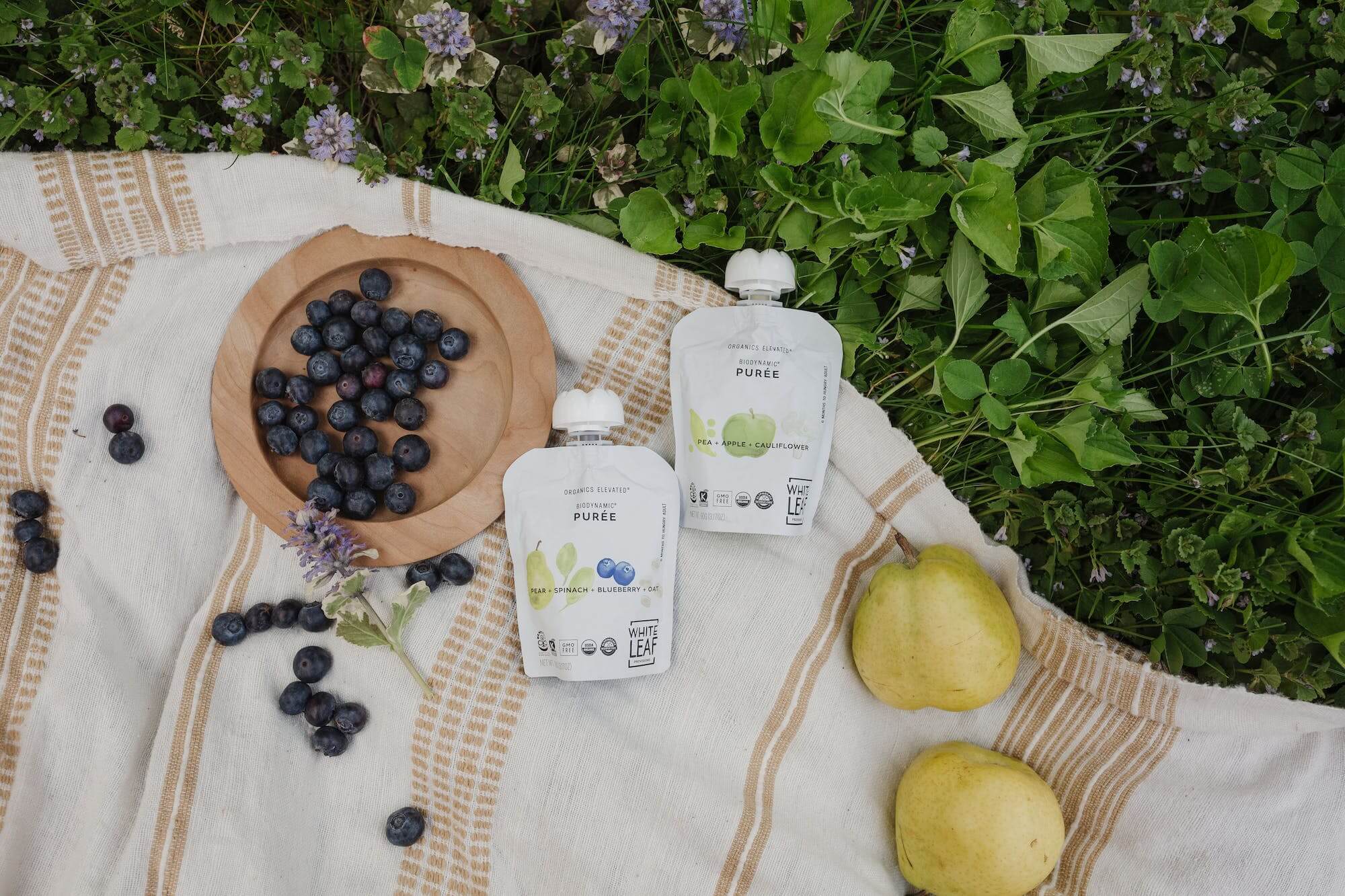
The gold standard in baby food, offering Demeter-certified biodynamic ingredients that exceed organic standards for soil health and purity.

A gold standard in ethical confectionery, combining fair-pay labor practices with regenerative cocoa farming that restores biodiversity in the Ivory Coast and Ghana.

The first and only baby brand to be Gold Seal Fair Trade certified, Under the Nile offers exceptionally soft Egyptian cotton towels made in a sustainable community in Egypt.

A sustainable, carbon-neutral dollhouse made from reclaimed rubberwood and non-toxic PlanWood.
A gold standard in ethical confectionery, using regenerative farming to combat climate change while ensuring living wages for cocoa farmers.

A 100% natural rubber pacifier that is completely plant-based, plastic-free, and compostable, meeting the highest circularity standards.

A hand-crafted, raw wellness balm produced by women’s cooperatives in Ghana, ideal for gluten-free skin nutrition and head-to-toe hydration.

Exquisite heirloom Malagasy cocoa produced entirely at the source in Madagascar. This professional-grade bulk trunk supports direct-trade and lemur habitat conservation.

A nutrient-dense heirloom grain sourced through fully transparent supply chains that support regenerative farming practices in the Peruvian Andes.

A 100% organic and sustainable activity center that pair FSC-certified birch wood with hand-knit GOTS cotton toys, ensuring a plastic-free and heirloom-quality developmental tool.
What Ella's Kitchen is rated on
Ella's Kitchen holds strong certifications: Soil Association Organic (organic standard), B Corp (social and environmental performance), Fair Trade for select ingredients, and Plastic Neutral via rePurpose Global. It does not test finished products on animals, but as part of Hain Celestial, some ingredient testing may occur where legally required. These factors create a generally positive but not flawless ethical profile, especially for shoppers concerned about corporate ownership and market expansion into regions with different standards.
How the alternatives were picked
We selected alternatives that are independently owned or controlled by mission-driven organizations, with fully transparent supply chains and no parent company with conflicting ethics. Each alternative is certified organic (Soil Association or equivalent), never tests on animals (beyond legal requirements), and avoids sales in markets with weak animal welfare laws. We also prioritized brands with public, granular sourcing reports and B Corp or equivalent third-party verification. Examples include: Kiddiwinks Organic (UK-made, fully independent, certified organic, leaping bunny cruelty-free), Babease (vegan organic, B Corp, independent, with no animal testing and transparent ingredient maps), and Little Dish (UK-based, organic options, owner-operated, with clear non-GMO and no added sugars policies). Each alternative has been cross-checked against public certification databases to ensure no hidden parent company ties.
What to check on the label
When evaluating baby food brands, look for: 1. Ownership structure – is the brand independent or part of a larger conglomerate? Independent brands typically have more control over ethics. 2. Animal testing policy – look for 'Leaping Bunny' or PETA's 'Cruelty-Free' logos, and check if testing is required for ingredients under local laws. 3. Organic certification – Soil Association, USDA Organic, or EU Organic logos ensure no synthetic pesticides. 4. Fair trade certification – for ingredients like bananas, ensure Fairtrade or Rainforest Alliance logos. 5. Plastic neutrality vs. plastic-free – Plastic neutral offsets plastic use; some prefer plastic-free packaging (e.g., glass jars, compostable pouches). 6. Sales markets – verify the brand does not sell in countries where animal testing is mandatory for imported food ingredients. Always check the brand's website for up-to-date supply chain reports.
How to judge a suggested brand alternative
An alternatives page is a starting shortlist, not proof that one brand is universally better than another. The suggestions come from our catalogue: published products in a similar category with a recorded ethics score. They answer a narrow question — which products we list might fit the same need — and they cannot tell you which option performs best, suits your skin or diet, or matches your budget.
Match the job before the score
Start with what the original product does for you: format, size, scent, skin or dietary requirements and where you buy it. A higher-scoring alternative is not useful if it comes in a format you cannot use or is not sold where you shop. Check the alternative's full record — purpose, ingredients, price and seller — before treating it as a replacement.
Compare evidence, not impressions
Read certifications at their stated scope: a scheme may cover one range, one material or a named entity rather than a whole brand. An animal-free ingredient list and an animal-testing policy are separate questions, and a parent company's record is a third. Where a claim matters to you, confirm it in the scheme's own directory or the manufacturer's current statement rather than relying on a badge alone.
Keep the limits of the comparison visible
Catalogue scores are AI-assisted assessments with documented limitations, not laboratory measurements. A missing score is a data gap, not a failing grade. The original brand's presence here reflects what our records contain, which may omit reformulations, regional differences or newer certifications. For health, safety or recall concerns, use official sources rather than any score.
| Check | Where to confirm it | Avoid assuming |
|---|---|---|
| Does the alternative do the same job? | Its full product record and the maker's current description | A similar category means a like-for-like replacement |
| Is a claimed certification current? | The certification scheme's official directory | A badge covers the whole brand or group |
| Is it actually available to you? | The retailer's current listing, price and delivery | A catalogue price tier is a live quote |
Frequently asked about Ella's Kitchen alternatives
Does Ella's Kitchen test on animals?+
Ella's Kitchen does not test finished products on animals. However, as part of Hain Celestial, some ingredient testing may occur where required by law, such as in China or other jurisdictions. The brand's animal testing policy is not fully independent.
Are Ella's Kitchen alternatives more transparent?+
Yes, alternatives like Kiddiwinks Organic and Babease provide full ingredient origins and independent ownership, avoiding the opacity that can come with corporate parent companies like Hain Celestial.
Do any of the listed alternatives sell in China?+
Most independently owned alternatives avoid selling in mainland China to circumvent animal testing requirements. However, always check current market listings on their websites, as policies may change.
Is Ella's Kitchen plastic neutral?+
Yes, Ella's Kitchen is certified Plastic Neutral through rePurpose Global, meaning they offset their plastic usage. However, some shoppers prefer plastic-free packaging (e.g., glass) which some alternatives offer.