Ethical Alternatives to Emergen-C
Emergen-C is a popular vitamin C supplement owned by Nestlé Health Science, but it holds no major ethical certifications. Its parent company’s record on sustainability and labor practices has led many shoppers to seek better-aligned options.
Categories compared: Food & Nutrition, Health & Wellness
Why shoppers look for alternatives to Emergen-C
- No independent ethical certifications (e.g., USDA Organic, Non-GMO Project, Fair Trade) — transparency is minimal.
- Nestlé has faced criticism for water privatization, deforestation linked to palm oil, and labor issues in cocoa supply chains.
- Animal testing is required for sales in mainland China, even if the brand itself does not test voluntarily.
- Packaging is often single-use plastic or non-recyclable, with no clear commitments to reducing plastic waste.
- The formula includes artificial flavors and sweeteners (e.g., sucralose) that some shoppers prefer to avoid.
Top-scoring alternatives to Emergen-C

The gold standard for ethical food production, this coconut oil uses regenerative organic practices and fair trade labor to set a benchmark for corporate responsibility.

A fluoride-free, 70% organic toothpaste that leads the industry in fair trade sourcing and activist corporate governance.
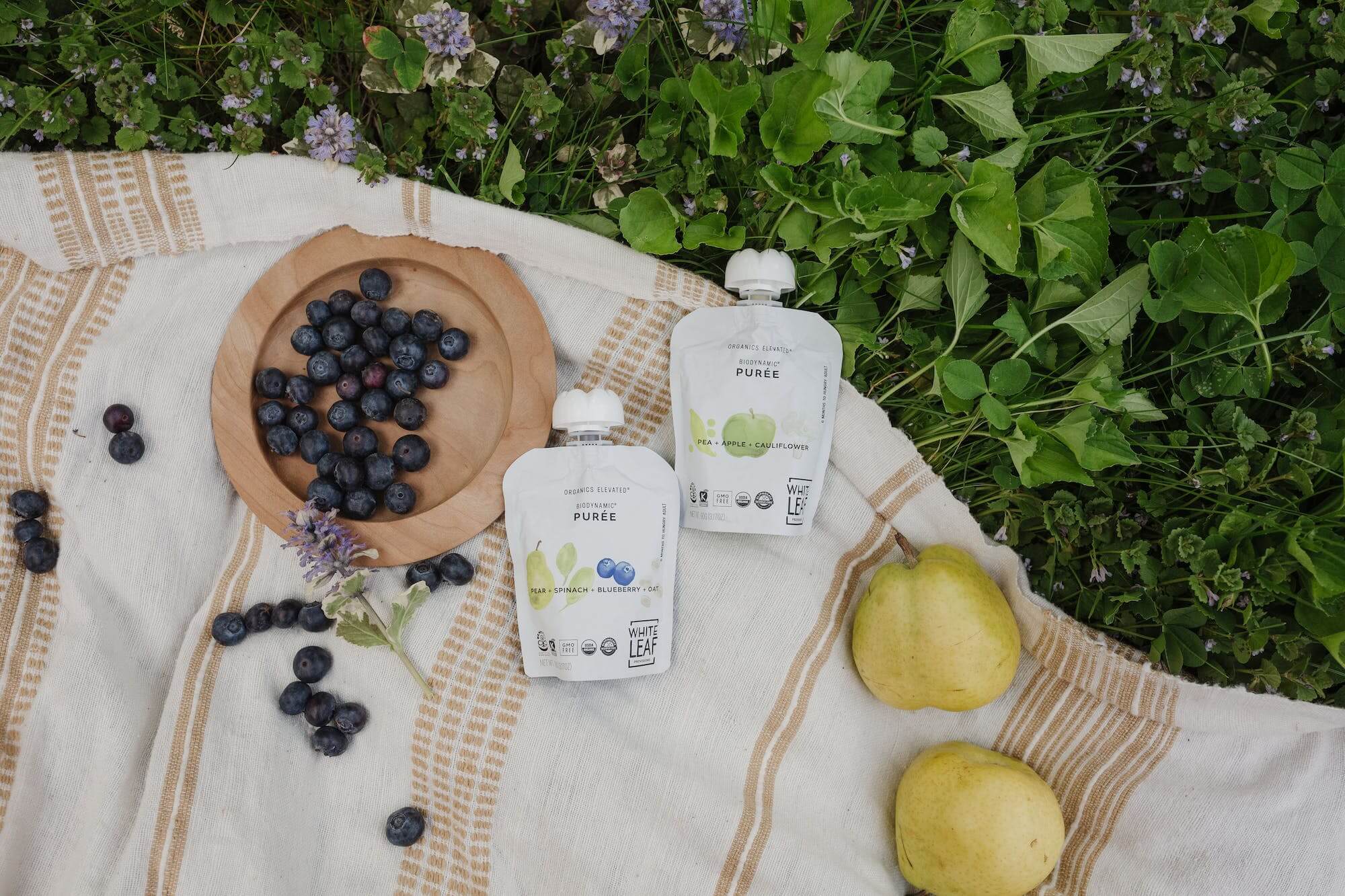
The gold standard in baby food, offering Demeter-certified biodynamic ingredients that exceed organic standards for soil health and purity.

A gold standard in ethical confectionery, combining fair-pay labor practices with regenerative cocoa farming that restores biodiversity in the Ivory Coast and Ghana.
A gold standard in ethical confectionery, using regenerative farming to combat climate change while ensuring living wages for cocoa farmers.

A hand-crafted, raw wellness balm produced by women’s cooperatives in Ghana, ideal for gluten-free skin nutrition and head-to-toe hydration.

Exquisite heirloom Malagasy cocoa produced entirely at the source in Madagascar. This professional-grade bulk trunk supports direct-trade and lemur habitat conservation.

A nutrient-dense heirloom grain sourced through fully transparent supply chains that support regenerative farming practices in the Peruvian Andes.

A gold-standard adaptogenic supplement produced through regenerative agriculture and fair trade partnerships with small family farmers in India.

A women-owned B Corp that prioritizes equitable purchasing and environmental stewardship through long-term farmer partnerships.

The gold standard in European baby food, Holle's Demeter-certified porridges offer chemical-free nutrition for infants. A top-rated staple for health-conscious parents in urban environments.

A premium, hypoallergenic lumbar support pillow made from 100% GOLS organic certified latex and GOTS organic cotton, ideal for posture correction during downsizing transitions.
What Emergen-C is rated on
Emergen-C, a brand under Nestlé Health Science, competes in the Food & Nutrition and Health & Wellness categories. It is best known for its fizzy vitamin C powder packets. The brand holds no certifications from USDA Organic, Non-GMO Project, B Corp, Leaping Bunny, or Fair Trade. Nestlé’s overall ethical performance has been flagged by organizations like Oxfam and the Environmental Working Group for issues including water extraction and supply chain transparency. The brand’s animal-testing policy states no testing is done except where legally required, such as for sales in China, where mandatory animal testing applies to imported supplements.
How the alternatives were picked
We selected alternatives that meet at least two of the following criteria: (1) third-party certifications like USDA Organic, Non-GMO Project, Leaping Bunny, or B Corp; (2) transparent ingredient sourcing and no artificial sweeteners or colors; (3) eco-friendly packaging with recycled content or refill options; (4) clearly stated policy against animal testing without legal exemptions; and (5) parent company with a strong overall ethical record, such as employee-owned or B Corp status. All alternatives are from independent or well-audited brands with public sustainability reports.
What to check on the label
When choosing an alternative, look for: Certifications — USDA Organic ensures no synthetic pesticides; Non-GMO Project Verified means no genetically modified ingredients; Leaping Bunny or PETA’s Beauty Without Bunnies covers no animal testing globally. Ingredients — prefer whole-food vitamin C sources like acerola cherry, camu camu, or amla, and avoid sucralose, aspartame, or artificial colors. Packaging — choose glass jars or compostable packets over single-use plastic. Country of sale — some brands voluntarily avoid the Chinese market to sidestep mandatory animal testing. Finally, check the parent company — independent or certified B Corps often have better supply-chain oversight.
How to judge a suggested brand alternative
An alternatives page is a starting shortlist, not proof that one brand is universally better than another. The suggestions come from our catalogue: published products in a similar category with a recorded ethics score. They answer a narrow question — which products we list might fit the same need — and they cannot tell you which option performs best, suits your skin or diet, or matches your budget.

Match the job before the score
Start with what the original product does for you: format, size, scent, skin or dietary requirements and where you buy it. A higher-scoring alternative is not useful if it comes in a format you cannot use or is not sold where you shop. Check the alternative's full record — purpose, ingredients, price and seller — before treating it as a replacement.
Compare evidence, not impressions
Read certifications at their stated scope: a scheme may cover one range, one material or a named entity rather than a whole brand. An animal-free ingredient list and an animal-testing policy are separate questions, and a parent company's record is a third. Where a claim matters to you, confirm it in the scheme's own directory or the manufacturer's current statement rather than relying on a badge alone.
Keep the limits of the comparison visible
Catalogue scores are AI-assisted assessments with documented limitations, not laboratory measurements. A missing score is a data gap, not a failing grade. The original brand's presence here reflects what our records contain, which may omit reformulations, regional differences or newer certifications. For health, safety or recall concerns, use official sources rather than any score.
| Check | Where to confirm it | Avoid assuming |
|---|---|---|
| Does the alternative do the same job? | Its full product record and the maker's current description | A similar category means a like-for-like replacement |
| Is a claimed certification current? | The certification scheme's official directory | A badge covers the whole brand or group |
| Is it actually available to you? | The retailer's current listing, price and delivery | A catalogue price tier is a live quote |
Frequently asked about Emergen-C alternatives
Does Emergen-C test on animals?+
Nestlé states it does not test on animals except where legally required, including for sales in mainland China. Since Emergen-C is sold in China, it is subject to mandatory animal testing for imported supplements.
What certifications should an ethical vitamin C powder have?+
Look for USDA Organic, Non-GMO Project Verified, Leaping Bunny (for no animal testing), and B Corp certification for company-level ethics. None of these apply to Emergen-C.
Why do some shoppers avoid Nestlé products?+
Nestlé has been criticized for unsustainable water bottling practices, deforestation in palm oil supply chains, and child labor concerns in cocoa farming. These records are documented by groups like the UN and Oxfam.
Are there clean-label alternatives without artificial sweeteners?+
Yes. Brands like Garden of Life, Nature’s Way, and Vital Nutrients offer vitamin C powders sweetened with stevia or fruit extracts, and they avoid sucralose and artificial flavors.