Ethical Alternatives to endangered species chocolate
Endangered Species Chocolate is a respected brand known for its premium organic, Fair Trade, Non-GMO, and vegan chocolate, coupled with a 1% for the Planet commitment and wildlife habitat protection. However, shoppers seeking similar or even broader ethical certifications may want to explore other options that align with their specific values or budget.
Categories compared: Food & Nutrition, Gifts & Seasonal
Why shoppers look for alternatives to endangered species chocolate
- Endangered Species Chocolate products are not always organic-certified, which some ethical shoppers prioritize for environmental and health reasons.
- The brand focuses on wildlife conservation (1% for the Planet), but some alternatives allocate profits to additional causes such as direct farmer co-ops or climate justice.
- Their supplier vetting is strong, but formally certified direct-trade or bean-to-bar models offer deeper supply chain transparency.
- Price point can be higher than some fair-trade alternatives that still meet rigorous ethical standards.
Top-scoring alternatives to endangered species chocolate

The gold standard for ethical food production, this coconut oil uses regenerative organic practices and fair trade labor to set a benchmark for corporate responsibility.

A zero-waste bathroom essential hand-crafted by women's cooperatives, perfect for exfoliating and extending the life of soap.

The gold standard in ethical soap, these travel-sized bottles are perfect for wellness pros on the go, featuring 100% PCR packaging and fair-trade ingredients.

The gold standard in baby food, offering Demeter-certified biodynamic ingredients that exceed organic standards for soil health and purity.

A gold standard in ethical confectionery, combining fair-pay labor practices with regenerative cocoa farming that restores biodiversity in the Ivory Coast and Ghana.
A gold standard in ethical confectionery, using regenerative farming to combat climate change while ensuring living wages for cocoa farmers.

Exquisite heirloom Malagasy cocoa produced entirely at the source in Madagascar. This professional-grade bulk trunk supports direct-trade and lemur habitat conservation.

A nutrient-dense heirloom grain sourced through fully transparent supply chains that support regenerative farming practices in the Peruvian Andes.
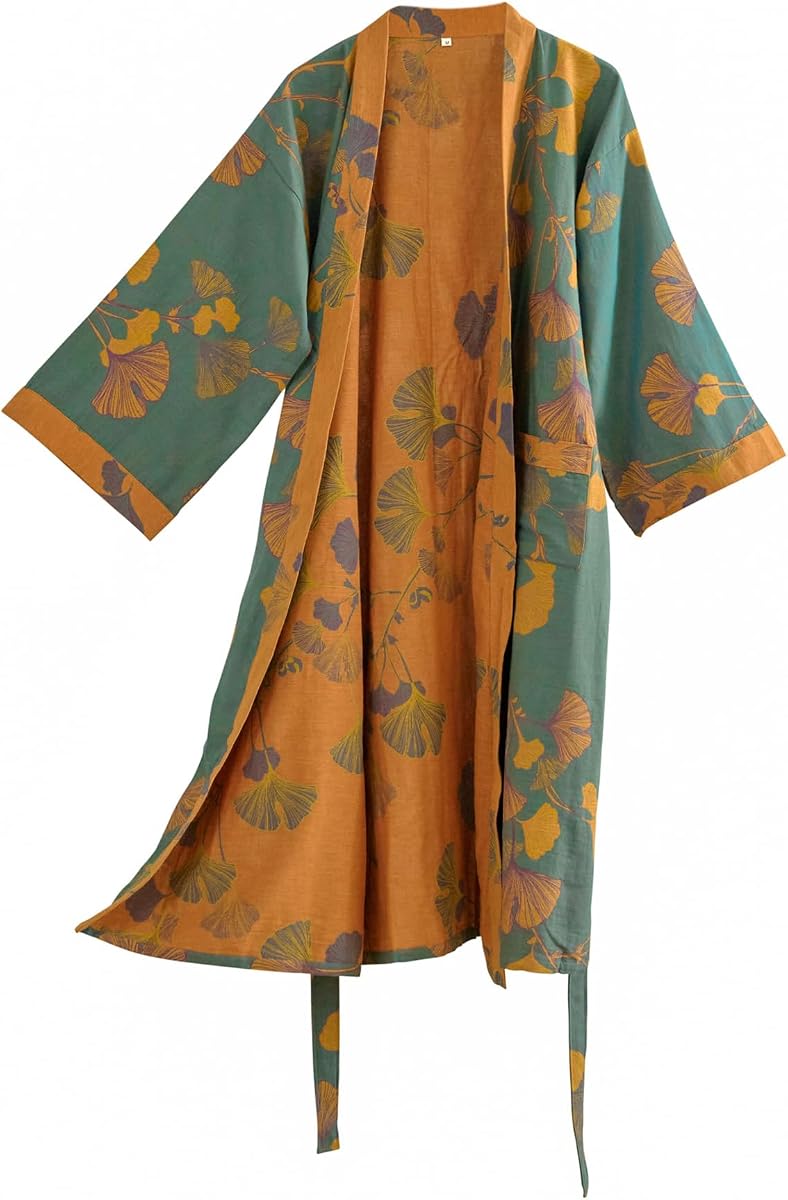
A luxurious, spa-weight robe made from 100% GOTS-certified organic cotton, produced under Fair Trade standards.

Exquisite hand-woven table linens designed in Brooklyn and artisan-made in Ethiopia. This Black-owned brand combines modern aesthetics with traditional Ethiopian weaving techniques.

Authentically hand-woven in Ghana, these baskets provide sustainable income for artisans while utilizing elephant grass—a renewable, natural resource. A versatile and nearly indestructible gift.
A premium selection of ethically sourced, regenerative organic dark chocolate bars that prioritize farmer equity and soil health over industrial shortcuts.
What Endangered Species Chocolate is rated on
Endangered Species Chocolate holds several strong certifications: Fair Trade Certified, Non-GMO Project Verified, and Vegan. It is a member of 1% for the Planet, donating 1% of sales to wildlife habitat protection. The brand does not test finished products on animals and vets its suppliers for ethical practices. However, it is not certified organic, and its conservation focus is specifically on wildlife, not necessarily broader social or environmental issues.
How the alternatives were picked
We compared chocolates that match or exceed Endangered Species Chocolate’s ethical baseline: Fair Trade, Non-GMO, vegan, and no animal testing. Alternatives were selected based on publicly available certifications and transparency reports. Priority was given to brands that are also organic-certified (USDA Organic or EU Organic), have direct-trade or farmer-co-op relationships, or donate to causes beyond wildlife (e.g., climate, fair wages). We excluded any brand with a history of greenwashing or unresolved labor disputes.
What to check on the label
When choosing an ethical alternative, look for the following labels and claims:
- Fair Trade Certified – ensures minimum price and premiums for farmers.
- Non-GMO Project Verified – ensures no genetically modified ingredients.
- Vegan – no animal products; common in dark chocolate but check for milk solids.
- USDA Organic or EU Organic – indicates no synthetic pesticides and better soil practices.
- 1% for the Planet – a membership that guarantees charitable giving, though verify which nonprofit receives funds.
- Direct Trade or Direct Sourcing – often means higher farmer payments and traceability, but verify via brand transparency reports.
- No animal testing policy – look for explicit statements or Leaping Bunny certification.
Remember that certifications cost money, so smaller artisanal brands may use alternative verification (e.g., B Corp, Regenerative Organic). Always check the brand’s annual impact or transparency report for details.
How to judge a suggested brand alternative
An alternatives page is a starting shortlist, not proof that one brand is universally better than another. The suggestions come from our catalogue: published products in a similar category with a recorded ethics score. They answer a narrow question — which products we list might fit the same need — and they cannot tell you which option performs best, suits your skin or diet, or matches your budget.

Match the job before the score
Start with what the original product does for you: format, size, scent, skin or dietary requirements and where you buy it. A higher-scoring alternative is not useful if it comes in a format you cannot use or is not sold where you shop. Check the alternative's full record — purpose, ingredients, price and seller — before treating it as a replacement.
Compare evidence, not impressions
Read certifications at their stated scope: a scheme may cover one range, one material or a named entity rather than a whole brand. An animal-free ingredient list and an animal-testing policy are separate questions, and a parent company's record is a third. Where a claim matters to you, confirm it in the scheme's own directory or the manufacturer's current statement rather than relying on a badge alone.
Keep the limits of the comparison visible
Catalogue scores are AI-assisted assessments with documented limitations, not laboratory measurements. A missing score is a data gap, not a failing grade. The original brand's presence here reflects what our records contain, which may omit reformulations, regional differences or newer certifications. For health, safety or recall concerns, use official sources rather than any score.
| Check | Where to confirm it | Avoid assuming |
|---|---|---|
| Does the alternative do the same job? | Its full product record and the maker's current description | A similar category means a like-for-like replacement |
| Is a claimed certification current? | The certification scheme's official directory | A badge covers the whole brand or group |
| Is it actually available to you? | The retailer's current listing, price and delivery | A catalogue price tier is a live quote |
Frequently asked about endangered species chocolate alternatives
Is Endangered Species Chocolate organic?+
No, Endangered Species Chocolate is not certified organic. While it uses some organic ingredients in certain products, the brand as a whole does not hold USDA Organic or EU Organic certification. If organic is important to you, look for labels explicitly stating 'Certified Organic'.
Does Endangered Species Chocolate test on animals?+
No, the brand does not test finished products on animals, and it vets its suppliers to ensure ethical practices. It is not Leaping Bunny certified, but its policy is in line with vegan and cruelty-free standards.
What does '1% for the Planet' mean for Endangered Species Chocolate?+
Membership in 1% for the Planet means the brand donates at least 1% of annual sales to approved environmental nonprofits. Endangered Species Chocolate directs these funds specifically to wildlife habitat protection and conservation programs. This is a verified commitment, but donations are to third-party groups, not to farmers.
Can I find cheaper ethical chocolates than Endangered Species Chocolate?+
Yes, some certified Fair Trade and organic chocolates are priced lower per bar, especially store brands or smaller producers. Compare grams per dollar and look for sales at co-ops or online retailers. Always verify certifications as cost-cutting may mean fewer labels (e.g., non-GMO but not vegan).