Ethical Alternatives to Flamingo
Flamingo offers personal care and grooming products with a stated commitment to cruelty-free practices and sustainable packaging. However, limited third-party certifications and unclear policies on third-party testing and sales in markets requiring animal testing leave room for more transparent alternatives.
Categories compared: Beauty & Personal Care, Health & Wellness
Why shoppers look for alternatives to Flamingo
- Flamingo does not hold any third-party cruelty-free certifications (e.g., Leaping Bunny, PETA), making its animal-testing claims unverified.
- The brand does not explicitly confirm it avoids third-party testing or sales in markets such as China, which may require animal testing by law.
- Publicly available information on supply chain labor practices and ingredient sourcing is limited, offering less accountability for ethical shoppers.
- While Flamingo uses sustainable packaging, it lacks full transparency on recycling or refill programs compared to some competitors.
Top-scoring alternatives to Flamingo
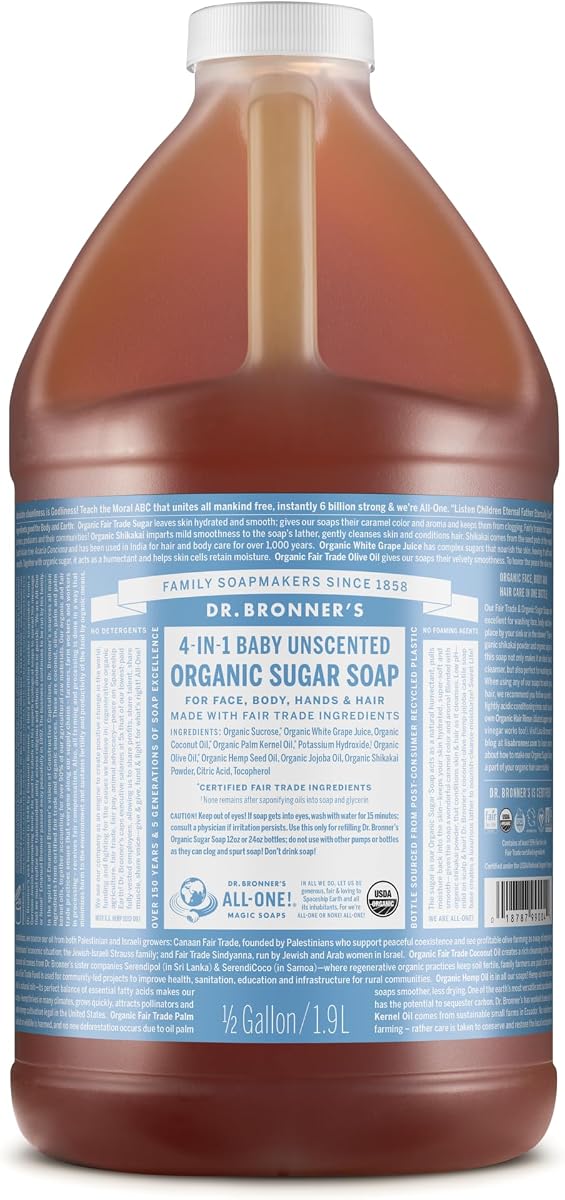
A multi-use, fair-trade organic soap that is gentle enough for pets yet effective at removing grime and odors.

The gold standard for ethical personal and pet care. Dr. Bronner’s Peppermint Pure-Castile Soap is biodegradable, fair trade, and highly concentrated for multi-purpose use.

A fluoride-free, 70% organic toothpaste that leads the industry in fair trade sourcing and activist corporate governance.

A legendary multi-use soap that is widely recommended by groomers for pets due to its organic, fair-trade ingredients and complete lack of synthetic detergents.

The ultimate multi-tasker for minimalist hosts; one bottle can wash hands, body, hair, and even dishes.
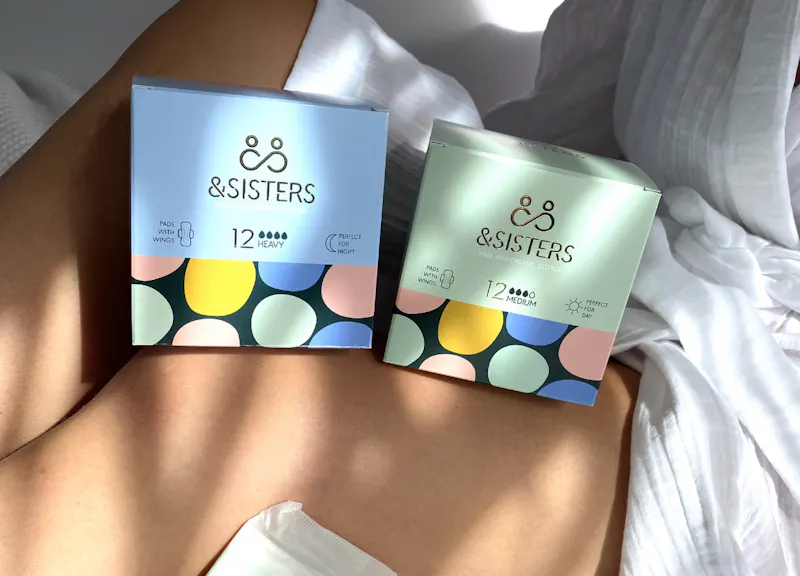
A UK-based, women-owned B Corp offering the highest ethical standard in menstrual care. This bulk 'Sisterhood' bundle features GOTS organic cotton tampons and pads with RSPO-segregated inputs, ensuring zero deforestation.

The gold standard of ethical soaps, featuring regenerative organic palm oil and a legacy of fair-trade advocacy and radical transparency.

A hand-crafted, raw wellness balm produced by women’s cooperatives in Ghana, ideal for gluten-free skin nutrition and head-to-toe hydration.
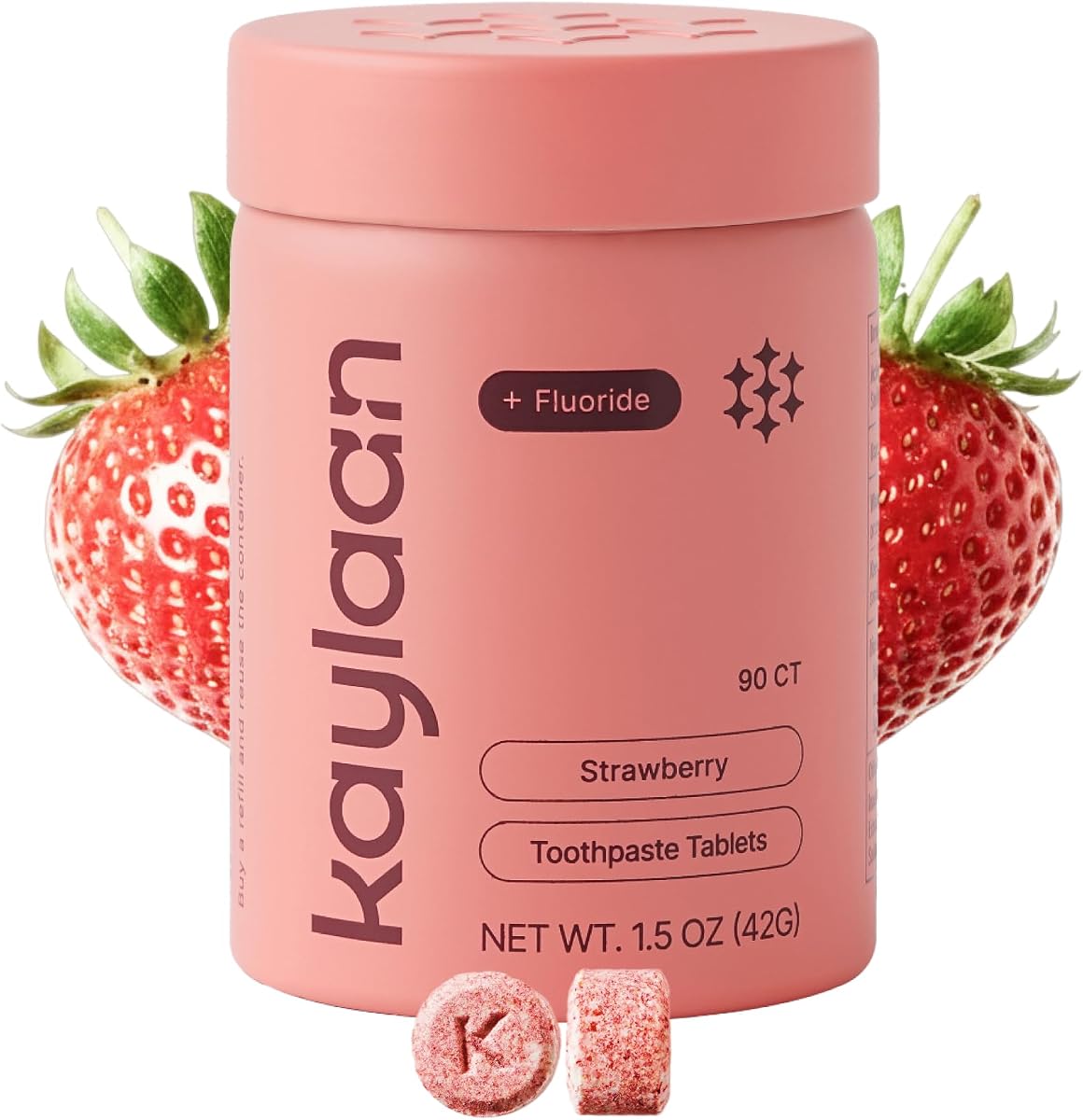
A zero-waste oral care system consisting of fluoride-free tablets in a refillable glass jar, featuring ingredients sourced from ethical Eastern European partners.

A high-potency, carbon-extracted rosehip oil designed specifically for sensitive skin, backed by rigorous B Corp standards and organic agricultural sourcing.
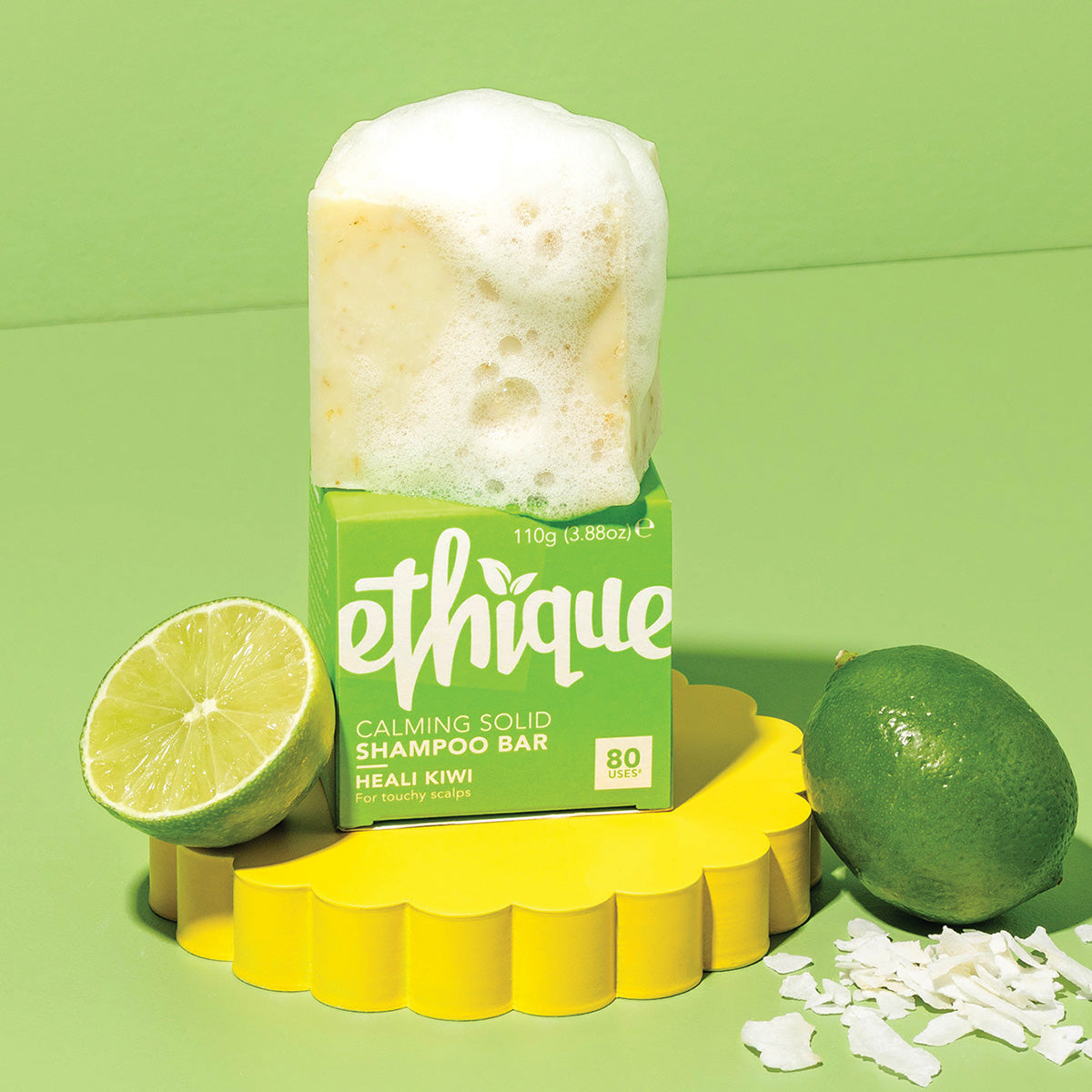
A plastic-free, highly concentrated shampoo bar that replaces three plastic bottles, featuring fair-trade ingredients and carbon-neutral shipping.

A moisturizing, sulfate-free bubble bath featuring handcrafted fair-trade shea butter and calming lavender oil.
What Flamingo is rated on
Flamingo is evaluated primarily on its claims of being cruelty-free and using sustainable packaging. The brand states it does not test on animals, but it does not confirm avoiding third-party testing or selling in countries where animal testing is legally required. No independent certifications (such as Leaping Bunny, PETA Beauty Without Bunnies, or B Corp) are on file. Labor sourcing and ingredient transparency are also not fully disclosed in public records. This makes Flamingo a moderately transparent brand, but not among the most verifiable in the ethical personal care space.
How the alternatives were picked
The alternatives listed on this page were selected based on three criteria: they operate in the Beauty & Personal Care and Health & Wellness categories; they have publicly available third-party certifications for at least one ethical claim (such as cruelty-free, organic, fair trade, or certified B Corp); and they provide clear animal-testing policies that exclude third-party involvement and sales in markets requiring testing. Each alternative was cross-referenced with certification databases to ensure claims are independently verified. Where possible, we prioritized brands with transparent supply chains and sustainable packaging that is certified (e.g., FSC, recyclable, or refillable).
What to check on the label
When evaluating any personal care or grooming product, look for the following on labels and brand websites: a verified cruelty-free logo (Leaping Bunny or PETA) with a clear statement that neither the brand nor its suppliers test on animals; note whether the brand sells in countries like China, which may require post-market animal testing. Check for organic certifications (USDA Organic, COSMOS) to ensure ingredient sourcing, and look for Fair Trade or B Corp logos for labor and environmental accountability. Finally, examine packaging for recyclability claims and whether the brand participates in a take-back or refill program, which indicates a deeper commitment to reducing waste.
How to judge a suggested brand alternative
An alternatives page is a starting shortlist, not proof that one brand is universally better than another. The suggestions come from our catalogue: published products in a similar category with a recorded ethics score. They answer a narrow question — which products we list might fit the same need — and they cannot tell you which option performs best, suits your skin or diet, or matches your budget.
Match the job before the score
Start with what the original product does for you: format, size, scent, skin or dietary requirements and where you buy it. A higher-scoring alternative is not useful if it comes in a format you cannot use or is not sold where you shop. Check the alternative's full record — purpose, ingredients, price and seller — before treating it as a replacement.
Compare evidence, not impressions
Read certifications at their stated scope: a scheme may cover one range, one material or a named entity rather than a whole brand. An animal-free ingredient list and an animal-testing policy are separate questions, and a parent company's record is a third. Where a claim matters to you, confirm it in the scheme's own directory or the manufacturer's current statement rather than relying on a badge alone.
Keep the limits of the comparison visible
Catalogue scores are AI-assisted assessments with documented limitations, not laboratory measurements. A missing score is a data gap, not a failing grade. The original brand's presence here reflects what our records contain, which may omit reformulations, regional differences or newer certifications. For health, safety or recall concerns, use official sources rather than any score.
| Check | Where to confirm it | Avoid assuming |
|---|---|---|
| Does the alternative do the same job? | Its full product record and the maker's current description | A similar category means a like-for-like replacement |
| Is a claimed certification current? | The certification scheme's official directory | A badge covers the whole brand or group |
| Is it actually available to you? | The retailer's current listing, price and delivery | A catalogue price tier is a live quote |
Frequently asked about Flamingo alternatives
Does Flamingo have any independent cruelty-free certification?+
As of the latest public records, Flamingo does not hold any third-party cruelty-free certifications such as Leaping Bunny or PETA's Beauty Without Bunnies program. Its cruelty-free claims are self-reported.
Does Flamingo sell products in China or other markets that require animal testing?+
Flamingo does not publicly confirm whether it avoids sales in markets that legally require animal testing, such as mainland China. This makes it unclear if its products are subject to post-market animal testing.
Are Flamingo products considered sustainable?+
Flamingo uses sustainable packaging and has made efforts to reduce plastic use, but it lacks third-party certifications for its sustainability claims and does not have a widely publicized refill or take-back program.
What is the best alternative to Flamingo for verified cruelty-free grooming products?+
Brands like Ethique, The Body Shop (certified by Leaping Bunny), and HiBAR offer clearly verified cruelty-free and sustainable grooming options with full transparency on animal testing, ingredients, and packaging.