Ethical Alternatives to Fruit Pastilles
Fruit Pastilles are a popular fruit-flavored chewy sweet, but as a Nestlé product they lack independent ethical certifications and have limited vegan options. While the brand itself avoids major controversies, its parent company's record on sustainability and labor practices leads many conscientious shoppers to seek alternatives.
Categories compared: Food & Nutrition, Gifts & Seasonal
Why shoppers look for alternatives to Fruit Pastilles
- No independent ethical certifications (e.g., Fairtrade, Rainforest Alliance, or vegan certification) are listed for Fruit Pastilles.
- Nestlé does not test finished products on animals except where required by law, but animal testing may still occur for certain ingredients or regulatory compliance.
- Limited vegan options — Fruit Pastilles contain animal-derived ingredients (e.g., gelatin in some varieties).
- Parent company Nestlé has faced criticism over water use, plastic waste, and labor practices in supply chains.
Top-scoring alternatives to Fruit Pastilles

A gold-standard example of regenerative agriculture, these oats go beyond organic by actively restoring soil health and ensuring fair wages for farmers in a vertically integrated supply chain.

The gold standard for ethical food production, this coconut oil uses regenerative organic practices and fair trade labor to set a benchmark for corporate responsibility.

A premium gift set of dark chocolate bars that redefine ethical sourcing through regenerative organic farming and fair trade wages.
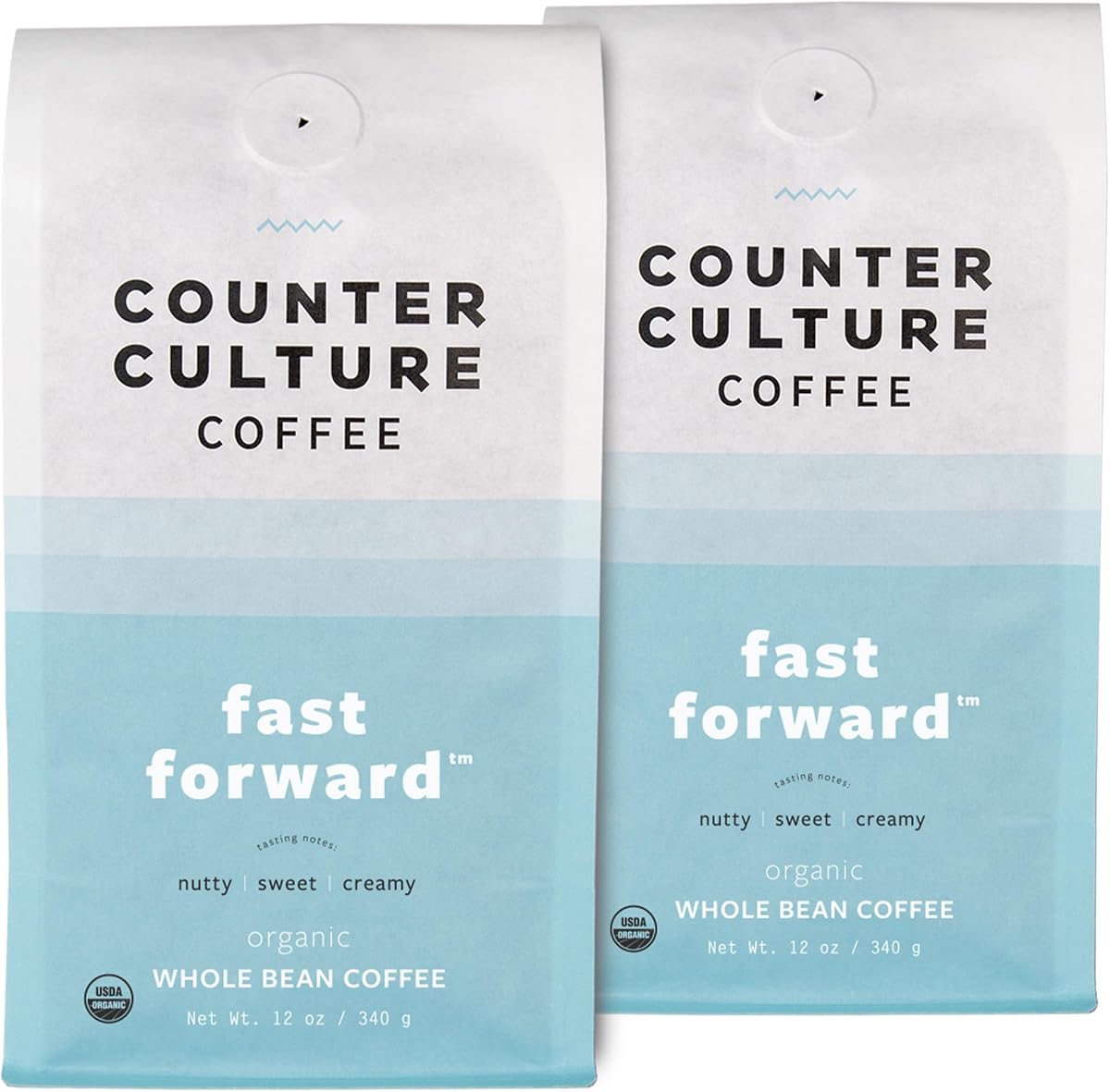
A 100% farmer-owned coffee cooperative that bypasses traditional middlemen to ensure maximum profits return to the growers.

A zero-waste bathroom essential hand-crafted by women's cooperatives, perfect for exfoliating and extending the life of soap.

Handcrafted by women artisans in Ghana, these cold-processed soaps use wild-harvested shea butter. A zero-waste, high-impact gift for a major milestone.

The gold standard in ethical soap, these travel-sized bottles are perfect for wellness pros on the go, featuring 100% PCR packaging and fair-trade ingredients.
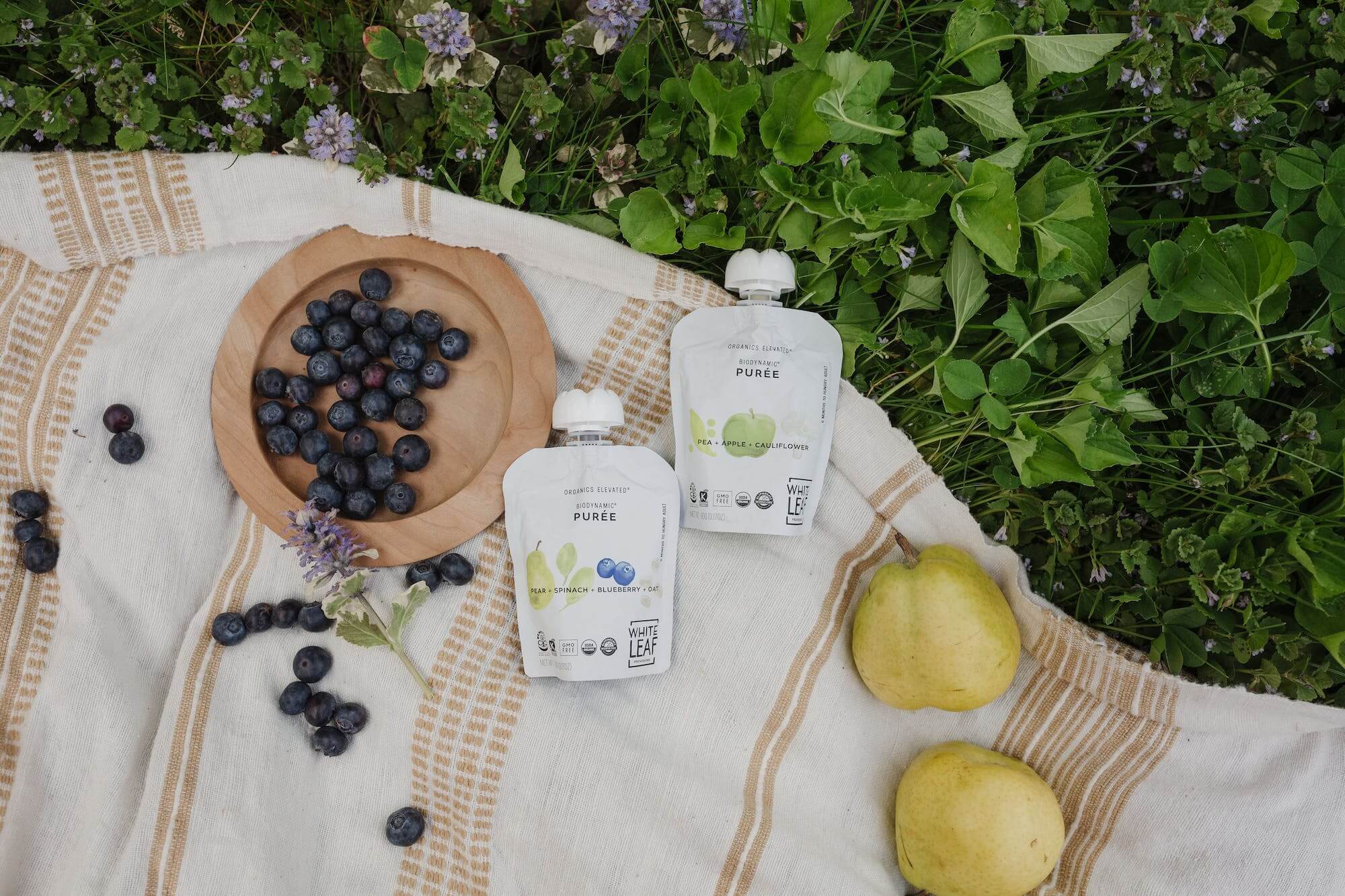
The gold standard in baby food, offering Demeter-certified biodynamic ingredients that exceed organic standards for soil health and purity.

A gold standard in ethical confectionery, combining fair-pay labor practices with regenerative cocoa farming that restores biodiversity in the Ivory Coast and Ghana.

A gold-standard breakfast staple sourced from family-owned farms in Montana using regenerative practices that actively sequester carbon and restore soil health.

Arguably the most ethical coconut oil on the market, sourced from 'Serendipol' in Sri Lanka using regenerative practices that revitalize soil and support a fair-trade community.
A gold standard in ethical confectionery, using regenerative farming to combat climate change while ensuring living wages for cocoa farmers.
What Fruit Pastilles is rated on
Fruit Pastilles is assessed against key ethical criteria: certifications (none on file), animal testing policy (conditional, with possible ingredient-level testing), vegan availability (limited, with gelatin in standard recipes), and parent company record (Nestlé’s history on sustainability and labor rights is a known concern for ethical shoppers). The brand also sells in mainland China, where regulations may differ on ingredient sourcing.
How the alternatives were picked
We identified alternatives that are independently certified by recognized bodies such as Fairtrade, Rainforest Alliance, Vegan Society, or B Corp. Each alternative has clear labeling on gelatin/pectin use, avoids animal testing in its supply chain where possible, and belongs to a company with a stronger overall ethical track record. We prioritized brands that offer fruit-flavored, chewy sweets comparable in taste and texture to Fruit Pastilles.
What to check on the label
When comparing alternatives, look for: 1) Vegan certification (look for the Vegan Society logo or statement ‘suitable for vegans’) to ensure no gelatin or other animal-derived ingredients. 2) Ethical certifications — Fairtrade for sugar or cocoa, Rainforest Alliance for fruit ingredients, or B Corp for overall business practices. 3) Parent company — smaller independent brands often have better traceability and fewer controversies. 4) Packaging — check for recyclable or compostable wrapping to reduce plastic waste. Examples of stronger alternatives include Freedom Sweets (Vegan certified, B Corp) and The Raw Chocolate Company (Fairtrade, organic, vegan).
Frequently asked about Fruit Pastilles alternatives
Are Fruit Pastilles suitable for vegans?+
Most standard Fruit Pastilles contain gelatin, making them unsuitable for vegans. Some limited edition or export varieties may use pectin, but the brand does not carry a vegan certification.
Does Nestlé test on animals?+
Nestlé states it does not test finished products on animals except where required by law, but animal testing may be conducted for certain ingredients or to meet regulatory requirements in markets like mainland China.
What certifications should I look for in an ethical alternative?+
Look for Vegan Society certification, Fairtrade or Rainforest Alliance for ingredient sourcing, and B Corp status for overall ethical business practices. These ensure higher standards than Fruit Pastilles currently meet.
Why is Nestlé’s record a concern for ethically conscious shoppers?+
Nestlé has been criticized for water privatization, plastic pollution, and labor issues in cocoa and palm oil supply chains. While not directly about Fruit Pastilles, these factors influence the brand’s overall ethical rating.