Ethical Alternatives to Gain
Gain is a popular laundry detergent from Procter & Gamble known for strong fragrances and stain removal. However, it lacks third-party ethical certifications, and its parent company has gaps in animal-testing transparency and sustainability commitments. This page helps you find equivalent products that align with higher ethical standards.
Categories compared: Home & Cleaning
Why shoppers look for alternatives to Gain
- No third-party ethical certifications (e.g., Leaping Bunny, USDA Biobased, EPA Safer Choice).
- Procter & Gamble sells in mainland China, where post-market animal testing may apply, despite a stated policy against animal testing unless required by law.
- Lack of public sustainability commitments or verified eco-friendly ingredient sourcing compared to certified alternatives.
- Strong synthetic fragrances may irritate sensitive skin or contribute to indoor air pollution.
Top-scoring alternatives to Gain

The gold standard for multi-purpose ethical cleaning, featuring organic oils and fair trade sourcing in a post-consumer recycled bottle.

The gold standard for multi-purpose ethical cleaning, this concentrated soap is built on fair trade principles and regenerative agriculture.
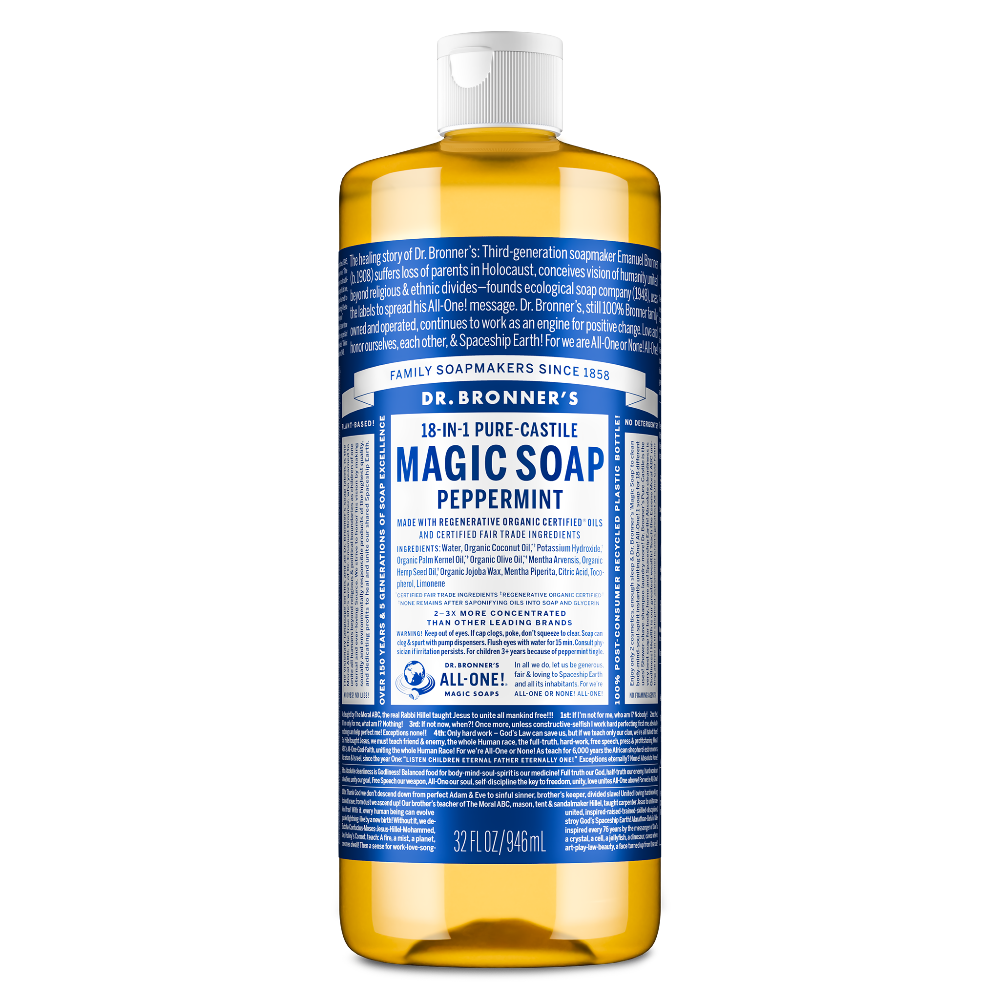
The gold standard of ethical cleaning. Dr. Bronner's Peppermint Castile Soap is a versatile, concentrated liquid soap made with organic oils and fair trade ingredients.
The gold standard for multi-purpose ethical cleaning, this concentrated soap is made with organic oils and fair trade ingredients suitable for 18 different household and personal uses.

The gold standard of ethical cleaning; a multi-use, highly concentrated liquid soap made with organic oils and fair trade ingredients.

Hand-woven vetiver root bundles from West African cooperatives that naturally deodorize and purify air without synthetic aerosols.

A powerful multi-surface cleaner featuring traditional indigenous botanicals, packaged in a refillable glass system to eliminate single-use plastics.

The gold standard for multi-purpose ethical cleaning. A highly concentrated, organic soap that supports regenerative agriculture and fair trade projects globally.

A stunning, artisan-made throw that supports women’s empowerment in India while utilizing 100% plant-based, organic fibers.

The ultimate textile restoration kit from Germany's most respected eco-brand, featuring single-origin olive oil soaps and oxygen-based brighteners.

A comprehensive, high-tech refill system from a French B Corp, eliminating single-use plastics across all home cleaning categories.
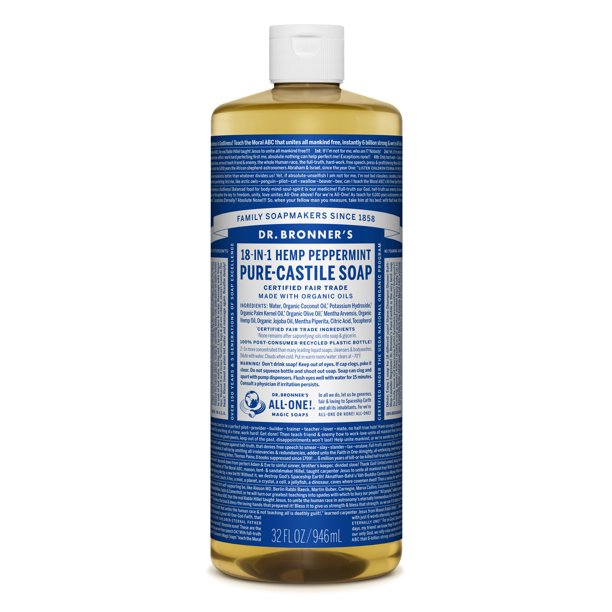
An industry gold standard for ethical home care, this ultra-concentrated soap uses organic oils and fair-trade ingredients for a versatile, biodegradable cleaning solution.
What Gain is rated on
As of our last review, Gain does not hold any third-party certifications for cruelty-free, vegan, organic, or environmentally sustainable production. Procter & Gamble’s animal testing policy states they do not test on animals unless required by law, but their sales in mainland China mean products may be subject to post-market animal testing. The brand also lacks public, detailed ingredient sourcing and recycling commitments that are common among certified leaders in the home-cleaning space.
How the alternatives were picked
We selected alternatives based on verified third-party certifications that address Gain’s biggest gaps: cruelty-free status, transparent ingredient sourcing, and reduced environmental impact. Each recommended alternative holds at least one of the following: Leaping Bunny or PETA cruelty-free certification, USDA Biobased label, EPA Safer Choice, or a closed-loop packaging program. We prioritized products that offer comparable stain-fighting power and fragrance options (including fragrance-free variants) without relying on undisclosed synthetic compounds.
What to check on the label
When swapping away from Gain, look for these markers on the package: a Leaping Bunny or PETA cruelty-free bunny logo to confirm no animal testing; a USDA Certified Biobased label if you prefer plant-derived ingredients; the EPA Safer Choice seal for overall safety and environmental profile. Check the ingredient list for full disclosure—avoid vague terms like ‘fragrance’ unless the brand lists specific components or uses only essential oils. For packaging, look for 100% recycled bottles or concentrated formulas that reduce plastic and shipping weight. Many ethical alternatives also offer hypoallergenic formulas if synthetic fragrances were your main concern with Gain.
Frequently asked about Gain alternatives
Is Gain tested on animals?+
Procter & Gamble states it does not test on animals unless required by law, but it sells Gain in mainland China, where post-market animal testing may apply. The brand holds no cruelty-free certification (e.g., Leaping Bunny or PETA).
Does Gain have any eco-label certifications?+
No. Gain has no publicly listed certifications such as USDA Biobased, EPA Safer Choice, or Green Seal. Its parent company has sustainability goals, but the brand itself lacks product-level eco-certifications.
What are the best alternatives to Gain with similar cleaning power?+
Brands like Seventh Generation (EPA Safer Choice, Leaping Bunny), Mrs. Meyer’s (Leaping Bunny, plant-derived ingredients), and Biokleen (Leaping Bunny, phosphate-free) offer stain-fighting formulas with verified ethical credentials.
Can I find a Gain alternative that is fragrance-free?+
Yes. Many ethical brands offer fragrance-free versions, including Seventh Generation Free & Clear, Biokleen Free & Clear, and Molly’s Suds unscented powder. These avoid synthetic fragrances while still providing effective cleaning.