Ethical Alternatives to Gerber
Gerber is a leading U.S. baby food brand known for USDA Organic options and rigorous safety testing. However, as a subsidiary of Nestlé, it faces ethical criticism over parent-company controversies and the absence of a public animal-testing policy. This page outlines verified alternatives for shoppers prioritizing transparency and independent ethics.
Categories compared: Baby & Kids, Food & Nutrition
Why shoppers look for alternatives to Gerber
- Parent company Nestlé has faced widespread criticism over water privatization, infant formula marketing practices, and lack of supply-chain transparency, which can influence brand reputation.
- Gerber has no publicly available animal-testing policy for its food products, leaving consumers unsure about testing practices in its broader corporate structure.
- Limited transparency on sourcing and ingredient traceability compared to smaller, independently certified brands with open supplier lists.
- Gerber sells products in mainland China, which raises concerns for some buyers about adherence to varying international regulatory standards.
- While Gerber holds USDA Organic, Non-GMO Project Verified (select products), and Clean Label Project Purity Awards, these certifications are not consistent across the full product line.
Top-scoring alternatives to Gerber

A gold-standard example of regenerative agriculture, these oats go beyond organic by actively restoring soil health and ensuring fair wages for farmers in a vertically integrated supply chain.

The gold standard for ethical food production, this coconut oil uses regenerative organic practices and fair trade labor to set a benchmark for corporate responsibility.
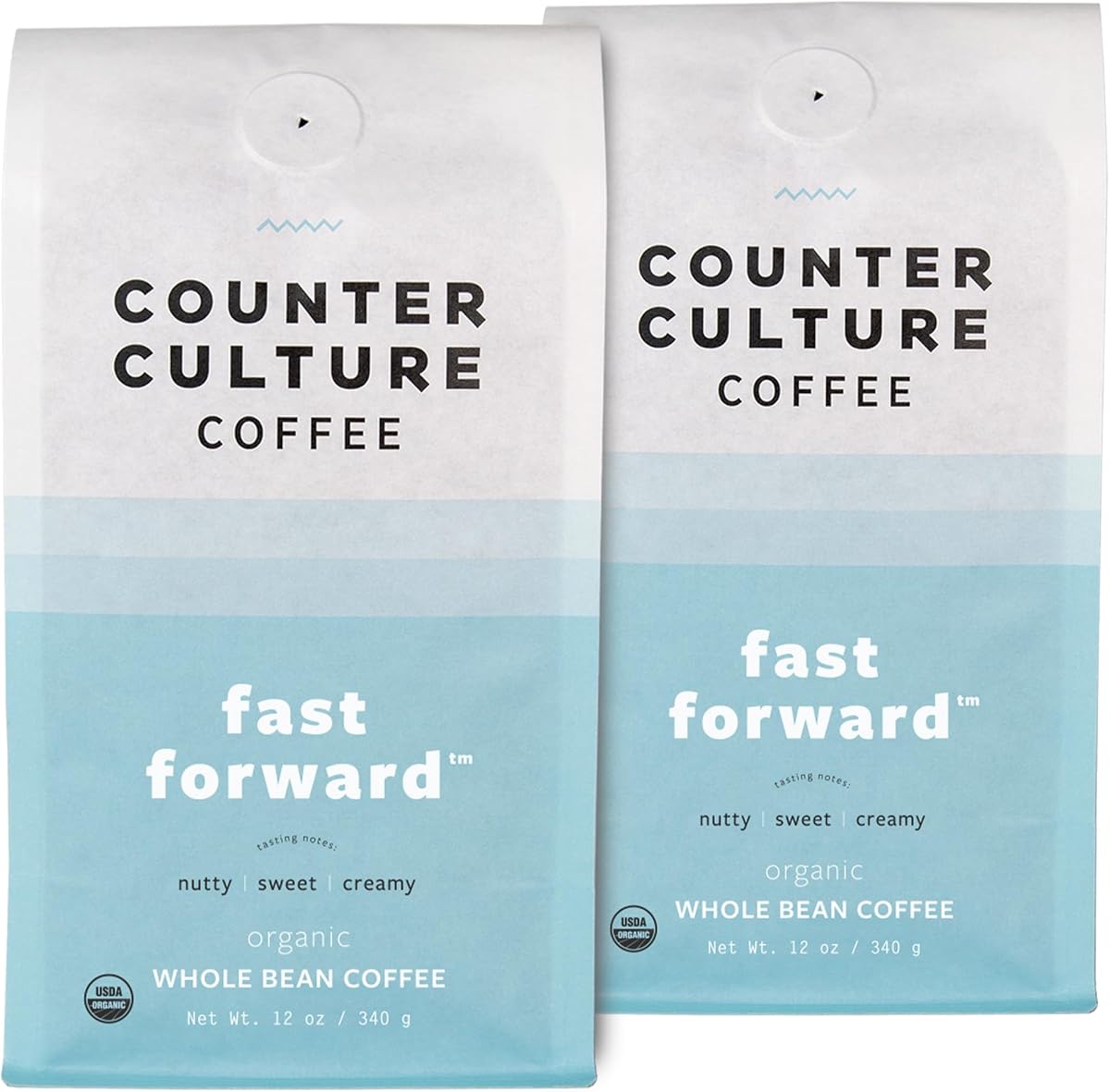
A 100% farmer-owned coffee cooperative that bypasses traditional middlemen to ensure maximum profits return to the growers.

An award-winning sensory play gym handcrafted in Malawi, pairing traditional wicker weaving with modern, 100% biodegradable corn-starch (PLA) hanging charms.
A gold-standard organic crib mattress that eliminates PFAS, flame retardants, and polyurethane foam, utilizing food-grade waterproofing.
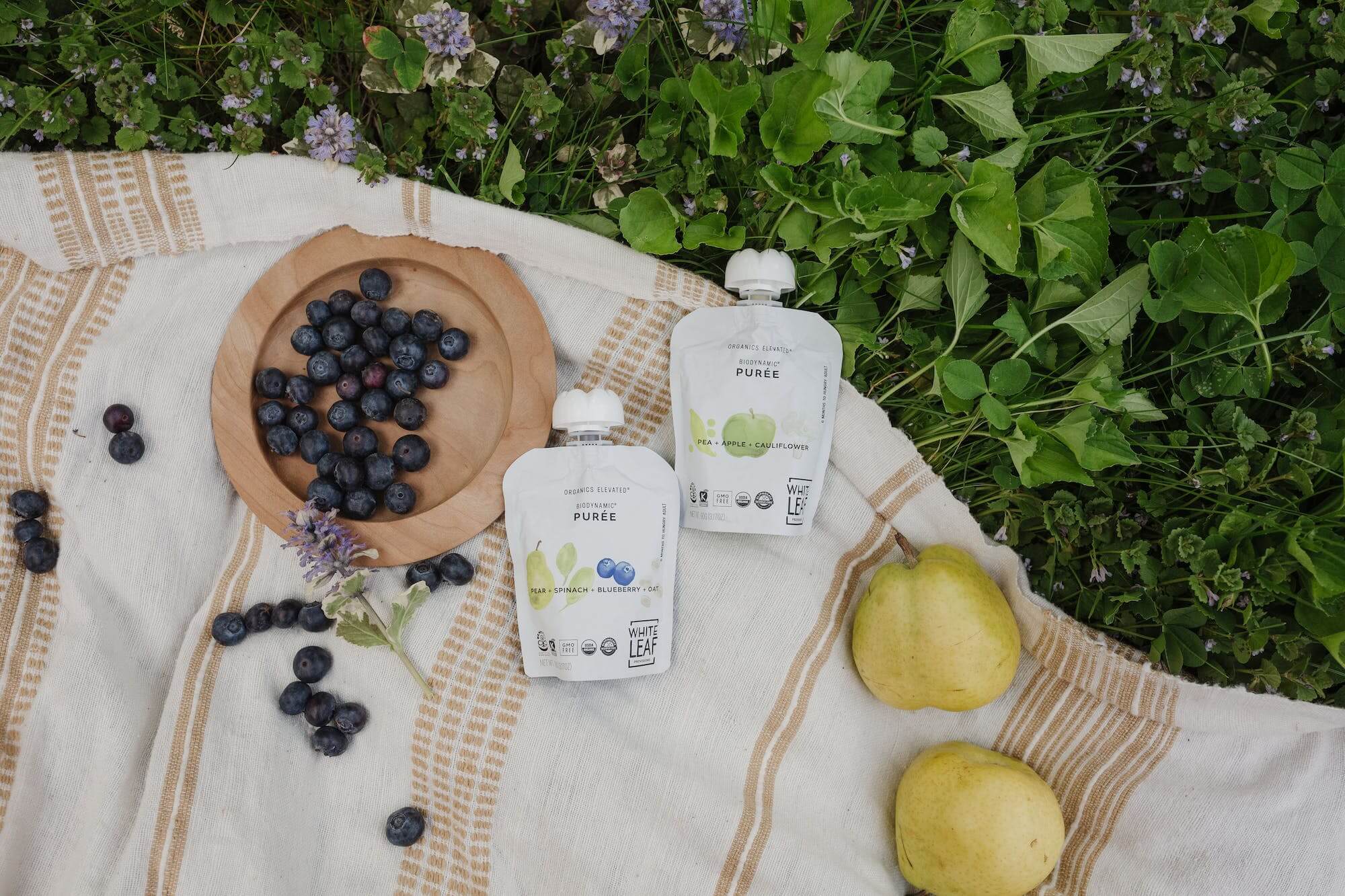
The gold standard in baby food, offering Demeter-certified biodynamic ingredients that exceed organic standards for soil health and purity.

A gold standard in ethical confectionery, combining fair-pay labor practices with regenerative cocoa farming that restores biodiversity in the Ivory Coast and Ghana.

A gold-standard breakfast staple sourced from family-owned farms in Montana using regenerative practices that actively sequester carbon and restore soil health.

The first and only baby brand to be Gold Seal Fair Trade certified, Under the Nile offers exceptionally soft Egyptian cotton towels made in a sustainable community in Egypt.

Arguably the most ethical coconut oil on the market, sourced from 'Serendipol' in Sri Lanka using regenerative practices that revitalize soil and support a fair-trade community.
A gold standard in ethical confectionery, using regenerative farming to combat climate change while ensuring living wages for cocoa farmers.

A sustainable, carbon-neutral dollhouse made from reclaimed rubberwood and non-toxic PlanWood.
What Gerber is rated on
Gerber is rated on several third-party certifications. Products bearing the USDA Organic seal meet national organic standards. Select items carry Non-GMO Project Verified verification, and a limited number have earned the Clean Label Project Purity Award for heavy metal and pesticide screening. However, the brand lacks a public animal-testing policy for its food operations, and its parent company Nestlé has conducted animal testing in other product categories. This gap in transparency is a key concern for ethics-focused shoppers. Additionally, Gerber is owned by Nestlé, a multinational corporation with a history of controversies, including allegations of unethical marketing of breast-milk substitutes and water-use disputes.
How the alternatives were picked
To compile this list, we prioritized independent, mission-driven brands with clear public animal-testing policies, full supply-chain transparency, and certifications covering at least organic or Non-GMO standards across their product lines. Each alternative is not owned by Nestlé or any major conglomerate with unresolved ethical issues. Brands like Once Upon a Farm (co-founded by actress Jennifer Garner), Happy Family Organics (owned by Danone, but with a detailed animal-testing policy and public sourcing reports), and Yumi (direct-to-consumer, certified organic, and Leaping Bunny approved) were evaluated based on third-party certification data, published policies, and independent audits. We also excluded brands that test on animals or lack a public stance on testing, as well as those with vague parent-company ownership.
What to check on the label
When assessing baby food labels for ethics, look for: (1) USDA Organic – indicates no synthetic pesticides or GMOs; (2) Non-GMO Project Verified – third-party verification of no genetically engineered ingredients; (3) Consumer Purity Awards like Clean Label Project – checks for heavy metals and contaminants; (4) Leaping Bunny or Cruelty-Free International logos – confirms no animal testing at any stage; (5) Parent company – research if the owner has controversies or opaque practices. Avoid brands that only list a vague “no animal testing” claim without third-party verification. Also, check for B Corp certification, which signals accountability for social and environmental performance.
How to judge a suggested brand alternative
An alternatives page is a starting shortlist, not proof that one brand is universally better than another. The suggestions come from our catalogue: published products in a similar category with a recorded ethics score. They answer a narrow question — which products we list might fit the same need — and they cannot tell you which option performs best, suits your skin or diet, or matches your budget.
Match the job before the score
Start with what the original product does for you: format, size, scent, skin or dietary requirements and where you buy it. A higher-scoring alternative is not useful if it comes in a format you cannot use or is not sold where you shop. Check the alternative's full record — purpose, ingredients, price and seller — before treating it as a replacement.
Compare evidence, not impressions
Read certifications at their stated scope: a scheme may cover one range, one material or a named entity rather than a whole brand. An animal-free ingredient list and an animal-testing policy are separate questions, and a parent company's record is a third. Where a claim matters to you, confirm it in the scheme's own directory or the manufacturer's current statement rather than relying on a badge alone.
Keep the limits of the comparison visible
Catalogue scores are AI-assisted assessments with documented limitations, not laboratory measurements. A missing score is a data gap, not a failing grade. The original brand's presence here reflects what our records contain, which may omit reformulations, regional differences or newer certifications. For health, safety or recall concerns, use official sources rather than any score.
| Check | Where to confirm it | Avoid assuming |
|---|---|---|
| Does the alternative do the same job? | Its full product record and the maker's current description | A similar category means a like-for-like replacement |
| Is a claimed certification current? | The certification scheme's official directory | A badge covers the whole brand or group |
| Is it actually available to you? | The retailer's current listing, price and delivery | A catalogue price tier is a live quote |
Frequently asked about Gerber alternatives
Does Gerber test on animals?+
Gerber has no public animal-testing policy for its food products. Its parent company Nestlé has conducted animal testing for other categories (e.g., pet food, cosmetic ingredients), but no evidence links animal testing to Gerber's baby food line. Transparency remains a gap.
Is Gerber organic really ethical?+
Gerber’s USDA Organic products meet federal organic standards, but ethical concerns persist due to Nestlé’s corporate track record, including water privatization and infant formula marketing controversies. Organic certification alone does not address broader ethical issues.
What certifications should I look for beyond organic?+
Look for Leaping Bunny (no animal testing), Clean Label Project Purity Award (heavy metal and pesticide screening), Non-GMO Project Verified, and B Corp certification. These provide third-party vetting beyond USDA Organic.
Are there any Nestlé-free baby food brands?+
Yes. Once Upon a Farm, Yumi, and Serenity Kids are independently owned, Nestlé-free, and offer organic options with clear animal-testing policies. Check brand ownership on parent-company websites before purchase.