Ethical Alternatives to Gillette Series
Gillette Series is a line of men’s grooming products owned by Procter & Gamble. While the brand itself is not sold in China, its parent company conducts animal testing where required by law — notably for sale in China — and none of its products carry cruelty-free or vegan certifications. This limits its appeal for shoppers prioritizing animal welfare and ethical sourcing.
Categories compared: Beauty & Personal Care, Health & Wellness
Why shoppers look for alternatives to Gillette Series
- Parent company P&G tests on animals where law requires it, including for Chinese market compliance, making Gillette Series unsuitable for dedicated cruelty-free consumers.
- Gillette Series holds no cruelty-free certifications (e.g., Leaping Bunny, PETA Beauty Without Bunnies), unlike many competitors that offer third-party verification.
- The brand lacks vegan certification, which is a red flag for shoppers avoiding animal-derived ingredients or testing.
- P&G’s animal testing policy is not fully transparent — they comply with mandatory regulations but do not guarantee a blanket ban, creating ethical uncertainty.
Top-scoring alternatives to Gillette Series

A fluoride-free, 70% organic toothpaste that leads the industry in fair trade sourcing and activist corporate governance.

The ultimate multi-tasker for minimalist hosts; one bottle can wash hands, body, hair, and even dishes.
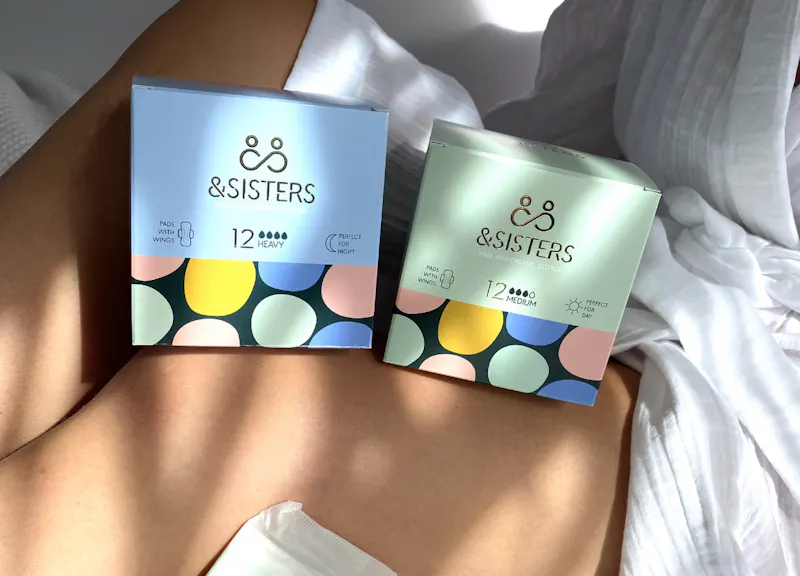
A UK-based, women-owned B Corp offering the highest ethical standard in menstrual care. This bulk 'Sisterhood' bundle features GOTS organic cotton tampons and pads with RSPO-segregated inputs, ensuring zero deforestation.
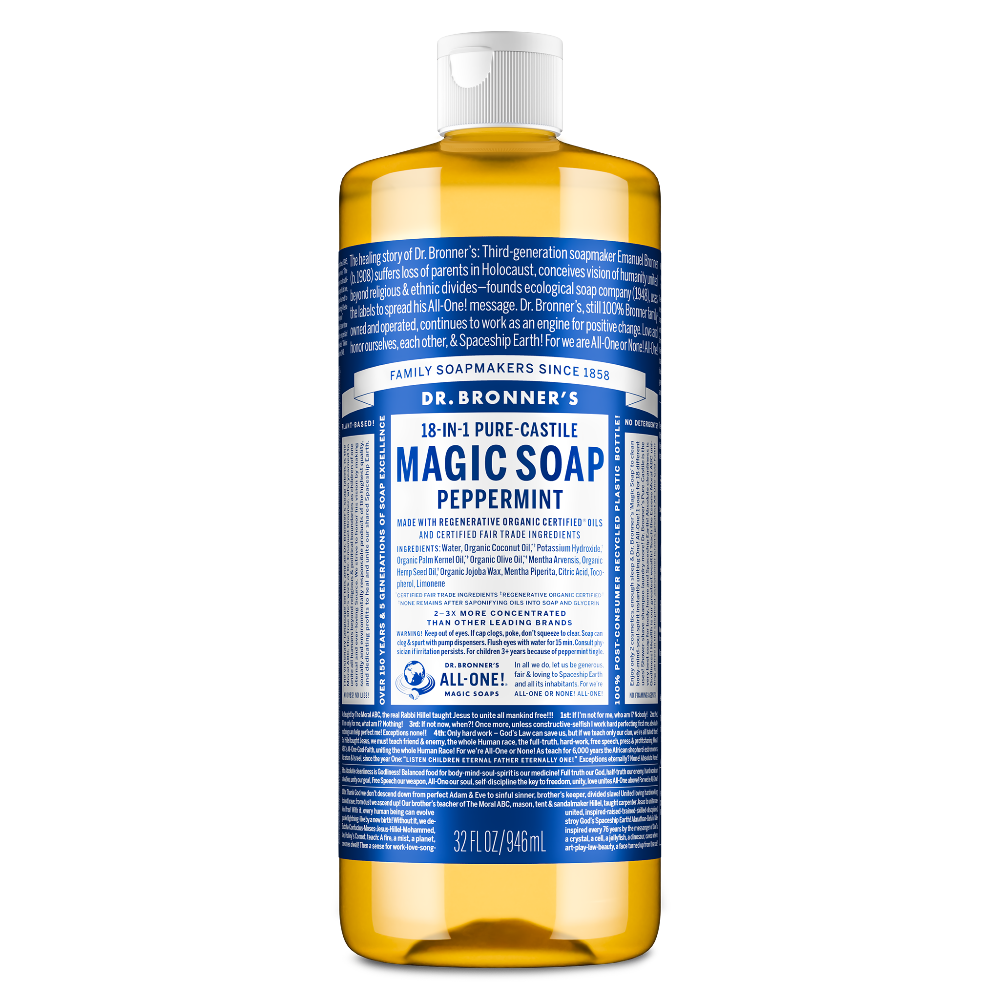
The gold standard of ethical cleaning. A highly concentrated, multi-surface liquid soap made from organic oils and fair trade ingredients in 100% PCR packaging.

The gold standard of ethical soaps, featuring regenerative organic palm oil and a legacy of fair-trade advocacy and radical transparency.

A hand-crafted, raw wellness balm produced by women’s cooperatives in Ghana, ideal for gluten-free skin nutrition and head-to-toe hydration.
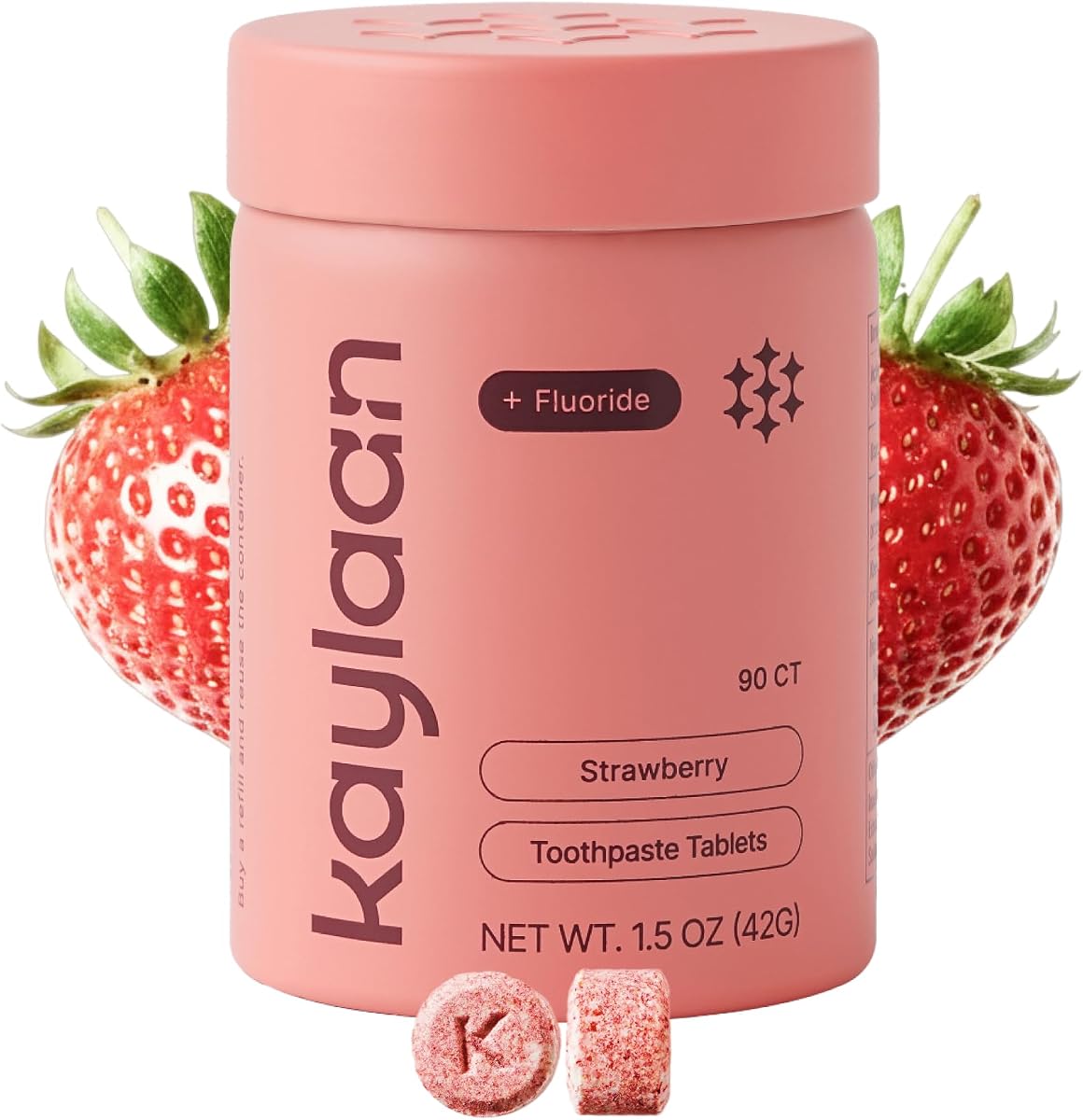
A zero-waste oral care system consisting of fluoride-free tablets in a refillable glass jar, featuring ingredients sourced from ethical Eastern European partners.

A high-potency, carbon-extracted rosehip oil designed specifically for sensitive skin, backed by rigorous B Corp standards and organic agricultural sourcing.
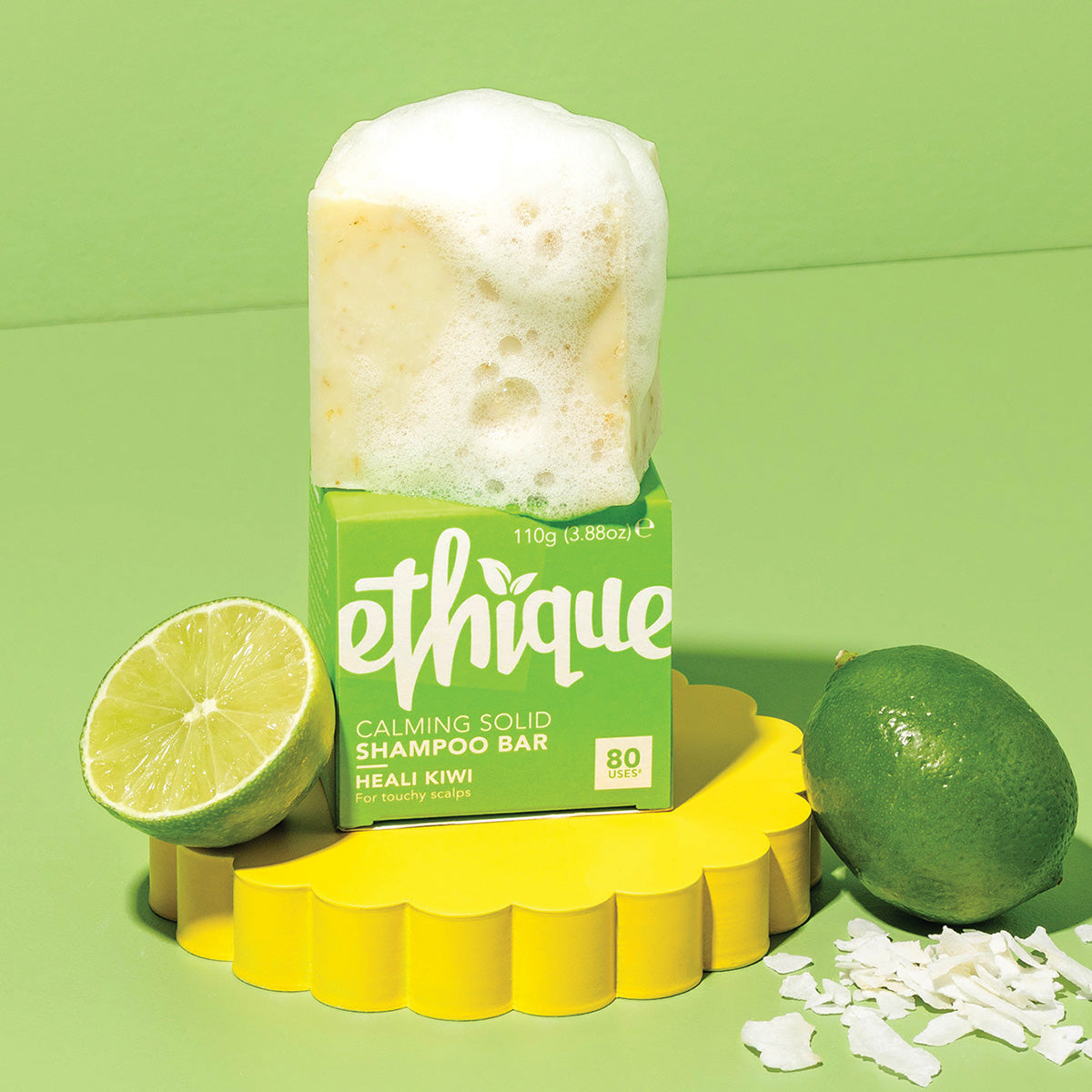
A plastic-free, highly concentrated shampoo bar that replaces three plastic bottles, featuring fair-trade ingredients and carbon-neutral shipping.

A moisturizing, sulfate-free bubble bath featuring handcrafted fair-trade shea butter and calming lavender oil.
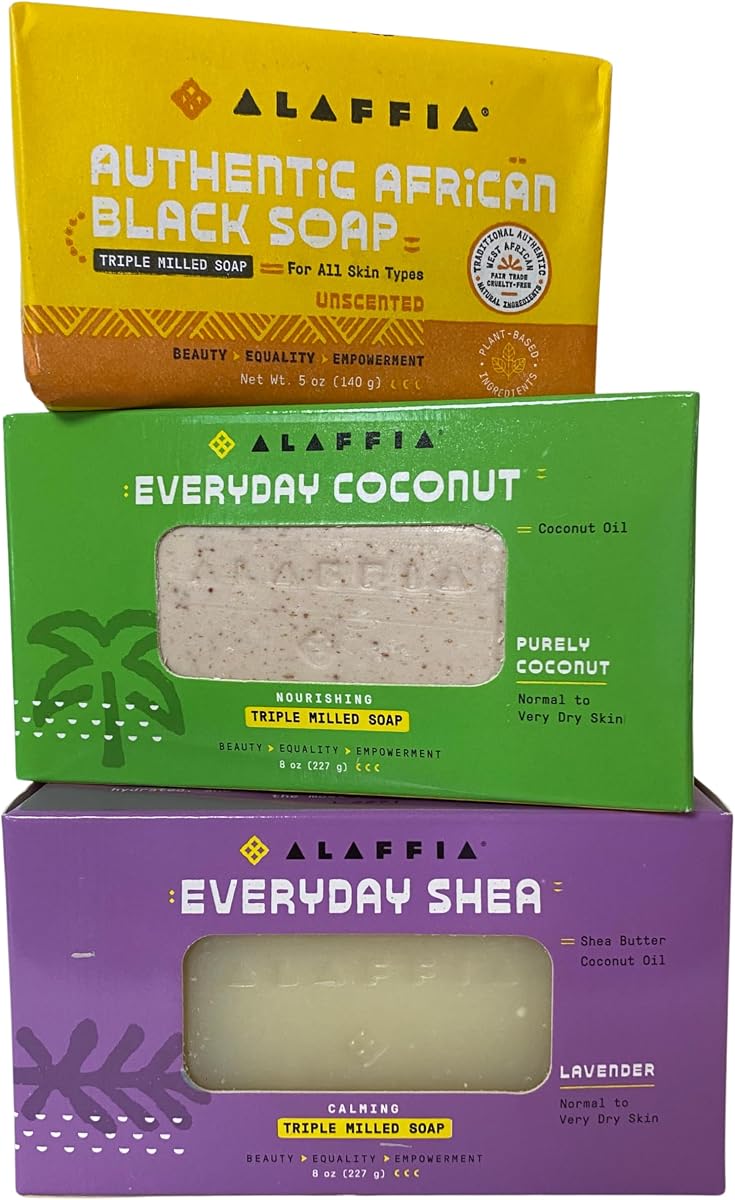
A culturally authentic, multipurpose soap that funds community empowerment projects in Togo through a direct-trade model.

A revolutionary carbon-neutral alternative to single-use cotton pads, designed to be used up to 1,750 times and fully compostable at the end of its life.
What Gillette Series is rated on
On our independent comparison site, Gillette Series is assessed against key ethical criteria. As of current records, it has no third-party certifications: no Leaping Bunny, no PETA Beauty Without Bunnies, no vegan, and no organic seals. Its parent company, Procter & Gamble, states it does not test on animals unless required by law. However, it actively complies with Chinese mandatory animal testing regulations, which means some products in the line may be subject to animal testing if sold through channels that require it. This policy affects all P&G brands, including Gillette Series, and limits its eligibility for cruelty-free status.
How the alternatives were picked
We curated the following alternatives by focusing on brands that hold recognized cruelty-free certifications (Leaping Bunny or PETA-approved) and/or vegan certifications. Each alternative has a clear, written policy against animal testing — no exceptions for market access. We also looked for transparency in ingredient sourcing, recyclable packaging, and where possible, carbon-neutral or B Corp certifications. All brands listed are available globally or in major markets without compromising on ethics.
What to check on the label
When swapping from Gillette Series, check for these on the product or brand website: a cruelty-free logo (Leaping Bunny or PETA) and a stated “no animal testing” policy covering all markets. If the brand sells in China via a retailer, ensure it uses a “CITES-approved” or “no-test” pathway (some brands bypass Chinese testing by selling only online or via cross-border channels). Vegan certifications (e.g., Vegan Society, PETA Vegan) are a plus. Also look for recyclable or refillable packaging — many ethical brands now use aluminum, glass, or post-consumer recycled plastics. Avoid vague terms like “not tested on animals” without third-party backing.
How to judge a suggested brand alternative
An alternatives page is a starting shortlist, not proof that one brand is universally better than another. The suggestions come from our catalogue: published products in a similar category with a recorded ethics score. They answer a narrow question — which products we list might fit the same need — and they cannot tell you which option performs best, suits your skin or diet, or matches your budget.
Match the job before the score
Start with what the original product does for you: format, size, scent, skin or dietary requirements and where you buy it. A higher-scoring alternative is not useful if it comes in a format you cannot use or is not sold where you shop. Check the alternative's full record — purpose, ingredients, price and seller — before treating it as a replacement.
Compare evidence, not impressions
Read certifications at their stated scope: a scheme may cover one range, one material or a named entity rather than a whole brand. An animal-free ingredient list and an animal-testing policy are separate questions, and a parent company's record is a third. Where a claim matters to you, confirm it in the scheme's own directory or the manufacturer's current statement rather than relying on a badge alone.
Keep the limits of the comparison visible
Catalogue scores are AI-assisted assessments with documented limitations, not laboratory measurements. A missing score is a data gap, not a failing grade. The original brand's presence here reflects what our records contain, which may omit reformulations, regional differences or newer certifications. For health, safety or recall concerns, use official sources rather than any score.
| Check | Where to confirm it | Avoid assuming |
|---|---|---|
| Does the alternative do the same job? | Its full product record and the maker's current description | A similar category means a like-for-like replacement |
| Is a claimed certification current? | The certification scheme's official directory | A badge covers the whole brand or group |
| Is it actually available to you? | The retailer's current listing, price and delivery | A catalogue price tier is a live quote |
Frequently asked about Gillette Series alternatives
Does Gillette Series itself test on animals?+
Gillette Series as a brand is not sold in China, but its parent company Procter & Gamble does test on animals where required by law — for example, to comply with Chinese regulations for other P&G products. Since Gillette Series is part of P&G, it is not considered cruelty-free by independent certifiers.
Are there any ethical certifications for Gillette Series?+
No. As of current records, Gillette Series holds no cruelty-free, vegan, organic, or fair-trade certifications. It is not listed with Leaping Bunny, PETA Beauty Without Bunnies, or the Vegan Society.
What are the best cruelty-free alternatives to Gillette Series shaving products?+
Brands like Bulldog Skincare, Harry's (for razors), and Every Man Jack offer Leaping Bunny-certified or PETA-approved men's grooming lines. These brands have explicit policies against animal testing and do not sell in Chinese stores that require testing.
Is P&G's animal testing policy legally compliant everywhere?+
P&G states it only tests on animals when required by law — notably in China and certain other markets. However, this means their policy is not a blanket ethical ban, and certification bodies like Leaping Bunny do not accept such conditional exemptions.