Ethical Alternatives to golde
golde is a Brooklyn-based, Black women-owned wellness brand known for USDA Organic, vegan, and cruelty-free superfood supplements and skincare. While golde scores highly on ethics, some shoppers seek alternatives due to price, ingredient preferences, or packaging sustainability. This guide compares brands that match golde's core ethical commitments.
Categories compared: Beauty & Personal Care, Food & Nutrition, Health & Wellness
Why shoppers look for alternatives to golde
- golde’s products are premium-priced; alternatives may offer comparable organic certifications at lower cost per serving.
- golde uses plastic pouches and jars (even if recyclable); some shoppers prefer zero-waste or glass packaging alternatives.
- golde’s ingredient list is clean but limited in variety; alternatives may offer more diverse adaptogens or superfood blends.
- golde is not certified B Corp or plastic-neutral; some shoppers seek brands with additional third-party certifications.
Top-scoring alternatives to golde
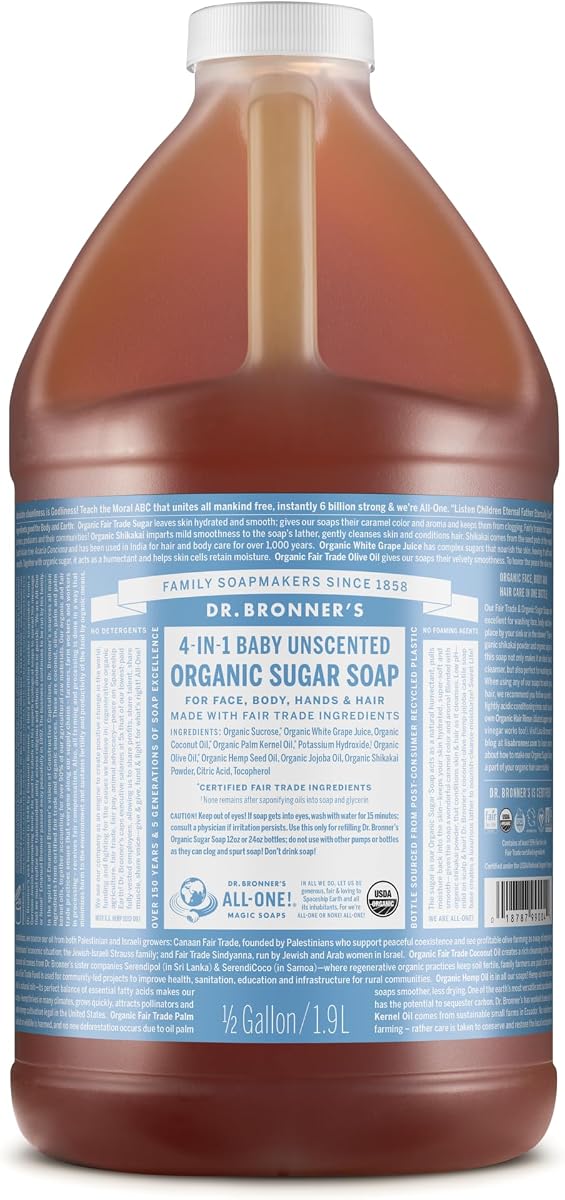
A multi-use, fair-trade organic soap that is gentle enough for pets yet effective at removing grime and odors.

The gold standard for ethical personal and pet care. Dr. Bronner’s Peppermint Pure-Castile Soap is biodegradable, fair trade, and highly concentrated for multi-purpose use.

The gold standard for ethical food production, this coconut oil uses regenerative organic practices and fair trade labor to set a benchmark for corporate responsibility.

A fluoride-free, 70% organic toothpaste that leads the industry in fair trade sourcing and activist corporate governance.

A legendary multi-use soap that is widely recommended by groomers for pets due to its organic, fair-trade ingredients and complete lack of synthetic detergents.

The ultimate multi-tasker for minimalist hosts; one bottle can wash hands, body, hair, and even dishes.
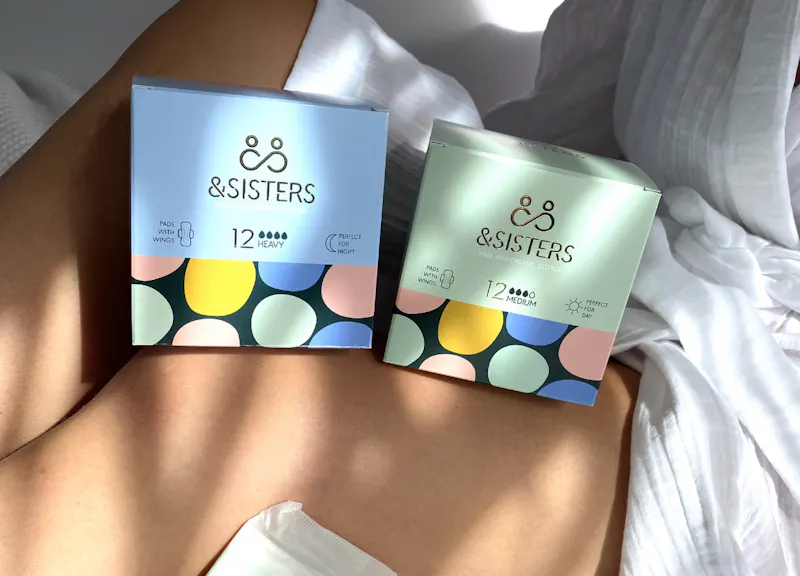
A UK-based, women-owned B Corp offering the highest ethical standard in menstrual care. This bulk 'Sisterhood' bundle features GOTS organic cotton tampons and pads with RSPO-segregated inputs, ensuring zero deforestation.

The gold standard of ethical soaps, featuring regenerative organic palm oil and a legacy of fair-trade advocacy and radical transparency.
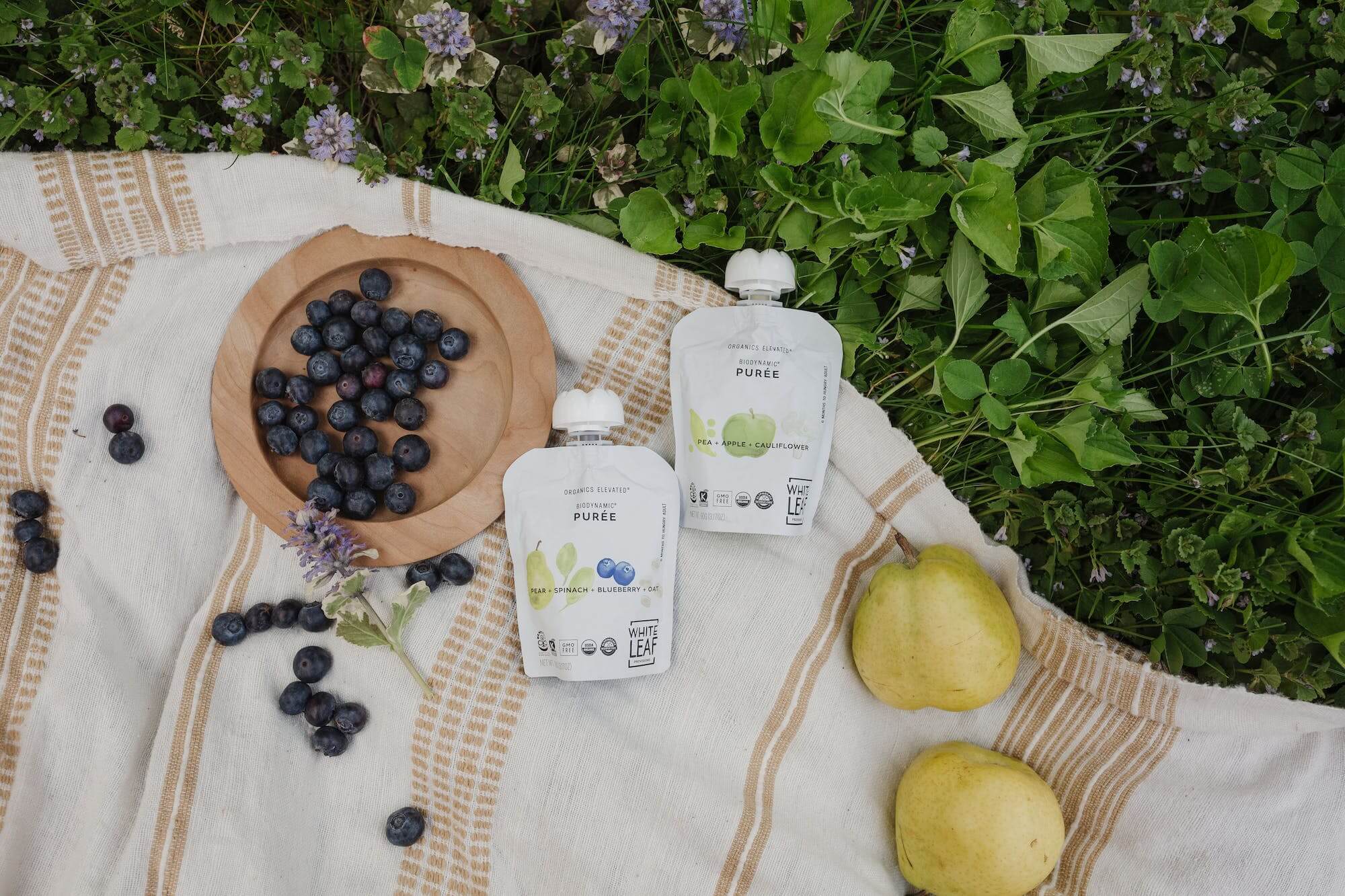
The gold standard in baby food, offering Demeter-certified biodynamic ingredients that exceed organic standards for soil health and purity.

A gold standard in ethical confectionery, combining fair-pay labor practices with regenerative cocoa farming that restores biodiversity in the Ivory Coast and Ghana.
A gold standard in ethical confectionery, using regenerative farming to combat climate change while ensuring living wages for cocoa farmers.

A hand-crafted, raw wellness balm produced by women’s cooperatives in Ghana, ideal for gluten-free skin nutrition and head-to-toe hydration.
What golde is rated on
On our site, golde is evaluated across five ethical pillars: ingredient sourcing, certifications, transparency, animal welfare, and social impact. Its strengths include full USDA Organic certification, Vegan and Cruelty-Free labels, Women Owned status, and 1% for the Planet membership. However, golde does not carry B Corp, Plastic Neutral, or Fair Trade certifications, and its packaging is predominantly plastic—a consideration for zero-waste shoppers.
How the alternatives were picked
All alternatives listed here are independently owned (not subsidiaries of large conglomerates), hold at least three of the same core certifications as golde (USDA Organic, Vegan, Cruelty-Free, Women Owned, Non-GMO), and operate in the superfood supplement or skincare space. Brands were excluded if they test on animals, use artificial additives, or lack public ingredient transparency. Each alternative was verified against current certification databases and public company statements.
What to check on the label
When comparing alternatives to golde, look for: Certifications (USDA Organic seal, Non-GMO Project Verified, Leaping Bunny or PETA Cruelty-Free); ingredient list (avoid fillers like maltodextrin, silica, or natural flavors unless organic); packaging (prefer glass or compostable materials; check if pouches are #4 or #2 plastic and recyclable locally); social claims (Women Owned, Black-owned, B Corp, or 1% for the Planet membership should be verifiable via third-party registries). Also verify that the brand discloses where ingredients are sourced and whether they are single-origin or blended.
How to judge a suggested brand alternative
An alternatives page is a starting shortlist, not proof that one brand is universally better than another. The suggestions come from our catalogue: published products in a similar category with a recorded ethics score. They answer a narrow question — which products we list might fit the same need — and they cannot tell you which option performs best, suits your skin or diet, or matches your budget.

Match the job before the score
Start with what the original product does for you: format, size, scent, skin or dietary requirements and where you buy it. A higher-scoring alternative is not useful if it comes in a format you cannot use or is not sold where you shop. Check the alternative's full record — purpose, ingredients, price and seller — before treating it as a replacement.
Compare evidence, not impressions
Read certifications at their stated scope: a scheme may cover one range, one material or a named entity rather than a whole brand. An animal-free ingredient list and an animal-testing policy are separate questions, and a parent company's record is a third. Where a claim matters to you, confirm it in the scheme's own directory or the manufacturer's current statement rather than relying on a badge alone.
Keep the limits of the comparison visible
Catalogue scores are AI-assisted assessments with documented limitations, not laboratory measurements. A missing score is a data gap, not a failing grade. The original brand's presence here reflects what our records contain, which may omit reformulations, regional differences or newer certifications. For health, safety or recall concerns, use official sources rather than any score.
| Check | Where to confirm it | Avoid assuming |
|---|---|---|
| Does the alternative do the same job? | Its full product record and the maker's current description | A similar category means a like-for-like replacement |
| Is a claimed certification current? | The certification scheme's official directory | A badge covers the whole brand or group |
| Is it actually available to you? | The retailer's current listing, price and delivery | A catalogue price tier is a live quote |
Frequently asked about golde alternatives
Do any alternatives to golde have lower price points?+
Yes. Brands like Sun Potion and Moon Juice offer similar organic superfood powders but often at lower per-ounce costs when buying bulk. Ceremonia and Loli Beauty also offer skincare with comparable certifications at mid-range price points.
Which alternatives to golde use plastic-free packaging?+
Brands such as Kora Organics (glass jars), Lush Labs (naked products), and Supernatural (compostable pouches) avoid plastic entirely. However, verify each product's packaging—some lines use mixed materials.
Are golde’s competitors more transparent about supply chains?+
Some, like Numi Organic Tea or Traditional Medicinals, publish direct-trade origin maps and farmer relationships. For skincare, Pai Skincare provides full ingredient traceability. golde discloses organic sourcing but does not provide batch-level origin details.
Do any alternatives hold B Corp certification?+
Yes. Notable alternatives include Erewhon (supplements), Pukka Herbs (teas and supplements), and Aveda (skincare). All three maintain organic and cruelty-free certifications alongside B Corp status.