Ethical Alternatives to greenshield organic
Greenshield Organic is a high-ethics brand offering USDA Organic, EWG Verified, and Cruelty-Free cleaning products, including their Biodegradable Glass Cleaner, with no recorded controversies. While their certifications are strong, shoppers may seek alternatives for reasons including price, packaging, or ingredient sourcing. This guide highlights other ethical options in the same categories.
Categories compared: Home & Cleaning, Garden & Outdoors, Baby & Kids
Why shoppers look for alternatives to greenshield organic
- Greenshield Organic products are priced at a premium; alternatives may offer comparable certifications at a lower cost.
- Some shoppers prefer brands with zero-waste or plastic-free packaging, which Greenshield does not fully guarantee across all lines.
- Independent buyers may want more transparent ingredient sourcing or certifications like Leaping Bunny or Cradle to Cradle beyond what Greenshield displays.
Top-scoring alternatives to greenshield organic

The gold standard for multi-purpose ethical cleaning, featuring organic oils and fair trade sourcing in a post-consumer recycled bottle.

The gold standard of ethical cleaning; a multi-use, highly concentrated liquid soap made with organic oils and fair trade ingredients.

A revolutionary compostable alternative to styrofoam coolers, made from hemp hurdles and mushroom mycelium. Perfect for sustainable camping and outdoor events.

The first and only baby brand to be Gold Seal Fair Trade certified, Under the Nile offers exceptionally soft Egyptian cotton towels made in a sustainable community in Egypt.

A sustainable, carbon-neutral dollhouse made from reclaimed rubberwood and non-toxic PlanWood.

A 100% natural rubber pacifier that is completely plant-based, plastic-free, and compostable, meeting the highest circularity standards.
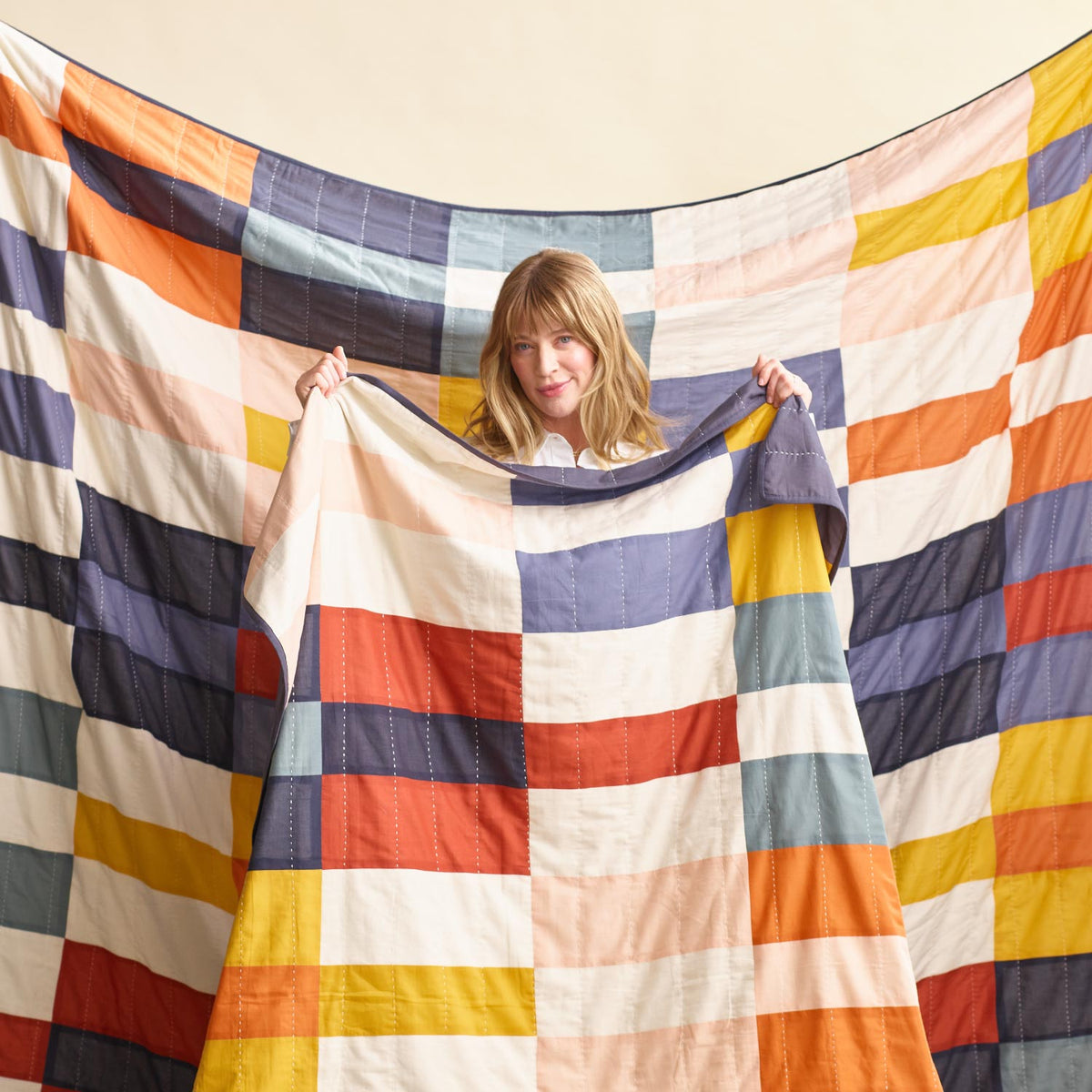
A stunning, artisan-made throw that supports women’s empowerment in India while utilizing 100% plant-based, organic fibers.

A luxurious, carbon-neutral flax linen throw that serves as a durable camping blanket or a high-end picnic base for outdoor wedding celebrations.

A 100% organic and handcrafted fertilizer enriched with soil microbes and mycorrhizae, formulated without synthetic chemicals or 'factory farm' byproducts.

The ultimate paper-towel alternative, these OEKO-TEX certified cloths use just water to clean, removing 99% of bacteria and leaving a streak-free finish on all glass surfaces.

A 100% organic and sustainable activity center that pair FSC-certified birch wood with hand-knit GOTS cotton toys, ensuring a plastic-free and heirloom-quality developmental tool.

A peat-free, carbon-negative potting soil formulated with biochar and plant-based nutrients to support soil health without destroying wetlands.
What greenshield organic is rated on
Greenshield Organic holds three key certifications: USDA Organic (ensuring no synthetic pesticides or fertilizers in plant-based ingredients), EWG Verified (meaning products meet strict health standards with full ingredient transparency), and Cruelty-Free (no animal testing anywhere in the supply chain, and no sales in markets where testing is required by law). Their Biodegradable Glass Cleaner is a standout product, but across their line, they compete primarily in Home & Cleaning, with some overlap into Garden & Outdoors (e.g., plant-safe surface cleaners) and Baby & Kids (gentle, non-toxic formulas for nurseries).
How the alternatives were picked
We selected alternatives based on overlapping categories—Home & Cleaning, Garden & Outdoors, and Baby & Kids—where each product holds at least one of the same certifications (USDA Organic, EWG Verified, or Cruelty-Free) and has no recorded controversies. We prioritized brands with additional third-party verifications (e.g., Leaping Bunny, Cradle to Cradle) to broaden ethical coverage. Each alternative was vetted for public certification records as of 2025, ensuring no trade-offs in core ethical standards.
What to check on the label
When comparing alternatives, look for these markers: USDA Organic seal on the front (not just “made with organic ingredients”); EWG Verified (requires full ingredient disclosure and no concerning chemicals); and a cruelty-free logo from Leaping Bunny or PETA that explicitly states no animal testing and no sales in China (where testing is mandatory). For baby and garden lines, also check for biodegradable or plant-based claims backed by a certification like USDA BioPreferred. Avoid vague terms like “natural” without third-party proof—stick to verifiable seals.
How to judge a suggested brand alternative
An alternatives page is a starting shortlist, not proof that one brand is universally better than another. The suggestions come from our catalogue: published products in a similar category with a recorded ethics score. They answer a narrow question — which products we list might fit the same need — and they cannot tell you which option performs best, suits your skin or diet, or matches your budget.
Match the job before the score
Start with what the original product does for you: format, size, scent, skin or dietary requirements and where you buy it. A higher-scoring alternative is not useful if it comes in a format you cannot use or is not sold where you shop. Check the alternative's full record — purpose, ingredients, price and seller — before treating it as a replacement.
Compare evidence, not impressions
Read certifications at their stated scope: a scheme may cover one range, one material or a named entity rather than a whole brand. An animal-free ingredient list and an animal-testing policy are separate questions, and a parent company's record is a third. Where a claim matters to you, confirm it in the scheme's own directory or the manufacturer's current statement rather than relying on a badge alone.
Keep the limits of the comparison visible
Catalogue scores are AI-assisted assessments with documented limitations, not laboratory measurements. A missing score is a data gap, not a failing grade. The original brand's presence here reflects what our records contain, which may omit reformulations, regional differences or newer certifications. For health, safety or recall concerns, use official sources rather than any score.
| Check | Where to confirm it | Avoid assuming |
|---|---|---|
| Does the alternative do the same job? | Its full product record and the maker's current description | A similar category means a like-for-like replacement |
| Is a claimed certification current? | The certification scheme's official directory | A badge covers the whole brand or group |
| Is it actually available to you? | The retailer's current listing, price and delivery | A catalogue price tier is a live quote |
Frequently asked about greenshield organic alternatives
Does Greenshield Organic test on animals?+
No. Greenshield Organic does not test on animals and does not sell in markets where animal testing is required by law. Their cruelty-free certification is current and verified.
Are there cheaper alternatives with USDA Organic certification?+
Yes. Brands like Better Life and Nohrdr offer USDA Organic cleaning lines at lower per-ounce prices, though packaging may vary. Always check the seal—some products claim 'organic' without full certification.
Can I find Greenshield alternatives with plastic-free packaging?+
Yes. Consider brands like Blueland (tablet-based, reusable bottles) or Dropps (concentrated pods in compostable packaging). These are not USDA Organic but are EWG Verified or Cruelty-Free.
Do Greenshield’s garden cleaners actually break down safely?+
Yes, their Biodegradable Glass Cleaner is tested to meet OECD guidelines for biodegradability. For garden use, double-check the label for 'biodegradable' and 'plant-based' terms—alternatives like Dr. Bronner's also offer certified biodegradable formulas.