Ethical Alternatives to Haribo
Haribo is a German confectionery giant known for gummy candies, but it lacks strong ethical credentials due to limited certifications, no comprehensive vegan range, and modest sustainability pledges. While no major scandals exist, the brand’s opaque sourcing and reliance on gelatin raise concerns for ethically-minded consumers.
Categories compared: Food & Nutrition, Gifts & Seasonal
Why shoppers look for alternatives to Haribo
- No vegan range: Haribo’s gummies rely on gelatin (pig or beef), excluding animal-free diets and those avoiding animal by-products.
- Opaque sourcing: Haribo does not disclose ingredient origins or supply chain certifications, making it hard to verify ethical or environmental claims.
- Limited sustainability pledges: Haribo has no detailed public carbon reduction targets or verified certifications like Fairtrade or Rainforest Alliance for its key ingredients.
- No ethical certifications: Haribo carries zero third-party certifications (e.g., organic, non-GMO, cruelty-free) that independent shoppers use to assess products at a glance.
Top-scoring alternatives to Haribo

A gold-standard example of regenerative agriculture, these oats go beyond organic by actively restoring soil health and ensuring fair wages for farmers in a vertically integrated supply chain.

The gold standard for ethical food production, this coconut oil uses regenerative organic practices and fair trade labor to set a benchmark for corporate responsibility.

A premium gift set of dark chocolate bars that redefine ethical sourcing through regenerative organic farming and fair trade wages.
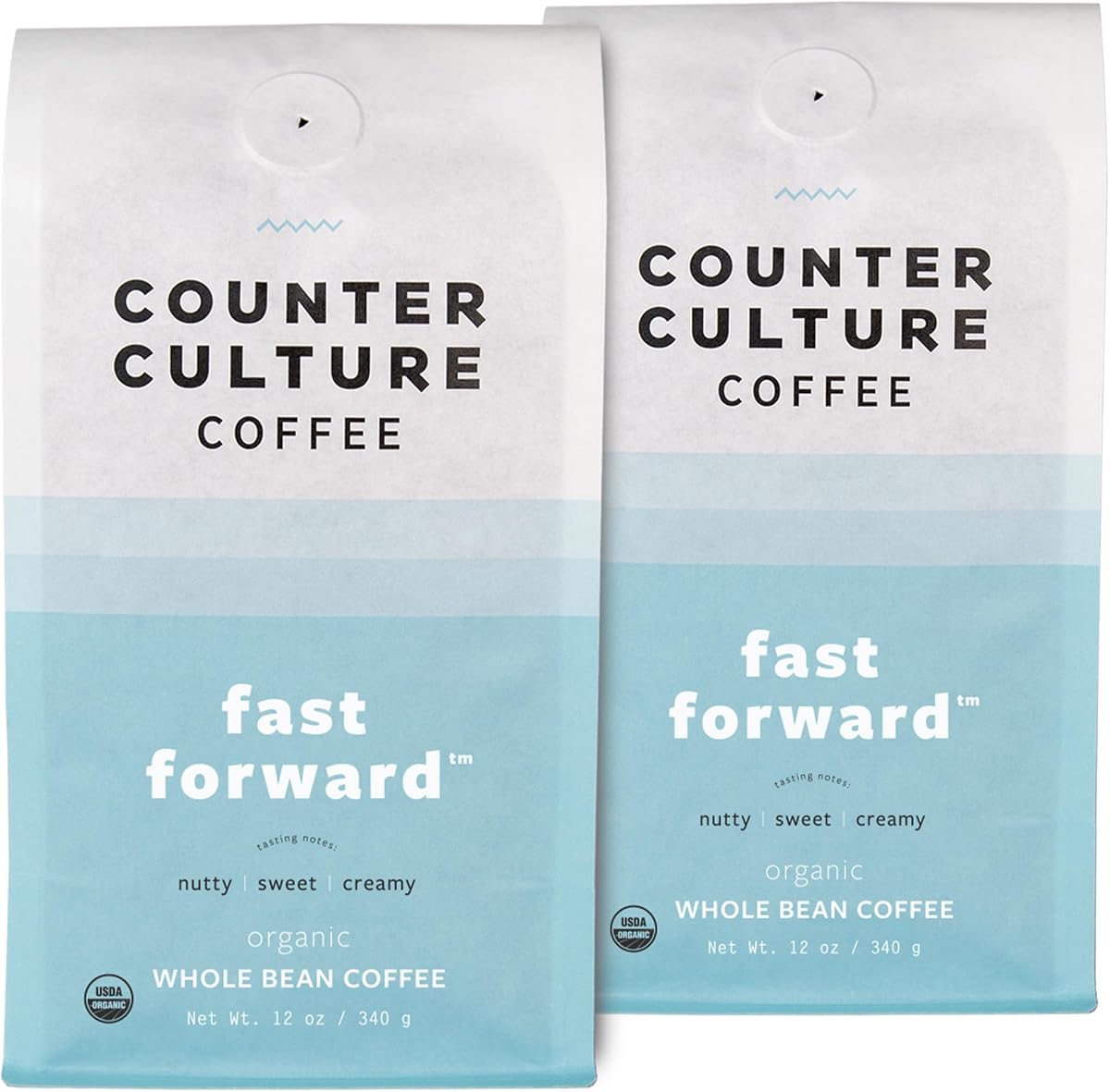
A 100% farmer-owned coffee cooperative that bypasses traditional middlemen to ensure maximum profits return to the growers.

A zero-waste bathroom essential hand-crafted by women's cooperatives, perfect for exfoliating and extending the life of soap.

Handcrafted by women artisans in Ghana, these cold-processed soaps use wild-harvested shea butter. A zero-waste, high-impact gift for a major milestone.

The gold standard in ethical soap, these travel-sized bottles are perfect for wellness pros on the go, featuring 100% PCR packaging and fair-trade ingredients.
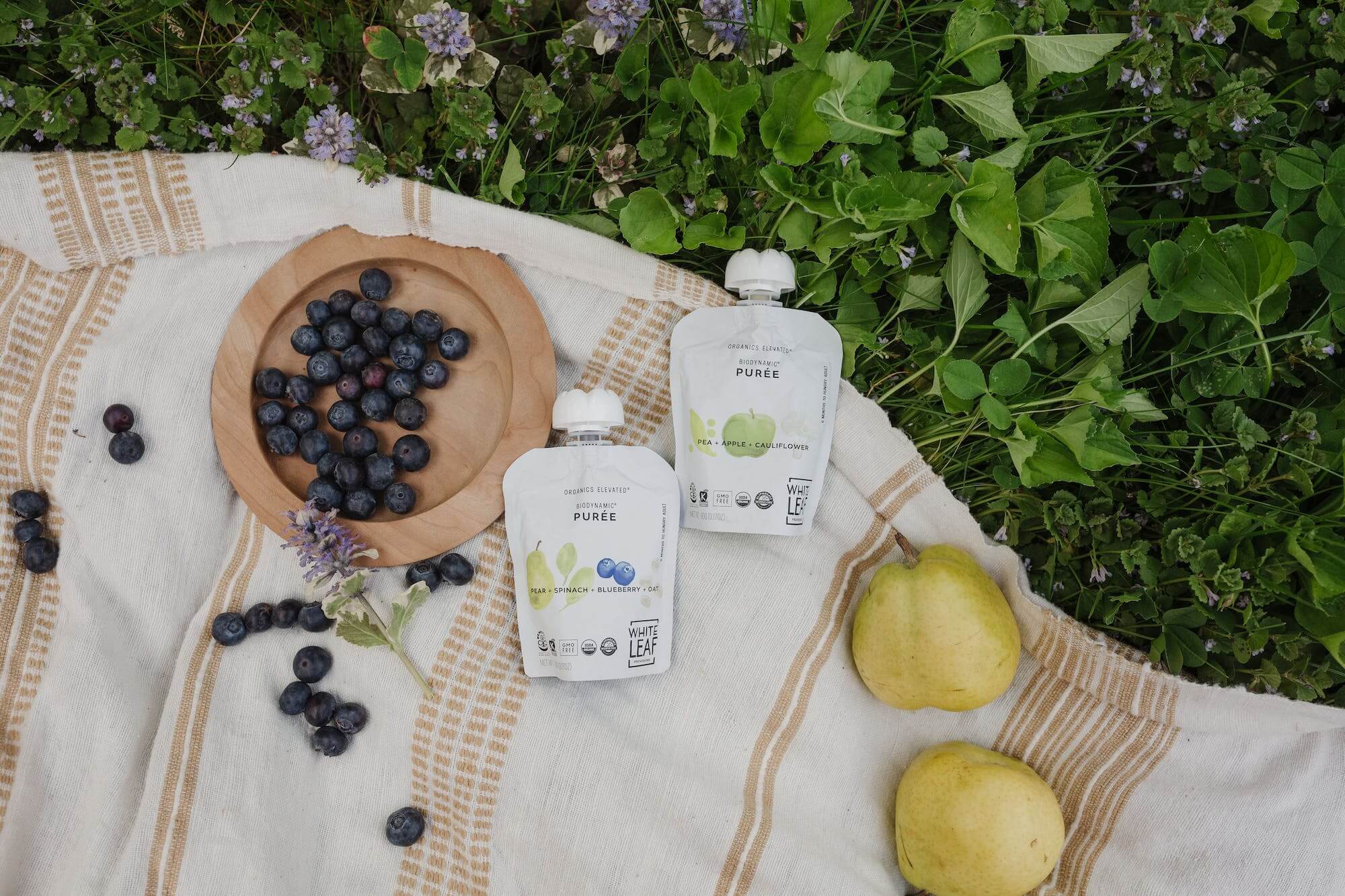
The gold standard in baby food, offering Demeter-certified biodynamic ingredients that exceed organic standards for soil health and purity.

A gold standard in ethical confectionery, combining fair-pay labor practices with regenerative cocoa farming that restores biodiversity in the Ivory Coast and Ghana.

A gold-standard breakfast staple sourced from family-owned farms in Montana using regenerative practices that actively sequester carbon and restore soil health.

Arguably the most ethical coconut oil on the market, sourced from 'Serendipol' in Sri Lanka using regenerative practices that revitalize soil and support a fair-trade community.
A gold standard in ethical confectionery, using regenerative farming to combat climate change while ensuring living wages for cocoa farmers.
What Haribo is rated on
Haribo competes primarily in the Food & Nutrition category (confectionery) and also in Gifts & Seasonal (as popular bulk or gift-pack sweets). Our ethical rating considers certifications, supply chain transparency, animal welfare, and environmental commitments. Haribo scores low due to:
- Certifications: None on file. No organic, non-GMO, Fairtrade, Rainforest Alliance, or vegan certifications.
- Animal testing policy: Haribo does not conduct animal testing – a neutral fact, as confectionery is not subject to such requirements, but it does not warrant a positive score.
- Vegan options: The core range uses gelatin; limited “Halal” variants omit pork gelatin but still contain beef gelatin. No fully vegan line exists.
- Sustainability: Modest, generic pledges without measurable targets or third-party verification.
- Supply chain: No public disclosure of sugar or starch sourcing; no conflict mineral or child-labor policies that meet recognised standards.
How the alternatives were picked
We selected alternatives that excel where Haribo falls short: transparent sourcing, certified vegan recipes, and verifiable ethical credentials. Brands were evaluated for:
- Vegan & gelatin-free: Products must omit all animal-derived gelatin, often using pectin or plant starches.
- Third-party certifications: Preference given to brands with organic (e.g., EU Organic, USDA Organic) and non-GMO certifications.
- Fair trade / ethical sourcing: Brands with Fairtrade or direct-trade sugar, or that publish supplier lists.
- Environmental impact: Compostable packaging, carbon-neutral commitments, or B Corp status.
What to check on the label
When buying gummy alternatives, look for these markers on the packaging:
- Gelatin-free or “vegan” – ensures no animal collagen; pectin or agar-agar are common substitutes.
- Certified organic / non-GMO – reduces pesticide use and ensures ingredients aren’t genetically modified.
- Fairtrade / Rainforest Alliance – supports ethical sugar or cocoa supply chains.
- Packaging claims: Look for “compostable,” “recyclable,” or “plastic-free” to reduce waste.
- Sugar content: Some alternatives use fruit juice concentrates; check added sugar levels if health is a concern.
Frequently asked about Haribo alternatives
Are there any vegan gummy alternatives that taste similar to Haribo?+
Yes. Brands like Katjes (EU) and Surf Sweets (US) use pectin instead of gelatin, delivering a chewy texture close to classic gummy bears. Katjes is widely available in Europe and certified vegan.
Does Haribo have any ethical certifications at all?+
No. Haribo currently holds no third-party certifications such as Fairtrade, Rainforest Alliance, organic, or vegan. Its animal testing policy is neutral (not required for confectionery), but this does not constitute an ethical credential.
Why is gelatin a concern for ethical shoppers?+
Gelatin is derived from animal collagen – typically pig skin, cattle bones, or hides. This excludes vegan consumers and raises welfare concerns if sourcing is unverified. Gelatin production also has a higher environmental footprint than plant-based thickeners.
Where can I find ethical gummy alternatives if I live outside the EU?+
In the US, brands like YumEarth and Surf Sweets offer certified organic, vegan gummies. In the UK, Marks & Spencer’s “Made Without” range and creative organic brands are available online. Check labels for vegan and organic logos.