Ethical Alternatives to Herbal Essences
Herbal Essences is a Procter & Gamble haircare brand whose bio:renew collection is PETA-approved cruelty-free and often vegan. However, its parent company, P&G, is not certified as cruelty-free overall, prompting many shoppers to seek independent brands with fully transparent animal-testing policies.
Categories compared: Beauty & Personal Care
Why shoppers look for alternatives to Herbal Essences
- Parent company P&G is not certified cruelty-free, creating a gap between Herbal Essences' own PETA approval and the wider corporate policy.
- Certification covers only the Herbal Essences range, not other P&G brands, which may test where required by law.
- Shoppers want to avoid companies that profit from animal testing elsewhere in their portfolio.
- Independent brands often offer simpler ingredient decks and stronger environmental commitments, such as plastic-free or refillable packaging.
Top-scoring alternatives to Herbal Essences

A zero-waste, plastic-free solid shampoo bar that replaces three plastic bottles, featuring fair-trade ingredients and a focus on water conservation.

A mass-market accessible body wash that funds community empowerment projects in Togo, West Africa, using fair-trade unrefined shea butter.
A zero-waste, plastic-free body cleanser bar that replaces three bottles of liquid soap and uses regenerative fair-trade ingredients.

The ultimate multi-tasker for minimalist hosts; one bottle can wash hands, body, hair, and even dishes.

A zero-waste, plastic-free solution for hair and body, specifically curated for the minimalist traveler looking to bypass liquid restrictions.
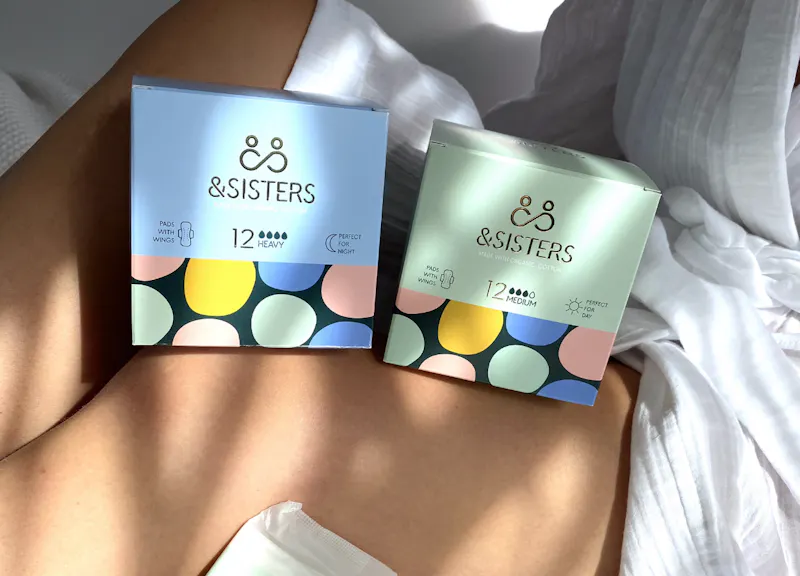
A UK-based, women-owned B Corp offering the highest ethical standard in menstrual care. This bulk 'Sisterhood' bundle features GOTS organic cotton tampons and pads with RSPO-segregated inputs, ensuring zero deforestation.
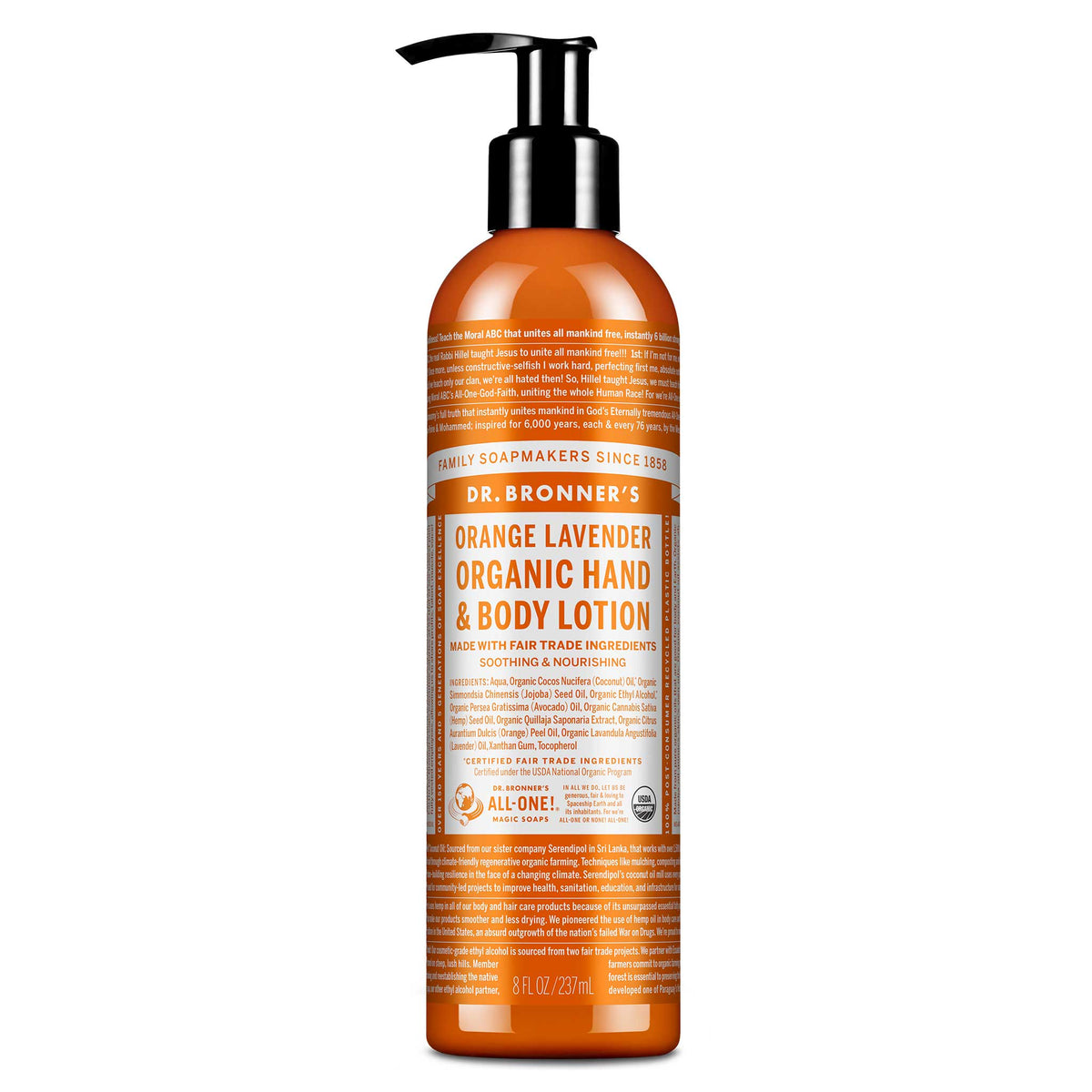
A highly ethical, multi-use lotion crafted with organic oils and fair trade ingredients, setting the industry standard for supply chain transparency and regenerative agriculture.
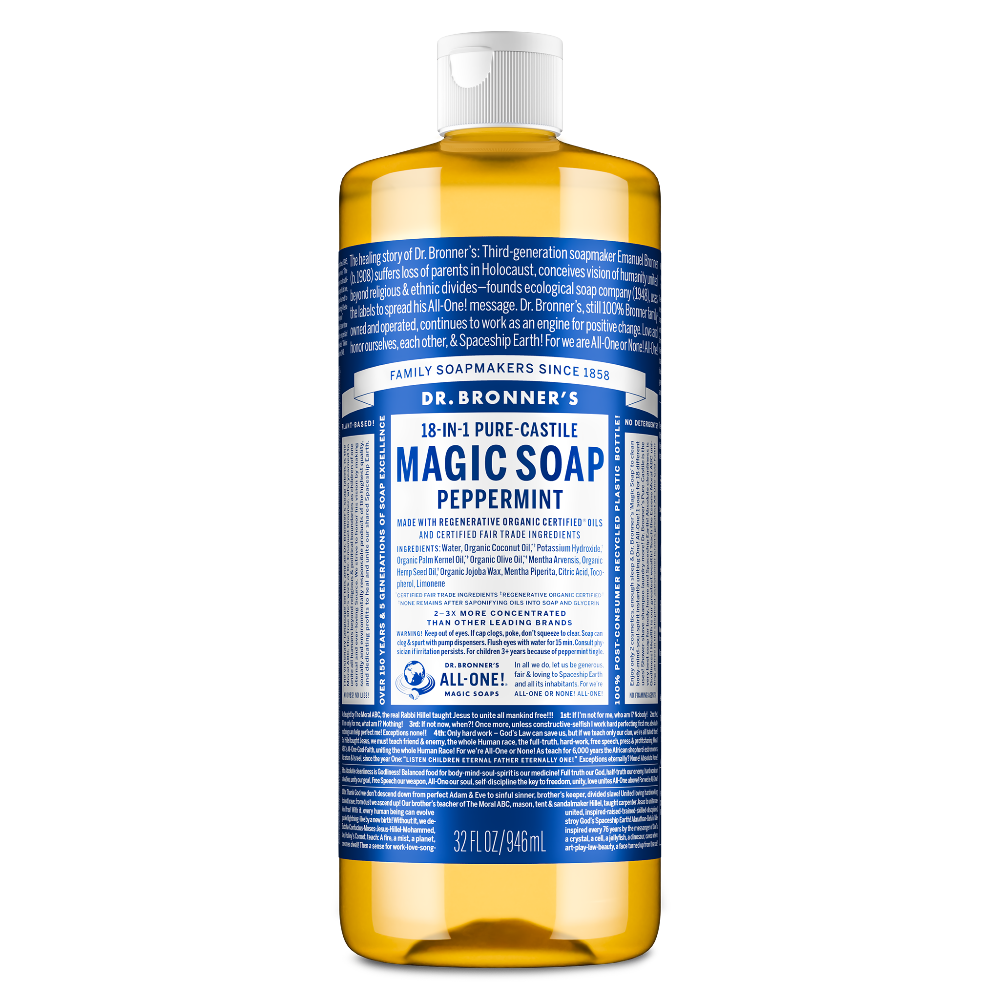
The gold standard of ethical cleaning. A highly concentrated, multi-surface liquid soap made from organic oils and fair trade ingredients in 100% PCR packaging.

The gold standard of ethical soaps, featuring regenerative organic palm oil and a legacy of fair-trade advocacy and radical transparency.
A zero-waste, plastic-free shampoo bar equivalent to three bottles of liquid shampoo, utilizing fair-trade cocoa butter and peppermint oil.
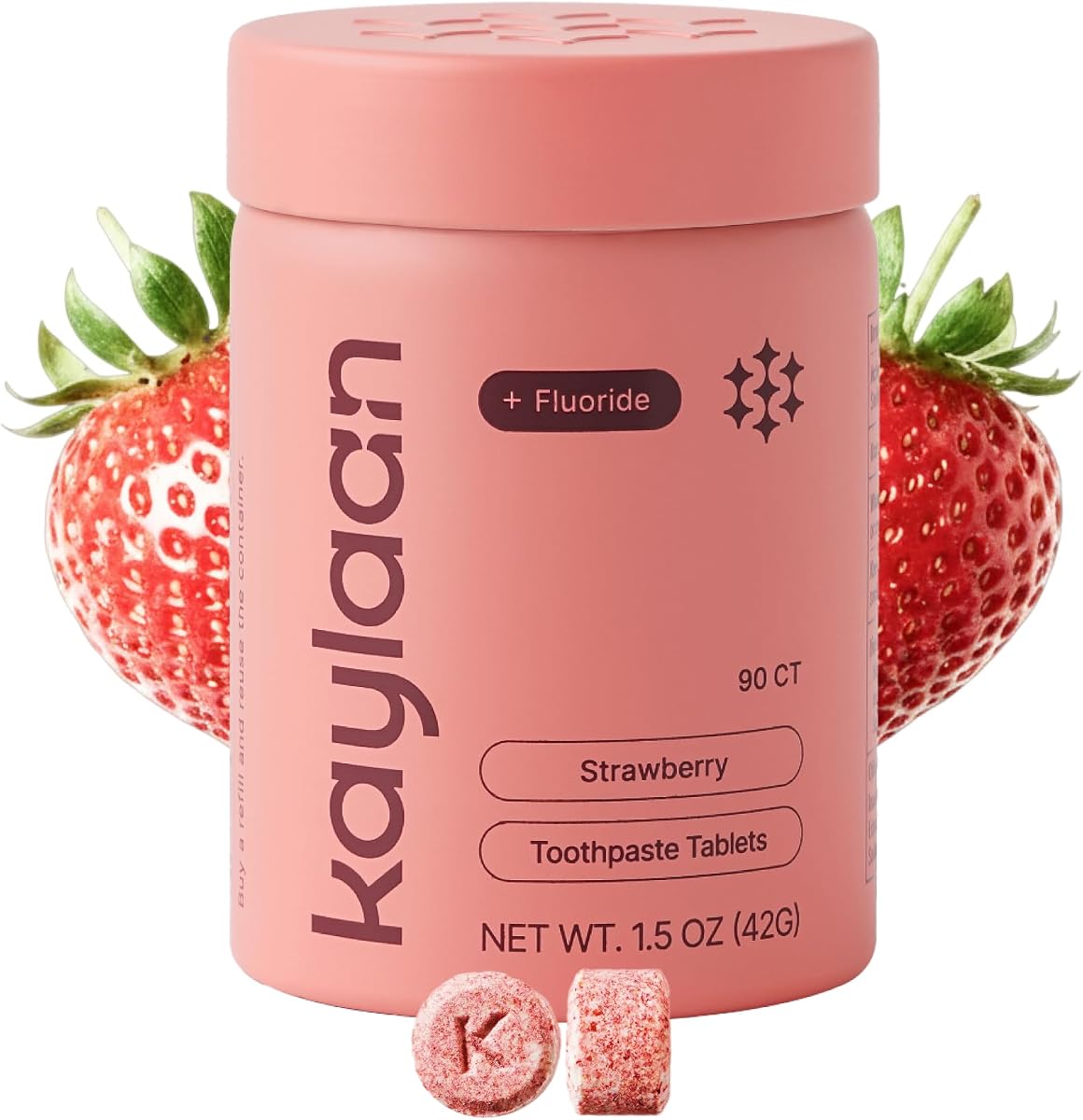
A zero-waste oral care system consisting of fluoride-free tablets in a refillable glass jar, featuring ingredients sourced from ethical Eastern European partners.

A high-potency, carbon-extracted rosehip oil designed specifically for sensitive skin, backed by rigorous B Corp standards and organic agricultural sourcing.
What Herbal Essences is rated on
Herbal Essences is rated under the Beauty & Personal Care category. The brand’s bio:renew line carries PETA’s Beauty Without Bunnies certification and a vegan claim. However, because the brand is owned by Procter & Gamble—which is not listed as cruelty-free on any major certification database—the ethical standing is limited. The certification only covers the Herbal Essences range, not the wider company.
How the alternatives were picked
We selected alternatives that are fully certified cruelty-free by at least one reputable program (e.g., Leaping Bunny, PETA) at the parent-company level. All alternatives operate independently of conglomerates that permit animal testing. We also prioritized brands that are transparent about ingredient sourcing, prioritize plant-based formulas, and offer recyclable or refillable packaging. Examples include Ethique, Love Beauty and Planet (owned by Unilever, which is Leaping Bunny certified), and Acure.
What to check on the label
When switching, look for these markers of true ethical haircare: a Leaping Bunny or PETA Beauty Without Bunnies logo that applies to the parent company, not just one line. Verify whether the brand or its parent conducts or commissions animal testing anywhere. Check for “vegan” certification if that matters to you, and scan for minimal plastic or biodegradable packaging. Avoid vague terms like “against animal testing” without third-party certification.
Frequently asked about Herbal Essences alternatives
Is Herbal Essences fully cruelty-free?+
Only the Herbal Essences range is certified by PETA as cruelty-free. Its parent company, Procter & Gamble, is not certified, meaning other P&G brands may test on animals where required by law.
Does Herbal Essences test on animals?+
Herbal Essences states it does not test on animals for its own range, and it is PETA-approved. However, because P&G is not certified, there is no guarantee that ingredients or formulas are not tested by the parent company for other markets.
Are all Herbal Essences products vegan?+
Many Herbal Essences products, especially in the bio:renew line, are certified vegan. But not all products are labeled vegan, so check individual product certifications.
What are the best ethical alternatives to Herbal Essences?+
Independent brands like Ethique, Acure, and Love Beauty and Planet offer parent-company-level cruelty-free certification, vegan options, and often more sustainable packaging.