Ethical Alternatives to Hershey's
Hershey's is a leading global confectionery brand that has made progress in sustainable sourcing through Rainforest Alliance and UTZ certification. However, ongoing scrutiny over labor practices in its supply chain, coupled with an absence of a formal animal testing policy for ingredients, leads many shoppers to seek more transparent alternatives.
Categories compared: Food & Nutrition, Gifts & Seasonal
Why shoppers look for alternatives to Hershey's
- Hershey's has no formal animal testing policy for its supply chain, only committing to no finished product testing except where required by law (e.g., China).
- Despite certification progress, labor practices in Hershey's cocoa supply chain remain under ongoing scrutiny from watchdog organizations.
- Selling in mainland China means Hershey's may legally be required to test finished products on animals, a practice many ethical shoppers wish to avoid.
- Certifications like Rainforest Alliance cover sourcing but do not guarantee full traceability or fair wages at the farm level.
Top-scoring alternatives to Hershey's

A gold-standard example of regenerative agriculture, these oats go beyond organic by actively restoring soil health and ensuring fair wages for farmers in a vertically integrated supply chain.

The gold standard for ethical food production, this coconut oil uses regenerative organic practices and fair trade labor to set a benchmark for corporate responsibility.

A premium gift set of dark chocolate bars that redefine ethical sourcing through regenerative organic farming and fair trade wages.
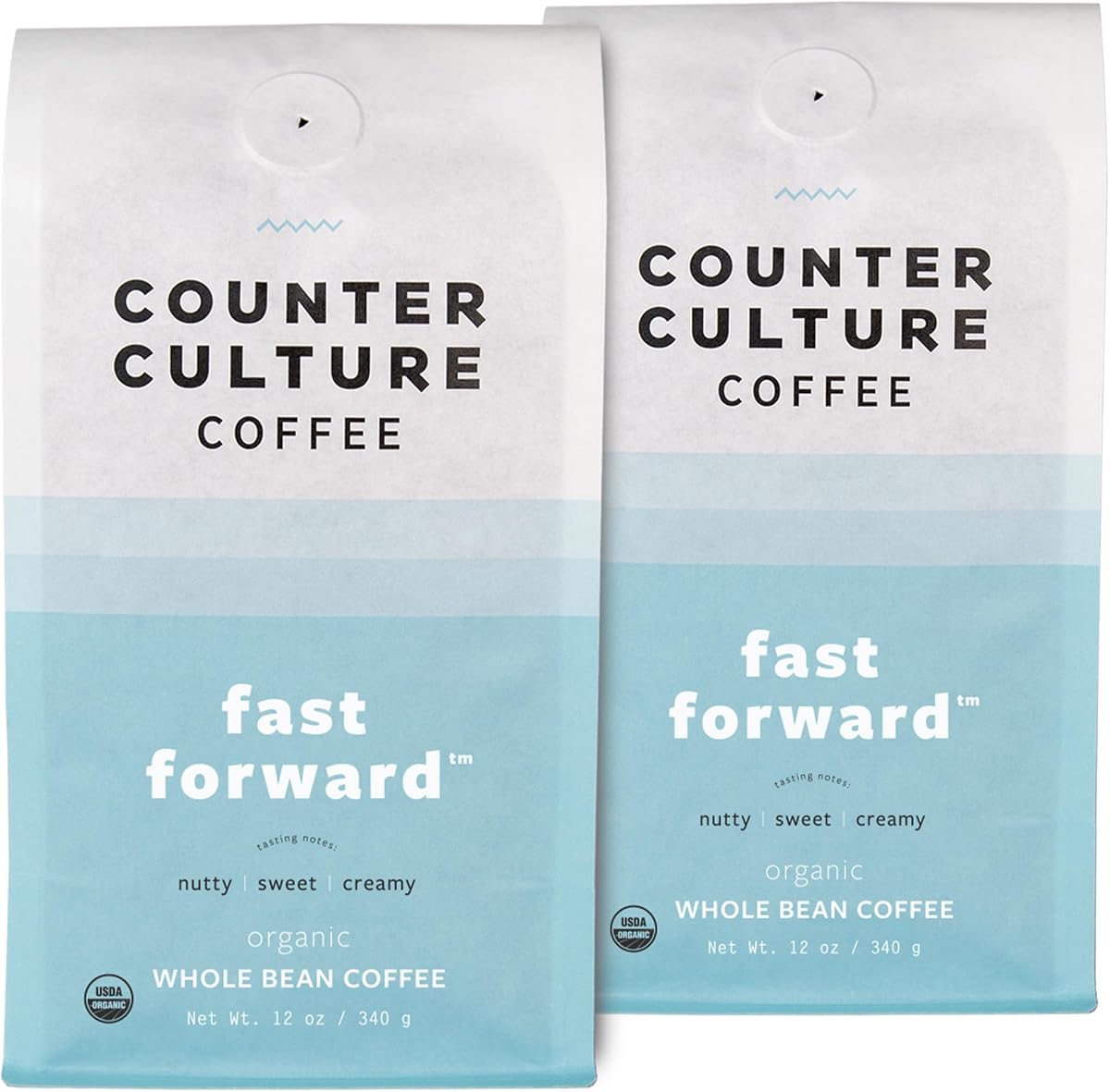
A 100% farmer-owned coffee cooperative that bypasses traditional middlemen to ensure maximum profits return to the growers.

A zero-waste bathroom essential hand-crafted by women's cooperatives, perfect for exfoliating and extending the life of soap.

Handcrafted by women artisans in Ghana, these cold-processed soaps use wild-harvested shea butter. A zero-waste, high-impact gift for a major milestone.

The gold standard in ethical soap, these travel-sized bottles are perfect for wellness pros on the go, featuring 100% PCR packaging and fair-trade ingredients.

The gold standard in baby food, offering Demeter-certified biodynamic ingredients that exceed organic standards for soil health and purity.

A gold standard in ethical confectionery, combining fair-pay labor practices with regenerative cocoa farming that restores biodiversity in the Ivory Coast and Ghana.

A gold-standard breakfast staple sourced from family-owned farms in Montana using regenerative practices that actively sequester carbon and restore soil health.

Arguably the most ethical coconut oil on the market, sourced from 'Serendipol' in Sri Lanka using regenerative practices that revitalize soil and support a fair-trade community.
A gold standard in ethical confectionery, using regenerative farming to combat climate change while ensuring living wages for cocoa farmers.
What Hershey's is rated on
Our evaluation focuses on two key areas: supply chain ethics (especially labor practices and animal testing) and certification integrity. The Hershey Company holds Rainforest Alliance and UTZ (merged) certification for some cocoa, and is listed on the Dow Jones Sustainability Index (North America). However, the brand has no published policy banning animal testing on ingredients or third-party suppliers. It also continues to face criticism for potential child labor and forced labor risks in West African cocoa farms, despite certification programs. No major recent controversies have been reported, but the structural issues remain unresolved.
How the alternatives were picked
We selected alternatives based on three criteria: (1) explicit, publicly available animal testing policies covering both finished products and ingredients, (2) independent third-party certification for ethical sourcing (e.g., Fairtrade, B Corp, or direct-trade verification), and (3) transparent reporting on labor practices and supply chain mapping. All featured brands do not sell in mainland China or have a clear exemption from mandatory animal testing there. We prioritized brands with at least one of the following certifications: Fairtrade, Rainforest Alliance (with additional labor audits), or B Corp status.
What to check on the label
When choosing an ethical alternative, look for: Fairtrade Certified or Direct Trade labels that guarantee minimum prices and premiums for farmers. Rainforest Alliance certification is a starting point but often combined with Fairtrade for stronger labor protections. Avoid brands that do not explicitly state an animal testing policy for ingredients—if a brand sells in China, assume government-required tests may apply. Check for a Vegan or Leaping Bunny logo for assurance on animal testing. Lastly, look for brands that publish annual sustainability or ethics reports detailing their cocoa supply chain audits and remediation efforts.
Frequently asked about Hershey's alternatives
Does Hershey's test on animals?+
Hershey's does not test finished products on animals except where required by law (e.g., mainland China). However, it has no formal policy prohibiting animal testing on ingredients or by third-party suppliers, which leaves gaps for ethical shoppers.
What certifications does Hershey's hold?+
Hershey's cocoa is certified by Rainforest Alliance and UTZ (now merged). The company is also listed on the Dow Jones Sustainability Index (North America). These certifications cover sustainable farming practices but do not fully guarantee fair labor conditions or animal-testing-free ingredients.
Why are labor practices a concern despite certifications?+
Certifications like Rainforest Alliance address environmental and some social criteria, but independent reports continue to document child labor and forced labor risks in Hershey's West African cocoa supply chain. The company has remediation programs but has not eliminated these issues, leading to ongoing scrutiny.
Are there any major recent controversies about Hershey's?+
No major recent controversies have been publicly reported. However, the lack of a formal supply chain animal testing policy and unresolved labor concerns are persistent reasons ethical shoppers seek alternatives.