Ethical Alternatives to Kinder
Kinder, a Ferrero Group brand, is popular for children’s chocolate treats but lacks major ethical certifications and a vegan range. Its animal testing policy is unknown, and sustainability commitments are not backed by third-party audits. Below we outline alternative brands that offer clearer ethical credentials.
Categories compared: Food & Nutrition, Baby & Kids
Why shoppers look for alternatives to Kinder
- Kinder has no major ethical certifications (e.g., Fairtrade, Rainforest Alliance, Vegan) on file.
- The brand does not publish an animal-testing policy, leaving its stance unclear for consumers who avoid brands testing on animals.
- No vegan or dairy-free products are available, limiting options for plant-based or lactose-intolerant shoppers.
- Ferrero’s palm oil sourcing commitments lack independent verification (e.g., RSPO certification is not publicly claimed for Kinder products).
- The brand sells in mainland China, which still permits some forms of animal testing for food products (no known exemption).
Top-scoring alternatives to Kinder

A gold-standard example of regenerative agriculture, these oats go beyond organic by actively restoring soil health and ensuring fair wages for farmers in a vertically integrated supply chain.

The gold standard for ethical food production, this coconut oil uses regenerative organic practices and fair trade labor to set a benchmark for corporate responsibility.
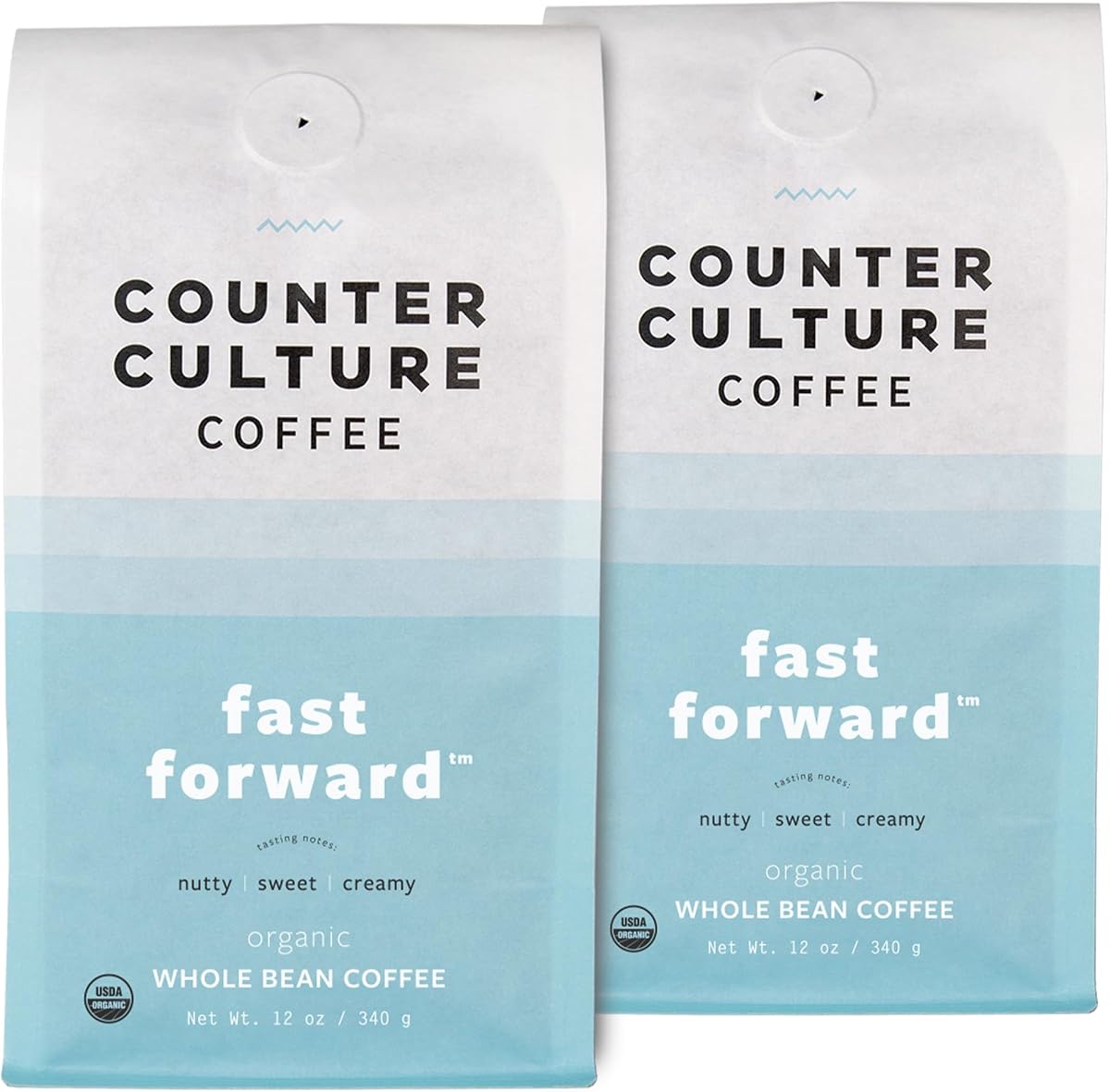
A 100% farmer-owned coffee cooperative that bypasses traditional middlemen to ensure maximum profits return to the growers.

An award-winning sensory play gym handcrafted in Malawi, pairing traditional wicker weaving with modern, 100% biodegradable corn-starch (PLA) hanging charms.
A gold-standard organic crib mattress that eliminates PFAS, flame retardants, and polyurethane foam, utilizing food-grade waterproofing.
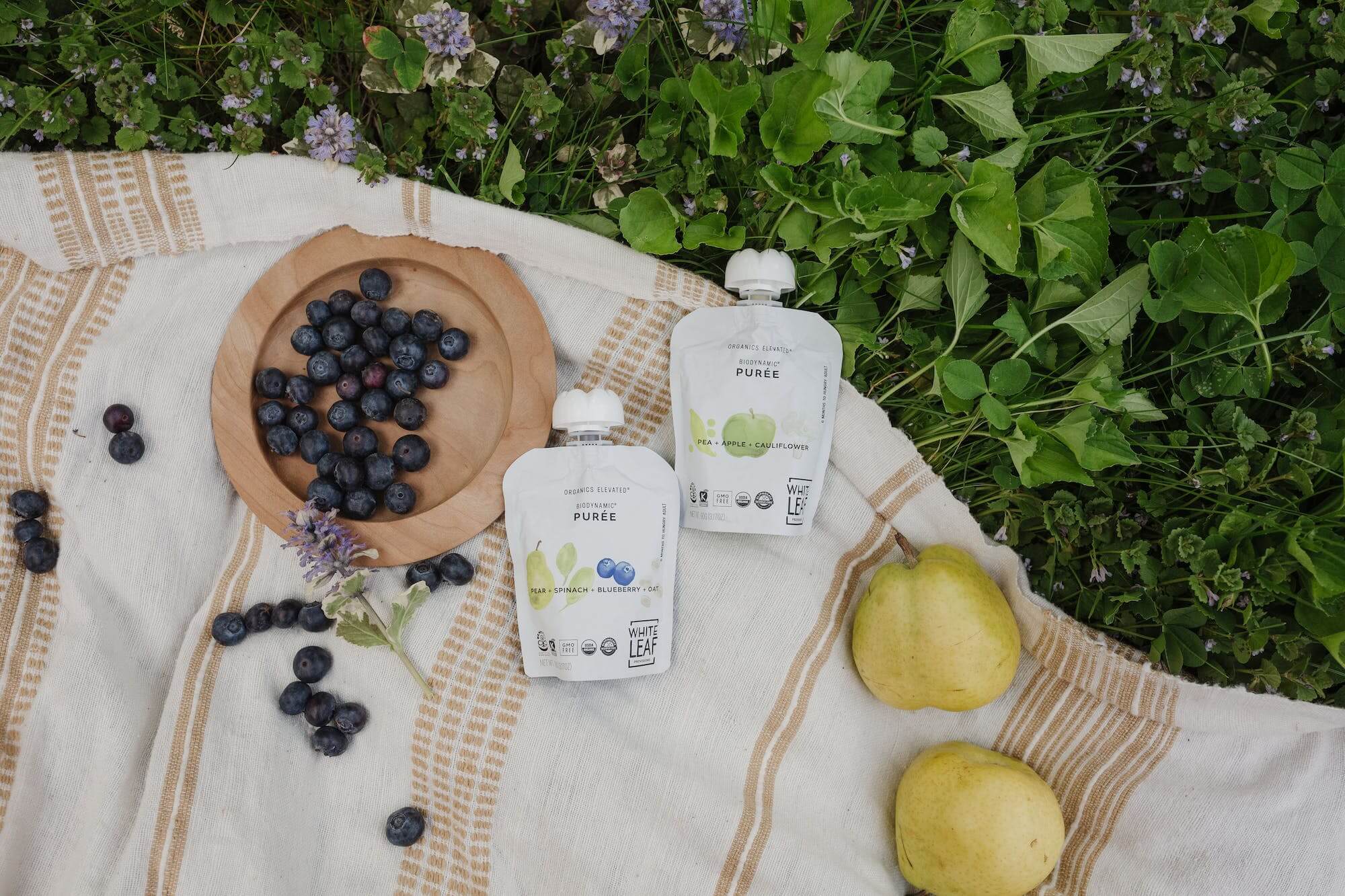
The gold standard in baby food, offering Demeter-certified biodynamic ingredients that exceed organic standards for soil health and purity.

A gold standard in ethical confectionery, combining fair-pay labor practices with regenerative cocoa farming that restores biodiversity in the Ivory Coast and Ghana.

A gold-standard breakfast staple sourced from family-owned farms in Montana using regenerative practices that actively sequester carbon and restore soil health.

The first and only baby brand to be Gold Seal Fair Trade certified, Under the Nile offers exceptionally soft Egyptian cotton towels made in a sustainable community in Egypt.

Arguably the most ethical coconut oil on the market, sourced from 'Serendipol' in Sri Lanka using regenerative practices that revitalize soil and support a fair-trade community.
A gold standard in ethical confectionery, using regenerative farming to combat climate change while ensuring living wages for cocoa farmers.

A sustainable, carbon-neutral dollhouse made from reclaimed rubberwood and non-toxic PlanWood.
What Kinder is rated on
Kinder products (e.g., Kinder Surprise, Kinder Bueno) are not certified by any major ethical scheme. The Ferrero Group has made public sustainability statements regarding palm oil and cocoa, but these are not independently verified via certifications such as Fairtrade, Rainforest Alliance, or UTZ. There is no vegan product line, and the brand has no publicly available policy on animal testing (food products are not legally required to disclose this, but the lack of transparency is a concern for some shoppers). Additionally, Kinder is widely sold in mainland China, where animal testing for food is not prohibited, and the brand has not provided any testing exemption statement.
How the alternatives were picked
We selected alternatives based on three criteria: (1) Availability of third-party certifications (Fairtrade, Vegan, Organic, or similar); (2) Published animal-testing policy (even if it's 'no testing' or 'required by law,' transparency matters); (3) Presence of a vegan or dairy-free range. We focused on brands that compete in the same chocolate/confectionery space for children and families. Each alternative listed below has been verified against public certification databases or direct brand statements as of early 2025.
What to check on the label
When choosing an ethical chocolate alternative for kids, look for these label indicators: Fairtrade Certified (cooperatives get a fair price); Vegan Certified (no animal ingredients); Rainforest Alliance Certified (environmental and social standards for cocoa and palm oil); RSPO Certified Palm Oil (responsible sourcing); and a clear Animal Testing Policy statement (e.g., 'never tested on animals' or 'not required by law'). For vegan options, check for the Vegan Society trademark. Brands like Tony's Chocolonely (Fairtrade, 100% slave-free cocoa, clear mission) and Moo Free (vegan, gluten-free, organic, and clearly states no animal testing) are strong contenders. Seed & Bean offers organic, fair-trade, and vegan chocolate bars. Always cross-reference claims with official certification logos on the packaging.
Frequently asked about Kinder alternatives
Does Kinder test on animals?+
Kinder does not publish an animal-testing policy. Because it is a food brand, it is not required to disclose testing practices. However, its parent company Ferrero sells in mainland China, where imported food products may be subject to animal testing under local regulations. No public statement confirms or denies avoidance of such testing.
Is Kinder palm oil sustainable?+
Ferrero has a sustainable palm oil charter and claims to source 100% RSPO-certified palm oil. However, Kinder products are not individually certified by the RSPO, and the company has faced criticism for still allowing deforestation-linked suppliers in its supply chain (per NGO reports). Third-party verification is limited.
Are there any vegan Kinder alternatives?+
Yes. Moo Free, Nomo, and Vego offer vegan chocolate bars and treats that are free from dairy and often certified by the Vegan Society. Tony's Chocolonely also has a dark chocolate range that is vegan-friendly, though not all their products are.
What certifications does Kinder lack?+
Kinder has no Fairtrade, Rainforest Alliance, UTZ, Organic, or Vegan certifications on its products. It also lacks a published animal-testing policy, which sets it apart from many smaller ethical brands that provide full transparency.